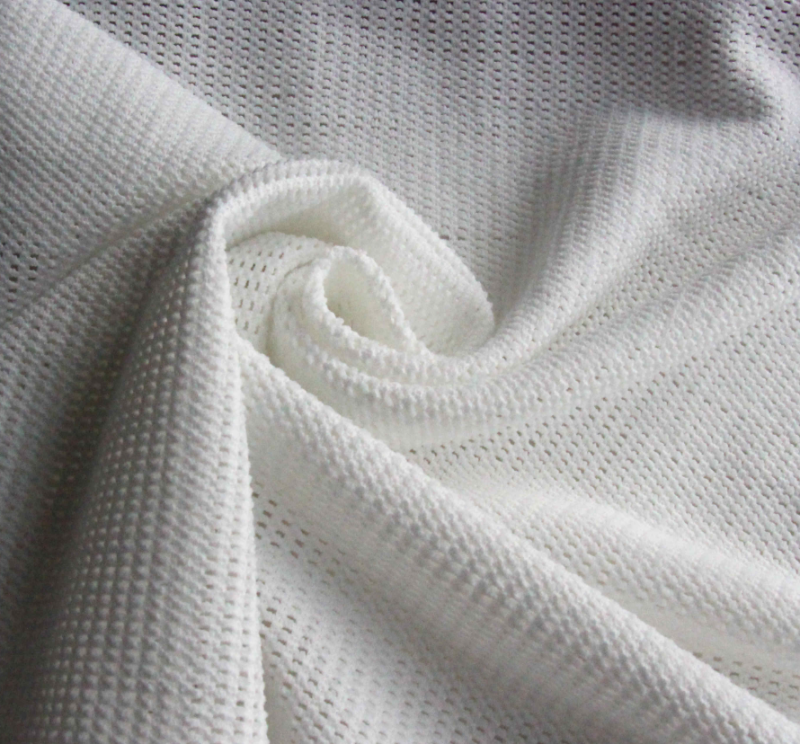


There are many methods for fiber identification: sensory identification, combustion method, microscopic identification, chemical dissolution, drug coloring method, and system identification:
The simplest, fastest, and lowest-cost method is the combustion method 。
![Image [1]-The Combustion Method for Fiber Identification: A Simple, Fast, and Low-Cost Way to Distinguish Cotton, Silk, Wool, Polyester, Nylon, and More-Nleather](https://www.nleather.com/wp-content/uploads/2026/06/image.png "image – Nleather")
The principle is very simple: Identification is based on the different phenomena and characteristics of textile fibers burning when approaching the flame, in the flame, and after leaving the flame 。
Let’s look at three specific stages: When approaching the flame, in the flames, and after leaving the flames , and on top of that Odor and residue characteristics , which allows you to determine the main categories of fibers.
| Fiber | As they approached the flames | In the flames | After leaving the flames | Smell | Residual material |
| Cotton, linen, adhesive | It does not melt or shrink | Burn quickly, keep burning | Keep burning | The smell of burning paper | The ashes are small and fine, soft and grayish-white, and disperse with a single blow |
| Silk and wool | Contraction, curling | Burns slowly, smokes and bubbles | It is not easy to spread fire | Burning hair causes a foul smell | The black, crispy little balls turn into fine powder when squeezed |
| polyester | Contraction, melt | Melting first then burning, burning slowly, yellow flame, smoke, and visible dripping and thread drawing | It can spread the flame | Distinctive aromatic scent | Glassy dark brown hard balls, not easily crushed |
| Nylon | Contraction, melt | Melting first then burning slowly, with a very small blue flame, smokeless or a small amount of white smoke, and some dripping and thread-like effects | It can spread the flame | No obvious celery flavor | Glassy dark brown hard balls, not easily crushed |
| Acrylic Silk | Shrinkage and scorching | It contracts and burns rapidly, with a yellow, bright and powerful flame, sometimes slightly black, with small glowing sparks | Keep burning | Spicy flavor | Black hard ball |
| Vinylon | Contraction | It contracts rapidly, burns slowly, produces a tiny red flame, and emits black smoke | It kept burning, emitting black smoke | A unique sweetness | Dark brown hard balls, can be crushed |
| Propylene Lun | Contracts slowly | It curls and burns while curling, with a bright blue flame and a thread-like phenomenon | Keep burning | The smell of burning wax | Dark brown hard balls, not easily crushed |
| Chloron | Melting contraction | Not easily flammable, produces a large amount of white smoke | The fire extinguishes on its own | A pungent smell with chlorine | Black hard ball |
| Spandex | Melting contraction | Melting, burning | The fire extinguishes on its own | A distinctive smell | Sticky blocks |
Silk vs. Polyester
When silk burns, it “shrinks, curls, burns slowly, emits smoke and bubbles, and is not easy to ignite,” has a burning odor, and leaves “black, crispy small balls that turn into fine powder when squeezed.”
What about polyester? “Shrinking, melting, melting first then burning,” with dripping and thread drawing, residue being “glassy dark brown hard balls, not easily crushed.”
Silk breaks with a squeeze, polyester doesn’t break—it’s that simple.
Cotton vs. Hemp
These two are the hardest to distinguish because both are “not melted, do not shrink, burn quickly, continue burning, have a paper smell, little and fine ash, grayish-white, and disperse with a single blow.”
The book also admits that the combustion method is best at identifying single-component fibers, Blended products require other methods 。






No comments yet