
![Image [1]-Silicone Leather vs PU Leather: A Detailed Comparison of Material Definition, Physical Properties, Chemical Stability, User Experience, Environmental Sustainability, and Cost-Effectiveness for Various Applications-Nleather](https://www.nleather.com/wp-content/uploads/2026/06/产品-设计师-皮包.jpeg "产品-设计师-皮包 – Nleather")
1. Material Definition and Structure
| Category | Silicone Leather | PU Leather (Polyurethane Leather) |
| Core ingredients | Silicone resin (main chain Si-O bonds) + non-woven fabric/fabric substrate | Polyurethane resin (main chain carbamate bonds) + base material (superfiber/PVC, etc.) |
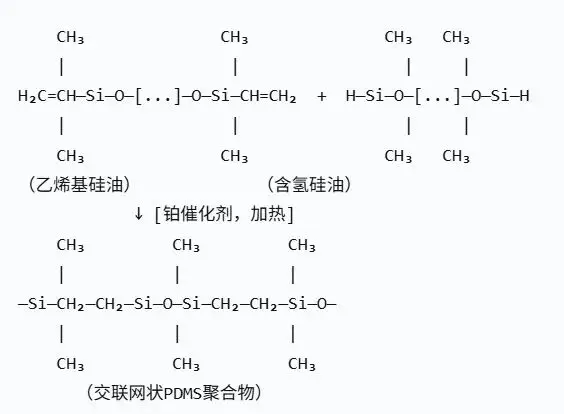
| Manufacturing process | High-temperature vulcanization molding (solvent-free) | Wet/dry process (may contain DMF solvent) |
| Surface characteristics | Micro-texture embossing (biomimetic touch) | Coating texture (highly customizable) |
2. Performance Advantage Comparison
1. Physical properties
| Indicators | Silicone leather | PU leather |
| Temperature resistance range | -50°C ~ 250°C (does not yellow/become brittle) | -20°C ~ 80°C (softens easily at high temperatures, cracks easily at low temperatures) |
| Wear Resistance (Taber) | 50,000+ cycles (H-18 rounds, superior to superfiber) | 10,000-30,000 times (CS-10 rounds) |
| Hydrolysis resistance | 100 days (70°C/95% RH unchanged) | 30-60 days (PU layer easily chalks) |
| Flame retardancy | UL94 V-0 Grade (Siloxane Self-Extinguishing) | Flame retardants must be added (usually UL94 HB grade) |
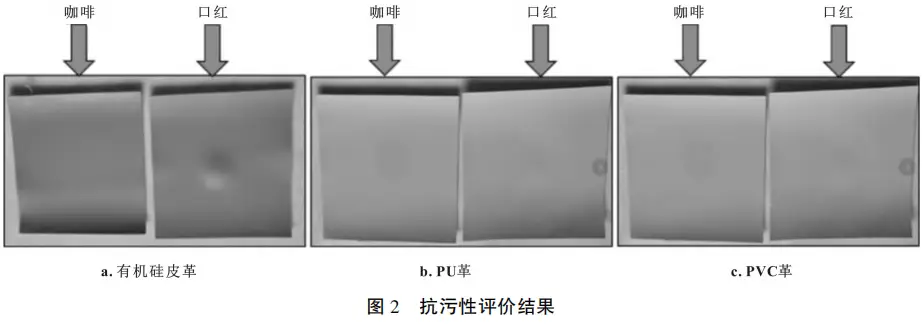
| Stain resistance | Hydrophobic and oil-repellent (contact angle >110°), cola and soy sauce are easy to wipe clean | Requires surface coating treatment (contact angle about 90°), as stains easily penetrate |
2. Chemical stability
| Indicators | Silicone leather | PU leather |
| Solvent resistance | Resistant to alcohol, acetone, and weak acids and alkalis (pH 2-12) | Easily swelling by ketone or ester solvents (such as nail remover solution) |
| UV aging resistant | Xenon lamp test with no yellowing after 1,000 hours (UV inhibitor assisted) | After 500 hours, it noticeably fades or becomes embrittle |
3. User experience
| Indicators | Silicone leather | PU leather |
| Tactile sensation | Smooth skin-like texture (friction coefficient 0.3-0.5) | Relatively cold hardness (friction coefficient 0.6-0.8) |
| Breathability | Microporous breathability (500-800 g/m²·24h) | Depends on the substrate (microfiber base can reach 1,000+, PVC base only 200-400) |
| Weight | Lightweight (0.3-0.5 kg/m²) | 0.5-0.8 kg/m² |
![Image [2]-Silicone Leather vs PU Leather: A Detailed Comparison of Material Definition, Physical Properties, Chemical Stability, User Experience, Environmental Sustainability, and Cost-Effectiveness for Various Applications-Nleather](https://www.nleather.com/wp-content/uploads/2026/06/25-1024x575.jpg "25 – Nleather")
3. Analysis of Core Shortcomings
1. Limitations of silicone leather
High costs: raw material prices are **3-5 times** of PU ($15-30/㎡ vs $5-10/㎡).
Processing difficulty: Requires high-temperature vulcanization (150-200°C), large equipment investment, and high energy consumption.
Color limitations: Silicone resin has poor dyeability, with color saturation lower than PU (requires surface coating for modification).
Adhesion challenges: Silicon has low surface energy and poor compatibility with glue (requires specialized primer treatment).
2. Defects in PU leather
Environmental risks: Traditional processes use **DMF solvent** (EU REACH restrictions), resulting in high VOC emissions.
Insufficient durability: Long-term use easily leads to coating peeling (especially dry PU).
Permeability depends on the substrate: If the substrate is PVC, breathability is almost zero (strong stuffiness).
Recycling difficulties: PU is difficult to separate from the substrate, and degradation after landfill takes over 200 years.
4. Comparison of Environmental Protection and Sustainability
| Dimension | Silicone leather | PU leather |
| Production process | Solvent-free process, VOC emissions nearly zero (compliant with OEKO-TEX 100) | The wet process contains DMF (carcinogens) and requires wastewater treatment |
| Source of raw materials | Silicon ore derivation (non-renewable), but the rise of bio-based silica gel technologies (such as SiO₂ extracted from rice husks) | Petroleum-based (non-renewable), partially using bio-based polyols (accounting for <30%) |
| Recyclability | Thermal Pyrolysis and Recovery of Silicone (Siloxane Recycling) | Physical recycling is difficult, and chemical depolymerization costs are high |
| Carbon footprint | 8-12 kg CO₂eq/㎡ (including silicon smelting energy consumption) | 5-8 kg CO₂eq/㎡ (can be reduced to 3-5 kg if recycled PET substrate is used) |
5. Application Scenario Recommendations
Silicone leather is suitable for applications
Extreme environments: automotive engine compartment interiors and outdoor equipment (resistant to high and low temperatures/UV rays).
Sanitary scenarios: medical mattresses, baby and child products (antibacterial and easy to clean).
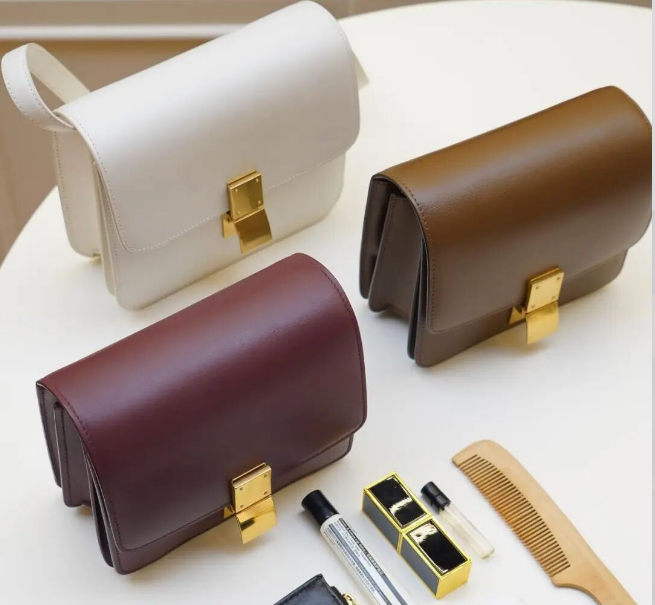
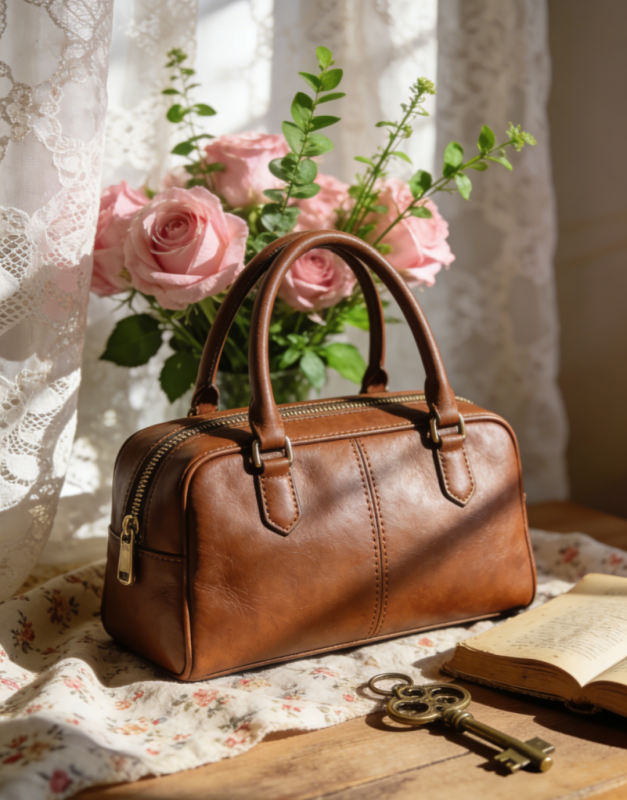
High-end design: luxury bags (matte finish + durability).
PU leather is suitable for applications
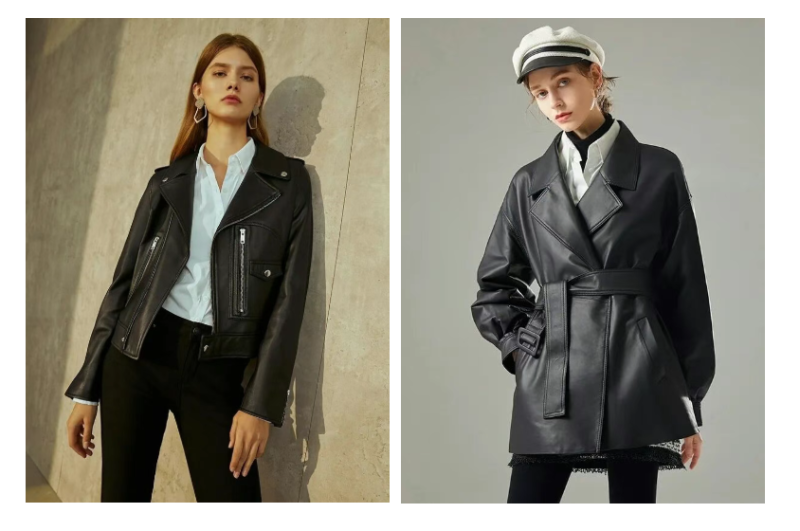
Fast fashion: shoes, apparel, and bags (low cost + rich colors).
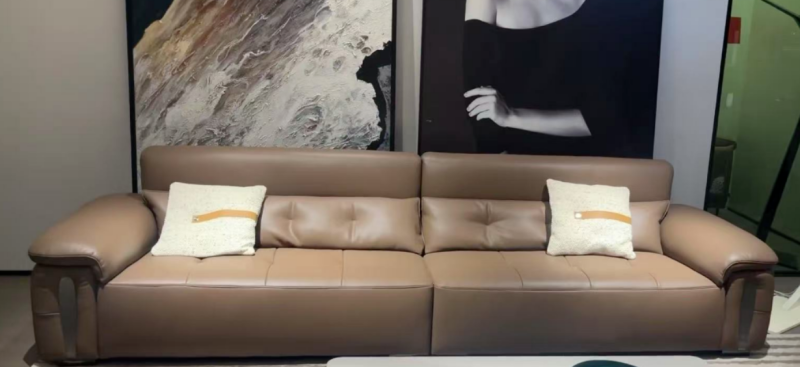
Furniture decoration: sofa leather (high cost performance).
Electronic accessories: phone cases/earphone covers (lightweight requirements).

No comments yet