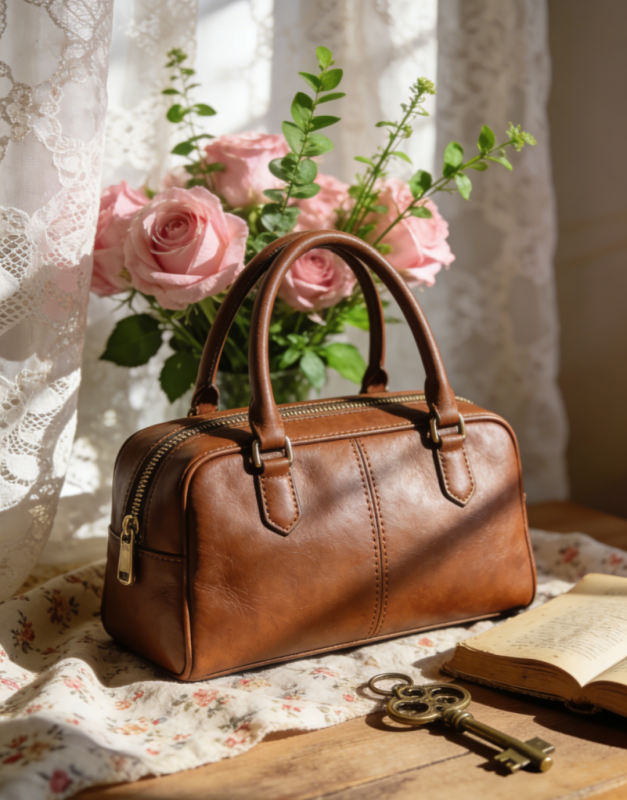


First floor cow leather The A, B, and C grades essentially reflect different levels of respect for natural leather. Choosing A-grade leather for a good bag isn’t about being picky, but about not wanting to compromise on quality, durability, and craftsmanship. It carries not only storage functions but also a unique charm shaped by the passage of time. Next time you buy a bag, don’t just focus on the “top layer.” cow leather “Labels: Using these tips to identify A-grade leather is the key to choosing a bag that becomes more appealing the more you use it.
Spent thousands on the first floor cow leather The bag drops after half a year; Luxury brand bags, however, become more and more attractive the more you use them. The key secret behind this lies in the grade of the leather. It’s also the top tier cow leather The gap between A, B, and C grades is huge—why is only the A-grade one capable of carrying a good bag? Today, I’ll break it down in plain language to help you avoid the trap of buying a package.
A/B/C grade top-grain leather: What’s lacking isn’t just ‘looks’—it’s also about lifespan
Many people think of it as the “first floor.” cow leather = good leather,” but the key point is overlooked: top-tier leather is also graded into different grades. Grading focuses on three main dimensions—surface defect rate, fiber integrity, and degree of processing and finishing—which are not directly related to thickness or origin. Although there are no mandatory industry standards, there are default regulations, and different grades of leather offer vastly different user experiences.
Grade A top-layer leather: naturally high-end base, growing more flavorful with care
Grade A top-grain leather is considered the “natural good base” among leathers, with its core advantage being natural and unadorned, with very few blemishes. To maintain this “perfection,” the raw materials are selected from captive yellow oxen or fetal calves aged 6-8 months. During feeding, the cows are also given protective gear to prevent insect bites, fights, scratches, and other injuries.
The processing is also especially restrained, with only simple cleaning and vegetable-tanning done, no heavy coatings to cover the skin, fully preserving the natural pores and texture. The selection is even stricter, with ‘meticulous details’: single sheets only take the smooth ‘core area’ of the back and hips. Under industry standards, the defect rate is so low that there are almost no visible traces, and the utilization rate is usually less than 10%. Because of this, luxury brands often use it to create classic pieces, and a single leather bag can often only be made into 1-2 handbags. Bags made from grade A leather develop a unique patina that becomes smoother with use—a texture that artificially modified leather can never replicate.
Grade B top-grain leather: A cost-effective choice, suitable for daily commuting
Grade B top-layer leather follows a “practical route,” allowing for a small amount of mosquito scars, blood veins, or slight color differences, with defect rates controlled within a reasonable range. To make the appearance more orderly, a thin coating is applied. Although thinner than C-grade coating, it sacrifices some natural breathability and softness.
Its utilization rate can reach 50%-60%. Besides the core area, it is also used in secondary areas like the neck and shoulders. The price is quite affordable, making it suitable for mid-range leather goods and car seats. It’s more than enough for daily commuting, but after long-term use, the coating may wear slightly and the grain becomes lighter, making it hard to develop the high-quality patina of A-grade leather.
C-grade top-grain leather: entry-level leather, thanks to its “genuine leather” reputation
Grade C top-layer leather is the entry-level baseline for top-layer leather. The surface may have obvious knife wounds, deep scars, and large areas of gadfly eyes, resulting in a high rate of defects. To cover these defects, heavy processing such as thick coatings and machine embossing is required, completely covering natural pores and textures, and even removing easily deformed areas like the belly.
This type of leather is more like “modified leather with a genuine leather base,” feeling relatively hard and poorly breathable. Long-term use may cause the coating to peel off or crack. Mostly used for cost-effective leather goods, its advantage lies in having a “top layer.” cow leather “The overall quality and durability are significantly inferior to those of Class A and B grades.
Pitfall warning: Many sellers pass the second layer of leather as a C-grade top-grain leather. Distinguish this clearly—the two-layer leather is the fiber layer beneath the top-layer and requires film coating, not top-grain leather. Its breathability and toughness are usually worse than C-grade top-grain leather.
![Image [1]-Top Layer Cow Leather Grades A, B, and C: Why Only A-Grade Leather Delivers Superior Quality, Durability, and Timeless Beauty for Your Bag-Nleather](https://www.nleather.com/wp-content/uploads/2026/06/image-46-802x1024.png "image – Nleather")
Good bags insist on A-grade leather: not being pretentious, but a commitment to value
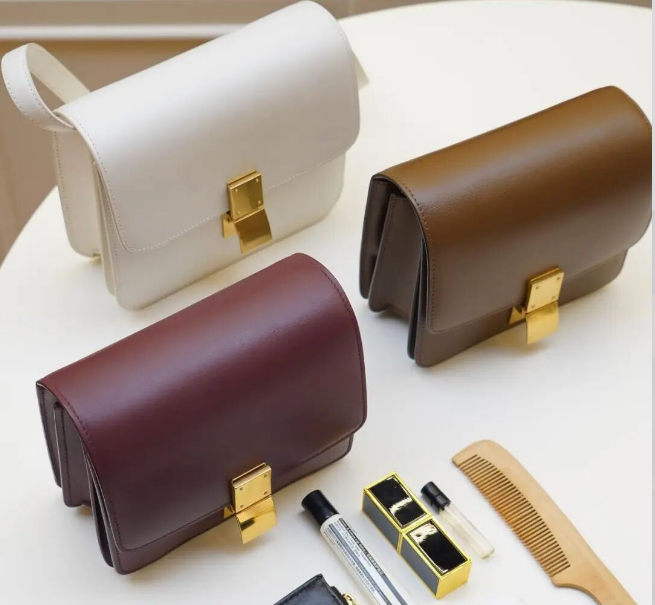
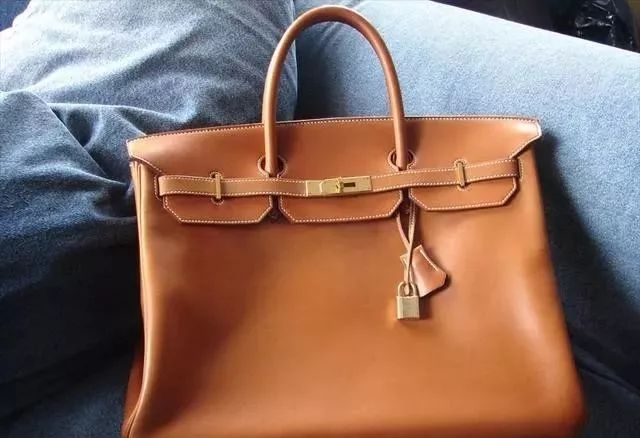
High-end bags often cost tens of thousands of yuan, but insisting on using grade A leather is not simply about pursuing “flawlessness.” Behind it lies a triple commitment to quality, durability, and brand value, which alone explains the reason.
Natural texture: artificial touches can never be replaced
The core competitiveness of a good bag is the texture that accumulates over time. The natural pores of grade A leather ensure breathability and non-stuffiness, and the dense fibers make the bag soft and crisp, preventing sagging over time. Even more rare is that sense of ‘age’—as body oils slowly penetrate, they form a unique patina, warm and translucent, which is the soul of high-end leather goods.
On the other hand, B and C-grade leather, due to their coating, either struggle to develop natural patina or may reveal underlying flaws after wear, resulting in a degraded texture with use, which doesn’t quite fit the “ever-new” positioning of high-end bags.
Durability: The foundation supporting long-term value
High-end bags are designed to last a long time, aiming for “long-term use” rather than “one-time consumption.” The high-quality tanning process of the intact fibers of grade A leather ensures that it is not easily cracked, deformed, or faded over long-term use. Many European luxury brand A-grade leather bags can remain in good condition for years with proper care, and may even become circulating secondhand items with maximized value retention. Grade B and C leather have relatively short lifespans due to insufficient coating or fiber integrity, mostly only 1-3 years, making it difficult to support the long-term value needs of high-end bags
Process Adaptation: Living up to the value of handcraft
The scarcity of A-grade leather itself carries a sense of value—globally, top-grade A-grade leather that meets high-end leather standards accounts for only about 5% of total top-grain leather, and luxury brands further select the core parts for top-tier pieces. More importantly, its natural texture requires no heavy processing and perfectly suits high-end techniques such as hand sewing and three-dimensional shaping, complementing hand stitching and custom hardware to maximize the texture of the details.
If you use B- or C-grade leather for high-end models, the thick coating may affect stitching strength, and machine embossing can mask the details of the handcraft, ultimately rendering the expensive craftsmanship meaningless and lowering the overall texture.
![Image [2]-Top Layer Cow Leather Grades A, B, and C: Why Only A-Grade Leather Delivers Superior Quality, Durability, and Timeless Beauty for Your Bag-Nleather](https://www.nleather.com/wp-content/uploads/2026/06/image-45-805x1024.png "image – Nleather")
3 small tips to quickly identify top-grade A-grade leather
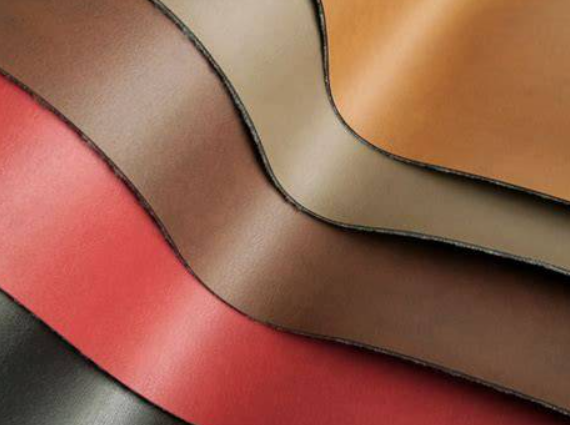
Look: Grade A texture naturally shows growth lines; B/C are regular/non-porous/repeated. Touch: Grade A is soft and springy, slow rebound; B is hard, C is like plastic. Smell: Grade A light fragrance, parts B/C have chemical scents.

No comments yet