

The performance differences between silicone leather and traditional artificial leather were compared in terms of hand feel, resilience, stain resistance, light aging resistance, heat aging resistance, hydrolysis resistance, solvent resistance, fold resistance, odor, and flame retardancy. At the same time, the main issues in current applications of silicone leather and the directions needing optimization and improvement are identified. The results show that compared with traditional PU leather and PVC leather, silicone leather has outstanding inherent advantages in hand feel, resilience, stain resistance, resistance to light aging, heat aging, hydrolysis, solvent resistance, fold resistance, odor, and flame retardancy, clearly outperforming the other two traditional types of leather; The outstanding performance and unique experience of silicone leather can greatly enhance product competitiveness.
Keywords: Automotive interiors; Artificial leather; Silicone leather; PU leather; PVC leather
In recent years, as living standards have improved and consumer attitudes have evolved, people’s demand for cars has evolved beyond being a simple means of transportation, but has evolved into a smart, comfortable “mobile space” [1]. The comfort of car cabins naturally attracts consumers’ attention and has even become an important consideration when buying a car. There are many dimensions to evaluate cabin comfort, such as interior decoration, space, noise, vibration, handling, lighting, intelligent interaction, and odor [2], with exquisite interior decoration being key to ensuring comfort.
Common automotive interior materials typically include plastic, fiber fabric, leather, rubber, wood, composite panels, felt, and so on[3]. Leather, as the most widely used and most frequently touched soft covering material in daily life, has a crucial impact on the comfort of a car. In the early days, leather used for automotive interior wrapping was mainly genuine animal leather. Genuine leather has a high-end, luxurious texture, and good breathability, but raw materials are scarce, have low utilization rates, are expensive, and the production process is not environmentally friendly and causes significant environmental pollution [4]. Therefore, as artificial leather With the emergence of genuine leather, some applications of genuine leather have gradually been replaced.
PVC leather is the first generation artificial leather , due to its excellent overall performance and low cost, it has been widely used in interior wrapping such as car seats, door panels, main/auxiliary dashboards, and pillars [5]. However, PVC leather itself feels relatively hard and has poor leather feel, requiring a large amount of plasticizers to improve flexibility [6]. In daily use, PVC leather is affected by multiple factors such as light and high temperatures, causing plasticizers to volatilize or migrate, causing aging issues and irritating odors, and posing health risks to humans [7]. Therefore, PVC leather is currently mainly used in low-end or low-end vehicle markets.
PU leather as the second generation artificial leather , because it feels full, soft, has excellent mechanical properties, and does not require any plasticizers, it is more comfortable, safer, and environmentally friendly than PVC leather. However, due to its high price, it is currently mainly used in the mid-to-high-end vehicle market[8]. However, the PU leather preparation process requires the use of large amounts of DMF (dimethylformamide) solvent, which has obvious reproductive toxicity. The residual DMF solvent in the finished product can evaporate during daily use, posing certain health risks to consumers [9]. In addition, PU leather products also have certain issues such as resistance to light aging and insufficient hydrolysis resistance. Therefore, PU leather currently has certain limitations and areas that need optimization and improvement.
Although in recent years, with the rapid development of polymer technology, especially continuous innovations in processing technology, many other types of leather or functional leathers have emerged, such as microfiber leather [10] and imitation chamois leather [11], scented leather [12], antibacterial leather [13], ionic leather [14], insulated leather [15], translucent leather [16], conductive leather [17], etc. However, these leathers are derived from PVC or PU base leather. Although they offer new functions and experiences, from the perspective of material composition and application, they have not fundamentally changed, and there are many shortcomings, making it difficult to meet diverse market demands and the ever-evolving needs of upgrades.
In recent years, with the continuous emergence of new materials and processes, organosilicone leather developed from organosilicon molecules as raw material, as a new generation of artificial leather, has many unique properties and characteristics. However, since it is currently in the development and promotion stages, its market application is limited, mainly used in small quantities on seats and door panels in models like HiPhi[18]. Currently, there is little comparative research on the performance of silicone leather compared to other commonly used traditional synthetic leathers (such as PVC leather, PU leather), and the market lacks awareness of the outstanding characteristics of this leather material, which is hindering its application and promotion in the market.
This article compares the differences between silicone leather and traditional PVC and PU leather in terms of hand feel, resilience, stain resistance, light aging resistance, heat aging resistance, hydrolysis resistance, solvent resistance, fold resistance, odor, and flame retardancy. This helps more people recognize the outstanding characteristics of silicone leather, promotes its mass production and application, and provides guidance for the industry.
Test method
This paper conducts tests and evaluations according to the following methods:
(1) Feel: Touch directly with your hand, then evaluate based on subjective feelings.
(2) Resilient: Bend the sample surface inward by 180°, apply a load of 19.8N at the bent point, maintain at room temperature for 24 hours, then remove the load and observe the sample.
(3) Stain resistance: Mix (2.5±0.1)g of Nestlé instant coffee with (240±5) mL of water, heat to (70±10)°C; 0.05g lipstick. Let the contaminant remain on the sample for 30 minutes, then take a 150mm ×150mm wiping cloth, soak the cloth in deionized water, wet it, gently wring it dry, and then wipe the sample surface with a wiping cloth until no color transfer is detected. Assess the grayness grade of the leather rubbed surface according to GB/T250.
(4) Light Aging Resistance: According to SAEJ2412 tests, three types of leather surface color differences are measured under different light irradiation levels of 430, 830, and 1240kJ.
(5) Hydrolysis resistance: Samples are suspended in a constant temperature and humidity oven for damp heat aging at (70±2)°C and relative humidity of 95%. After 0~10 weeks of constant temperature and humidity, the color difference changes on the surfaces of three types of leather are measured.
(6) Solvent resistance: On the sample surface, drop 1mL of artificial sweat, 0.5% soapy water, 95-octane gasoline, ventilator cleaning solution, petroleum ether, ethanol, cleaning agent, and citrus aromatics. After 5 minutes, absorb with a cotton cloth, then stand at a temperature (23±2)°C and relative humidity (50±10)% for 24 hours. Visually assess changes in the sample surface area.
(7) Fold resistance: Room temperature 25°C, low temperature -30°C, movement speed 100 times/min, test the maximum number of fold resistance.
(8) Heat aging resistance: Under 100°C conditions, heat aging for 100, 300, and 500 hours is measured to measure the color difference changes on the surfaces of three types of leather.
(9) Odor: 70°C/24h, 1L bottle, wet method, sample size 100mm ×200mm.
(10) Flame retardant performance: tested according to GB8410.
Feedback on the hand
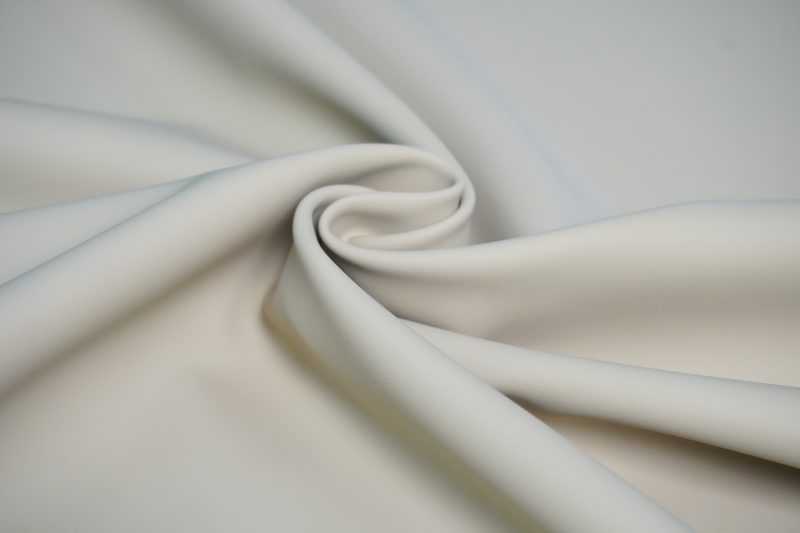
By directly touching the leather, the tactile differences among three types of leather were subjectively evaluated; the results are shown in Table 1. From the table, PVC leather feels relatively hard and dry, with poor leather texture; PU leather feels full, soft, and has a good leather feel. Therefore, PU leather has a noticeably better feel than PVC leather. However, compared to PU leather, silicone leather not only feels soft to the touch, but is also smooth, delicate, and skin-friendly, offering a superior leather feel and superior comfort and experience.
| Silicone leather | PU leather | PVC leather |
| Soft to the touch, smooth and delicate, skin-friendly, with an even better skin feel | Full, soft, and pleasant to the touch | The texture is relatively hard and dry, with poor skin texture |
Feel test results
Resilience evaluation
Leather is often transported as a roll, and during stacking or storage, it is prone to developing hard-to-restore indentations, affecting the appearance of the form. Fold resistance tests can be used to evaluate the resilience of leather materials. As shown in Figure 1, the recovery of 180° folded creases shows that silicone leather has very mild surface creases, PU leather has severe creases, and PVC leather has more pronounced creases, indicating that silicone leather is better than the other two types artificial leather It has better compressive resilience and is more resistant to folding and stacking.
The excellent resilience of silicone leather is mainly attributed to the excellent softness of the main chain within the molecular chain. Therefore, in practical overlay applications, especially for seat parts, silicone leather can quickly recover from deformation caused by seat pressure or compression, making it less likely to cause permanent wrinkles and maintaining a good appearance and aesthetic appeal.
Stain resistance evaluation
Two typical contaminant reagents (coffee and lipstick) were used to test the stain resistance of three types of leather. The results are shown in Table 2. As shown in the table, silicone leather can achieve stain resistance level 4~5, while PU and PVC leather can only reach level 3. Therefore, silicone leather has superior stain resistance compared to PU and PVC leather, as shown in Figure 2.
Silicone leather/PU/PVC stain resistance test
| Contaminating reagents | Silicone leather | PU | PVC |
| Coffee | 4~5 | 3 | 3 |
| Lipstick | 4~5 | 3 | 3 |
![Image [1]-Performance Comparison of Silicone Leather vs. Traditional Artificial Leathers for Automotive Interiors: Superior Hand Feel, Stain Resistance, and Durability-Nleather](https://www.nleather.com/wp-content/uploads/2026/05/image-10.png "– Nleather")
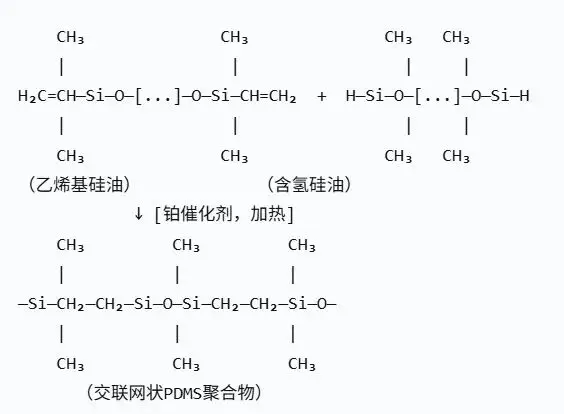
From the perspective of molecular structure and mechanism, the main reason for the poor stain resistance of PU and PVC leather is that both contain a large number of polar groups in their molecular chains, which can exert strong intermolecular forces with stained molecules, thereby forming stable adsorption structures. Because the silicone molecular chain does not contain polar groups, its surface tension and surface energy are low, making it difficult for stain molecules to adhere firmly. Typically, in automotive interior design, light-colored interiors highlight prestige, luxury, and grandeur, making them widely used in high-end luxury cars. However, light-colored interiors have a fatal flaw: they are not resistant to dirt and are difficult to clean.
Therefore, traditional artificial leather requires special surface treatment to meet stain resistance and cleanliness requirements. The mainstream method currently is to form an inert surface coating using fluorine- or silicon-containing materials. Due to its very stable molecular structure and low surface energy, it effectively blocks dirt from binding with polar groups in traditional leather, thereby enhancing stain resistance. This not only increases the complexity and cost of the process but may also adversely affect other performance factors. However, silicone leather requires no surface treatment and inherently offers excellent stain resistance and easy cleaning. Therefore, silicone leather has inherent advantages in automotive interiors, especially in light-colored interior decoration.
Evaluation of light resistance and aging
The curve of chromatic aberration with light irradiation is shown in Figure 3. As light irradiation increases, the color difference of PVC leather shows a significant upward trend, PU leather shows a slight increase, while silicone leather shows almost no color difference. When the irradiation amount was 430kJ, the color difference changes of silicone leather and PU leather were 0.525 and 0.906, respectively, with no significant changes; PVC leather, on the other hand, has a color difference of 2.571, showing a more significant change than the previous two. When the irradiation amount is 830kJ, PU leather shows a significant change, with a color difference change of 2.21; at this point, PVC leather shows a severe change, with a color difference change of 8.76. As the irradiation amount further increases, reaching 1240kJ, PU leather shows severe deterioration, with a color difference change of 4.36; PVC leather shows severe deterioration, with a color difference change of 16.7; at this time, the color difference change of silicone leather is only 0.96. The results show that in terms of resistance to light aging, silicone leather far outperforms the other two traditional types of leathers, PVC leather is the worst, and PU leather still needs improvement. The excellent resistance to light aging of silicone leather is mainly attributed to the high bond energy of the Si–O bond in the molecular backbone, which requires more light irradiation energy to be absorbed when breaking.
![Image [2]-Performance Comparison of Silicone Leather vs. Traditional Artificial Leathers for Automotive Interiors: Superior Hand Feel, Stain Resistance, and Durability-Nleather](https://www.nleather.com/wp-content/uploads/2026/05/image-11.png "– Nleather")
Hydrolysis resistance evaluation
The curve of color difference with hydrolysis resistance time is shown in Figure 4. As the hydrolysis time increases, the color difference of PU leather shows a clear and rapid upward trend, PVC leather shows a slight increase, and the color difference of silicone leather remains almost unchanged. After two weeks of hydrolysis, the color differences of silicone leather, PU leather, and PVC leather were 0.175, 1.183, and 0.353, respectively. As the hydrolysis time further increases to 10 weeks, the color differences in silicone leather, PU leather, and PVC leather vary by 0.175, 2.82, and 0.756 respectively, with PU leather significantly greater than that of silicone and PVC leather. The results show that in terms of hydrolysis resistance, silicone leather is the best, followed by PVC leather, and PU leather is the worst. The excellent hydrolysis resistance of silicone leather is mainly attributed to the high bond energy of the Si–O bonds in the molecular backbone, making it less prone to breakage during hydrolysis.
![Image [3]-Performance Comparison of Silicone Leather vs. Traditional Artificial Leathers for Automotive Interiors: Superior Hand Feel, Stain Resistance, and Durability-Nleather](https://www.nleather.com/wp-content/uploads/2026/05/image-12.png "– Nleather")
Solvent resistance evaluation
After exposure to the following solvents, the solvent resistance test results of the three different types of leather are shown in Table 3, and the evaluation results are shown in Figure 5. The results show that after silicone leather is exposed to different solvents, no abnormalities appear on the leather surface; However, PU leather shows staining marks on the surface after contact with petroleum ether, and after contact with ethanol and citrus fragrances, the surface fogs up and shows slight deformation; After PVC leather comes into contact with gasoline, the surface fogs up, but other abnormalities are not observed. Therefore, silicone leather has better solvent resistance than PU and PVC leather.
| Solvent name | Silicone leather | PU leather | PVC leather |
| Artificial sweat | The transformation of the face showed no abnormalities | The transformation of the face showed no abnormalities | The transformation of the face showed no abnormalities |
| 0.5% soapy water | The transformation of the face showed no abnormalities | The transformation of the face showed no abnormalities | The transformation of the face showed no abnormalities |
| 95-octane gasoline | The transformation of the face showed no abnormalities | The transformation of the face showed no abnormalities | The face is transformed and mist is released |
| Window cleaning liquid | The transformation of the face showed no abnormalities | The transformation of the face showed no abnormalities | The transformation of the face showed no abnormalities |
| petroleum ether | The transformation of the face showed no abnormalities | The leather surface shows staining marks | The transformation of the face showed no abnormalities |
| Ethanol | The transformation of the face showed no abnormalities | The leather surface fogged up and showed slight deformation | The transformation of the face showed no abnormalities |
| Cleaning agents | The transformation of the face showed no abnormalities | The transformation of the face showed no abnormalities | The transformation of the face showed no abnormalities |
| Citrus fragrances | The transformation of the face showed no abnormalities | The leather surface fogged up and showed slight deformation | The transformation of the face showed no abnormalities |
![Image [4]-Performance Comparison of Silicone Leather vs. Traditional Artificial Leathers for Automotive Interiors: Superior Hand Feel, Stain Resistance, and Durability-Nleather](https://www.nleather.com/wp-content/uploads/2026/05/image-13.png "– Nleather")
Fold resistance evaluation
Fold resistance usually directly reflects the flexibility of leather. Seat leather upholstery requires repeated seat pressure and bending over long periods, requiring high fold resistance to leather. Most OEMs generally require the technical resistance of PU and PVC leather to be 100,000 folds at room temperature and 30,000 times at low temperatures. Table 4 shows the evaluation results of the ultimate fold resistance of silicone leather. At room temperature (25°C), it can be used 250,000 times, and at low temperature (-30°C), it can reach 120,000 cycles, far exceeding the technical requirements for PU and PVC leather. Therefore, silicone leather has excellent fold resistance and can easily meet the technical standards and usage requirements of OEMs. However, ordinary PU leather contains a large number of polar and rigid groups in its molecular chains, resulting in strong inter-chain interactions, high steric resistance, and significant rotation restrictions, resulting in lower flexural resistance. Special surface treatments are required to improve its fold resistance. PVC leather itself has relatively poor flexibility, especially in low-temperature environments, where it becomes hard and brittle. Therefore, it is often necessary to add a high proportion of plasticizer to improve flexibility and meet flexural resistance requirements. The addition of plasticizers significantly improves the flexibility of PVC leather. However, as daily use is subjected to multiple factors such as thermal aging and photo-aging, the plasticizer gradually migrates or evaporates, reducing flexibility and reducing its fold resistance. In addition, toughening agents are usually phthalate vinegars, which pose significant health risks. However, silicone leather does not require any plasticizers or special treatment, and it inherently has excellent fold resistance. The main reasons are: on one hand, Si–0-Si has relatively large bond lengths and angles, making it easy to rotate freely in space and making the molecular backbone more flexible; On the other hand, the vitrification temperature is very low, maintaining high elasticity at low temperatures and maintaining good flexibility.
Heat aging resistance evaluation
The curve of color difference with thermal aging time is shown in Figure 6. As thermal aging time increases, the color difference of all three types of leather shows an upward trend, but PU leather is significantly greater than that of silicone and PVC leather. After 100 hours of thermal aging, the color differences of silicone leather, PU leather, and PVC leather were 0.498, 0.886, and 0.476 respectively. Silicone leather is comparable to PVC leather, but both are significantly less than PU leather: After 300 hours of thermal aging, the color differences of silicone leather, PU leather, and PVC leather were 1.091, 1.714, and 0.942 respectively. Silicone leather is slightly higher than PVC leather, but all are significantly less than PU leather: After 500 hours of thermal aging, silicone leather, PU leather, The color differences of PVC leather were 1.477, 2.42, and 1.367, respectively. Silicone leather was slightly higher than PVC leather, but both were significantly less than PU leather. The results show that in terms of heat aging resistance, PVC leather is slightly superior to silicone leather, but both are significantly superior to PU leather. The excellent heat aging resistance of PVC leather is mainly attributed to the addition of various modified additives, such as heat stabilizers, while silicone leather is mainly due to the high bond energy of Si-0, which requires more heat absorption when breaking.
![Image [5]-Performance Comparison of Silicone Leather vs. Traditional Artificial Leathers for Automotive Interiors: Superior Hand Feel, Stain Resistance, and Durability-Nleather](https://www.nleather.com/wp-content/uploads/2026/05/image-14.png "– Nleather")
Odor evaluation
Odor evaluation was conducted in 1L bottles at 70°C and 24h wet conditions for silicone leather, PU leather, and PVC leather, with all results rated at 6.0. Although based solely on the test data, there is no difference among the three types of leather. However, by comparing the process flows, it is found that PU leather has various forming methods, with the main products with good odor performance being solvent-free PU leather produced by environmentally friendly processes; PVC leather requires environmentally friendly plasticizers and water-based surface treatment processes, and consistency varies greatly. In addition, PU and PVC leather usually undergo high-temperature baking and deodorization after production to ensure odor stability. Therefore, to achieve the same odor grade, PU and PVC leather require higher and more complex processing conditions and processes, whereas silicone leather itself has no odor, can be achieved under normal manufacturing conditions, and has minimal consistency fluctuations. Therefore, silicone leather also has unique advantages in improving and addressing air odors inside cars. Flame retardant performance evaluation
Flame retardant performance evaluation
The results are shown in Table 5. Flame retardant test results for silicone leather, PU leather, and PVC leather were 0, 41.7, and 0 mm/min, respectively. The results show that silicone leather and PVC leather have significantly better flame retardant performance than PU leather. The good flame retardant performance of PVC leather is mainly due to the large amount of halogen flame retardant groups and added flame retardants in the base resin. In addition, although PVC leather has good flame retardant properties, it releases highly toxic dioxin compounds and chlorine compounds during combustion, causing significant ecological pollution and health risks. However, silicone leather does not require any flame retardants and can achieve good flame retardant effects on its own. This may mainly be due to: on one hand, the Si-0 bond energy in silicone leather is high, and during breaking, it absorbs a large amount of heat, lowering the surrounding combustion temperature; on the other hand, silicone leather not only does not release combustible gases during combustion but also forms a silicon carbide barrier layer that blocks oxygen. Therefore, silicone leather not only has excellent flame retardant properties but is also more environmentally friendly and safe.
Main issues currently in the application and directions for optimization and improvement
The main issues currently present in the application
As a new generation of leather, silicone leather has made significant breakthroughs and changes in raw materials, manufacturing processes, and material properties compared to earlier PVC and PU leather, providing users with a better experience—greener, more environmentally friendly, and low-carbon. It has great potential for future applications in the automotive industry.
However, silicone leather still faces many issues in current applications:
(1) Currently in the introduction phase from development to application, the technology is not yet fully mature, and market applications are relatively limited;
(2) It is a new technology, with very few material manufacturers using this technology, and the price is extremely high—about ten times that of PVC leather (30~40 yuan/m2) and five times that of PU leather (55~70 yuan/m2), resulting in significant cost pressure;
(3) Metal catalytic reaction systems have high environmental requirements, so the production line is dedicated and the production cycle is long;
(4) Due to the inertness of silicone materials, it is impossible to achieve color correction and color change processes for silicone leather, and the production process and color stability control between batches are extremely demanding;
(5) Reactive liquids, with complicated color switching processes and significant color selection limitations, making them unsuitable for small-batch processing;
(6) Limited elongation and elasticity, not suitable for producing products with excessively high elongation requirements;
(7) PU and PVC leather materials have foam gaps inside. Silicone leather does not bubble during synthetic reactions, resulting in a tighter structure. Ordinary stitching processes require more effort during needle piercing, and the sewing process needs optimization;
(8) Due to the lack of rigid groups in the silicone molecular chain structure, its wear resistance is poor, making it unsuitable for products with high wear resistance requirements. The industry still needs continuous improvement to address this issue.
Optimize improvement directions
Although there are still many practical issues to address in current applications, with the upgrading of environmental protection, low carbon, and consumer concepts, and the continuous release of diversified market demands, silicone leather is expected to gain attention in the high-end luxury car market. Therefore, it is necessary to deeply carry out the following aspects: D. Strengthen the integration of basic theoretical research and application to promote continuous technological maturity: 2. Reduce costs; 3. Optimize production processes, improve efficiency, and broaden the range and variety of applications; 4. Upgrading and optimizing supporting post-processing processes to enhance post-processing adaptability.
Conclusion
(1) In automotive interior wrapping applications, although PVC leather feels relatively hard and has a poor leather feel, it is cheaper and offers significant cost advantages. Currently, it remains mainstream in the low-end or low-end vehicle market: PU leather feels full, soft, comfortable, and has a good leather feel. It can replace PVC leather in applications, but since it is much more expensive than PVC leather and has no obvious cost advantage, it is currently mainly used in the mid-to-high-end vehicle market.
(2) Both PU leather and PVC leather have some performance shortcomings in application and need further optimization and improvement. PVC leather has drawbacks such as poor resistance to light aging, poor safety and environmental protection, strong odor, and poor resistance to dirt; PU leather has drawbacks such as toxic DME solvent residue, resistance to hydrolysis and photoaging, and poor resistance to dirt.
(3) Compared to PU leather and PVC leather, silicone leather has outstanding inherent advantages in hand feel, resilience, stain resistance, resistance to light aging, heat aging, hydrolysis, solvent resistance, fold resistance, odor, and flame retardancy, surpassing the other two traditional types of leather.
(4) As a high-performance leather, silicone leather is expected to find certain applications in high-end luxury vehicles due to its unique performance and experience. However, there are still some application issues, such as immature technology, high costs, and the need for process optimization. Therefore, it is necessary for material and component suppliers and OEMs to strengthen cooperation and continue in-depth application research.
Authors: Zhang Liang 1, Liao Lan 1, He Jiazhi 1, Zhang Zhe 2, Li Jing 1, Liu Qian 1
1. WM Motor Technology Group Co., Ltd. Chengdu Research Institute, Chengdu, Sichuan
2. Suzhou Ruigao New Materials Co., Ltd., Taicang, Jiangsu

No comments yet