

When it comes to choosing automotive interior materials, many people tend to prioritize traditional leather, but very few truly understand silicone leather. They don’t know its origin or its advantages. However, as silicone gradually emerges with its unique properties, it has become a premium choice that surpasses traditional leather. The advantages of silicone are reflected in several key aspects.
Outstanding environmental performance
Traditional leather materials have certain environmental issues during production and use. Some traditional leather products contain plasticizers and various chemicals during processing. Some plasticizers, such as phthalates, may volatilize in high-temperature environments, negatively affecting air quality inside the car and endangering the health of drivers and passengers. Some traditional leather materials, after disposal, have complex chemical structures that are difficult to degrade, causing long-term environmental burdens.
Silicone materials, on the other hand, demonstrate excellent environmental characteristics. Its raw materials are extracted from silicon ore in nature, and solvent-free production is used to ensure extremely low VOCs from the source. This not only aligns with consumers’ current pursuit of green and eco-friendly travel but also reduces pollution emissions during vehicle production. After vehicles are scrapped, silicone materials degrade relatively easily, reducing environmental pressure and contributing to sustainable development.
Outstanding durability and stability
Automotive interiors have long been tested by complex environments such as high temperatures, ultraviolet rays, and humidity, requiring extremely high material durability. Traditional leather materials are prone to aging, hardening, and cracking under these environmental factors.
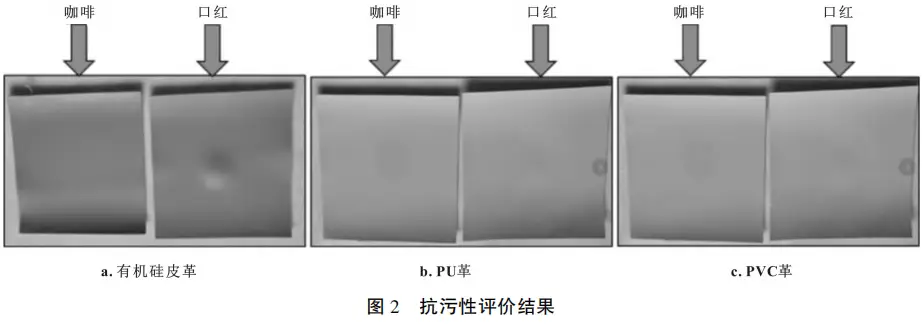
Silicone leather/PU/PVC stain resistance test
| Contaminating reagents | Silicone leather | PU | PVC |
| Coffee | 4~5 | 3 | 3 |
| Lipstick | 4~5 | 3 | 3 |
| 污染试剂 | 有机硅皮革 | PU | PVC |
| 咖啡 | 4~5 | 3 | 3 |
| 口红 | 4~5 | 3 | 3 |
Silicone materials have excellent weather resistance and chemical stability. Using silicone materials in seats and interior trim maintains good physical properties even after prolonged exposure to high temperatures. The chemical structure of silicone gives it UV and oxidation resistance, effectively resisting environmental damage, greatly extending the service life of the interior and reducing maintenance costs during vehicle use.
Superior tactile feel and comfort
Driving and riding comfort is one of the key indicators for measuring a car’s quality, and the tactile feel of interior materials directly affects comfort. Traditional leather materials often feel stiff, lacking softness and delicacy, making it difficult to provide users with a premium and comfortable experience.
![Image [1]-Silicone Leather for Automotive Interiors: Eco-Friendly, Durable, and Comfortable Upgrade Outperforming Traditional Leather for Safer Driving-Nleather](https://www.nleather.com/wp-content/uploads/2026/05/image-1-1024x203.png "– Nleather")
Resilience comparison test: Left: silicone leather; Middle: PU; Right: PVC
Silicone material offers a unique soft and smooth feel, creating a more comfortable and luxurious atmosphere inside the car. Some interior designs use silicone leather, whose delicate texture gives passengers a natural leather-like comfort when touched, enhancing the overall quality of the cabin. Moreover, the excellent breathability of silicone materials helps improve ride comfort and reduces stuffiness caused by long rides.
High security
In the event of a collision or similar accident, the safety of interior materials is crucial. Some traditional leather materials may release large amounts of toxic gases when burned; for example, PVC produces harmful gases like hydrogen chloride when burning, posing a serious threat to the lives of occupants.
Silicone materials have excellent flame retardant properties, effectively slowing the spread of fire, and produce less smoke and toxic gases during combustion.


No comments yet