

Improved wear resistance, antibacterial and anti-mold, zero VOCs emissions—silicone materials are reshaping the future of the leather industry
Driven by the dual goals of “dual carbon” goals and the awakening of consumers’ environmental awareness, the traditional leather industry is undergoing a profound material revolution. As the central player of this transformation, silicone materials, with their unique green attributes and performance advantages, are sparking a wave of technological innovation in the leather application field. From the latest patents of China FAW to the large-scale application at Guangzhou Baiyun Airport Terminal 3, silicone leather is permeating our daily lives at an unprecedented pace.
![Image [1]-Silicone leather enters a technological breakthrough: from car interiors to airport seats, the green revolution – Nleather-Nleather](https://www.nleather.com/wp-content/uploads/2026/07/20260726-162946-r3hjn-nleather-silicone-leather.png "20260726-162946-r3hjn-nleather-silicone-leather – Nleather")
New technological breakthroughs: comprehensive overcoming of performance bottlenecks
Traditional organosilicon combination finished leather Although it has inherent advantages such as environmental friendliness, weather resistance, and ease of cleaning, there is still room for improvement in key mechanical indicators like wear resistance. Recently, several domestic companies and research institutions have made a series of breakthrough progress in improving the performance of silicone leather.
China FAW Motor Corporation Limited disclosed an innovative patent (Publication No. CN121428838A) in January 2026, introducing modified nano-molybdenum disulfide into organosilicon synthesis finished leather to make the adhesive layer close finished leather It offers better wear resistance, toughness, and lubrication. This technological breakthrough directly addresses the pain points of silicone leather in high-wear applications such as automotive interiors. Using liquid silicone rubber as the main raw material, it does not release small molecules during production, fully aligning with current green development concepts.
Almost simultaneously, Sichuan Dawei Technology Co., Ltd. announced a patent for a “silicone rubber compound with long-lasting antibacterial and anti-mold properties.” This technology uses eugenol-modified MQ silicone resin to combine organosilicon finished leather The coating offers long-lasting and stable antibacterial and anti-mold properties, with no precipitation or contamination issues. This innovation greatly expands the application prospects of silicone leather in medical, home, and other fields with strict hygiene requirements.
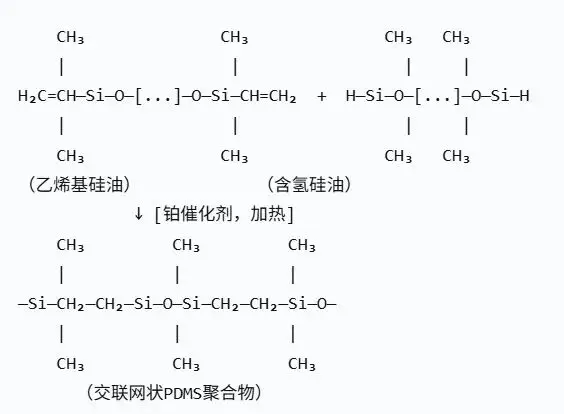
Hubei Xingfa Group started from the upstream of the industry chain, using super-branched silicone resin as a key reinforcing component to develop blended silicone rubber suitable for silicone leather. This unique highly branched three-dimensional molecular structure forms a three-dimensional network with high crosslinking density and uniform distribution during vulcanization, effectively enhancing the material’s mechanical properties and wear resistance.
In the field of recycled leather, a new patent (Publication No. CN121428732A) uses core-shell polymer emulsion technology, utilizing the synergistic toughening effect of elastic nuclei and silicone shell layers, allowing recycled leather to maintain a soft feel while presenting a uniform, long-lasting, low-reflective matte finish. This technology is also implemented cow leather The high-value resource utilization of scraps provides new ideas for the circular economy.
New application scenarios: from automotive interiors to aviation hubs
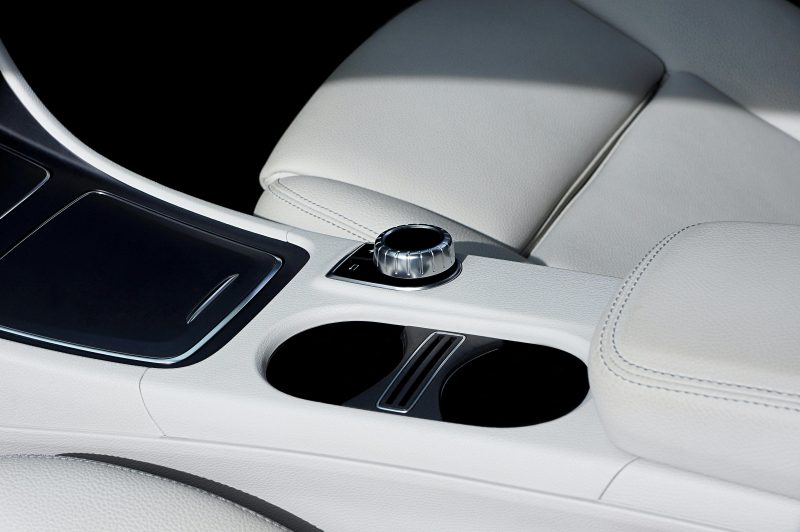
As technology continues to mature, the application scenarios for silicone leather are rapidly expanding. Automotive interiors have always been an important application area for silicone leather. FAW’s patent portfolio indicates that automakers are actively seeking more environmentally friendly and higher-performance interior material solutions. Silicone leather is naturally weather-resistant, low in volatility, and comfortable to the touch, enabling it to meet the stringent requirements of automotive interiors.
Recently, the application map of silicone leather has expanded to key national transportation hubs. Xingfa Group’s independently developed high-performance silicone leather material has been fully applied to sofas and seats in the public lounge area of Terminal 3 of Guangzhou Baiyun International Airport.
This project has extremely strict requirements for environmental protection, safety, and durability of interior decoration materials. Xingfa silicone leather uses high-quality inorganic silicone as raw material, fundamentally eliminating harmful substances such as plasticizers and heavy metals that may be present in traditional leather and PVC/PU materials, achieving zero VOC emissions and ensuring a clean and healthy indoor air environment in the terminal.
Going abroad has also become a new label for silicone leather. Silicone leather products produced by Transfar Group Xin’an Co., Ltd. are currently in mass production and have been shipped to countries such as Indonesia, Brazil, and Russia, used in automotive supporting products, sports equipment, and other fields.
Starting as a family workshop producing liquid soap in Xiaoshan, Transfar has grown into a global enterprise with operations in over 130 countries and regions. Its overseas expansion of silicone leather products is a vivid testament to its “brand going global” strategy.
Future Outlook: Green chemistry leads industrial upgrading
The rapid development of silicone leather reflects the firm steps the entire materials science field is taking toward green, high-performance directions. A recent study published in the journal Green Chemistry proposes an innovative technology based on ionic liquid capsules, which designs bio-based ionic liquids as non-toxic emulsifiers for silicone oil and encapsulates them in silica nanocapsules.
This multifunctional capsule simultaneously serves as a retanning agent, fatting agent, filler, and phase change material, achieving a 41.22% reduction in water usage, a 57.69% reduction in surfactant usage, a 29.3% decrease in energy input, and a low-temperature resistance of minus 20 degrees Celsius.
With increasingly stringent environmental regulations and growing consumer preference for green products, silicone leather is embracing unprecedented development opportunities thanks to its eco-friendly properties throughout its entire lifecycle. From independent control of upstream raw materials, to midstream technological innovation breakthroughs, and then to the continuous expansion of downstream application scenarios, the silicone leather industry chain is working in tandem to promote this green material into more national key projects and livelihood projects, vividly illustrating the concept of “green chemicals creating a better life.”

No comments yet