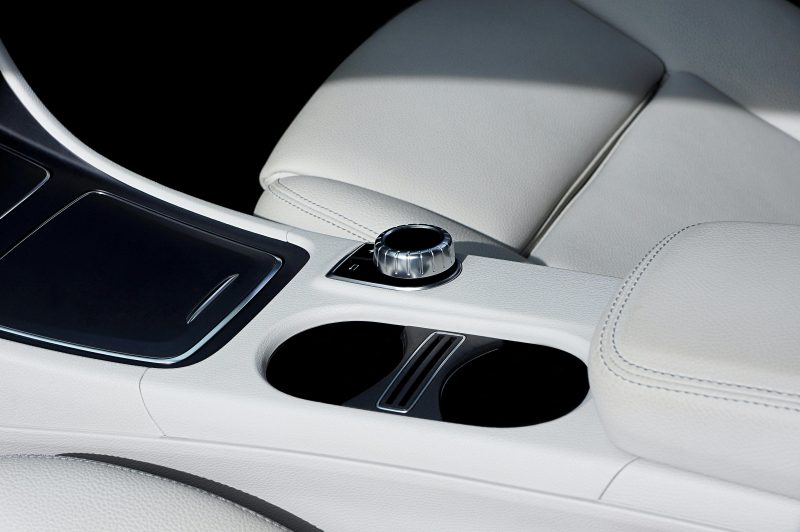


Automotive interior fabrics refer to materials used in seats, door panels, headliners, and other automotive components, including textiles, genuine leather, artificial leather and other materials. Based on material, weaving process, functional characteristics, and application scenarios, multidimensional classification is possible. :
![Image [1]-Automotive Interior Fabrics: From Genuine Leather to Silicone Leather, Classification by Material, Weaving, and Function for Car Seats and Interiors-Nleather](https://www.nleather.com/wp-content/uploads/2026/06/3、pexels-mikebirdy-1633601-1024x680.jpg "3、pexels-mikebirdy-1633601 – Nleather")
1. Classification by material
(1) Natural fibers
- Cotton-linen fabrics (such as canvas and twill): Breathable and environmentally friendly, but less wear-resistant, mostly used for seats or door panels in economy vehicles;
- Wool fabric: Highly insulating, with a full-bodied suede surface, commonly seen in winter seat cushions in luxury vehicles;
- Linen fabric: Moisture-permeable and antibacterial, suitable for summer seat cushions.
(2) Chemical fibers
- Synthetic fibers:
- Polyester (PET): wear-resistant, corrosion-resistant, low cost, widely used in carpets and seat fabrics;
- Nylon (nylon): high tensile strength, used for seat belts and floor mats;
- Acrylic: Good wool-like effect, bright colors, mostly used for winter seat cushions;
- Spandex: Highly elastic, used for parts requiring stretching (such as seat covers).
- Recycled fibers: such as viscose fibers, which are environmentally friendly and biodegradable, used in eco-friendly interiors.
- Inorganic fibers: such as glass fibers and metal fibers, used in special functional components (such as soundproof mats).
(3) Leather and imitation leather
- Leather:
- Top-layer leather: retains the natural texture, used for luxury car seats and steering wheels;
- Two-layer leather/suede: breathable but difficult to maintain, used for sports cars.
- artificial leather:
- PVC leather: low cost but feels hard to the touch and has a strong odor;
- PU leather: soft and aging-resistant, replacing PVC as the mainstream;
- Ultra-fiber PU leather: performance close to genuine leather, highly durable, used in mid-to-high-end models.
(4) Composite materials
- Multi-layer composite fabrics: such as a three-layer structure of “knitted fabric + sponge + non-woven fabric,” used for headliners, providing both sound and heat insulation;
- Natural fiber-reinforced composite materials: lightweight and environmentally friendly, used for seat backs.
2. Classification by weaving process
| Process types | Features | Application scenarios |
| Woven fabrics | Interwoven warp and weft threads, tight structure, abrasion-resistant, and anti-static | Seats, door panels, headrests (dominant) |
| Knitted fabric | Good elasticity, soft, divided into warp knit (door/roof) and weft knitting (seat cushion covers) | Headliner and seat cushion covers |
| Nonwoven fabric | Fibers are bonded directly, environmentally friendly and flexible in shaping and assembly | Top-grade base material, soundproof mat |
| Fabrics that meet the craftsmanship requirements | Flame or adhesive fit enhances functionality | Ceiling and lining |
3. Classification by functional characteristics
- Breathable fabric: contains natural fibers or special woven structure to enhance ride comfort;
- Waterproof fabrics: coated (such as TPU), used for floor mats and lower door panels;
- Flame-retardant fabrics: added flame retardants (such as aramid), meeting safety standards (such as GB/T 26356-2011);
- Abrasion-resistant fabrics: high-strength fibers (such as nylon) used in high-frequency contact components (seats, armrests);
- Eco-friendly fabric: recycled fiber/bio-based materials, compliant with automotive VOC emission standards.
4. Classification by market positioning
- High-end luxury car fabrics: genuine leather, microfiber PU, wool blends, emphasizing texture and customization;
- Mid-range family car fabrics: PU leather, polyester knitted velvet, balancing cost and comfort;
- Economy car fabrics: synthetic fiber woven fabrics, nonwoven fabrics, focusing on practicality and cost control.
5. Classification by application component
| Components | Common fabric types |
| Seats | High-end products: microfiber PU leather, silicone leather; Mid-range products: knitted velvet fabric; Economical products: polyester woven fabric |
| Ceiling | Non-woven fabric, knitted composite fabric (lightweight + soundproofing) |
| Door panels, dashboards | Silicone leather/PU/PVC coating, imitation chamois leather (Otelan) |
| Carpet | Polyester needle-punched carpet, PA tufted carpet (wear-resistant + easy to clean) |
| Airbag cover | Polyester elastomer fabric (high elasticity + low friction) |
With the global trend of energy conservation and environmental protection, the application and development of automotive materials have always revolved “Green, lightweight, and functional” In this major direction, the functional demands for materials are also developing toward “ultra-high performance, intelligence, high added value, green and low-carbon, multifunctional.“
Compared to traditional textiles for clothing, the functional requirements for automotive interior fabrics Automotive interior textile materials not only require aesthetics and decorative qualities but also certain functional qualities , with special requirements for both appearance and materials. This is mainly reflected in the following aspects:
Waterproof, oil-proof, and stain-resistant functions
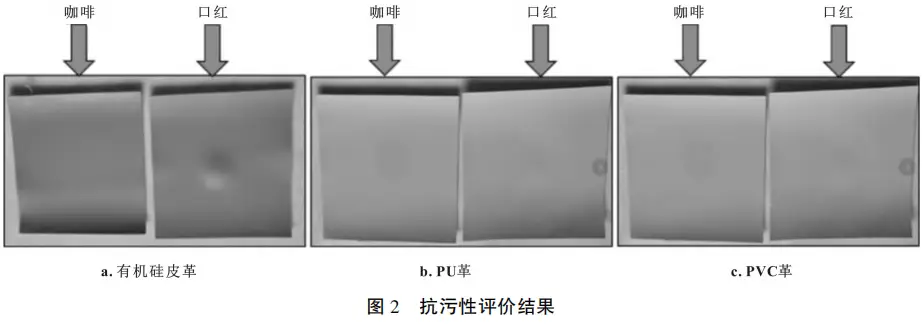
Automotive decorative fabrics fixed inside the car often accompany the entire lifespan of the vehicle. Unlike clothing, car seat covers and interior blankets are not washed regularly, so interior fabrics need to be treated with three-proof finishing agents to give the fabric waterproof, oil-proof, and stain-resistant properties.
![Image [2]-Automotive Interior Fabrics: From Genuine Leather to Silicone Leather, Classification by Material, Weaving, and Function for Car Seats and Interiors-Nleather](https://www.nleather.com/wp-content/uploads/2026/06/image-223-1024x474.png "image – Nleather")
Airbag fabric performance
Airbags are an important component of a car’s passive safety system. Automotive airbags are available in various types such as driver, passenger, side, and knee airbags, each placed in different positions.
Airbags are required to have excellent impact strength; Environmental durability; Maintains strength during long bending; High temperature resistance; Lightweight, thin, and soft; Low frictional resistance.
The high strength and low breathability of airbag bags are key to meeting usage requirements. Therefore, in weaving techniques, weaves are mostly made of plain weave tightly knitted structures, with floating and short weave lengths, stable structure, low breathability, and high fabric strength.
![Image [3]-Automotive Interior Fabrics: From Genuine Leather to Silicone Leather, Classification by Material, Weaving, and Function for Car Seats and Interiors-Nleather](https://www.nleather.com/wp-content/uploads/2026/06/image-224-1024x562.png "image – Nleather")
Dye fastness performance
The dye fastness requirements for automotive seat fabrics include sun exposure, water immersion, sweat, and abrasion.
Because the front windshield of a car is highly tilted, the seat is exposed to sunlight for long periods, so seat textiles should have good color fastness to sunlight. Because the area of contact between drivers and passengers is large over long periods, they may be affected by sweat or soaked by water. Therefore, good color fastness to abrasion, sweat stains, and water immersion should be basic requirements for automotive seat fabrics.
![Image [4]-Automotive Interior Fabrics: From Genuine Leather to Silicone Leather, Classification by Material, Weaving, and Function for Car Seats and Interiors-Nleather](https://www.nleather.com/wp-content/uploads/2026/06/image-225-1024x506.png "image – Nleather")
Anti-static properties
Chemical fiber products are prone to static electricity. For automobiles, interior fabrics need anti-static finishing to increase the surface hydrophilicity, preventing static electricity buildup and avoiding dust adsorption caused by static electricity, which can cause discomfort or even fires.
Flame retardancy
Automotive interior materials must have excellent flame-retardant properties and provide drivers and passengers with a certain amount of time to survive and escape. Various fibers may be used in automotive textile materials, each with different compositions and chemical structures, as well as differences in thermal and combustion properties.
Anti-atomization performance
Since automotive interior materials require various treatments before use, finished interior materials often contain many volatile low molecular substances. When these substances volatilize when heated, they create a phenomenon called “rime” on the car windows, seriously affecting the visibility of drivers and passengers.
To address this issue, by selecting appropriate automotive interior materials and adopting anti-atomization treatment technology, the generation and evaporation of volatile substances can be effectively reduced, thereby decreasing the occurrence of rime ice and ensuring the health, safety, and comfort of drivers and passengers.

No comments yet