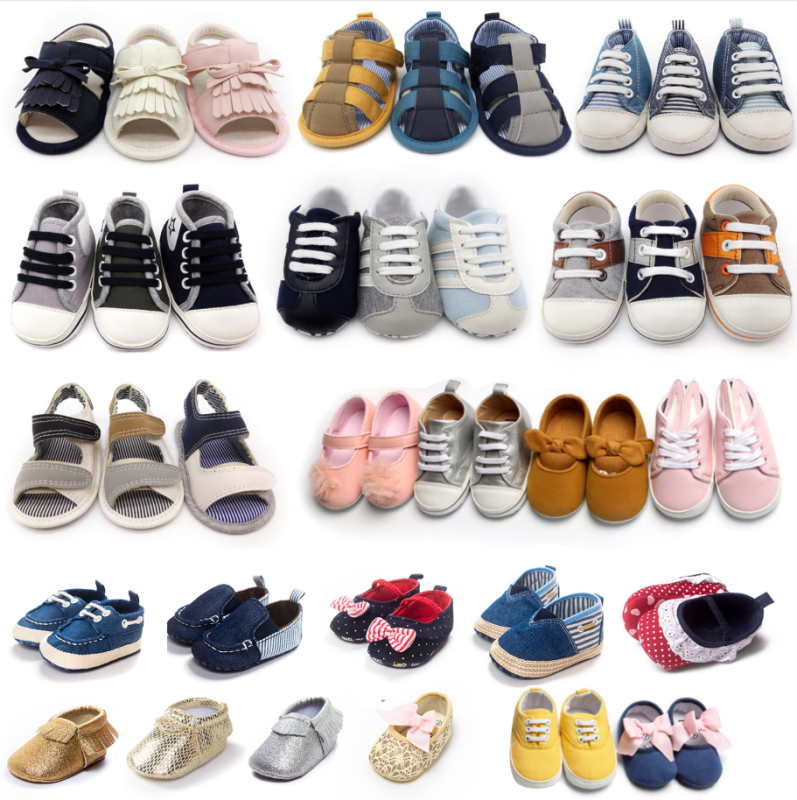


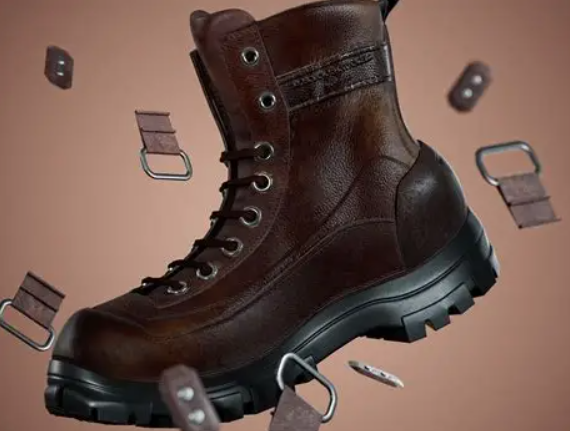
Common soles and upper materials for children’s shoes, what are their advantages and disadvantages, and how to choose. Besides uppers and soles, there are various materials such as lining, putting on and taking off methods, insoles, foam, and Gangbao. Materials are just the foundation; what truly determines the quality of a pair of shoes is the combination of “materials science + ergonomics + different scenarios + different genders + different categories.” There is no absolute “good” or “bad” in materials, only “suitability.” The same material name does not represent the same quality.
![Image [1]-How to Choose Materials for Children's Shoes: Comparing EVA, Rubber, PU, Microfiber and Silicone Leather with Pros and Cons-Nleather](https://www.nleather.com/wp-content/uploads/2026/06/image-221.png "image – Nleather")
How to choose sole materials?
The sole is the “base” of children’s shoes, directly determining slip resistance, shock absorption, wear resistance, and weight.
Behind the material’s “softness” and “weight” lies ergonomic considerations
The same piece of EVA material can be made with two hardness levels:
| Hardness range | Features | Suitable for the scene |
| Hardness of 43-48° | Softer, lighter, with high resilience, it reduces the ground’s reaction force on the foot and effectively relieves compensatory pressure on joints such as the knees. | Categories of sports such as running and leisure |
| 50-55° hardness | Enhances stability and support, effectively prevents inversion or valgus during high-intensity exercise, fixes the angle of foot movement, and reduces foot injuries | Outdoor sports scenes, basketball, and other sports scenes |
Hardness is not always better the softer, nor is it always harder. “Soft and elastic” enhances sole comfort and sense of speed, relieving foot fatigue and releasing athletic energy; “Increased Hardness” strengthens sole stability and support, reducing foot sprains during exercise. Select suitable functional materials according to different wearing scenarios.
![Image [2]-How to Choose Materials for Children's Shoes: Comparing EVA, Rubber, PU, Microfiber and Silicone Leather with Pros and Cons-Nleather](https://www.nleather.com/wp-content/uploads/2026/06/image-222.png "image – Nleather")
Quick reference table for sole material performance
| Materials | Lightness | Softness | Wear resistance | Vibration absorption and cushioning | Slip resistance |
| EVA-43-48° | 5 stars | 5 stars | 2 stars | 5 stars | 2 stars |
| EVA-50-55° | 4 stars | 4 stars | 4 stars | 4 stars | 2 stars |
| Ordinary rubber | 2 stars | 2 stars | 5 stars | 2 stars | 4 stars |
| Anti-slip rubber | 2 stars | 2 stars | 5 stars | 2 stars | 5 stars |
| TPR | 2 stars | 2 stars | 4 stars | 2 stars | 4 stars |
| Air cushions, TPU, carbon fiber | 3 stars | 1 star | 4 stars | 5 stars | 3 stars |
Note 😛 HYLON (also known as MD) and IP substrates are both made of EVA material, differing only in molding processes.
How to choose upper materials?
The upper of the shoe comes into direct contact with the child’s foot, determining breathability, comfort, wrapping, and durability.
Different materials correspond to different body feels—the “ergonomics” of upper materials
The upper material is not just about “breathability”; it determines the following:
- Wrapping feel: When the child puts them on, is their foot securely wrapped or loose?
- Friction: Whether your feet slip or rub inside your shoes while running
- Temperature and humidity: Breathability and moisture absorption determine whether your feet stay dry or damp after a full day of wear
Genuine leather
- Advantages: Best breathability, moisture-wicking, soft and skin-friendly
- Disadvantages: High price, not environmentally friendly (animal protection), peel strength lower than microfiber, easily cracked, and prone to deformation when wet
- Suitable occasions: leather shoes, ceremonial shoes, autumn/winter shoes
- Not suitable for: sports scenes, wearing on rainy days
Reminder Genuine leather is a good material, but don’t mythologize it. Good genuine leather is expensive, while cheap genuine leather may be made from two-layer or shredded leather, and its quality is not as good as good ultrafiber. Don’t blindly place orders just because of the word “genuine leather.”
Ultrafiber
- Advantages: Texture close to genuine leather, resistant to bending and less prone to creases, better wear resistance than ordinary PU leather, higher peel strength than genuine leather, more resistant to kicks, and easy to clean
- Disadvantages: Breathability is not as good as genuine leather, and quality varies (good microfiber can be processed with micropores to increase breathability while ensuring breathability but not water).
- Suitable scenarios: everyday wear, sneakers, sneakers
Reminder : Ultrafiber is currently the most cost-effective upper material—cheaper than genuine leather, more durable than PU, and more resistant to kicking than genuine leather. But there is a big gap between good and poor ultra-fiber. High-wear microfiber can withstand folding over 50,000 times, while ordinary microfiber only needs 10,000 to 20,000 folds.
PU leather
- Advantages: Affordable price, can create delicate and smooth shapes
- Disadvantages: poor breathability, not durable, prone to aging and cracking
- Suitable scenarios: low-priced children’s shoes, occasional ceremonial shoes
- Not suitable for: Frequently worn daily or sports scenes
Reminder 😛 U-leather looks very similar to ultrafiber, but their durability is much worse. A pair of ultra-fiber shoes is three times or even more durable than ordinary PU shoes. I’d rather buy one less pair than the ultra-fiber ones.
Silicone leather
- Advantages: The texture is close to genuine leather, resistant to twists, wear-resistant, easy to clean, also resistant to mold and bacteria, very breathable, odor-free, and non-allergenic
- Disadvantages: The price is slightly higher compared to PU
- Suitable scenarios: daily wear, sports scenes
Sports Leather (Space Leather)
- Advantages: The surface layer is dense and wear-resistant, with high strength and good support
- Disadvantages: Not as flexible as microfiber, the material is harder and less breathable, suitable only for support parts like the toe, heel, and eyelets. If too much material is used on the shoe body, it affects comfort and weight, and long-term flexing can easily cause creases
- Suitable scenarios: daily commuting sports shoes, student fitness running shoes, children’s high-frequency sports shoes, basic outdoor casual shoes (support parts such as toe, heel, and eyelet pieces of the above shoes)
- Not suitable for: lightweight racing shoes, wading outdoor shoes, casual shoes
Mesh fabrics
- Advantages: Best breathability, lightweight
- Disadvantages: Insufficient support, not wear-resistant, easily gets dirty
- Suitable scenarios: summer sandals, sneakers, indoor shoes
Canvas/cloth shoes
- Advantages: Lightweight, breathable, and inexpensive
- Disadvantages: The upper is boneless If wet, it can’t dry quickly, and without support, it’s unfriendly for arch development and hard to wash thoroughly
- Suitable occasions: Occasional wear is fine
- Not suitable for: Everyday staple shoes
Reminder : In some local customs, “cloth shoes are good for children’s feet”—this concept needs to be updated. Cotton clothes can be changed when wet, but shoes that get wet have to be worn by the child all day. Cloth shoes have no heel support, no arch protection, no bones upper, weak wrapping, and are not suitable for long walks or running. Occasional wear is fine, but not recommended as a daily staple shoe.
Combined application of materials + ergonomics + scenarios + gender + categories
Matching logic for different scenarios× categories× materials
| Scene | Recommended categories | Sole material | Upper materials | Key points of ergonomics |
| Early Walking Stage (Indoor) | Walking shoes | cow leather Soft fuzz | Genuine leather, mesh fabric, silicone fabric | Foot sole sensation prioritizes, lightweight, soft, and unrestrictive |
| Everyday kindergarten | Sneakers, sneakers | TPR, rubber patches, EVA | Microfiber, mesh fabric, organosilicon | Wear-resistant and breathable, allowing for easy movement |
| Outdoor campus running and jumping | Professional sneakers | Rubber outsole + MD midsole | Space sports leather, microfiber, mesh fabric, silicone | Cushioning + anti-slip + stable support |
| On formal occasions | Ceremonial shoes | TPR\PU\rubber | Leather, microfiber, organosilicon | Attractive and comfortable |
| Wading in the rain | Rain boots, wading boots | Rubber, TPR | Microfiber, organosilicon | Waterproof and slip-resistant |
Different genders × categories × matching logic for materials
| Gender | Foot shape characteristics | Recommended categories | Material considerations | The reason |
| Boy | High activity level, many legs, and relatively wide angles | Mainly sports shoes | The upper is preferably made of mesh, silicone (breathable) + microfiber, silicone (fold-resistant) + space sports leather (kick-resistant), with rubber outsoles preferred | Boys run and jump a lot, so they have higher demands for wear resistance, breathability, and slip resistance |
| Girl | Feet are slim, aesthetically sensitive, and sensitive | Sneakers + ceremonial shoes combination | Sneakers are the same and correct as boys; Ceremonial shoes can be made of genuine leather, microfiber, or silicone | Girls also exercise a lot, so the standard for sports shoes should not be lowered; Ceremonial shoes balance comfort and aesthetics |
Reminder : Girls are not “just about pretty shoes.” Girls also need to run, jump, and exercise, so the standard for daily sneakers cannot be lowered. However, in special settings like ceremonial shoes and princess shoes, they can balance aesthetics and comfort. Don’t sacrifice the safety of her feet during exercise just because “girls want to be pretty.”
Different categories × core key materials
| Category | Core ergonomic requirements | Key material points |
| Exercise a bit | Anti-slip, cushioning, and stable | Sole: rubber outsole + MD midsole; Upper: mesh, silicone leather breathable + microfiber, silicone fold-resistant breathable + sports space leather kick-resistant |
| Sneakers | Flat bottom, wrapped | Soles: rubber, PTR; Upper: Microfiber, genuine leather, silicone leather; heel must be firm |
| Leather shoes, ceremonial shoes | Fits well, doesn’t slip off | Sole: TPR; Uppers: genuine leather, microfiber, silicone leather, must have straps |
| Sandals | Wraps the toes and prevents slipping | Soles: TPR, rubber; Upper: Microfiber, silicone, with toe closure at both front and back |
| Walking shoes | Light, soft, and perceptible | Sole: EVA; Uppers: genuine leather, silicone leather, mesh; The forepaw can be bent |
| Clog shoes | Occasionally wading through water | One-piece molding, non-breathable, non-wrapping, not recommended for daily wear |
| Boots | Joint protection | Soles: rubber, TPR; The shoe leg should not be too high, and the heel should be stiff |
Choose by age group + scene combination
| Age group | A staple for daily use | Sports equipment | Sole material | Upper material | Key ergonomics |
| 0-1 year old (not yet steady) | Barefoot is the main focus | walking shoes (occasionally) | Handmade soft sole / EVA | Genuine leather, silicone leather, mesh | Plantar nerve sensing is unbound |
| Ages 1-3 (toddler stage) | Walking shoes, steady walking shoes | Ceremonial shoes (occasional) | EVA/TPR | Microfiber, silicone leather, mesh | Heel hardness, forefoot flexion |
| Ages 3-6 (Running and Jumping Stage) | Sneakers | Fitness training shoes | Rubber outsole + EVA midsole | Microfiber, silicone leather, mesh | Shock absorption, stability, slip resistance, and breathability |
| Ages 6-12 (school age) | Sneakers, sneakers | Professional sneakers | Ceremonial shoes: rubber outsole + MD midsole | Microfiber, silicone leather, mesh | Scenario classification and professional adaptation |
Summary
| Materials | Summary |
| EVA | Lightweight, cheap, suitable for indoor use, not abrasion-resistant or slip-resistant, suitable for midsole |
| Rubber | Non-slip and wear-resistant, suitable for outdoor use, relatively heavy, often combined with EVA |
| TPR | An affordable alternative to rubber, offering high cost performance |
| PU | Lightweight, well-rebounded, suitable for sneaker midsoles |
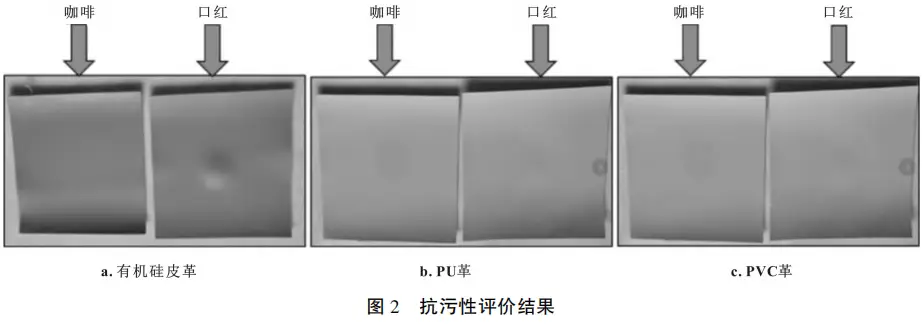
| Silicone leather | Mold and bacteria resistant, stain-resistant, bend-resistant, breathable, wear-resistant, with outstanding overall performance |
| Genuine leather | Breathable and comfortable, expensive, delicate, and easily torn |
| Ultrafiber | High cost-performance, wear-resistant and easy to maintain |
| Sporty space leather | Wear-resistant, good support, only suitable for left toe and heel |
| PVC | Cheap, breathable, not durable, and has a bad smell—try to avoid them |
| Mesh fabric | Breathable, suitable for summer and sneakers |
| Canvas/cloth shoes | No water drainage, no support, not recommended for daily use |

No comments yet