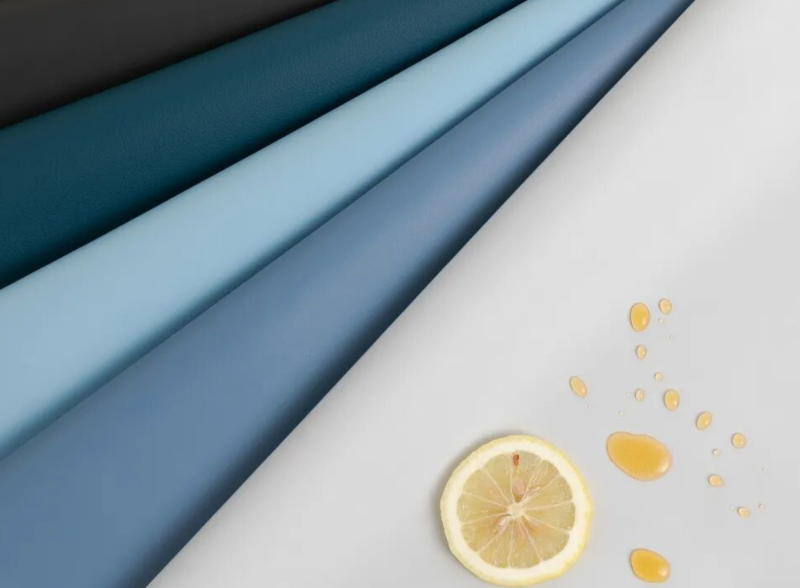


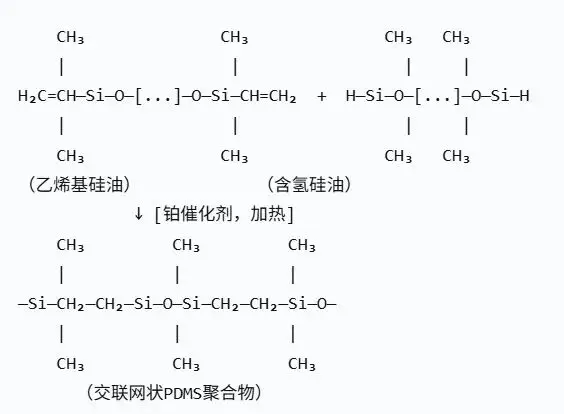
Silicone is a type of silicone gel , it is the most numerous, most deeply studied, and most widely used category among organosilicon compounds, accounting for more than 90% of total usage. Silicone has outstanding performance Heat resistance, weather resistance, stain resistance, flame retardancy, low surface energy …..
Silicone leather is a new type of eco-friendly leather, made from silicone as the raw material. This new material is combined with microfibers, nonwoven fabrics, and other substrates, and is processed and manufactured, suitable for various industry applications. Silicone leather uses solvent-free technology, coating and bonding silicone onto various substrates to produce leather. It belongs to the new materials industry developed in the 21st century. As an environmentally friendly new material, silicone is an important component in many new eco-friendly materials, such as silicone leather, which inherits the superior properties of silicone.
![Image [1]-Silicone Leather Explained: Is It Truly Eco-Friendly and Superior to Traditional PU, PVC, and Genuine Leather in Terms of Safety, Durability, and Environmental Benefits for Various Industries-Nleather](https://www.nleather.com/wp-content/uploads/2026/06/image-215-1024x753.png "image – Nleather")
Characteristics and application fields of silicone leather
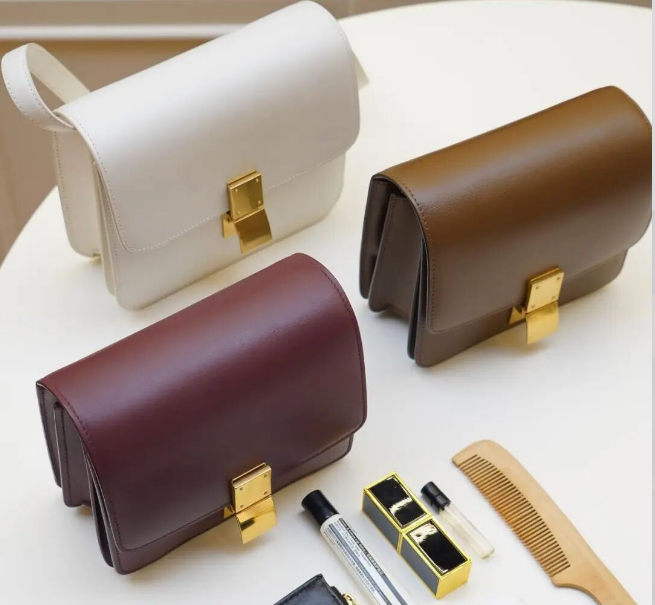
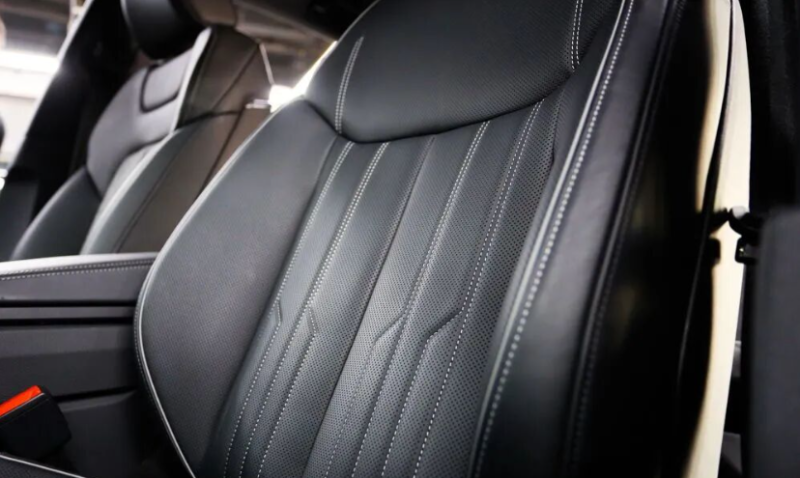
It has advantages such as breathability, hydrolysis resistance, weather resistance, environmental protection, flame retardancy, easy cleaning, wear resistance, and bending resistance. It can be applied in furniture and furniture, yachts and ships, upholstery decoration, automotive interiors, public outdoor, sports goods, footwear, bags, apparel, medical devices, and other fields
![Image [2]-Silicone Leather Explained: Is It Truly Eco-Friendly and Superior to Traditional PU, PVC, and Genuine Leather in Terms of Safety, Durability, and Environmental Benefits for Various Industries-Nleather](https://www.nleather.com/wp-content/uploads/2026/06/image-216-1024x674.png "image – Nleather")
Structure of silicone leather
The surface layer is coated with 100% silicone material, the middle layer is 100% silicone adhesive, and the base layer is various base fabrics.
![Image [3]-Silicone Leather Explained: Is It Truly Eco-Friendly and Superior to Traditional PU, PVC, and Genuine Leather in Terms of Safety, Durability, and Environmental Benefits for Various Industries-Nleather](https://www.nleather.com/wp-content/uploads/2026/06/image-217-1024x686.png "image – Nleather")
Advantages and disadvantages of silicone leather
![Image [4]-Silicone Leather Explained: Is It Truly Eco-Friendly and Superior to Traditional PU, PVC, and Genuine Leather in Terms of Safety, Durability, and Environmental Benefits for Various Industries-Nleather](https://www.nleather.com/wp-content/uploads/2026/06/image-218-1024x662.png "image – Nleather")
Advantages:
1. Safe and environmentally friendly; both the production process and usage are green and environmentally friendly products;
2. Silicone materials have excellent aging resistance, ensuring they will not deteriorate over time;
3. Transparent raw rubber with stable gel properties, ensuring bright colors and excellent color fastness;
4. Soft, smooth, delicate, and elastic to the touch;
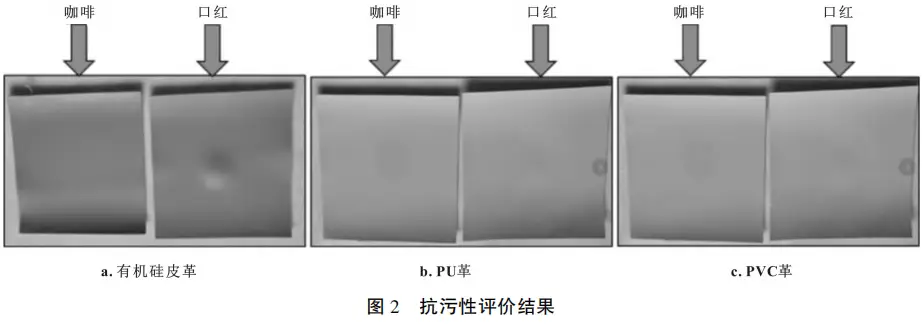
5. Waterproof and stain-resistant, resistant to both high and low temperatures;
6. Simplified production process.
![Image [5]-Silicone Leather Explained: Is It Truly Eco-Friendly and Superior to Traditional PU, PVC, and Genuine Leather in Terms of Safety, Durability, and Environmental Benefits for Various Industries-Nleather](https://www.nleather.com/wp-content/uploads/2026/06/image-219-1024x673.png "image – Nleather")
Disadvantages:
1. The leather surface layer is slightly weaker than PU compound finished leather ;
2. Raw material prices are slightly higher.
![Image [6]-Silicone Leather Explained: Is It Truly Eco-Friendly and Superior to Traditional PU, PVC, and Genuine Leather in Terms of Safety, Durability, and Environmental Benefits for Various Industries-Nleather](https://www.nleather.com/wp-content/uploads/2026/06/image-220-1024x616.png "image – Nleather")
Where is silicone leather good?
Differences between silicone leather and PU, PVC, and genuine leather:
Leather: Combustion itself produces no harmful gases, but the leather processing uses large amounts of aniline dyes, chromium salts, and other chemical agents. During combustion, nitrogen compounds (nitric oxide, nitrogen dioxide) and sulfur dioxide are released, and some harmful and irritating gases are produced, making the dermis prone to cracking.
PU leather: Combustion produces harmful and strongly irritating plastic odors such as hydrogen cyanide, carbon monoxide, ammonia, and nitrogen compounds (such as nitric oxide and nitrogen dioxide).
PVC Leather: The combustion process, like the production process, produces dioxins and hydrogen chloride. Dioxins and hydrogen chloride are highly toxic substances that may cause cancer and other diseases, producing strong plastic odors (mainly from solvents, coating agents, fattering agents, plasticizers, and anti-mold agents).
Silicone leather: No harmful gas is released, and the combustion process is fresh and odorless.
Therefore, compared to traditional leather, silicone leather has advantages in hydrolysis resistance, low VOC levels, odorlessness, and environmental friendliness.




No comments yet