

Common materials
MD: MODEL or PHYLON (a general term for flying dragons); PHYLON: Commonly known as Feilong, it is a material used for shoe soles. It is generally used for shoemaking midsoles, made from heated compressed EVA foam (a type of EVA secondary high-pressure molded product). It is lightweight, has good elasticity and shock resistance, and its hardness is controlled by the foaming temperature.
EVA: Ethylene Vinyl Acetate – Ethylene Resin Acetate Fiber. Lightweight, elastic chemical synthetic materials, outsole materials, often sold in collaboration with RB, priced depending on the material. Plus, with the combined labor and glue fees, it totals about 20 yuan. Composites are also used in this process, called foaming. The price is negligible, but factory calculations will definitely add costs. Therefore, MD soles always contain EVA, and MD soles are also called PHYLON soles. For example, MD = EVA + RB or EVA + RB + TPR, and some shoes use RB + PU, etc
RB: Rubber, or rubber. RB soles have excellent wear resistance, stable shrinkage, and good flexibility, but they are heavy and are generally used for outsoles.
![Image [1]-Common Materials for Shoemaking: A Complete Guide to EVA, PU, TPU, Rubber and Other Shoe Sole Materials-Nleather](https://www.nleather.com/wp-content/uploads/2026/06/image-142.png "image – Nleather")
TPU: It is mostly used for shoe soles, especially running shoes, and can also be used for uppers and accessories. TPU is relatively expensive. TPU is divided into natural rubber and synthetic rubber. Natural rubber mainly comes from the three-leaf rubber tree, while synthetic rubber is synthesized by artificial methods, using different raw materials (monomers) to produce different types of rubber. Cis-butadiene rubber and styrene-butadiene rubber are the most widely produced general-purpose synthetic rubbers.
PU: Polyurethane is a polymer polyurethane synthetic material; PU refers to leather, and there are many types of surface materials. Selling by size, some are expensive, some are cheap, basically not expensive, and there are also PU bases, which are rarely used for foreign trade orders. PU is a high-density, durable material based on foam rubber, with high density and hardness, good wear resistance and elasticity, but strong water absorption, easy breakage, and prone to yellowing. PU is commonly used in the midsole or heel midsole of basketball and tennis shoes, and can also be directly used as the outsole of casual shoes.
PVC: Polyvinylchloride is a widely used synthetic material worldwide today. PVC is also leather, a cheap product, but there are also high-end versions. Most are cheaper, oil-resistant, wear-resistant, and have good insulation, but poor slip resistance, cold resistance, poor fold resistance, and poor breathability.
TPU: Thermoplastic Polyurethane, a thermoplastic polyurethane elastomer, is a linear polymer material. The advantage of TPU is good elasticity, but it is heavy and has poor shock absorption. Commonly used for jogging, walking, and casual shoes with midsoles.
TPR: Thermoplastic rubber, thermoplastic elastomer, also known as thermoplastic rubber. TPR and RB differ by more fragrant and priced similarly, with a difference of 0.5 yuan between the top and bottom. It combines the high strength and high resilience of rubber with injection molding properties, featuring multiple characteristics such as being environmentally friendly and non-toxic, having a wide hardness range, excellent colorability, soft touch, fatigue resistance, good temperature resistance, and superior processing performance. It can be molded by secondary injection molding or by standalone molding, but its wear resistance is relatively poor.
TR: Synthetic materials made from TPE and rubber feature a variety of appearances, good tactile feel, bright colors, high finish, and advanced technical content. They are 100% recyclable, making them environmentally friendly outsole materials.
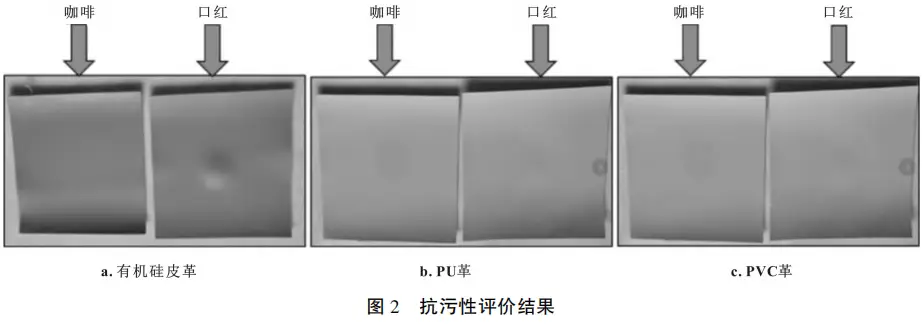
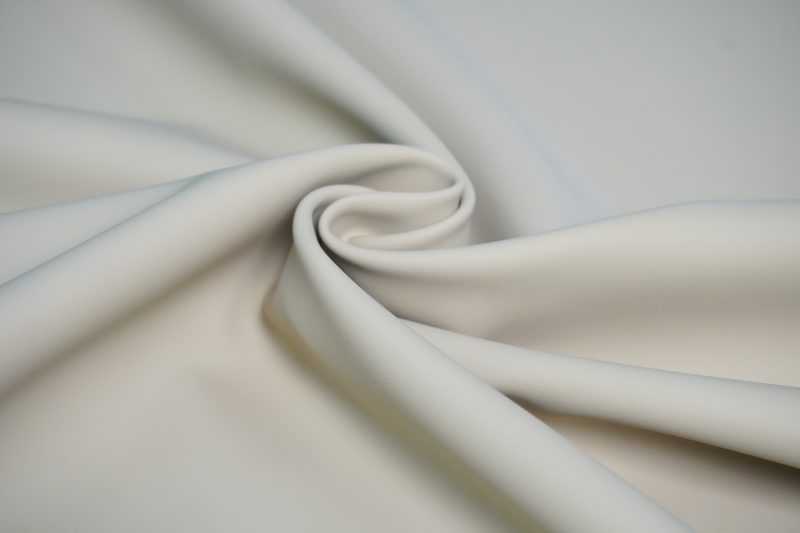
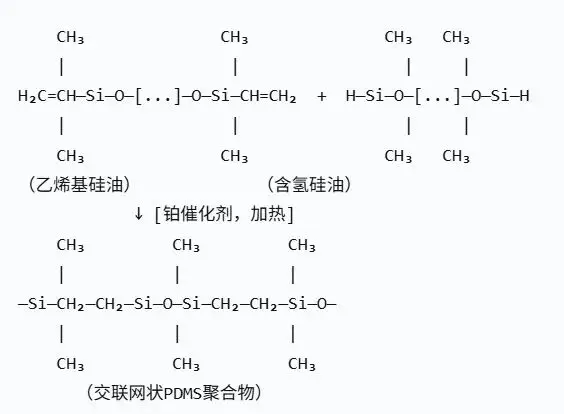
Silicone leather: silicone leather, solvent-free material, more friendly to the human body and environment, especially suitable for children’s shoes, sports shoes, etc. It features breathability and waterproofing, a skin-friendly touch, abrasion and scratch resistance, long-lasting durability, mildew and bacteria resistance, hygiene and easy cleaning, strong weather resistance, and adaptability to various environments.
![Image [2]-Common Materials for Shoemaking: A Complete Guide to EVA, PU, TPU, Rubber and Other Shoe Sole Materials-Nleather](https://www.nleather.com/wp-content/uploads/2026/06/1742342699451.png "1742342699451 – Nleather")
Identification and characteristics of the material soles
PU is the lightest and most wear-resistant. PU soles are easy to recognize and feel light in hand, with round holes on the back of the sole. PVC soles feel heavier in hand than TPR. TPR soles have better elasticity than PVC ones, so the sole naturally falls off. If it can bounce up, it’s TPR. PVC soles are cheaper than TPR but of poor quality, especially in winter, where they easily break. A characteristic of PVC soles is that they lack injection holes, have odors, and if left for a long time, they may develop white substances. TR soles have very glossy surfaces and are harder than regular TPR soles. TR has more injection holes than TPR ones, which are quite special.
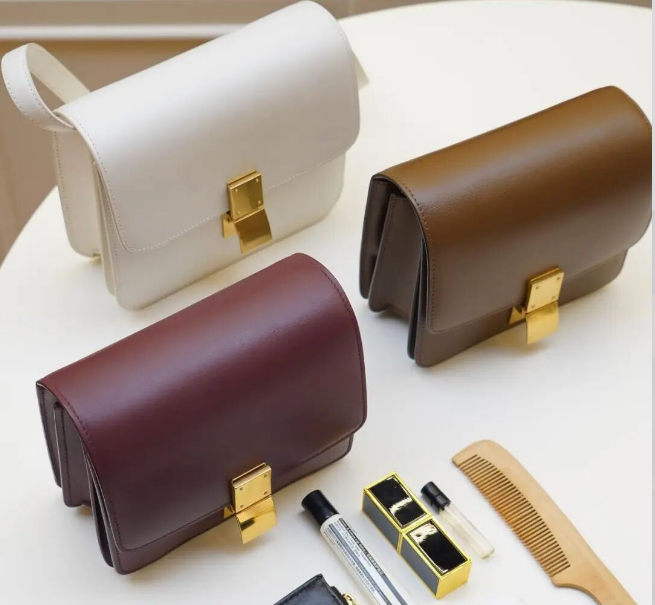
RUBBER is the heaviest, PU and EVA are the lightest; Materials: PU is expensive, EVA and TPR are moderate, PVC is the cheapest; In terms of process: TPR is molded after production, while PVC requires processing. ABS is generally used for high heels, which is expensive and hard; Applications: PVC is mostly used in linings or parts that do not bear weight, or in making children’s shoes; PU leather can be used for footwear fabrics or areas that bear weight. For bags, PVC leather is more commonly used. This is because the items inside the bag are different from the feet worn inside the shoes and do not emit heat; No need to bear personal weight.
![Image [3]-Common Materials for Shoemaking: A Complete Guide to EVA, PU, TPU, Rubber and Other Shoe Sole Materials-Nleather](https://www.nleather.com/wp-content/uploads/2026/06/image-141.png "image – Nleather")

No comments yet