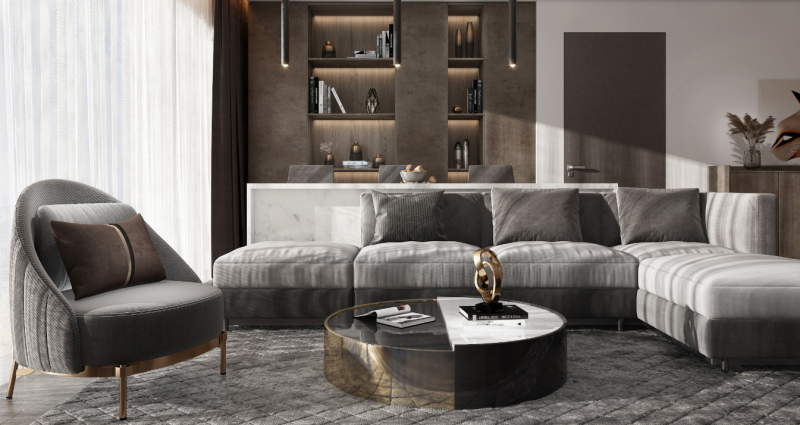


Homes with leather elements often carry a nostalgic yet striking sense of luxury, and their texture and texture help enhance the appearance and comfort of the space. Therefore, leather elements have become one of the most commonly used soft furnishing elements in modern fashionable homes. But sometimes most households notice the smell of leather furniture. So, could this smell be formaldehyde? Although the smell of leather is not necessarily caused by formaldehyde, some leather products do carry formaldehyde risks and are one of the sources of indoor air pollution. Odors don’t necessarily come from silicone leather, nor is there a need to be overly alarmed by high-quality genuine leather, but you should remain highly vigilant about inferior leather products (especially those with pungent odors). , But PU/PVC leather does need attention.
![Image [1]-Does Leather Furniture Smell Like Formaldehyde? Understanding the Link Between Leather Odor and Formaldehyde in Home Furniture and What It Means for Your Health-Nleather](https://www.nleather.com/wp-content/uploads/2026/06/image-143-1024x544.png "image – Nleather")
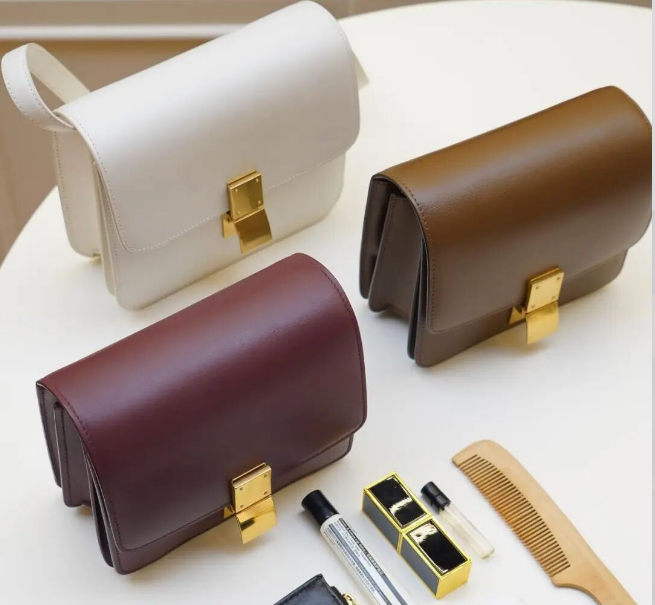
Leather is commonly seen
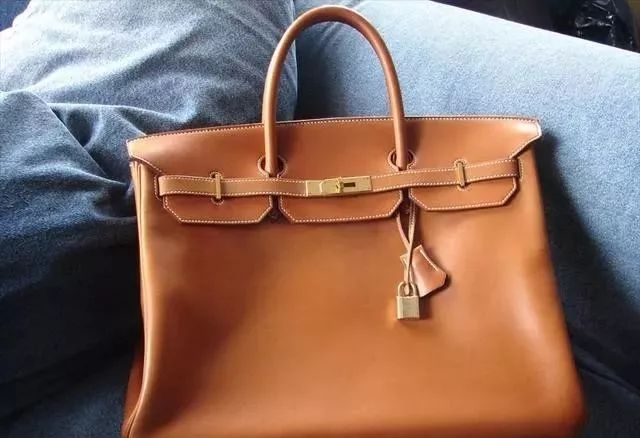
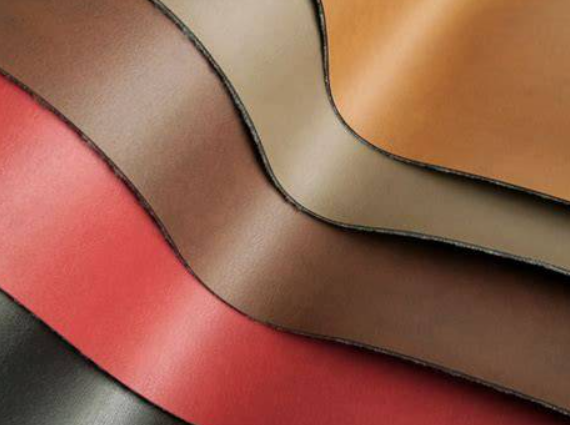
Natural leather (genuine leather) is raw leather skinned from cows, sheep, pigs, horses, deer, or other animals. After dehairing, tanning, separation, insect resistance, and odor removal, it is processed into leather materials with various properties, strengths, textures, colors, and patterns. They are noble and elegant, soft and smooth, have good elasticity, clear grain, and good water absorption, making them the preferred material for making high-end leather furniture. Some may develop animal-like odors during use.
The dermis is generally composed of the epidermis (removed), dermis, reticular layer, and subcutaneous layer (removed). Among them, cow leather sheepskin, and pigskin are the three main raw materials used in tanning.
cow leather: The mainstream choice in the market, among which is yellow cow leather Fibers are compact and highly tough; Water cow leather The fibers are relatively coarse, with large pores on the surface, giving a rough texture but slightly less softness.
Sheepskin : Mainly made of sheepskin, which is soft, delicate, lightweight, and breathable, but its strength and abrasion resistance are far inferior cow leather , avoid sharp objects that can scratch the area, rarely used on furniture bodies, but may be used for cushions or decorative parts;
Pork skin : The surface features a unique “three-point” pore, is affordable, breathable, but feels rough to the touch, and is often used on the back or interior of sofas. The pores are enlarged and obvious, with good breathability, but the skin is smaller, the fibrous structure is looser, the texture is rougher, and the appearance is lacking.
Natural leather (genuine leather) is also available First floor cow leather And Second floor cow leather Division. First floor cow leather As the name suggests, those who understand know it—it’s definitely genuine leather, and it’s also the best material among leathers. First floor cow leather Exactly cow leather The top layer of the skin can be cut off and the remaining part can be cut into another layer, so the lower layer is the second layer cow leather 。 Because it lacks the original top-layer skin, it must be processed by sanding, painting, or coating with PU or PVC before it can be used. In other words, Second floor cow leather There are both genuine leather and artificial parts. Its performance is worse than the top-grain but better than other synthetic leathers, with great value for money!
![Image [2]-Does Leather Furniture Smell Like Formaldehyde? Understanding the Link Between Leather Odor and Formaldehyde in Home Furniture and What It Means for Your Health-Nleather](https://www.nleather.com/wp-content/uploads/2026/06/image-144.png "image – Nleather")
artificial leather , imitation leather compound, is PVC ( artificial leather (polyurethane resin), PU (combined finished leather (polyvinyl chloride), silicone leather, and other synthetic materials. It is made on textile fabric or non-woven fabric bases using various formulations of PVC and PU foam or laminated films. It can be processed according to different strengths, colors, and patterns requirements, featuring a wide variety of patterns, good waterproof performance, neat edges, high utilization rate, and relatively lower price compared to genuine leather.
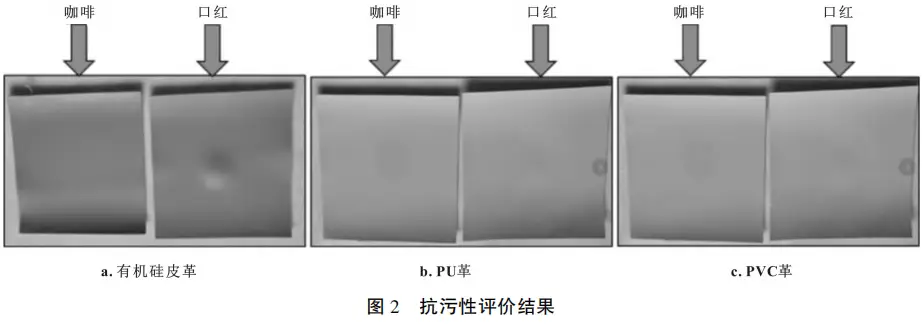
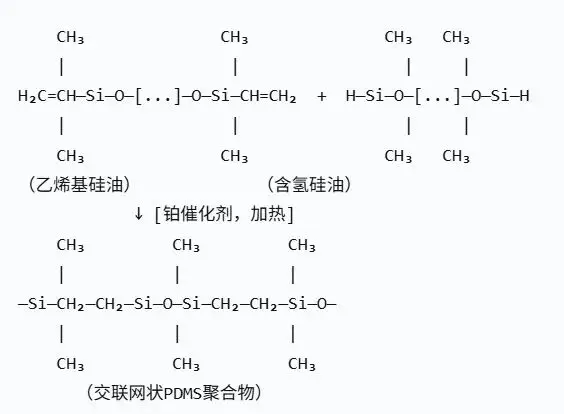
But for the vast majority artificial leather , its feel and elasticity cannot match the effects of genuine leather; upon closer inspection, the surface is poreless, and the base is not animal leather. Its longitudinal cross-section reveals fine bubble holes, fabric base or surface films, and dry, dry synthetic fibers. Used as a material for making general leather furniture. Silicone leather is currently the most promising artificial leather, with no solvent additives. It offers superior properties such as tactile sensation, wear resistance, stain resistance, and environmental protection, and is now widely used as a high-end brand covering material in industries such as furniture, automotive, and electronic 3C devices.
Reclaimed leather is made by crushing various animal hides, genuine leather scraps, and old genuine leather products, then blending them with natural rubber, resin, and other raw materials for processing. Its surface processing is the same as that of genuine leather, such as trimmed or embossed leather, but compared to genuine leather, regenerated leather has neater edges, higher utilization, and is more expensive. However, the body is generally thicker (thicker is not acceptable) and has lower strength.
Eco leather and microfiber leather have similar structures, differing only in the underlying material. The base material of microfiber leather is entirely artificial, while the base of eco-leather is blended cow leather Leftovers 。
![Image [3]-Does Leather Furniture Smell Like Formaldehyde? Understanding the Link Between Leather Odor and Formaldehyde in Home Furniture and What It Means for Your Health-Nleather](https://www.nleather.com/wp-content/uploads/2026/06/image-145-1024x569.png "image – Nleather")
Possible pollution caused by leather
Indoor pollution issues that leather home products may cause. This is indeed a topic worth paying attention to, especially as leather furniture (sofas, chairs), decorations, carpets, and even wall materials are increasingly used in modern homes. As one of the key foundational materials for home environments, leather can indeed become a source of indoor air pollution.
It should be made clear that leather itself (especially natural leather (raw leather)) is not a major indoor pollution source before undergoing multiple chemical treatments. It is understood that natural leather (raw leather) itself is prone to moisture and spoilage, and must go through several processing steps before it can be made into furniture. Typical leather processing involves tanning, dyeing, spraying, and fixatives, which may leave some chemical residues during the process.
The main issues stem from chemical residues and poor quality used in leather processing (tanning, dyeing, coating) and post-processing artificial leather regarding the chemical raw materials used. It is important to understand its contamination components, sources, and countermeasures:
Main pollutants and sources
Volatile Organic Compounds (TVOC) : Chemicals used in the manufacturing process
Tanning Formulation : Traditional chromium ( gè ) Chemicals or by-products that do not fully react during tanning (using chromium salts) or formaldehyde tanning (using formaldehyde, glutaraldehyde, etc.) are slowly released.
Coating agents : Solvent-based coatings, colorants, brighteners, fixatives, etc., used in surface coatings contain large amounts of organic solvents (such as toluene, xylene, ketones, esters, etc.). These solvents continuously volatilize during and after the coating drying and curing process (TVOC).
Adhesives : Glue used for bonding multi-layer leather or bonding to substrates (such as furniture panels) releases VOCs (which may include formaldehyde).
Impact: TVOC is the main source of odors in leather products. High concentrations may cause headaches, dizziness, nausea, eye and respiratory irritation, and allergic reactions. Long-term exposure poses potential health risks.
Formaldehyde (HCHO): Some tanning processes (such as formaldehyde tanning) directly use formaldehyde.
Although chrome tanning is mainstream, some low-end leather or special requirements (such as pure white) may still use formaldehyde tanning (formaldehyde or glutaraldehyde), resulting in formaldehyde residue.
Fixatives, crosslinking agents, and preservatives in coatings may contain or release formaldehyde.
Adhesives: Adhesives used for splicing, laminating, or bonding leather to substrates may contain formaldehyde.
artificial leather (PU/PVC leather) base fabric or coating may also release formaldehyde.
Impact: Formaldehyde is a clear carcinogen (Group I). Low concentrations can cause irritation and burning sensations in the eyes, nose, and throat, leading to tearing, coughing, and shortness of breath. Long-term exposure increases the risk of cancer.
![Image [4]-Does Leather Furniture Smell Like Formaldehyde? Understanding the Link Between Leather Odor and Formaldehyde in Home Furniture and What It Means for Your Health-Nleather](https://www.nleather.com/wp-content/uploads/2026/06/image-146.png "image – Nleather")
Heavy metals (such as hexavalent chromium: Mainly exists in chrome tanned leather Middle
This is chrome tanning Potential risks unique to leather Trivalent chromium is used in the chrome tanning process, which is relatively stable and has low toxicity. However, the problem is that under certain conditions (such as high temperature, high humidity, light exposure, and strong oxidizing environments), trivalent chromium may be oxidized into the highly toxic hexavalent chromium. Inferior tanning processes or incomplete post-processing increase risks. Unreacted hexavalent chromium may remain in the leather and slowly release or migrate (contact with skin or form dust).
Impact: Hexavalent chromium is a potent carcinogen and allergen, which may cause contact dermatitis (itchy skin), respiratory inflammation, and even increase the risk of lung cancer.
Other chemicals
Flame retardants: Some leather furniture (especially those requiring specific fire safety standards) may contain flame retardants (such as polybrominated biphenyl ethers – PBDEs, or new alternatives), which may have endocrine disruptors or bioaccumulative properties.
Dyes and pigments: Synthetic dyes may contain harmful substances such as banned or restricted aromatic amines.
Plasticizers: Mainly present in artificial leather Especially the low-cost PVC artificial leather 。 Phthalate plasticizers are easily migrated and released, causing endocrine disruption (affecting reproductive development).
Mold preservatives/preservatives: To prevent mold in leather during storage and use, chemicals that may be added may also leave residues.
As a result, many consumers notice unpleasant odors after purchasing leather furniture. What exactly is this smell? Many people first think of formaldehyde. So, is the strong odor of leather furniture really related to formaldehyde? Is the strong odor of leather furniture harmful to the human body?
![Image [5]-Does Leather Furniture Smell Like Formaldehyde? Understanding the Link Between Leather Odor and Formaldehyde in Home Furniture and What It Means for Your Health-Nleather](https://www.nleather.com/wp-content/uploads/2026/06/image-147.png "image – Nleather")
Formaldehyde is a colorless gas with a strong pungent odor. Formaldehyde does not directly activate olfactory receptors but stimulates trigeminal nerve endings (especially the mucous membranes of the eyes, nose, and throat), producing burning and itching sensations (mistaken by the brain for “smell”). Therefore, the odors we usually smell, besides the animal-like smell of the leather itself, are the result of the combined action of various pollutants mentioned above (especially TVOC) and substances such as amines produced by protein breakdown in leather 。 A strong “new leather smell” is usually a signal of high concentrations of VOCs released.
Which leather products carry higher risks
Newly purchased leather furniture (sofa, chair) : Highest release amount at the beginning.
New car interior (seats, steering wheel, door panels) : Confined spaces + high temperatures, contaminant concentrations easily accumulate.
artificial leather (PU/PVC leather) products : Due to the extensive use of chemical coatings and adhesives, the risk of VOCs (especially plasticizers) and formaldehyde emissions is usually higher than in the dermis.
Inferior, low-priced leather products : More likely to use cheap, environmentally friendly chemicals and processes. Leather products in poorly ventilated environments.
Although the odor of leather is not necessarily caused by formaldehyde, leather products do carry formaldehyde risks and are one of the sources of indoor air pollution. There is no need to be overly alarmed by high-quality genuine leather, but be highly vigilant about inferior leather products (especially those with pungent odors).

No comments yet