

Understanding dirt and choosing appropriate materials for interior trim or underwear based on its characteristics is the key to effectively avoiding health problems caused by dirt.
The source of dirt
1. Body dirt
Mainly refers to bodily secretions, such as sweat, sebum, saliva, etc. When people wear clothing or use home textiles, these secretions can adhere to underwear and bedding.
![Image [1]-Contamination and Hazards of Dirt on Clothing: Understanding Sources, Components, and Health Risks for Effective Cleaning-Nleather](https://www.nleather.com/wp-content/uploads/2026/06/image-11.png "image – Nleather")
2. Living dirt
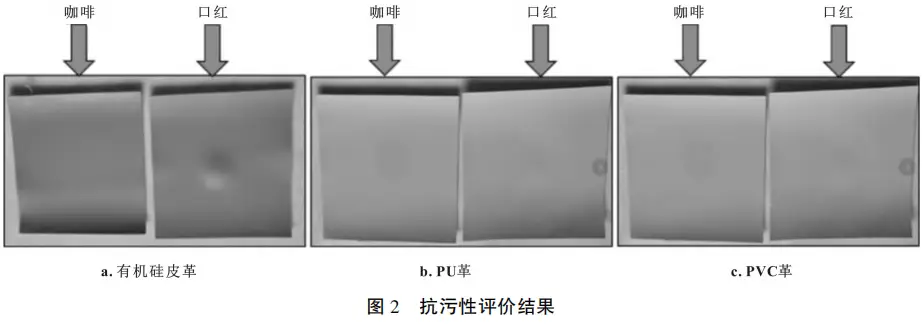
There is a large amount of dirt in people’s living environments, such as airborne dust, pollen, fibers and lint, soups from dishes, beverages, as well as cultural items and cosmetics. This type of dirt mainly exists on outerwear and clothing.
3. Environmental pollution
Different groups of life, depending on their living areas and occupations, may pick up certain specific stains. For example, mechanical workers are prone to metal sludge, and road builders are prone to asphalt. Different jobs may also be contaminated with certain paints, chemicals, adhesives, and so on.
![Image [2]-Contamination and Hazards of Dirt on Clothing: Understanding Sources, Components, and Health Risks for Effective Cleaning-Nleather](https://www.nleather.com/wp-content/uploads/2026/06/image-12.png "image – Nleather")
Ingredients of dirt
Sampling tests show that over 90% of dirt is acidic, such as oils, proteins, and fruit acids. Various secretions in the human body are also somewhat acidic. Therefore, throughout history and across cultures, conventional detergents have always been relatively alkaline. Before the advent of modern synthetic detergents, people even directly used alkaline substances to wash clothes. Therefore, the basic characteristic of dirt is acidity.
Proportion of dirt components (for reference only)
| Dirt ingredients | Collar% | Shirt % | Pants or skirt % |
| Free fatty acids | 20.4 | 14.6 | 30.2 |
| Light Wax and Oil | 1.0 | 0.7 | 2.1 |
| Squalene | 4.2 | 2.6 | 10.6 |
| Cholesterol esters | 13.2 | 10.0 | 2.3 |
| Sterol, cholesterol | 1.7 | 2.2 | 1.5 |
| Triglycerides | 18.0 | 18.4 | 23.3 |
| Diglycerides | 4.2 | 4.7 | 2.3 |
| Monoglycerides | 4.2 | 4.7 | 2.8 |
| Fatty alcohols | 4.2 | 4.2 | 0.9 |
| Wax | – | – | 20.6 |
| Nitrogen-containing compounds | 12.0 | 21.6 | – |
| Sodium chloride | 11.6 | 15.3 | – |
| Others | 5.3 | 1.0 | 3.4 |
Classification of dirt
1. Water-soluble dirt
(1) Dirt that can dissolve in water.
(2) Dirt in water can be washed away by using detergent. Such as salts, starch, fruits, beverages, some cosmetics, most body secretions, and dye colors that shed color from certain clothing materials during washing.
There are many types of water-soluble dirt, and their proportion is relatively high. Depending on how firmly they bond with textile fabrics, the difficulty of cleaning them also varies. Most water-soluble dirt can be washed off with water; dirt that cannot be removed by regular washing becomes stubborn dirt.
2. Oily stains
(1) Grease fouling, represented by oils that can be soluble in certain organic solvents.
(2) Dirt that cannot be directly dissolved in water and can be washed away by emulsifying with surfactants. Such as various animal and vegetable oils, mineral oils, human sebum, paints, asphalt, adhesives, resins; There are also food, dish soups, cosmetics, and more.
Oily stains are the main stains on clothing; often, a tiny grease can make a piece of clothing unusable. Most oily stains are difficult to clean and tend to become stubborn stains. Dry cleaning technology can effectively remove oily stains.
3. Solid particle dirt
Solid particulate fouling is a type of particulate dirt that cannot dissolve in water or in organic solvents. Therefore, solid particulate dirt is also called insoluble dirt, such as soil, pollen, metal powders, coatings, and so on. They can be pulled off the garment by various types of mechanical force during washing, such as manual rubbing, scrubbing, and tapping.
The ease of cleaning solid particle dirt mainly depends on the size of the particles—the larger the particles, the easier they are to remove. Fine solid particles are the hardest to remove; they become embedded between yarns and even enter fibers, such as ink.
The dangers of dirt
1. Impact on human health
Dirt on clothes is a breeding ground for various bacteria and parasites. If not cleaned promptly, dirt can further change under the influence of air, moisture, and sunlight, producing harmful substances that affect metabolism and directly impact health.
2. Impact on the lifespan of clothing
Multiple test results have shown that most dirt is acidic. If not cleaned promptly, residue remains on the clothes. Various components of the dirt can corrode textile fibers and colors, thereby affecting the lifespan of the garments.
3. Environmental impact
Clothes and textiles with dirt can breed various bacteria, emit unpleasant odors, spread infectious diseases, and have a harmful impact on the environment.





No comments yet