

With the same genuine leather seats, why do luxury cars feel more comfortable and upscale? The core gap lies in the craftsmanship details! The automotive leather perforation process is a signature detail of high-end interiors, perfectly solving the pain points of stuffiness and stickiness in genuine leather, while also enhancing the interior’s refinement.
Many car owners have this problem: the original genuine leather seats feel premium, but as soon as summer arrives, they instantly turn into “sauna seats.” Sitting for long periods on your back and sweating on your buttocks severely reduces the driving experience; Ordinary non-porous genuine leather has strong sealing properties, prevents air from circulating, and is prone to moisture accumulation, mold, and accelerated aging over time.
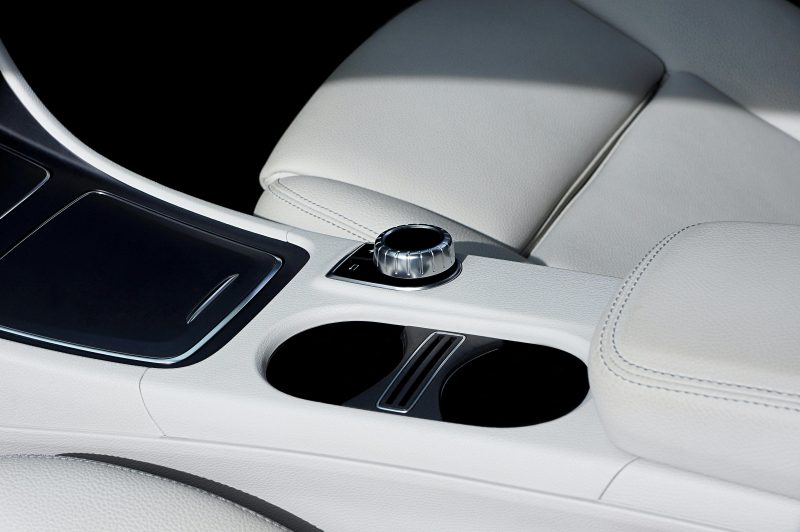
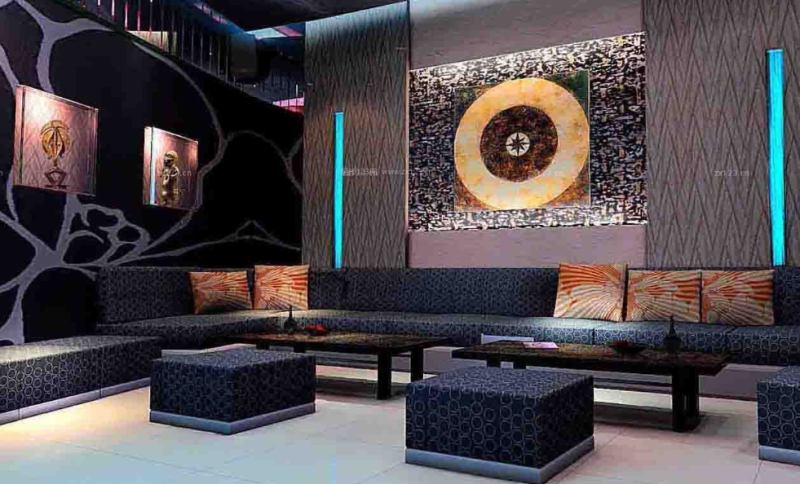
If you’ve paid attention to the factory interiors of high-end models like Porsche, Mercedes-Benz, or BMW, you’ll notice High-end leather seats almost all feature fine, even perforated patterns
![Image [1]-Automotive Leather Punching: The Ultimate Upgrade for Luxurious Comfort – Nleather-Nleather](https://www.nleather.com/wp-content/uploads/2026/07/20260726-101811-ESHQb-nleather-silicone-leather.png "20260726-101811-ESHQb-nleather-silicone-leather – Nleather")
This is not just simple decorative perforation, but a recognized practice in the automotive interior industry Leather punching craftsmanship , which is also the core criterion distinguishing ordinary interior modifications from high-end customization.
What is automotive leather punching technology?
Automotive leather perforation is specifically for automotive interior fabrics such as nappa leather, microfiber leather, and genuine leather High-precision CNC drilling process , which is a refined downstream process for interior upgrades.
Simply put, on the complete surface of the leather, professional CNC equipment is used to punch uniformly arranged micro breathable holes according to uniform hole diameters, fixed spacing, and regular textures Does not damage the structural strength of the leather or the toughness of the fabric while giving ordinary genuine leather excellent breathability.
Inferior drilling techniques on the market often have uneven hole sizes, crooked holes, and rough edges, which not only affect the appearance but also cause leather to crack, peel, and deform. The standardized automotive punching process features precise hole positions, flat cuts, and symmetrical textures, balancing practicality and aesthetics, which are core details of high-end interior customization.
What pain points does leather punching process actually solve?
Many owners mistakenly think “perforations are just for looks,” but its core value is fundamentally solving the inherent flaws of genuine leather interiors and comprehensively enhancing the driving and riding experience.
✅ Fully breathable, say goodbye to prolonged sitting and sweating
The biggest drawback of solid genuine leather is its lack of breathability. In summer, after intense sunlight, it absorbs heat quickly but dissipates slowly, making it stuffy and sticky after sitting for long periods. The perforated process creates three-dimensional air circulation channels, allowing cabin air to freely penetrate the leather surface. In summer, it won’t sweat or stick to the skin, and in winter, it won’t accumulate moisture. This greatly improves comfort for long-distance drives and daily commutes. It also adapts seat ventilation and heating functions to maximize the original car’s functionality.
✅ Anti-slip fit ensures safer and more stable driving
The smooth, solid genuine leather surface has low friction, making it easy for the body to slip during turns or sudden braking. The delicate perforated patterns effectively increase surface friction, improving the fit between body and seat, making the sitting posture more stable and balancing comfort and driving safety.
✅ Noise reduction and shock absorption optimize cabin quietness
The densely distributed microporous structure provides natural sound absorption and shock absorption, gently absorbing fine road noise and interior echoes, reducing cabin noise, making the cabin environment quieter and more comfortable, and enhancing the exclusive quiet and comfortable driving experience of luxury cars.
✅ Upgraded appearance, maximizing the interior’s premium feel
The neat and symmetrical perforated texture exudes a refined sense of light luxury layering, breaking the monotony of solid leather. The delicate and orderly perforations perfectly match the minimalist sporty style of luxury car interiors, instantly giving an ordinary interior a high-end factory feel—understated yet detailed.
![Image [2]-Automotive Leather Punching: The Ultimate Upgrade for Luxurious Comfort – Nleather-Nleather](https://www.nleather.com/wp-content/uploads/2026/07/20260726-101854-zdcLc-nleather-silicone-leather.png "20260726-101854-zdcLc-nleather-silicone-leather – Nleather")
Ordinary Drilling VS Seiko Punching: The difference is obvious
Interior perforation is not simply “punching holes”; the precision of craftsmanship directly determines the durability and aesthetics of the interior. The cheaply modified rough punching process on the market is fundamentally different from standardized precision punching.
❌ Ordinary low-quality perforations on the market
The equipment is crude, manual control is poor, hole sizes are uneven, hole spacing is irregular, and patterns are chaotic; The drilling edges are rough and burrky, prone to snagging and cracking; Imbalance in drilling depth and excessive drilling damages the leather base, making it prone to peeling, deformation, and aging over time, which not only lowers the interior quality but also significantly shortens its lifespan.
✅ CNC precision punching
1. Precise data control : Unified standard hole diameter, symmetrical hole spacing, regular and uniform patterns, no skewed, no missing holes, no large or small holes, resulting in an overall visual symmetry;
2. Seamless incision technology : High-speed, silent punching, smooth cuts with no burrs or edges, maximizing the retention of leather toughness and tension;
3. Customized texture by zone : Designed according to ergonomic seat zones, with reinforced perforations in the core load-bearing area of the seat cushion and backrest to ensure breathability and comfort; Streamlined perforations on the sides and support positions to retain leather support, balancing practicality and wear resistance;
4. Compatible with the full range of leathers : Compatible with various automotive fabrics such as nappa leather, suede, and microfiber leather, without damaging the leather material or the original car silhouette.
How to maintain perforated interiors? How durable is it?
Many car owners worry that perforated leather tends to accumulate dust and is hard to maintain, but in fact, high-quality finely crafted perforated interiors are very easy to maintain daily. Compared to solid leather, perforated interiors are more breathable and less prone to moisture and mold. Just use a soft brush to gently sweep dust from pores and regularly wipe and care with specialized leather cleaners.
The precision punching process undergoes multiple reinforcement techniques, with double-layer edge locking treatment at the punched edges, ensuring it is not prone to cracking, peeling, or deformation during normal use. Compared to ordinary solid leather cases, they not only look better and are more comfortable, but also have a longer lifespan, truly achieving “one-time modification, long-lasting durability.”
Process Summary: Details determine the high-end quality of the interior
The premium feel of automotive interiors has never been about piling up materials, but is hidden in every meticulous craftsmanship.
The leather perforation process, which may seem like a minor detail, perfectly solves the core pain point of genuine leather interiors, and will Breathable and comfortable, safe and slip-resistant, with a light luxury look, and quiet noise reduction The combination of these four major advantages is also the key reason why luxury car interiors differ from ordinary modifications.
No need for a large budget to cover the entire vehicle; simply upgrading the fine perforation process can achieve a qualitative leap in interior quality and driving experience.


No comments yet