

With the growing global emphasis on environmental protection, the automotive industry, as a major consumer of energy and waste generation, is actively exploring green development paths. Inside the car dressing leather As an important component of automotive interiors, applying green and environmental concepts in design is crucial for reducing environmental impact. The article is based on the concept of green environmental protection inside the vehicle dressing leather The importance of design is closely analyzed for green concepts within vehicles dressing leather Applications in the design include raw material selection, production process improvements, balancing product performance with environmental protection, and recycling, as well as exploring the challenges and future development trends to enhance automotive interiors dressing leather Design effect, inside a car dressing leather Sustainable design provides theoretical support and practical guidance.
![Image [1]-green environmental protection concepts vehicle dressing leather: Stunning Eco-Friendly Automotive Interior Revolution—Best Sustainable Design Guide – Nleather-Nleather](https://www.nleather.com/wp-content/uploads/2026/07/20260726-065607-VX3Du-nleather-silicone-leather.png "20260726-065607-VX3Du-nleather-silicone-leather – Nleather")
Green and environmental protection concepts are embedded inside the vehicle dressing leather The importance of design
Meet environmental protection regulations
Governments around the world have introduced a series of strict environmental regulations and standards, restricting the content of harmful substances and volatile organic compounds (VOCs) emissions in automotive interior materials. Inside the car dressing leather As an important part of the interior space, it must comply with relevant regulations; otherwise, it faces market entry barriers and legal risks. For example, the EU’s REACH regulation provides detailed regulations on the registration, assessment, authorization, and restriction of chemicals inside vehicles dressing leather Manufacturers need to ensure that their products do not contain or strictly control harmful substances regulated by regulations, such as heavy metals, formaldehyde, and polycyclic aromatic hydrocarbons, in order to meet market access requirements and avoid penalties for violations.
🔺 Enhance corporate brand image
In today’s fiercely competitive market environment, consumers’ attention and recognition of eco-friendly products are continuously increasing. Automakers and internals dressing leather Suppliers actively adopt green and environmentally friendly concepts in product design and production, demonstrating their sense of responsibility and commitment to environmental protection to consumers, thereby enhancing the company’s brand image. Inside cars with environmental advantages dressing leather Products are more likely to win consumer favor, especially those who care about health and environmental protection, and are willing to pay higher prices for eco-friendly products. This not only helps companies expand their market share but also enhances customer loyalty, laying a solid foundation for long-term development.
🔺 Promoting sustainable development
The rapid development of the automotive industry has put enormous pressure on natural resources and has also brought issues such as environmental pollution. Green and environmental protection concepts are embedded inside the vehicle dressing leather Application in design is one of the key links in achieving sustainable development in the automotive industry. Measures such as adopting renewable resources, reducing energy consumption and waste emissions, and improving product recycling rates can reduce the cost inside vehicles dressing leather The negative environmental impact of production is addressed, and resources are effectively utilized and recycled.
Green and environmental protection concepts are embedded inside the vehicle dressing leather Application in design
Choose green and environmentally friendly raw materials
▪ Natural leather
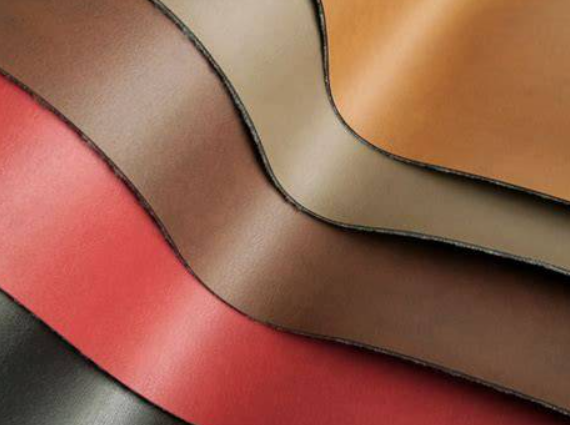
Natural leather is used in cars for its unique texture, good breathability, and durability dressing leather It holds an important position in the market. However, traditional natural leather production processes may involve environmental issues, such as greenhouse gas emissions from animal husbandry and chemical pollution from leather processing. To achieve green environmental goals, inside the car dressing leather Manufacturers are beginning to focus on the use of natural leather, including selecting leather raw materials from sustainable livestock farming to ensure that animal farming processes meet animal welfare standards and reduce negative environmental impacts. For example, some companies adopt organic farming methods, avoiding antibiotics and growth hormones, which reduces pollution of soil, water, and air from animal husbandry.
▪ Artificial leather and new materials
Artificial leather serves as an alternative to natural leather in cars dressing leather Its applications in the market are becoming increasingly widespread. Modern artificial leather technology continues to advance, using eco-friendly synthetic fibers and polyurethane as raw materials to produce products with the appearance and performance of natural leather, while reducing environmental pollution during production. Some high-performance synthetic leathers use recyclable polyester fibers as the base material, combined with water-based polyurethane coatings, which not only reduce VOC emissions but also make recycling easier. In addition, some new materials, such as bio-based leather, are gradually emerging. Bio-based leather is made from renewable biomass resources using biotechnology and chemical synthesis methods, offering excellent environmental performance and sustainable development potential. These new materials are applied inside automobiles dressing leather green and eco-friendly design offers more options.
🔺 Improving production processes
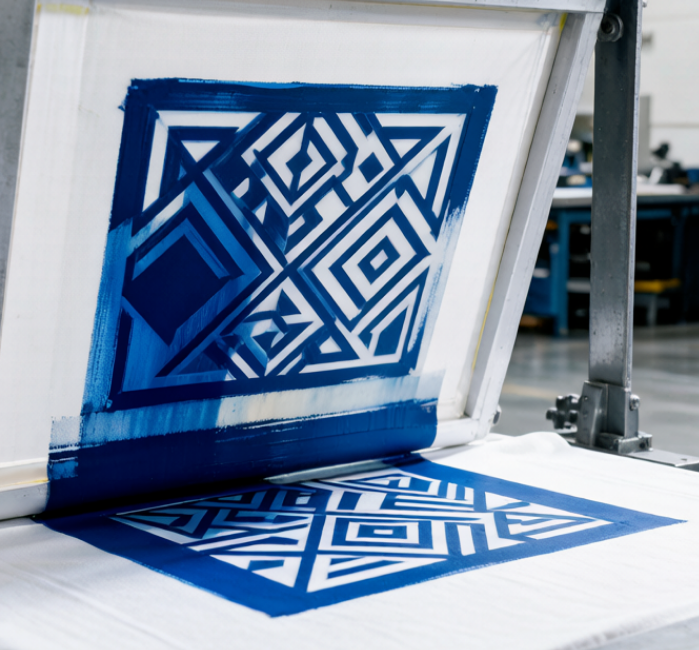
Tanning and dyeing are done inside the car dressing leather Key processes in the production process, traditional methods often use large amounts of chemical agents, producing wastewater containing heavy metals, organic pollutants, and salts, causing serious environmental pollution. To reduce pollution and adopt a green and environmentally friendly concept, inside the car dressing leather Production employs low-pollution tanning and dyeing techniques. In terms of tanning, chrome-free tanning technology is gradually being promoted and applied. Chromium-free tanning agents such as organic tanning agents and plant-based tanning agents not only achieve tanning effects for leather but also avoid chromium contamination issues. During the dyeing process, the use of water-based dyes and pigments replaces traditional organic solvent-based dyes, significantly reducing VOC emissions. At the same time, advanced dyeing processes such as immersion dyeing and spray dyeing are used to improve dye utilization and reduce wastewater generation and discharge.
🔺 Enhancing product performance and environmental performance
▪ Designed for durability and maintainability
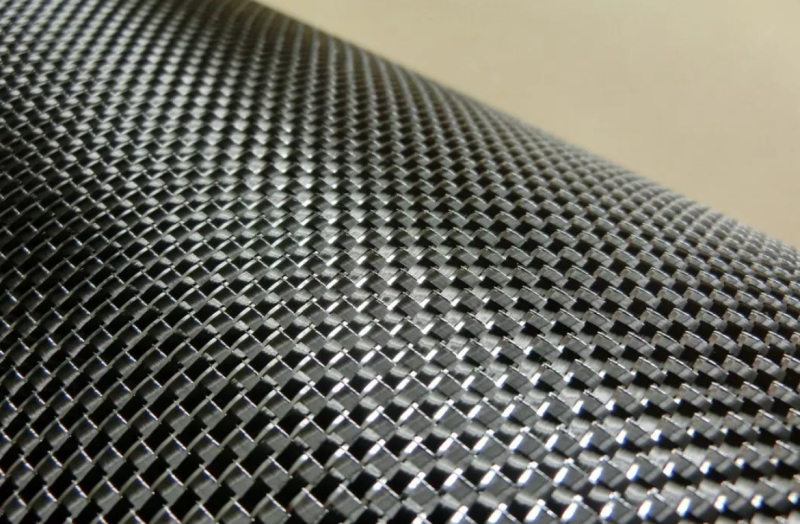
Inside the car dressing leather During use, it needs to have good durability and maintainability to reduce replacement frequency, resource consumption, and waste generation. Under the concept of green environmental protection, internally dressing leather The design places greater emphasis on enhancing product durability, optimizing the fiber structure of leather, and enhancing its wear resistance, tear resistance, and aging resistance. By adopting special fiber interweaving technology and surface treatment techniques, the leather is enhanced with strength and abrasion resistance, allowing it to maintain excellent performance over long-term use. At the same time, inside dressing leather The surface coating uses materials that are easy to clean and stain-resistant, making daily cleaning and maintenance convenient for car owners, reducing the internal issues caused by cleaning difficulties dressing leather Damage and replacement.
▪ Reducing VOC emissions
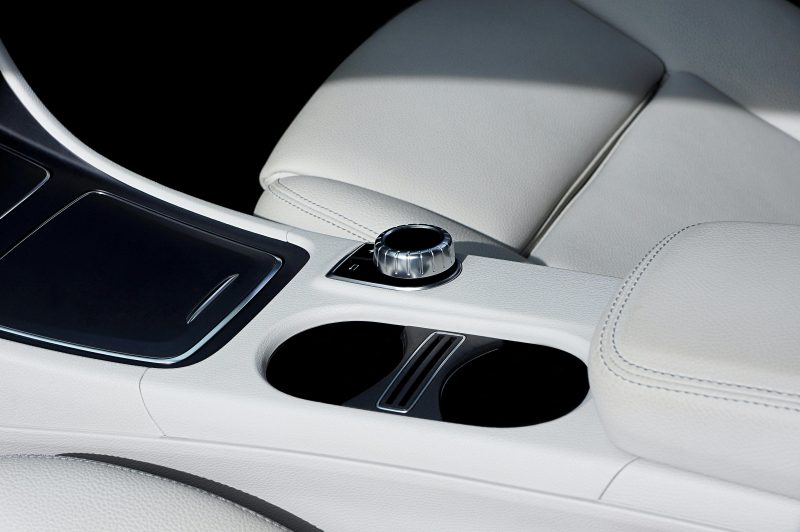
Cabin air quality is crucial for the health of drivers and passengers, and inside the vehicle dressing leather It is one of the major sources of VOC emissions inside vehicles. Therefore, during the design process, reduce the inner layer dressing leather VOC emissions and odor control are key. Choosing low-volatility raw materials such as water-based adhesives and environmentally friendly additives can reduce internal residue dressing leather VOC emissions during production and use. At the same time, odor adsorption and neutralization technologies are used, such as adding activated carbon and photocatalysts, effectively reducing internal absorption dressing leather Odor intensity, improving air quality inside the car. In addition, internal efforts should be strengthened dressing leather VOC testing and odor evaluation ensure products meet relevant standards and consumer needs.
🔺 Within development dressing leather Recycling technology
As the number of car scraps increases, inside the vehicle dressing leather The issue of recycling is becoming increasingly prominent. Currently, various types of interiors have been developed dressing leather Recycling technology. Physical recycling methods include steps such as crushing, screening, and reprocessing to discard the interior dressing leather Processed into recycled leather granules or powder, they can be used to produce some low value-added products, such as shoe soles, insoles, industrial leather and more. Chemical recycling technology uses chemical reactions to break down components such as collagen in discarded leather into small molecules, which are then repurposed into new leather materials or other useful chemical products. For example, hydrolysis is used to hydrolyze discarded leather into amino acids, which are then used to produce bio-based plastics, adhesives, and other products, achieving internal waste disposal dressing leather High-value utilization.
To facilitate recycling, inside the car dressing leather The design must follow circular design principles, considering material degradability and compatibility during the product design phase, using easily separable connections and single or compatible material combinations to facilitate separation and reprocessing of different materials during recycling. For example, ‘internal.’ dressing leather Connections with other interior components use detachable mechanical connections, avoiding the use of hard-to-separate adhesives and improving recycling efficiency. At the same time, in material selection, try to minimize the use of materials with various properties that are difficult to separate, so that the inner dressing leather After being scrapped, it becomes easier to enter the recycling system, enabling effective resource recycling.
Green and environmental protection concepts are embedded inside the vehicle dressing leather Challenges faced in design applications
🔺 Green and environmentally friendly materials are relatively expensive
The research, development, and application of green and environmentally friendly materials and production processes often require relatively high cost investments. The price of eco-friendly raw materials is usually higher than that of traditional raw materials. The introduction and use of advanced production equipment and technology also increase production costs, which makes the automotive interior dressing leather Manufacturers face cost pressures when adopting green and environmentally friendly concepts in product design. How to reduce green and environmental protection while ensuring product quality and environmental performance dressing leather Production costs are currently a major challenge we face.
🔺 There are challenges in green and environmental protection technologies
Although green and environmentally friendly technologies are embedded in the car dressing leather Some progress has been made in the design field, but some technical challenges still need to be addressed. For example, although chrome-free tanning technology can avoid chromium contamination, it still has some shortcomings in tanning results and leather performance stability, which need further optimization and improvement. The production technology for new eco-friendly materials such as bio-based leather is still immature, with high production costs and product performance needing improvement. In addition, inside dressing leather Recycling technology also needs further improvement to enhance recycling efficiency and product quality, reduce recycling costs, and achieve large-scale industrial application.
🔺 Consumer awareness and acceptance are relatively low
Some consumers are concerned about green and environmentally friendly car interiors dressing leather Awareness and acceptance of these are still quite limited. Some consumers may be more concerned about the interior dressing leather Factors such as appearance, feel, and price lack sufficient understanding and attention to its environmental performance. Moreover, due to its green and environmentally friendly nature dressing leather The product’s marketing and marketing efforts in the market are insufficient, and consumers do not fully recognize its advantages and features, resulting in fewer cars being purchased with less quality dressing leather environmental performance as an important consideration. Increase consumer awareness of environmentally friendly vehicles dressing leather Recognition and acceptance require companies to strengthen market promotion and education, as well as support and guidance from the government and industry associations.
Green and environmental protection concepts are embedded inside the vehicle dressing leather Future development trends in design
Leveraging technological innovation to drive green upgrades
With continuous technological advancements, future automotive interiors… dressing leather Green and environmentally friendly design will benefit from more technological innovation. Gene editing technology can be adopted to cultivate more environmentally friendly and high-quality animal varieties of leather raw materials, improving the sustainability of natural leather from the source. In terms of production processes, new environmentally friendly tanning and dyeing technologies will continue to emerge, further reducing pollution emissions and energy consumption. At the same time, nanotechnology is expected to be included dressing leather surface treatment, functional enhancement, and other aspects, developing green and eco-friendly interiors with multiple functions such as self-cleaning, antibacterial, and UV protection dressing leather products, and increase the added value of products.
🔺 Achieving material diversification and sustainable development
In the future, inside the car dressing leather There will be a trend toward diversified materials, with more new sustainable materials being introduced into the automotive interior sector. The research and application of bio-based materials will achieve greater breakthroughs. For example, leather substitutes produced using microbial fermentation technology will have properties closer to natural leather, with better environmental performance and degradability. In addition, smart materials will gradually be applied in automobiles dressing leather The smart material can automatically adjust breathability and humidity based on conditions such as temperature and humidity inside the car dressing leather , providing drivers and passengers with a more comfortable experience while meeting the green environmental protection concept’s requirements for energy saving and efficient resource utilization.
🔺 Strengthen full lifecycle assessment and green supply chain management
Life Cycle Assessment (LCA) will become the in-vehicle system dressing leather An important basis for design and production. Through internal channels dressing leather By quantitatively assessing the environmental impact throughout the entire lifecycle—from raw material sourcing, manufacturing, and product use to recycling—companies can gain a more comprehensive understanding of their products’ environmental performance, enabling them to take targeted improvement measures and optimize product design and production processes. At the same time, green supply chain management will be further strengthened, with automakers working together dressing leather Suppliers and raw material suppliers work closely together to jointly promote the implementation of green and environmentally friendly concepts throughout the supply chain. From sustainable procurement of raw materials, energy-saving and emission reduction during production to product recycling, a complete green supply chain closed loop is formed, enabling in-vehicle development dressing leather Sustainable development of the industry.
🔺 Improve relevant standards and regulations
As global attention to environmental protection continues to rise, in the future, automotive interiors… dressing leather Relevant standards and regulations will be more comprehensive and stricter. The government and industry associations will formulate more detailed and stringent environmental standards internally dressing leather Clearly define indicators such as hazardous substance content, VOC emissions, and recycling rates, and strengthen supervision and testing of market products. This will drive the car inside dressing leather Companies should increase investment in the research and application of green environmental protection technologies, improve product environmental performance, and meet market access requirements and consumer environmental needs. At the same time, improving standards and regulations will help regulate market competition and promote the healthy development of the entire industry toward green and environmentally friendly development.
In short, the concept of green and environmental protection is embedded in the car dressing leather Application in design is an inevitable trend for sustainable development in the automotive industry. By implementing a series of green and environmentally friendly measures in raw material selection, production process improvements, product performance optimization, and recycling, inside the vehicle dressing leather Not only can it meet increasingly stringent environmental regulations, enhance its brand image, and strengthen market competitiveness, but it also provides consumers with a healthier, more comfortable, and eco-friendly driving environment. Although there are currently many challenges in application, with continuous technological innovation, diversified material development, advances in full lifecycle assessment and green supply chain management, and improvements in standards and regulations, green eco-friendly vehicles are becoming increasingly profound dressing leather It will usher in even broader development prospects.




No comments yet