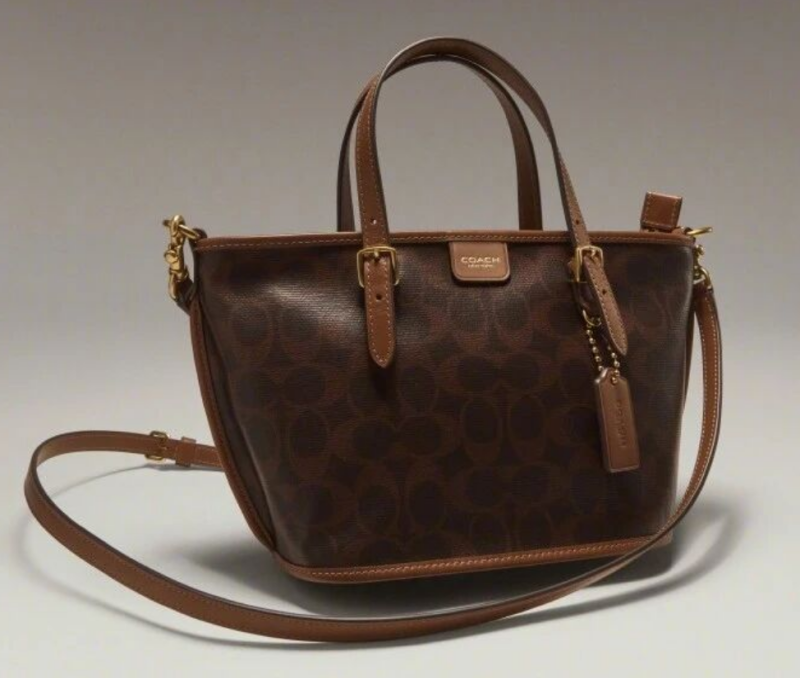


PVC is waterproof and durable, but it is sensitive to high temperatures, oil stains, and sharp scratches. Proper daily protection can greatly extend its lifespan
Daily cleaning (by degree of staining)
- For light dust and fingerprints, use a clean microfiber soft cloth to dry off any dust or dust; For shallow prints, dip them in a little room temperature water, wrung them dry, and wipe them off. Immediately use a dry cloth to absorb the moisture and let them air dry naturally.
- Gentle solution for oil, foundation, ink, and cosmetic stains: a small amount of neutral hand soap or dishwashing liquid diluted with water, gently wipe the stain with a soft cloth dipped in diluted solution;
- Stubborn oil stains: Wipe with a cotton swab dipped in a small amount of medical alcohol (75%); do not scrub vigorously over large areas; After wiping, immediately wipe off any residual cleaner with clean water, dry quickly throughout the process, and avoid prolonged soaking.
- Yellowing, oxidation, and dull PVC are very prone to yellowing after prolonged sun exposure. For mild yellowing, special PVC plastic refurbishment and care paste can be used;
Taboos : Do not use bleach, 84, or strong stain removers, as they will corrode the surface, causing whitening and cracking.
Strictly forbidden sources of harm
- Dyed clothing: Dark denim and black sweatshirts tend to fade and rub against light-colored PVC; adjust the position when carrying to reduce direct friction between the bag and dark fabric; Wearing fading, dark-colored clothes can be paired with dark PVC bags to greatly reduce stain risk.
- High-temperature exposure: Direct sunlight, near heaters, inside the car’s center console, and hair dryer hot air all age rapidly, yellow, harden, and crack;
- Organic solvents: Insulated in large amounts of nail polish remover, banana oil, paint, or alcohol; perfume should not be sprayed directly on the surface of the bag;
- Sharp and hard objects: keys, nails, metal jewelry can easily cause irreversible scratches;
- Adhesive items: Do not apply stickers or tape directly, as peeling will strip away the surface coating.
Storage and storage tips
- When unused, wrap in original dust bags or pure cotton cloth bags; do not seal in plastic bags (not breathable and prone to stuffiness, stickiness, and mold);
- Fill the bag with soft tissues or bubble wrap to support the fit and prevent crushing, deformation, or sagging;
- Placement can be done either flat or vertically, avoiding heavy stacking and not bending the edges of the bag;
- Store in a cool, dry environment, away from windowsills, underfloor heating, and damp bathroom areas;
- Apply a thin layer of anti-rust oil to metal hardware buckles, isolate moisture from oxidation, and when not backed, wrap them in soft paper before storing.
Cases requiring professional cleaning and repair
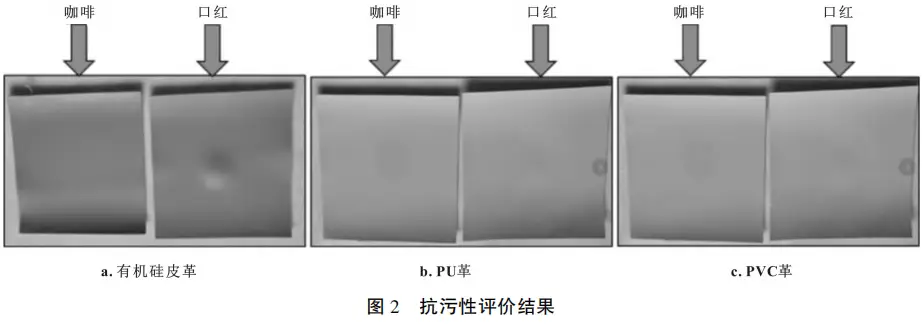
- Extensive staining, stained through by denim, black clothing, and makeup; Ordinary alcohol and detergents can’t remove it at all; pigments seep into the material’s surface, and wiping it yourself only causes the surface to scratch.
- Large areas of the bag become sticky and melt into oil. As PVC ages, it becomes sticky to the touch, lint sticks to the touch, and after wiping, it quickly re-sticks. This is the plasticizer that precipitates from the material. If the whole package is severely sticky and the surface is softening and peeling, it can only be left to professional care for the adhesive removal and sealing layer.
- Cracking, brittleness, cracking at the edges of the tear, cracks at creases, peeling of the surface, and fine cracks appear on hard PVC; Self-resealing tends to leave offset marks and cracks the more you fix them.
![Image [1]-ALL you should know: Care and precautions for PVC bags – Nleather-Nleather](https://www.nleather.com/wp-content/uploads/2026/06/image-247.png "image – Nleather")
- Severe oxidation corrosion of hardware, breakage of metal parts, large-scale blackening of hardware, rust spots and corrosion, chains/buckles breaking, plating layer peeling; Self-cleaning rust agents can easily splash onto the PVC wrapper, causing whitening and corrosion.
- Patchwork version material damage (PVC with genuine leather / canvas / leatherette ) The bag body is made of genuine leather, chamois leather , and during fabric splicing, if you don’t control the water amount or cleaning agent concentration properly, it can easily cause the leather surface to shrink, the fabric to fade, and transfer to the PVC material.
- Severe yellowing, overall aging and dullness, the whole package is heavily yellowed by sun exposure, matte whitening and loss of shine, and ordinary creams have limited brightening effect.
- Severe deformation or collapse of the package shape, broken hard supports, compression deformation of hard PVC packs, fractures of inner support plates, bends of the cover and cannot bounce back, and self-inserting paper supports to fix the symptoms, not the root cause.
- Large scratches, abrasions, multiple areas of matte peeling, deep scratches, surface glossy film scraping and becoming mottled matte, which cannot be faded by simple wiping.
![Image [2]-ALL you should know: Care and precautions for PVC bags – Nleather-Nleather](https://www.nleather.com/wp-content/uploads/2026/06/image-246-1024x810.png "image – Nleather")
Use small habits
- After spraying perfume, hair spray, and hand cream, wait until the skincare products are fully absorbed and dry before backpacking;
- You can carry it on your back in the rain; after getting wet, dry the entire area promptly, dry it in a ventilated and shaded area, and avoid direct sun drying;
- Light-colored PVC should be used as little as possible or should not touch dark-colored leather goods or faded accessories;
- Apply a thin layer of PVC special care oil regularly (once a month) to brighten and resist aging, and delay yellowing and brittleness.
THE END

No comments yet