

Plastic materials, with their excellent properties and diverse types, have been widely used in modern clothing design. Since the 1960s, with the development of petrochemical and polymer synthesis technologies, a series of plastic fabrics such as PVC, PU, nylon, and polyester have been successively introduced. With their lightweight, wear-resistant, waterproof, and easy-to-care features, they have gradually become indispensable material choices in clothing design. At the same time, with the continuous emergence of new materials and processes, as well as the diversified development of fashion trends and consumer demands, the application of plastic materials in clothing styling design is becoming increasingly diverse and innovative.
![Image [1]-Why Plastic Materials Like PVC, PU, TPU, and Polyester Fiber Are Widely Used in Clothing Production and Their Environmental Impact-Nleather](https://www.nleather.com/wp-content/uploads/2026/06/image-243.png "image – Nleather")
The four common plastic materials—PVC, PU, TPU, and polyester fiber—have specific applications and characteristics in garment production.
PVC (polyvinyl chloride) is a transparent and flexible plastic material, widely used in the apparel industry due to its excellent transparency and flexibility. PVC materials are often used to make waterproof clothing such as raincoats, rain boots, and swimsuits. The outer layer of raincoats usually uses a PVC coating, which not only effectively blocks rainwater penetration but also keeps the interior dry and comfortable. Similarly, PVC rain boots are highly favored for their waterproof and non-slip properties. Regarding swimwear, PVC material maintains good shape and comfort even during prolonged water activities due to its good elasticity and abrasion resistance.
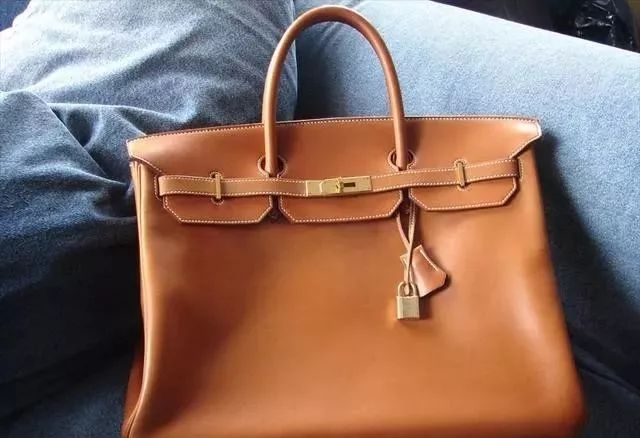
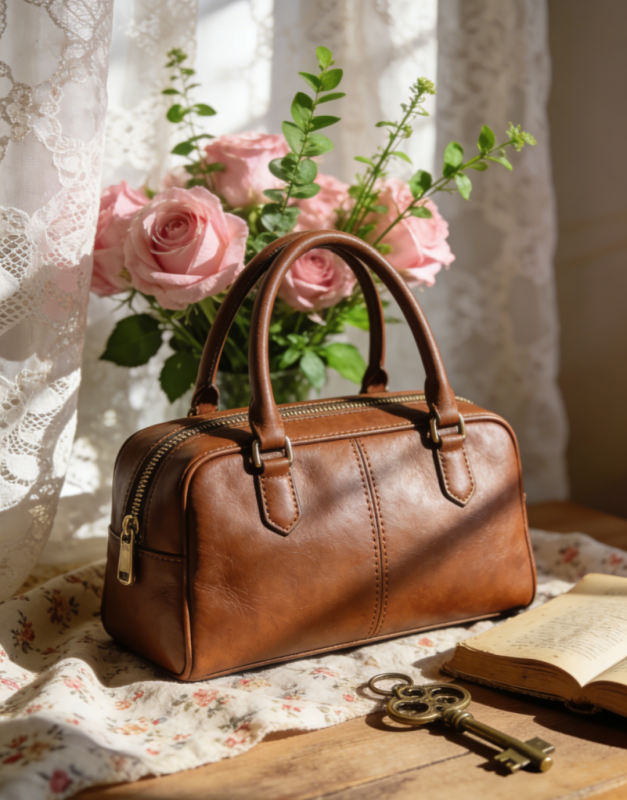
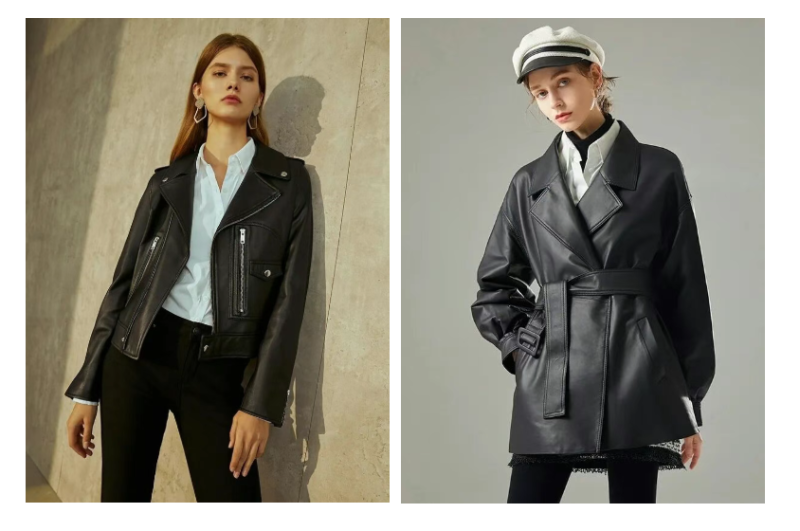
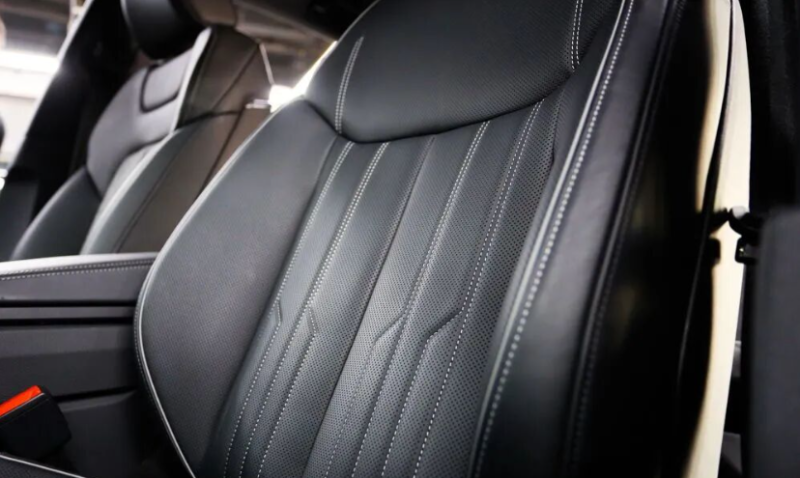
Unlike PVC, PU (polyurethane) material, with its soft feel, smooth surface, and certain elasticity, is an ideal choice for making leather apparel and leather accessories. PU leather is a type of synthetic leather whose appearance and texture resemble genuine leather, but are more affordable. Clothing made from PU leather is not only fashionable but also easy to care for and maintain. For example, PU leather jackets, bags, and shoes are not only durable and wear-resistant but also have good breathability and warmth, suitable for wearing in various climate conditions. In addition, PU leather is also commonly used.
TPU (thermoplastic polyurethane) material is a high-strength, wear-resistant, and flexible thermoplastic elastomer. TPU materials are widely used in garment manufacturing due to their excellent physical properties. It can be used not only to make jackets, sportswear, and other everyday clothing, but also to make swimsuits, shapewear, and other intimate garments. TPU swimsuits offer greater freedom in water due to their excellent elasticity and durability. At the same time, TPU shapewear has become the top choice for many women for shaping, thanks to its close fit to the skin and excellent shaping. Additionally, TPU materials are often used to make cushions, insoles, and other auxiliary products, favored for their softness, comfort, and durability.
![Image [2]-Why Plastic Materials Like PVC, PU, TPU, and Polyester Fiber Are Widely Used in Clothing Production and Their Environmental Impact-Nleather](https://www.nleather.com/wp-content/uploads/2026/06/image-244.png "image – Nleather")
Besides the three plastic materials mentioned above, polyester fiber is also a common plastic material used in clothing manufacturing. Polyester fiber is a type of synthetic fiber made from recycled waste plastic bottles through a series of processing. This fiber has high strength and elasticity, is durable and wrinkle-resistant, and does not require ironing, which is why it is widely used in garment production. Clothing made from polyester fiber not only offers good breathability and moisture absorption but also effectively blocks UV damage. Additionally, polyester fibers have excellent dyeability and spinnability, resulting in vibrant colors and diverse styles for clothing. From an environmental perspective, using recycled plastic bottles to make polyester fiber clothing not only reduces resource waste but also protects the environment.
However, despite the important role plastic plays in garment production, we should also pay attention to the environmental issues it may bring. Plastic has a complex composition, and some plastic clothing may contain toxic chemicals. To make the plastic softer, more vibrant, or even waterproof, some chemicals are usually added. These chemicals may pose potential health risks during use. Therefore, when choosing plastic clothing, we should try to select reputable brands and products with guaranteed quality to reduce health risks.
In addition, the recycling and disposal of plastic clothing is also an urgent issue to address. Due to the special nature of plastic materials, recycling and processing them is relatively difficult. Currently, although some plastic recycling technologies have been developed, the recycling rate of plastic remains low. Therefore, while enjoying the convenience brought by plastic clothing, we should also actively pay attention to its recycling and disposal issues, jointly promoting the development of environmental protection.
![Image [3]-Why Plastic Materials Like PVC, PU, TPU, and Polyester Fiber Are Widely Used in Clothing Production and Their Environmental Impact-Nleather](https://www.nleather.com/wp-content/uploads/2026/06/image-245.png "image – Nleather")
To reduce the negative environmental impact of plastic clothing, textile companies should start from the source and adopt environmentally friendly production processes and materials. For example, bio-based plastic materials are used to replace traditional petroleum-based plastics to reduce dependence on petroleum resources and environmental pollution. At the same time, companies should strengthen technological research and development to improve the recycling rate and degradability of plastic clothing. Through technological innovation and improved management standards, the production costs and prices of plastic clothing can be reduced, allowing more people to choose from a cost-effective perspective, rather than just paying for environmental protection.
For consumers, we should also actively promote green consumption concepts and choose environmentally friendly and sustainable clothing products. When buying clothes, pay attention to the material, manufacturing process, and environmental labeling, and try to choose eco-friendly and harmless products. At the same time, we can extend the lifespan of clothing through second-hand trading and donations, reducing resource waste. Through these initiatives, we can jointly promote the green development of the apparel industry and contribute to the future of the planet.
In summary, plastic materials such as PVC, PU, TPU, and polyester fiber play an important role in garment production. Each has unique physical and chemical properties, significantly enhancing the clothing’s appearance, comfort, and durability. However, we should also pay attention to the environmental issues that plastic clothing may bring, actively promote green consumption concepts, and promote sustainable development in the clothing industry. Through technological innovation, management improvement, and consumer education, we can jointly create a better and more environmentally friendly future.


No comments yet