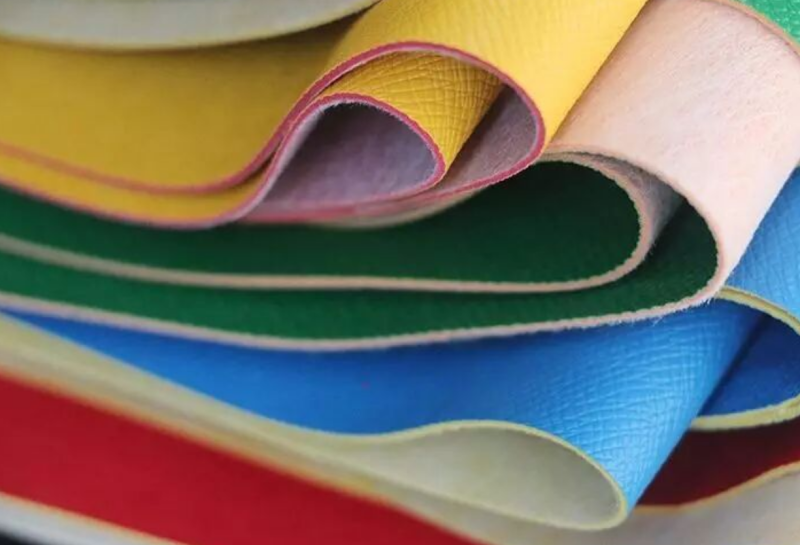


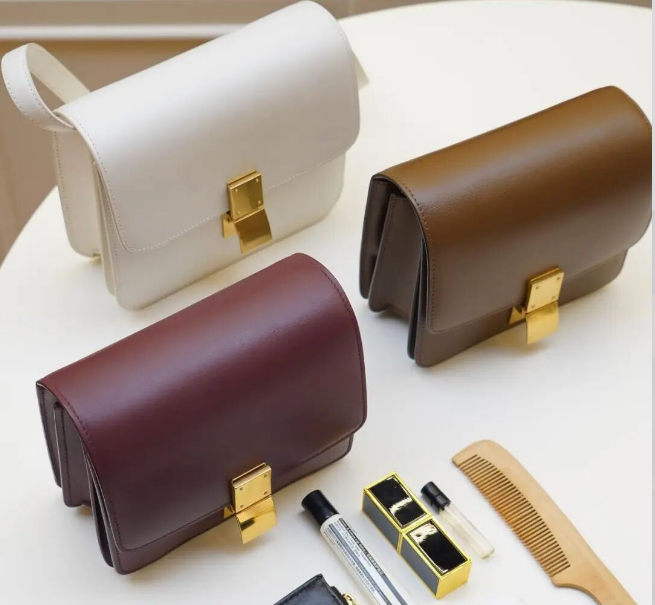
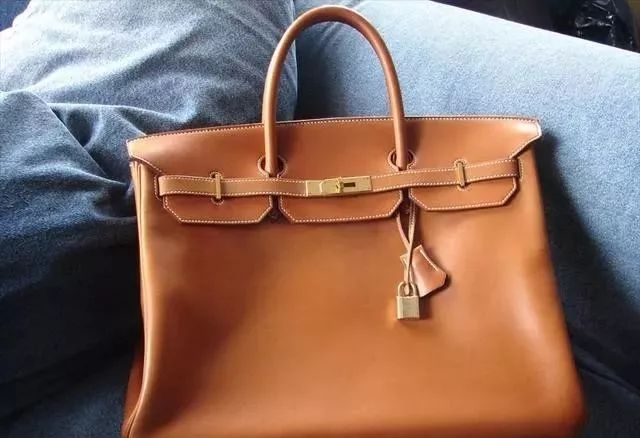
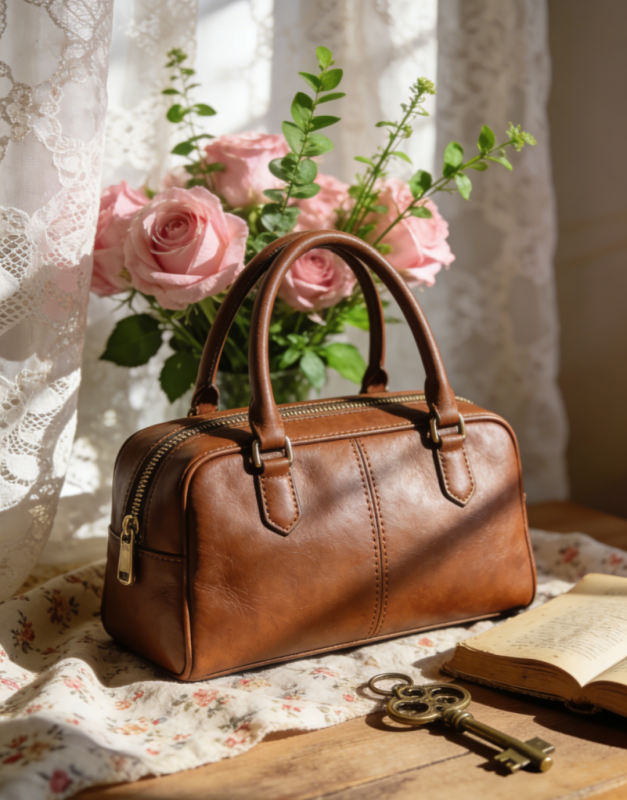
PVC artificial leather is made of polyvinyl chloride artificial leather Abbreviated as PVC leather, it is made by coating fabrics with PVC resin, plasticizers, stabilizers, and other additives to make pastes, or by covering a layer of PVC film, followed by certain processing steps. The products are strong, low-cost, have good decorative effects, waterproof performance, and high utilization, but most still cannot match the feel and elasticity of genuine leather; The longitudinal cross-section has air bubbles, fabric base or surface films, and synthetic fibers. It can be used for various bags, seat covers, linings, etc., and is often used in decoration for soft and hard bags.
![Image [1]-Comprehensive Guide to PVC Artificial Leather Hard Wrapping Installation Process: Material Properties, Substrate Preparation, and Step-by-Step Construction Techniques-Nleather](https://www.nleather.com/wp-content/uploads/2026/06/image-256-1024x698.png "image – Nleather")
Material properties and characteristics
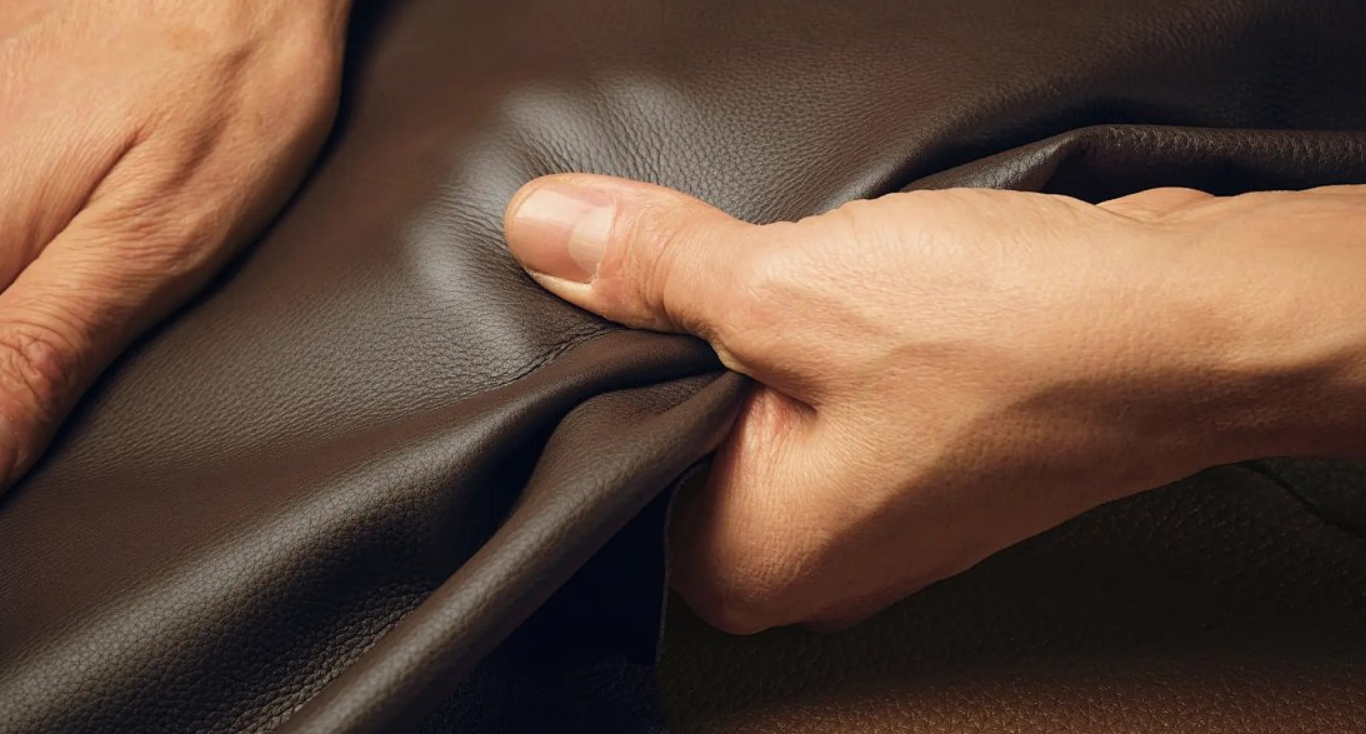
PVC artificial leather is a composite material made by combining polyvinyl chloride or other resins with certain additives, coating or bonding them onto the substrate, and then processing them. It closely resembles natural leather and features softness and wear resistance.
![Image [2]-Comprehensive Guide to PVC Artificial Leather Hard Wrapping Installation Process: Material Properties, Substrate Preparation, and Step-by-Step Construction Techniques-Nleather](https://www.nleather.com/wp-content/uploads/2026/06/image-257.png "image – Nleather")
The traditional product of PVC artificial leather is polyvinyl chloride artificial leather Later, new varieties such as polyolefin leather and nylon leather emerged. It refers to products that closely resemble natural leather in composition, structure, and appearance artificial leather 。 Generally, it refers to products made primarily from polyurethane and non-woven fabric as the base material. Artificial leather can be replaced in almost any situation where leather is used, and is used to make a variety of daily and industrial products.
1. Advantages: Good decorative effect, rich color patterns, environmentally friendly and flame-retardant, lightweight, easy to process, wear-resistant, and inexpensive;
2. Disadvantages: poor breathability, hardening at low temperatures leading to poor flexibility, cracking, poor slip resistance, and poor tactile feel;
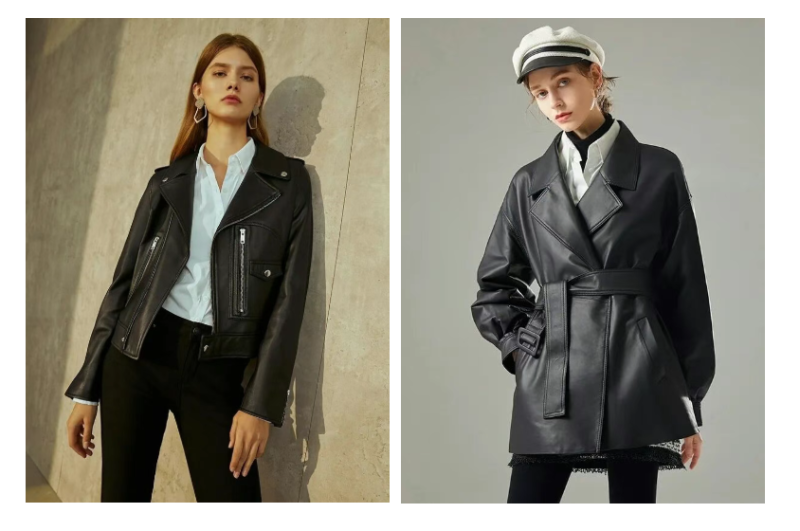
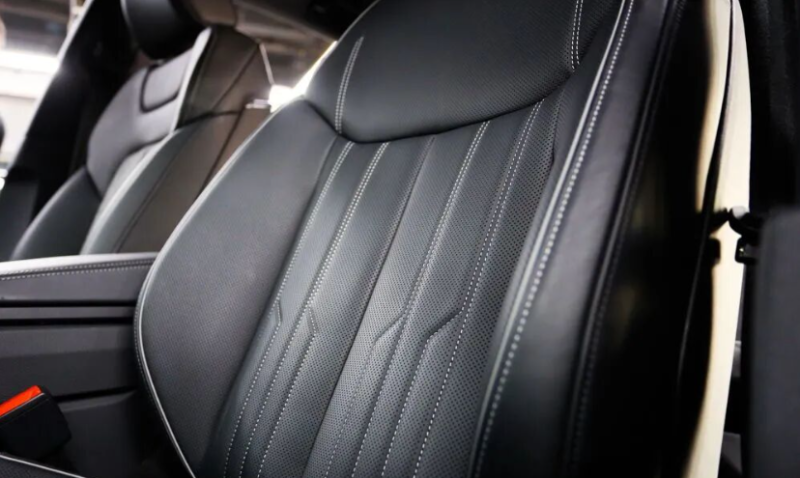
3. Uses: Besides making luggage and seats, it is also used for storage dressing leather It is also suitable for home decoration, sliding doors, TV backgrounds, KTV decoration, upholstered leather, wall upholstery, home leather, sofa leather, furniture leather, and more.
![Image [3]-Comprehensive Guide to PVC Artificial Leather Hard Wrapping Installation Process: Material Properties, Substrate Preparation, and Step-by-Step Construction Techniques-Nleather](https://www.nleather.com/wp-content/uploads/2026/06/image-258.png "image – Nleather")
Materials, processes, and classification
During the manufacturing process of PVC artificial leather, plastic particles are first melted and stirred into a paste, then evenly coated at the specified thickness onto the base of T/C knitted fabric. The foaming is then placed in a foaming furnace to achieve softness that can meet the production of various products and requirements. Surface treatment is performed simultaneously upon release (dyeing, embossing, polishing, matting, surface fuzzing, etc.), mainly according to specific product requirements.
![Image [4]-Comprehensive Guide to PVC Artificial Leather Hard Wrapping Installation Process: Material Properties, Substrate Preparation, and Step-by-Step Construction Techniques-Nleather](https://www.nleather.com/wp-content/uploads/2026/06/image-259.png "image – Nleather")
In addition to being divided into several categories based on substrate and structure, PVC artificial leather is generally divided into the following types by production method.
(1) Scraping PVC artificial leather
Direct Scraping PVC Method artificial leather
Indirect scraping PVC artificial leather , also known as transfer PVC artificial leather (including the steel strip method and release paper method);
(2) Calendered PVC artificial leather ;
(3) Extrusion PVC method artificial leather ;
(4) Circular mesh coating method for PVC artificial leather.
![Image [5]-Comprehensive Guide to PVC Artificial Leather Hard Wrapping Installation Process: Material Properties, Substrate Preparation, and Step-by-Step Construction Techniques-Nleather](https://www.nleather.com/wp-content/uploads/2026/06/image-260-1024x677.png "image – Nleather")
In terms of use, they can be further divided into shoewear, luggage, decorative materials, and several other types. For the same type of PVC, artificial leather According to different classification methods, they can be classified into different categories. like cloth in the marketplace artificial leather , can be made into both ordinary scratched leather and foam leather.
![Image [6]-Comprehensive Guide to PVC Artificial Leather Hard Wrapping Installation Process: Material Properties, Substrate Preparation, and Step-by-Step Construction Techniques-Nleather](https://www.nleather.com/wp-content/uploads/2026/06/image-261-1024x772.png "image – Nleather")
Construction and installation nodes
PVC synthetic leather soft-hard bag process flow
Substrate treatment→ segmentation and layout→ backboard fabrication→ fixed installation→ fabric wrapping→ sponge filling (hard wrapping without sponge), → self-inspection and acceptance → finished product protection
1. Basic treatment
After plastering dried, perform hollowing and flatness checks. The base keel is generally made of wood or light steel keel. The base board can use woodblock board or gypsum board base, but it is recommended to use light steel keel gypsum board as its fire safety requirements and resistance to deformation.
2. Segmented typesetting
Layout and division according to design drawings and relationships with adjacent finishes, striving for transverse joints and uniform slab widths. Check the position of the electrical junction box and equipment in relation to the soft and hard wrapping sections, and choose a centered position.
3. Backboard fabrication
For soft packaging backsheets, multilayer boards and medium-density fiberboard (oil sealing) are generally selected, while hard packs are generally made of multilayer board, medium-density fiberboard (oil sealing), magnesium glass board, or centrifugal glass wool. If there are sockets or equipment on the soft pack, reserve a wooden board base layer on the backboard, with the board thickness matching the filling cotton thickness to prevent denting during installation.
4. Sponge filling
Soft-pack filling sponge materials include sponge, centrifugal cotton, and flame-retardant rubber-plastic cotton. The filling should be slightly 1-2mm above the edges of solid wood to prevent exposed edges. When filling, use universal adhesive to stick to the base plate to keep it flat and free of looseness.
5. Fabric Wrapping
When arranging and cutting according to fabric texture, pay attention to the direction of adjustment. If you encounter irregular hard overlays, be mindful of fabric loss. Finishing can be fixed with a nail gun or universal glue, fixed according to the fabric’s flexibility and pattern direction.
6. Fixed installation
Fixing methods include nail polish, universal glue, silicone glue, and Velcro. For sliding door partitions, it is recommended to use Velcro on the wooden board base, as it does not damage the fabric and is easy to install and disassemble without a nail gun.

No comments yet