

PVC combination finished leather Classification
PVC (polyvinyl chloride) combination finished leather It is made by coating PVC resin onto the surface of the base fabric artificial leather Materials are classified in various ways, mainly from the following dimensions:
![Image [1]-PVC Combination Finished Leather: Stunning, Affordable Durability – Nleather-Nleather](https://www.nleather.com/wp-content/uploads/2026/07/20260726-152250-82Bvz-nleather-silicone-leather.png "20260726-152250-82Bvz-nleather-silicone-leather – Nleather")
By substrate type
- Knitted fabric base leather : Excellent elasticity, mostly used for shoe materials and bag linings.
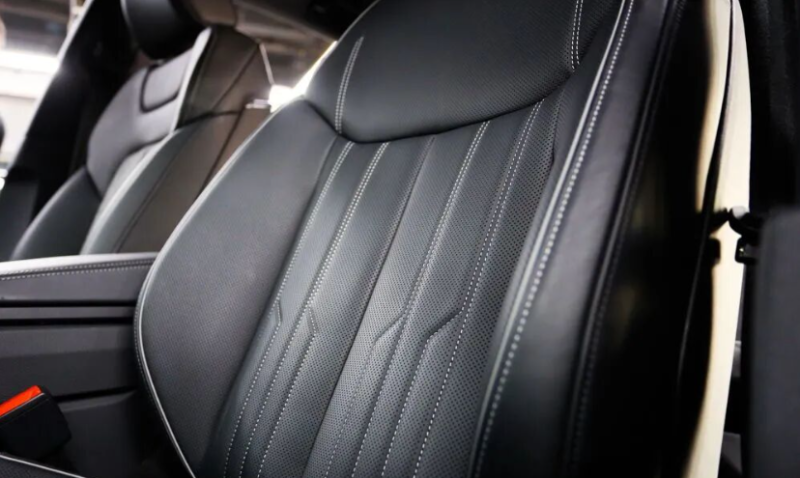
- Woven fabric base leather (Such as canvas, polyester fabric): high strength, suitable for furniture and car seats.
- Non-woven fabric base leather : Outstanding lightweight characteristics, commonly used in medical protective products.
According to surface treatment processes
- embossed leather: Molds are used to press faux leather textures, such as lychee and crocodile patterns.
- Printed leather : Uses digital printing technology to create complex patterns for fashion items.
- Suede leather : Matte surface finish, delicate touch, mostly used in high-end electronic product protective cases.
By application scenario
- Industrial grade : Focus on wear resistance (such as conveyor belt cladding).
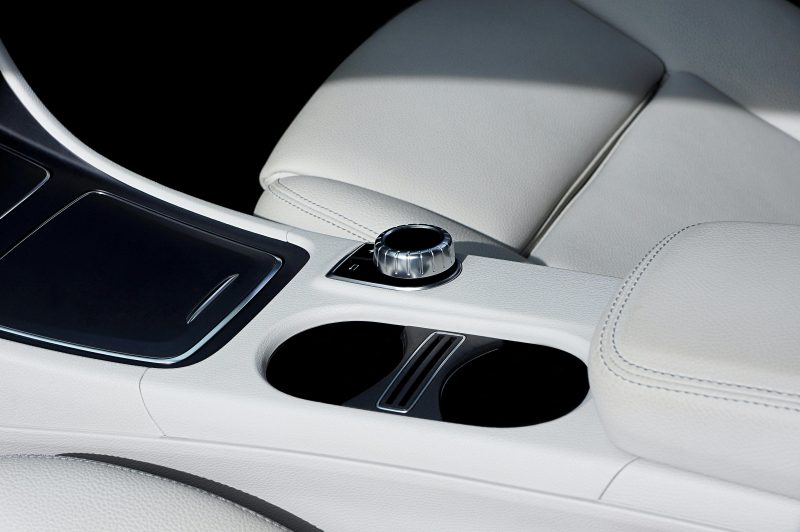
- Decorative grade : Emphasizes aesthetics (sofas, car interiors).
- Special functional type : Additional flame retardant and antistatic functions (medical and laboratory scenarios).
PVC bonding finished leather Analysis of the advantages and disadvantages
Advantages :
- Cost advantages : The raw material price is only one-fifth that of genuine leather, making it suitable for large-scale industrial production.
- Physical properties are stable : Excellent acid and alkali resistance, waterproof performance (water absorption rate).
- Processing adaptability : Softness and hardness can be adjusted using plasticizers (Shore hardness 50A-90A), supporting special processes such as high-frequency welding.
Defects :
- Environmental controversies : Traditional formulations of phthalic plasticizers (such as DEHP) carry migration risks, and the EU has restricted their use in toys.
- User experience limitations : Breathability is only 15%-20% of that of genuine leather, and long-term contact can cause a stuffy sensation.
- Recovery challenges : Pyrolysis of waste products produces HCl gas, which takes over 200 years to degrade in landfill.
![Image [2]-PVC Combination Finished Leather: Stunning, Affordable Durability – Nleather-Nleather](https://www.nleather.com/wp-content/uploads/2026/07/20260726-152326-eMSfF-nleather-silicone-leather.png "20260726-152326-eMSfF-nleather-silicone-leather – Nleather")
Development prospects in application fields
- Upgrading of the existing market
- Automotive sector: Demand for new energy vehicle interiors is surging, with global automotive applications expected to meet in 2025 finished leather The market is expected to reach $4.2 billion.
- Furniture industry: New EU regulations promote the development of halogen-free flame-retardant formulas, with fire resistance ratings reaching UL94 V-0.
Expansion into emerging fields
- Medical applications: Antibacterial PVC leather (with added nano silver particles) is used for sterilizable stretcher bed covers.
- Smart wearable: Interactive skin printed with conductive ink, integrated flexible sensors.
Directions for technological innovation
- Environmental Transition: The substitution rate of bio-based plasticizers (such as citrate) has increased to 35%.
- Performance breakthrough: Microporous foam technology increases breathability by 300%, approaching the level of genuine leather.
PVC combination finished leather In 2023, it still held a 45% share of the global market but faced strong competition from PU leather and microfiber leather. The future breakthrough lies in:
- Building a closed-loop production system (such as Toray’s chemical recycling demonstration line)
- Developing integrated functional products (self-healing coatings, temperature-sensitive color change, etc.)
- Enhance environmental credibility through LCA certification
The industry must accelerate its transformation toward high performance and sustainability while maintaining cost advantages to achieve sustainable development under the 2050 carbon neutrality goal.



No comments yet