

There are many categories of automotive interior leather, generally divided into two main categories: One category is traditional leather , such as traditional leather, PVC, PU leather, etc., The other category is leather with eco-friendly and sustainable labels , including: complete Veg-tan Genuine leather, POE eco-friendly leather, silicone leather, etc.
![Image [1]-Automotive Leather Materials: Stunning Eco-Friendly Breakthroughs – Nleather-Nleather](https://www.nleather.com/wp-content/uploads/2026/07/20260726-064319-zJvCN-nleather-silicone-leather.png "20260726-064319-zJvCN-nleather-silicone-leather – Nleather")
Genuine leather
Traditional genuine leather interior for cars refers to the process of peeling raw leather from animals (cows, pigs, sheep, etc.) through processing. In the CMF field, genuine leather has always been a very high-end material that can greatly enhance the product’s grade. Generally, only high-end or high-end versions of ordinary cars can afford it 。 Therefore, using genuine leather interior is one of the key factors in judging a car’s luxury. Its delicate touch and premium appearance make it very popular among many consumers.
However, in the future, the use of genuine leather in car interiors may gradually decrease, Materials like vegan leather as alternatives to genuine leather are also continuously increasing 。
Here you need to The focus is on one whole approach Veg-tan Genuine leather , an environmentally friendly process technology. This difference from traditional genuine leather production lies more in the tanning process, which involves extracting natural plants such as thorn bark and thorn seeds, Extracting Tara Gum into a vegetable tanning agent , made from vegetable oils as softeners. Contains no chromium, glutaraldehyde, contains no harmful chemicals, and is biodegradable; Non-toxic, allergenic, and low-odor, it achieves the highest standard of baby-level safe contact. It has already been applied in models such as NIO and Hongqi.
As you can see, The core of this technology’s environmental protection lies in being entirely new Veg-tan Solution , that is, the addition of bio-based tanning agents and other materials. Compared to traditional tanning methods, it reduces tanning water consumption by more than 30%, greatly saving water resources and promoting green industrial upgrading.
![Image [2]-Automotive Leather Materials: Stunning Eco-Friendly Breakthroughs – Nleather-Nleather](https://www.nleather.com/wp-content/uploads/2026/07/20260726-064423-5P7ac-nleather-silicone-leather.png "20260726-064423-5P7ac-nleather-silicone-leather – Nleather")
PVC leather
Since last year, the entire global automotive industry has been in harmony finished leather In the market, PVC leather dominates. PVC leather is a type of faux leather material, and it is a type of synthetic leather finished leather A type of , with actual composition of polyvinyl chloride. During manufacturing, plastic pellets are first melted and stirred into a paste, evenly coated on the T/C knitted fabric base at the specified thickness, then placed in a foaming furnace to achieve softness suitable for producing various products and requirements. Surface treatment is performed simultaneously after release (dyeing, embossing, polishing, matting, surface fuzzing, etc.). Generally, the texture is formed by hot pressing with steel patterned rollers.
This is a relatively mature material and process, with very clear advantages and disadvantages 。 Advantages include easy processing, wear resistance, and low cost. Disadvantages include poor breathability, easy aging, hardening at low temperatures, cracking, poor slip resistance, excessive use of plasticizers that harm and pollute the body, and strong odors. Mainly used for relatively ordinary models.
![Image [3]-Automotive Leather Materials: Stunning Eco-Friendly Breakthroughs – Nleather-Nleather](https://www.nleather.com/wp-content/uploads/2026/07/20260726-064502-qra9T-nleather-silicone-leather.png "20260726-064502-qra9T-nleather-silicone-leather – Nleather")
PU leather
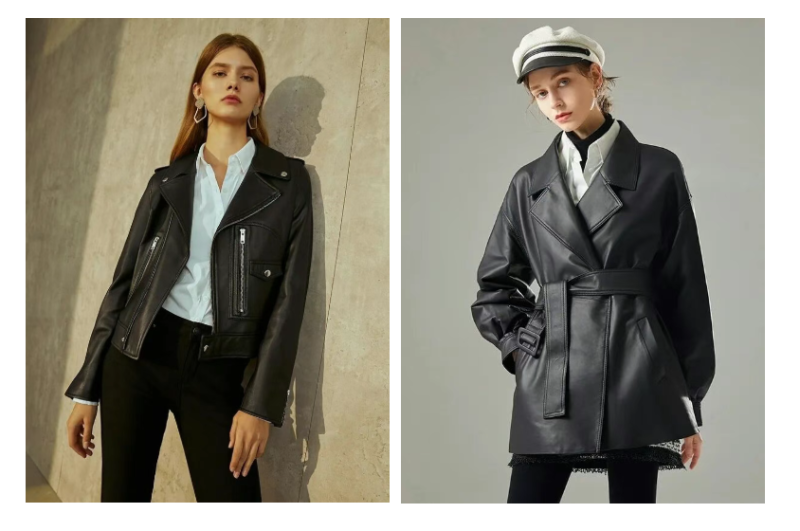
PU leather is the surface made of polyurethane .The manufacturing process involves coating the fabric surface with PU resin solution, and the process is low-carbon and environmentally friendly, aligning better with the trend of green transformation in the industrial chain. Surface patterns are made by hot-pressing a type of patterned paper onto the surface of semi-finished leather, then waiting for it to cool before separating the leather and performing surface treatment. PU leather is widely used for decorating mobile phones, bags, clothing, shoes, vehicles, and furniture, and it has increasingly gained market recognition. Currently, there are many types, such as dry PU leather, highly wear-resistant and durable PU leather, eco-friendly PU leather (water-based or bio-based recycled, etc.), and ultra-fine fiber PU combination finished leather and more.
Generally speaking, PU leather performs better than PVC leather but is also more expensive.
![Image [4]-Automotive Leather Materials: Stunning Eco-Friendly Breakthroughs – Nleather-Nleather](https://www.nleather.com/wp-content/uploads/2026/07/20260726-064625-g3CNF-nleather-silicone-leather.png "20260726-064625-g3CNF-nleather-silicone-leather – Nleather")
POE lightweight eco-friendly leather
POE lightweight eco-friendly leather is made from polyolefin elastomer materials through a special processing technique, and its production process is harmless to both the environment and human health 。 In automotive applications, the use of XPO’s lightweight eco-friendly leather material not only contributes to automotive lightweighting but also meets the demands for high quality, environmental protection, and health. XPO lightweight eco-friendly leather not only meets the market’s demand for high-quality leather materials but also contributes to environmental protection and sustainable development. It is a new material with promising prospects and market potential.
POE lightweight eco-friendly leather features multiple characteristics, including softness, comfort, environmental friendliness, stain resistance, high weather resistance, and better color stability Compared to traditional PU leather and PVC leather, it is more comfortable, softer, lighter, and more environmentally friendly and safe (low VOC, free of harmful substances, etc.). It is a material that combines fashion and environmental friendliness, meeting consumers’ demand for high-quality leather materials.
![Image [5]-Automotive Leather Materials: Stunning Eco-Friendly Breakthroughs – Nleather-Nleather](https://www.nleather.com/wp-content/uploads/2026/07/20260726-064701-kkfTV-nleather-silicone-leather.png "20260726-064701-kkfTV-nleather-silicone-leather – Nleather")
Silicone leather
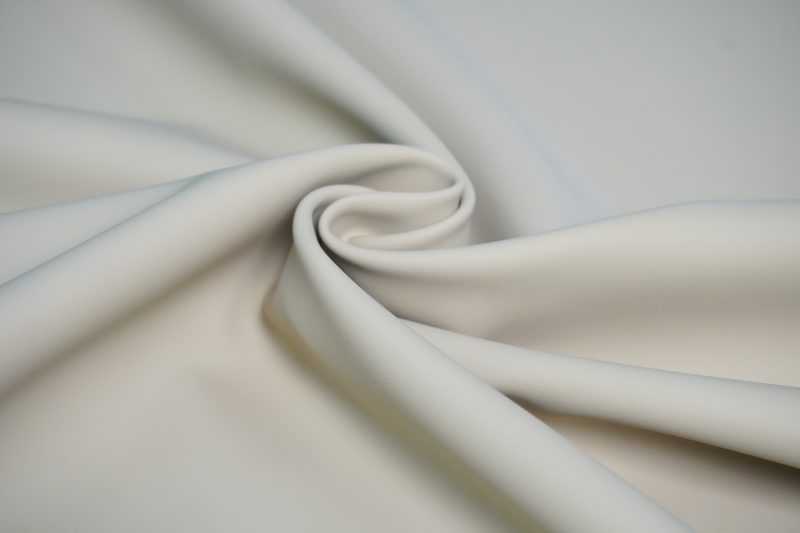
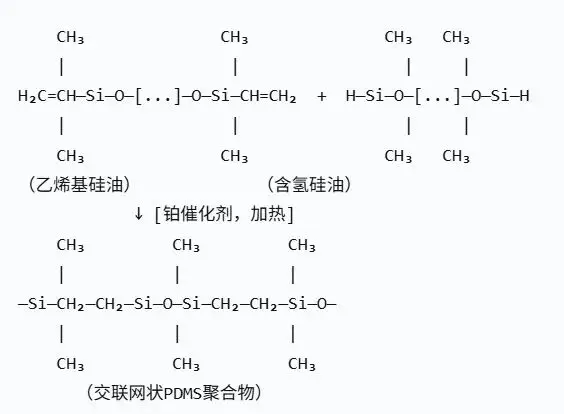
The formation of silicone leather is a process, which is the transition from inorganic to organic, and also includes the bonding and coating of the base material (base fabric) with the silicone layer.
Generally, silicone leather mainly consists of three layers, with some adding an intermediate functional layer beneath the surface layer to achieve mechanical and other properties. The microstructure of silicone leather varies slightly between companies.
- Surface layer: Made of 100% silicone material, it directly reflects tactile and wear resistance;
- Bonding layer: 100% silicone adhesive material, with layered connection functionality;
- Base Material: Knitted fabric, woven fabric, microfiber, genuine leather.
Silicone leather is an environmentally friendly and sustainable material, mainly reflected in the following aspects:
- Material Traceability: The source of organosilicon is silicon-based materials such as quartz sand and silicon ore;
- Green Manufacturing: Low water consumption, energy consumption, and carbon emissions;
- Renewable/Recyclable: Many materials in the production process of silicone leather can be recycled and reused, including degradation and regeneration of waste liquid, and recycling PET to make fiber base fabrics;
- No additives: No solvents are needed, no irritating odors evaporate, and no allergic reactions caused by long-term contact.
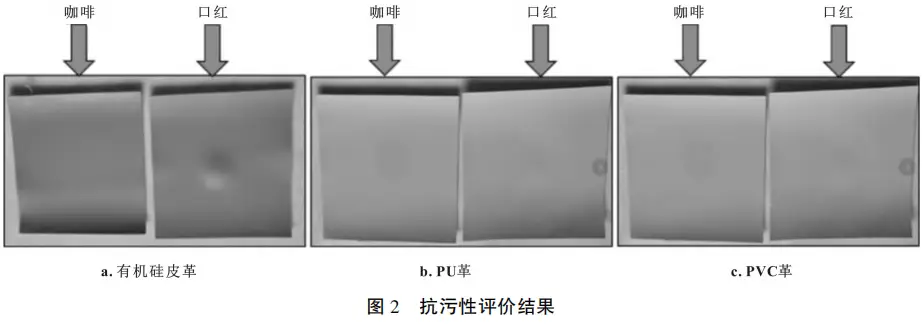
Besides being environmentally friendly, silicone leather also has skin-friendly texture, weather resistance, and stain resistance, and is currently still in the early stages of development.
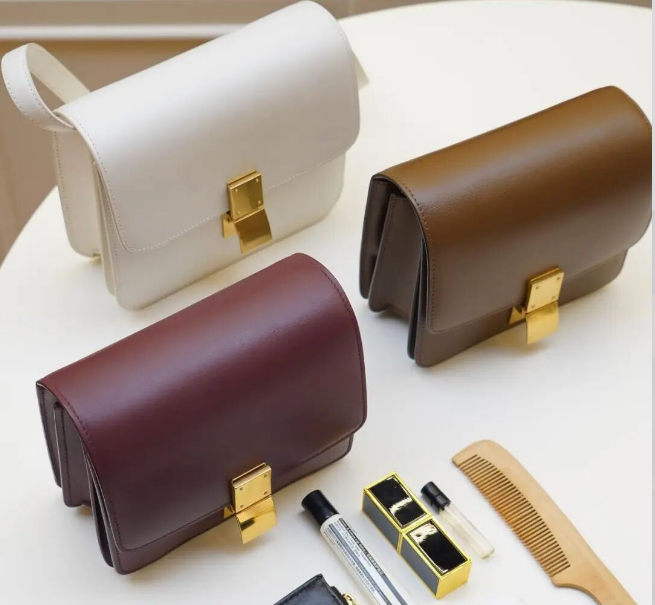
Silicone leather can be applied to various materials, offering great flexibility in CMF design for products. Currently, it can produce effects such as pearlescent 3D relief.

No comments yet