

Silicone leather and silicone-based materials
Introduction to silicon-based materials
First, let’s get to know the element “silicon.”
Compounds of silicon and oxygen are found almost throughout the Earth, accounting for 87% of the Earth’s crust’s total mass, with very rich reserves. The forms of silicon-oxygen combinations on Earth include: quartz, crystal, sand, granite, kaolin, mica, and others.
The process of forming silicone leather
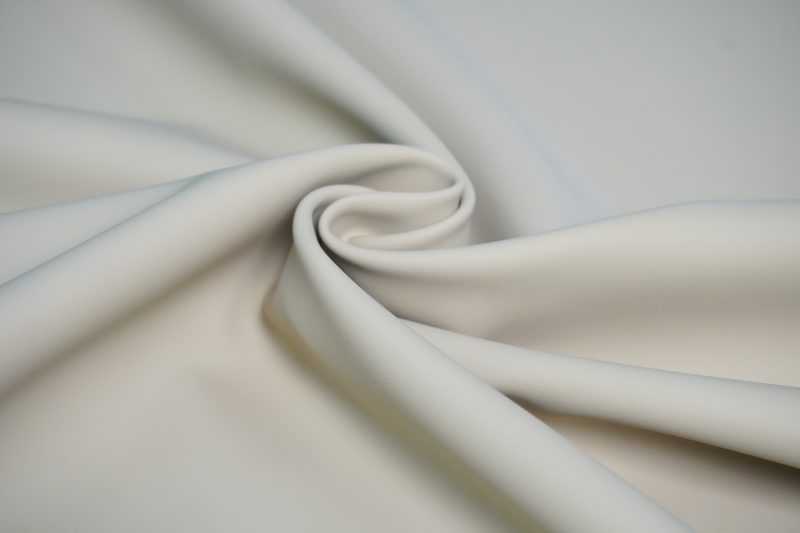
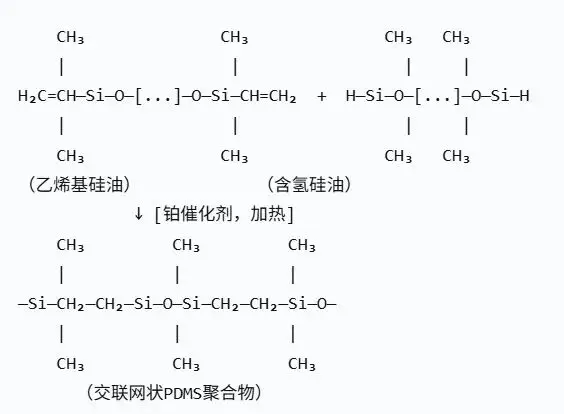
It can be seen that the formation of silicone leather requires a process, including the transition from inorganic to organic, as well as the bonding and coating of the base material (base fabric) and the silicone layer.
![Image [1]-Silicone Vegan Leather: Stunning Eco-Friendly Revolution – Nleather-Nleather](https://www.nleather.com/wp-content/uploads/2026/07/20260726-115419-7cvhj-nleather-silicone-leather.png "20260726-115419-7cvhj-nleather-silicone-leather – Nleather")
Silicone and its leather structure
Silicone structure
Organosilicon has a main chain composed of -Si-O- basic units, with side chains connected to other organic groups via silicon atoms. Because of this structure, silicone materials combine the stability of inorganic materials with the elasticity and plasticity of organic materials.
Silicone leather structure
Generally speaking, silicone leather mainly consists of several layers of structure, Some add an intermediate functional layer beneath the surface layer to achieve mechanical and other properties. The microstructure of silicone leather varies slightly between companies.
- Surface layer: Made of 100% silicone material, it directly reflects tactile and wear resistance;
- Bonding layer: 100% silicone adhesive material, with layered connection functionality;
- Base Material: Knitted fabric, woven fabric, microfiber, genuine leather;
Why is silicone leather considered environmentally friendly?
Material Traceability
The current energy crisis and climate deterioration stem from the depletion of fossil raw materials and the incineration and disposal of carbon-based materials. The source of organosilicon is silicon-based materials such as quartz sand and silicon ore; The source of leather such as PU, PVC, TPE, and TPO comes from fossil raw materials like petroleum and natural gas; The source of dermis is the animal epidermis. From this, it is clear that the source of the material is silicone being more environmentally friendly.
![Image [2]-Silicone Vegan Leather: Stunning Eco-Friendly Revolution – Nleather-Nleather](https://www.nleather.com/wp-content/uploads/2026/07/20260726-115450-BaUiV-nleather-silicone-leather.png "20260726-115450-BaUiV-nleather-silicone-leather – Nleather")
Green manufacturing
From a manufacturing perspective, or every 1 yard of organosilicon synthesizer produced, finished leather , Energy consumption is as follows:
- Water consumption: 0kg/Y;
- Energy consumption: 0.7KWh/Y, which is only about two-thirds that of traditional leather
- Carbon emissions: 0.15kg/Y, only 1/8 to 1/5 of traditional leather; Silicone waste: 100% recycled and reused
Renewable/recyclable
Many materials in the production process of silicone leather can be recycled, including waste liquid degradation and regeneration, recycled PET to make fiber base fabrics, and more.
No additives
from selecting silicon ore raw materials to production, no solvents are needed, there is no irritating odor evaporation, and no allergic reactions caused by long-term contact. The additive-free nature of silicone leather is reflected in four aspects:
- Solvent-free production process, no use of toxic or harmful chemical solvents or plasticizers, and no exhaust gas generation;
- The material itself is flame-retardant, requiring no added flame retardants or subsequent flame-retardant treatment steps, producing no wastewater;
- No fluorine-containing materials or PFOA or PFOS, so it does not affect biological health;
- No anti-mold or antibacterial agents, so it does not affect aquatic organisms;




No comments yet