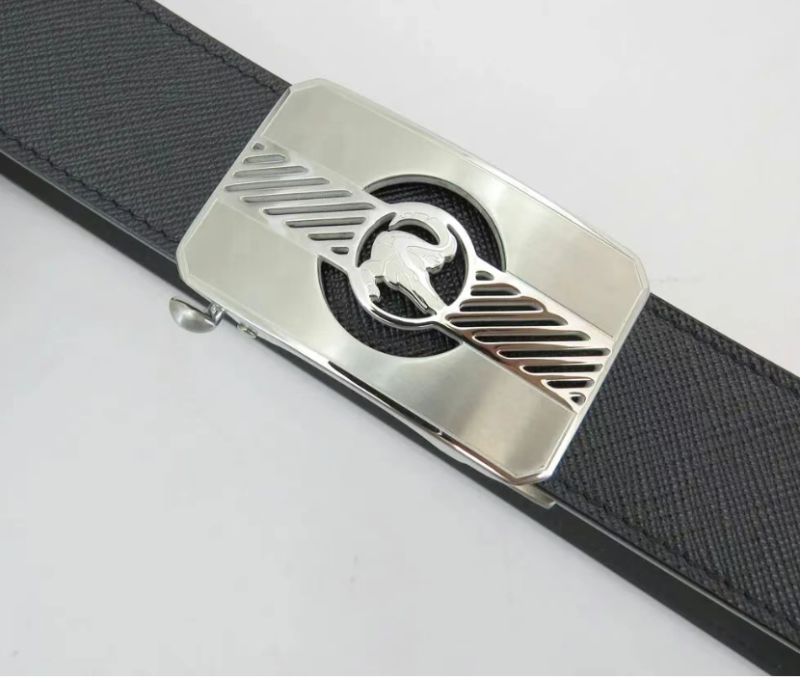


![Image [1]-Leather Belt Materials Guide: Genuine Cowhide, Top Grain, Veg-Tan, and Eco-Friendly Standards for Choosing Durable and Stylish Belts-Nleather](https://www.nleather.com/wp-content/uploads/2026/06/image-85.png "image – Nleather")
Environmentally friendly and healthy
Long-term contact with substandard leather and hardware can harm the human body due to the transfer of chemical raw materials. In daily life, some of our friends may be allergic to belts, mainly because harmful substances exceed safe limits.
As for environmental standards, as a manufacturer, Bolando Industrial encounters two commonly used standards: national and European standards. The main difference in the standards is the types and content of harmful substances measured. 100% absence often means different processes, such as leather feel and hardware buckle materials.
![Image [2]-Leather Belt Materials Guide: Genuine Cowhide, Top Grain, Veg-Tan, and Eco-Friendly Standards for Choosing Durable and Stylish Belts-Nleather](https://www.nleather.com/wp-content/uploads/2026/06/image-87.png "image – Nleather")
Belt Materials:
Common belt materials include webbing, rubber, metal, PVC, PU, silicone leather, microfiber, two-layer leather, cow leather Many rare animal leathers, etc. Here, we focus on leather. Otherwise, why call it a belt? Genuine leather belts, the mainstream materials used for belts.
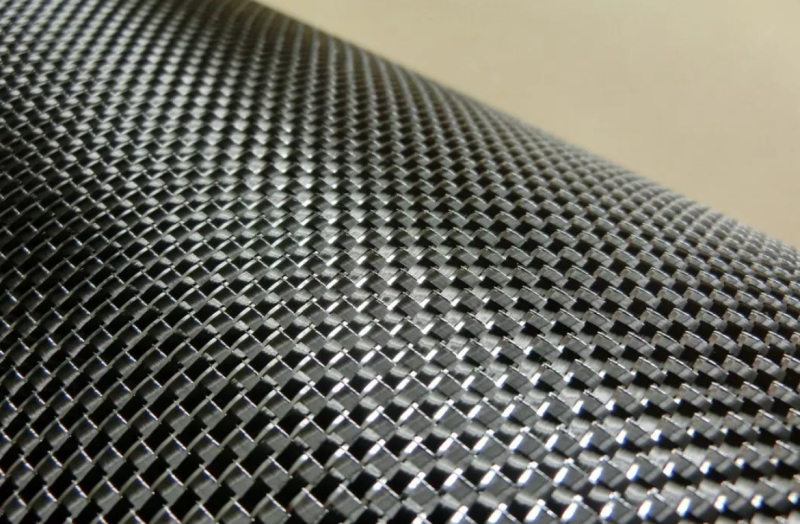
1. Webbing: Made by weaving, with environmental standards mainly based on dye standards. The difference is that there are European standard products and domestic standards.
2. Rubber: The type directly pressed and molded at the farmers’ market, with a simple process and low cost. There are many in the Yiwu market.
3. Metal belt: niche, depends on personal preference. Relatively stiff, inconvenient for large movements. No elasticity.
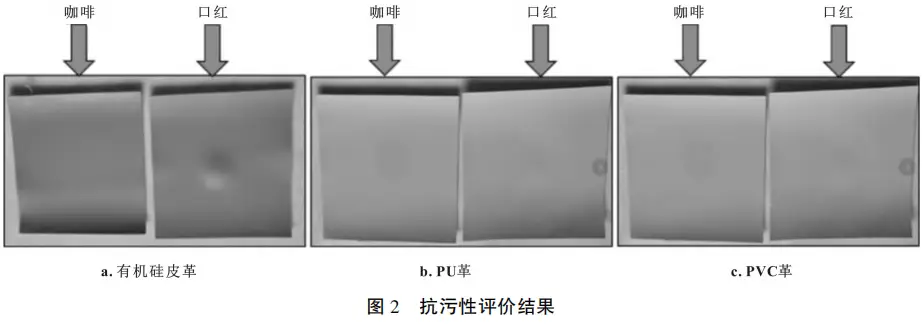
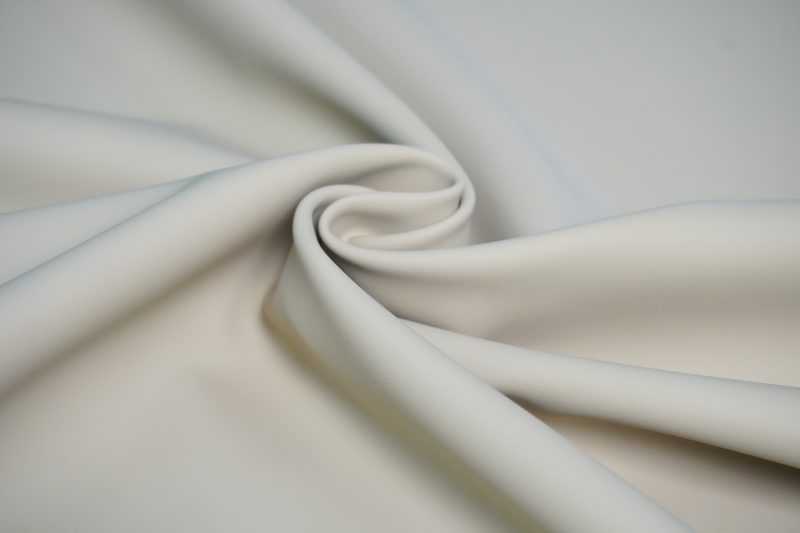
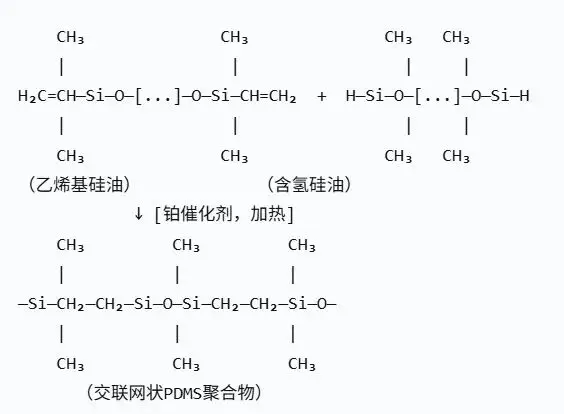
4. PVC, PU, silicone leather, microfiber materials: PVC is mainly used for automatic edging in men’s clothing, as a replacement cow leather , with a similar tactile feel. PU and ultra-fiber are used in the highest amount, suitable for fashion and handbags. Silicone leather, available in various colors, good performance, environmentally friendly, wear-resistant, stain-resistant, and the latest available artificial leather Technology is definitely the mainstream material for the future.
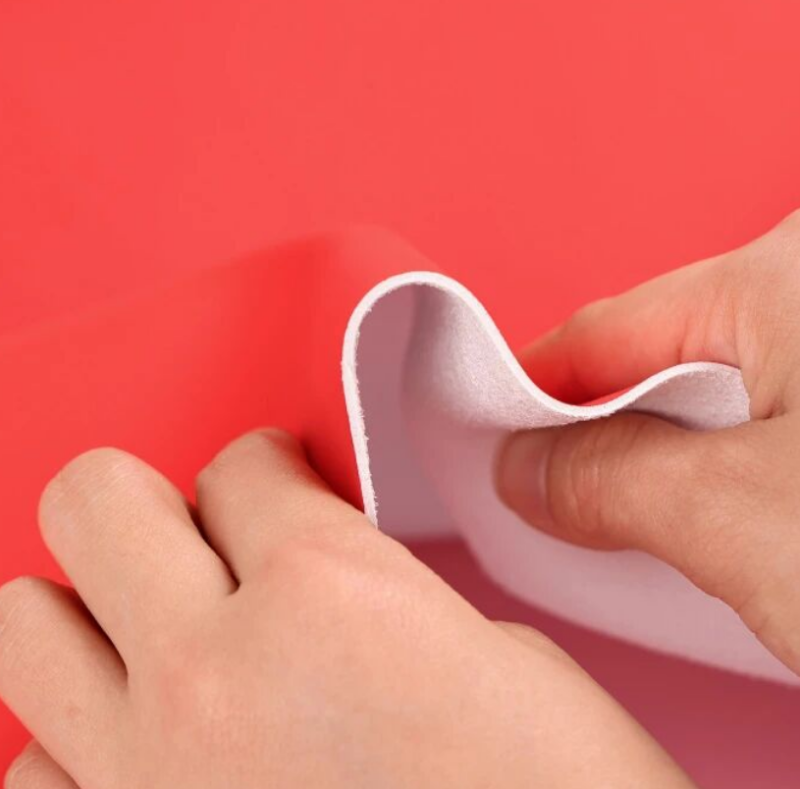
5. Two-layer leather and silicone materials: The biggest advantage of these materials is that they can be called genuine leather and use artificial patterns to compensate for the aesthetic fatigue of top-layer leather, offering a wide variety of colors and patterns. The downside is planned scrapping, and when the surface material ages or peels, it needs to be replaced with a new one. However, this is not a big problem, and consumers don’t have high demands for fashion decorative belts. If they get old, they can be replaced, and they are inherently cheaper.
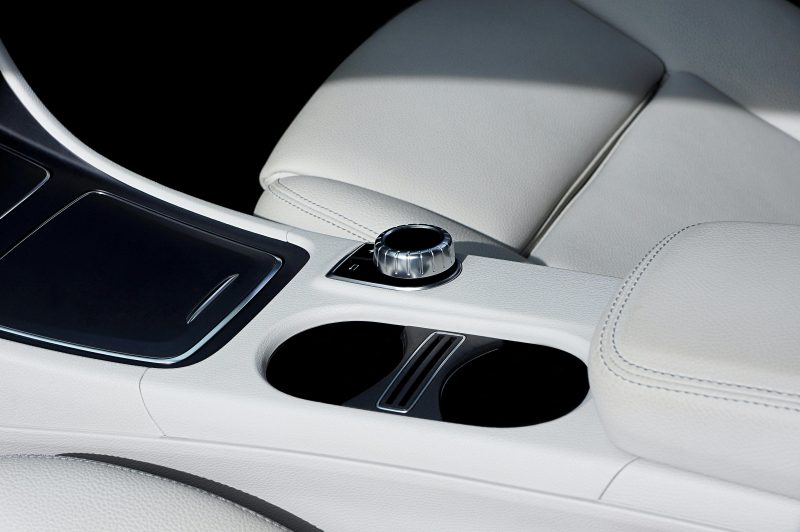
6. Top layer cow leather : Only the first layer cow leather Only leather that retains the surface dermis can be called genuine leather. This is a biological concept. There is no dermis layer cow leather At best, it’s just two-layer leather. The pressed leather on the market, the main material for pig intestine belts, is cheaper than two-layer leather, but it’s also called top-layer leather, which actually no longer has a genuine leather. The main reason is that the surface of the leather is too poor, so it can only be deeply ground down and then pressed with a new texture, usually a drop mark, also called ‘pressed leather’ in the industry.
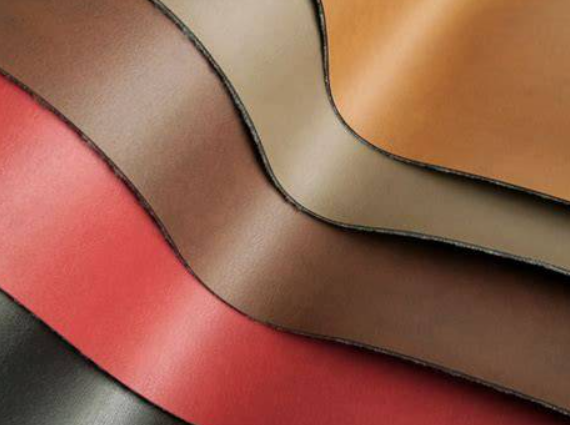
The top layer for making belts and bags cow leather , based on the degree of leather repair: usually divided into different grades such as surface leather, light leather, semi-grain, grain, etc. The higher the grade, the more original genuine leather is retained, resulting in more genuine leather features. Conversely, if too much surface repair is done, the leather surface will have varying degrees of plastic feel, which consumers often say doesn’t look like genuine leather.
Based on the thickness of the leather blank, commonly used specifications include 124, which is 1.2-1.4 millimeters, 135, 146, 168, 1820, 2022, and some even exceed 5 to 6 millimeters. Thicker leather is not always better, because a sandwich is needed to help achieve good durability and deformation resistance of the belt, and many require thinning to achieve it.
According to the tanning process of leather, chrome-tanned leather, Veg-tan Hide, Veg-tan The bark is also called tree resin bark, and sometimes called ‘tree lamb bark.’ According to this cow leather The type of cow is milk cow leather , small cow leather , Grand Duke cow leather 。 Different leather materials have different advantages and disadvantages, as well as different styles, so material selection should be based on different design styles, cost requirements, and usage scenarios.
Veg-tan Advantages of leather/resin leather: chromium-free, environmentally friendly and non-toxic, but disadvantage: fades easily. This is determined by the manufacturing process, just like jeans fabric tends to fade more easily than other fabrics, which is a technical flaw. Nevertheless, it is still loved by consumers. Some personalized fashion belts use their features to wash the strap and speed up the loss of some color, creating a vintage look. The more you use it, the more retro and distinctive it becomes.
Based on the cattle’s hide, they are usually divided into two main categories: water buffalo and yellow cattle. Water buffalo is rough and yellow cow leather Appears delicate. Water buffalo tends to loosen the dough easily and is relatively affordable. Yellow cattle are less prone to loose dough and are relatively more expensive.
7. Rare animal leather: crocodile leather, ostrich leather, python leather, pearlfish leather, etc. Most of these are high-end products, but their prices vary greatly. For example, a regular crocodile leather patched belt (small pieces of leather spliced) can even cost less than a mid-range top-tier belt cow leather If the product is made from imported crocodile skin, it’s really not something ordinary consumers can afford.
If you don’t understand materials, just look at the craftsmanship. The best-selling edge bands on the market are basically made with the lowest-grade leather blanks and cheap chemicals. But from a material perspective, this is definitely top-tier cow leather.
The process is simple, output is high, and combined with low leather prices, overall costs drop instantly. You can even confidently call it the top layer cow leather , so sales are also high, and it is undoubtedly number one.
But not all of these processes are low-grade leather; judge for yourself. It’s just that this process is relatively simple, allowing for rapid production and maximizing capacity. Of course, it also has the largest consumer base.
![Image [3]-Leather Belt Materials Guide: Genuine Cowhide, Top Grain, Veg-Tan, and Eco-Friendly Standards for Choosing Durable and Stylish Belts-Nleather](https://www.nleather.com/wp-content/uploads/2026/06/image-86.png "image – Nleather")

No comments yet