
Pure cotton
Natural fabrics are comfortable to wear, breathable, and warm, but wrinkle-like, hard to maintain, have poor durability, and fade easily. Therefore, fabrics made entirely of 100% cotton are rare; generally, cotton content above 95% is called pure cotton.
Advantages: It has strong moisture absorption, good dyeing performance, a soft feel, comfortable to wear, does not generate static electricity, has good breathability, is hypoallergenic, has a simple appearance, is not easily damaged by insects, is sturdy and durable, and easy to clean.
Disadvantages: High shrinkage, poor elasticity, easy to wrinkle, poor shape retention, easy mold, slight fading, and poor acid resistance.
![Image [1]-Fabric Pros and Cons: Detailed Analysis of Cotton, Linen, Silk, Wool, Polyester, and Blended Fabrics with Advantages and Disadvantages-Nleather](https://www.nleather.com/wp-content/uploads/2026/06/image-55.png "image – Nleather")
Organic cotton
A type of cotton made from non-GMO cotton seeds, produced according to organic farming standards and certified, with no chemical fertilizers or pesticides used during cultivation, environmentally friendly and pollution-free.
Advantages: With its soft feel and bright color, organic cotton has much better abrasion resistance and elasticity than regular cotton. It’s resistant to mold, doesn’t cause allergies, and is highly absorbent, breathable, and warm.
Disadvantages: High cost, expensive, average wrinkle resistance, and prone to lint adhesion.
Moder
A type of cellulose fiber, like human cotton, is a cellulose fiber and is a pure man-made fiber. Advantages: Excellent moisture absorption and breathability, resistant to fading, yellowing, wrinkles, or shrinkage, with natural drape and wrinkle resistance, a silky sheen, and excellent texture.
Disadvantages: It is extremely prone to deformation, more expensive than ordinary cotton fabric, has poor abrasion resistance, and is prone to damage.
![Image [2]-Fabric Pros and Cons: Detailed Analysis of Cotton, Linen, Silk, Wool, Polyester, and Blended Fabrics with Advantages and Disadvantages-Nleather](https://www.nleather.com/wp-content/uploads/2026/06/image-56.png "image – Nleather")
Cotton fabric
Cotton fabric is a general term for various cotton textiles.
Advantages: It is easy to keep warm, soft and fits closely to the body, with excellent moisture absorption and breathability.
Disadvantages: It shrinks easily and wrinkles, and the appearance is not very crisp or attractive. It must be ironed frequently when worn.
![Image [3]-Fabric Pros and Cons: Detailed Analysis of Cotton, Linen, Silk, Wool, Polyester, and Blended Fabrics with Advantages and Disadvantages-Nleather](https://www.nleather.com/wp-content/uploads/2026/06/image-57.png "image – Nleather")
Made entirely of cotton mercerized fabric
Advantages: After being treated with high concentrations of caustic soda (wool), cotton fabrics feel smooth to the touch, have bright colors, and a silky sheen, making them comfortable to wear.
Disadvantages: There is a slight fading phenomenon.
![Image [4]-Fabric Pros and Cons: Detailed Analysis of Cotton, Linen, Silk, Wool, Polyester, and Blended Fabrics with Advantages and Disadvantages-Nleather](https://www.nleather.com/wp-content/uploads/2026/06/image-58.png "image – Nleather")
T/C fabric (polyester/cotton)
It refers to a general term for polyester-cotton blended fabrics, woven from 65%–67% polyester and 33%–35% cotton blended yarns, commonly known as cotton Dacron. For polyester-cotton blended products, those with cotton content higher than polyester are generally called CVC yarns, while those with a T/C yarn are generally referred to as T/C yarns. When we talk about CVC, we usually refer to products with cotton content above 65%, while those with a C/T ratio below 55/45 are generally still called T/C yarns.
Fabric Craftsmanship: Made by weaving fine denier or ultra-fine denier polyacetic fibers with high-count combed cotton (40, 60, 80, etc.).
Advantages: The fabric feels crisp and smooth, with bright colors, elastic body, good moisture absorption and breathability, a smooth surface, and some rainproof properties.
Disadvantages: Vacuum and difficult to clean, and do not iron or soak at high temperatures.
![Image [5]-Fabric Pros and Cons: Detailed Analysis of Cotton, Linen, Silk, Wool, Polyester, and Blended Fabrics with Advantages and Disadvantages-Nleather](https://www.nleather.com/wp-content/uploads/2026/06/image-59.png "image – Nleather")
Lycra (spandex)
It is a fabric made from spandex fibers (short for Spandex polyurethane fiber), and in mainland China, it is sometimes simply called “spandex fabric.”
Advantages: Good elasticity, good alkali resistance, and heat resistance.
Disadvantages: Exposure to sunlight causes yellowing, and moisture easily leads to mold.
![Image [6]-Fabric Pros and Cons: Detailed Analysis of Cotton, Linen, Silk, Wool, Polyester, and Blended Fabrics with Advantages and Disadvantages-Nleather](https://www.nleather.com/wp-content/uploads/2026/06/image-60.png "image – Nleather")
Cowboys
It is a relatively thick yarn-dyed twill cotton fabric with a warp surface. The warp yarn is dark-colored, generally indigo, while the weft yarn is lighter, usually light gray or refined white yarn. Also known as indigo labor cloth.
Advantages: A single piece of fabric can be printed into infinite colors and styles, with endless variations.
Disadvantages: Poor color fastness leads to severe color fading, and you can’t control the color of your clothes. Among them, thin fabric feels soft, comfortable, cool, lightweight but wrinkles easily, and is not abrasion-resistant. Thick fabric: wear-resistant, wear-resistant, washable, not wrinkle-prone but feels stiff and difficult to clean.
![Image [7]-Fabric Pros and Cons: Detailed Analysis of Cotton, Linen, Silk, Wool, Polyester, and Blended Fabrics with Advantages and Disadvantages-Nleather](https://www.nleather.com/wp-content/uploads/2026/06/image-61.png "image – Nleather")
Corduroy
Cotton fabrics with weft cutting and uplifting and forming longitudinal velvet strips on the surface, named because corduroy slivers resemble lamp wicks. The main raw material for corduroy is cotton, but it can also be blended with polyester, acrylic, spandex, and other chemical fibers.
Advantages: Soft to the touch, with straight velvet strips, clear grain, full pile, and a firm, wear-resistant texture.
Disadvantages: They are more prone to tearing, especially along the direction of the sliver, which has lower tear strength and tends to attract lint.
![Image [8]-Fabric Pros and Cons: Detailed Analysis of Cotton, Linen, Silk, Wool, Polyester, and Blended Fabrics with Advantages and Disadvantages-Nleather](https://www.nleather.com/wp-content/uploads/2026/06/image-62.png "image – Nleather")
Cotton and linen
A general term for cotton-linen blended fabrics. Cotton-linen blending refers to textile products made by mixing cotton and hemp in a certain proportion, spinning and weaving them. Cotton-linen blends offer advantages such as being environmentally friendly, breathable, comfortable, drapey, and comfortable to wear. Because this fabric has good elasticity and abrasion resistance in both dry and wet conditions, stable dimensions, low shrinkage, is upright, wrinkle-resistant, easy to wash, and quick-drying, and is made from all-natural fiber weaving, it is low-carbon and environmentally friendly, aligning with current international textile and apparel trends. Therefore, it is very suitable for clothing and home textile fabrics.
Advantages: Excellent breathability, quickly absorbs and removes moisture, is lightweight and cool, and also inhibits bacteria and mold, anti-static, radiation, and allergies.
Disadvantages: Suitable for hand washing, easily deformed, pilling, severe discoloration, prone to yellowing, and fading easily under direct sunlight.
![Image [9]-Fabric Pros and Cons: Detailed Analysis of Cotton, Linen, Silk, Wool, Polyester, and Blended Fabrics with Advantages and Disadvantages-Nleather](https://www.nleather.com/wp-content/uploads/2026/06/image-63.png "image – Nleather")
Ma 麻
There are many varieties of hemp fiber, but only a few soft hemp fibers—ramie, flax, jute, and robu hemp—can be used as textile fiber materials. The main component of hemp is cellulose, along with pectin, fat, lignin, and more.
Advantages: Strong and powerful, not easily teared, breathable, with a unique cooling sensation, sweat does not stick to the body; The color is bright with a good natural luster, resistant to fading and shrinkage; It conducts heat and absorbs moisture more than cotton fabric, is resistant to abrasion, high temperature, acids and alkalis, mold, and is not prone to moisture or mold; It is moth-resistant and mildew-resistant, has a low vacuum suction rate, and is free of static electricity.
Disadvantages: Rough to the touch, not slippery or comfortable to wear, prone to wrinkling, poor drape; Hemp fiber is hard steel and has poor grip. 2. Not easily rotting or flammable
![Image [10]-Fabric Pros and Cons: Detailed Analysis of Cotton, Linen, Silk, Wool, Polyester, and Blended Fabrics with Advantages and Disadvantages-Nleather](https://www.nleather.com/wp-content/uploads/2026/06/image-64.png "image – Nleather")
Linen flax
A plant bast fiber, 30% stronger than cotton fiber. Advantages: Cool and comfortable, with excellent breathability and moisture absorption, it is also resistant to dirt and bacteria, resistant to pilling or fuzzing, and does not shrink. It is machine washable and easy to maintain.
Disadvantages: The fiber characteristics of linen make it prone to wrinkling, poor color fixation, slight fading, and poor dimensional stability.
![Image [11]-Fabric Pros and Cons: Detailed Analysis of Cotton, Linen, Silk, Wool, Polyester, and Blended Fabrics with Advantages and Disadvantages-Nleather](https://www.nleather.com/wp-content/uploads/2026/06/image-65.png "image – Nleather")
Silk linen fabric
It’s a fabric blended with silk and linen, which is quite high-end.
Advantages: The appearance style of natural linen fabrics is crisp, with average drape and good breathability.
Disadvantages: Unstable shrinkage, prone to wrinkling, poor color fastness, best dried for dry cleaning.
![Image [12]-Fabric Pros and Cons: Detailed Analysis of Cotton, Linen, Silk, Wool, Polyester, and Blended Fabrics with Advantages and Disadvantages-Nleather](https://www.nleather.com/wp-content/uploads/2026/06/image-66.png "image – Nleather")
Silk 丝绸
A textile woven from silk, synthetic fibers, man-made fibers, or filament filaments; It is a general term for various silk fabrics woven from silk as raw material.
Advantages: Vibrant colors, luster, noble elegance, comfortable to wear, good sound absorption, dust absorption, heat resistance, UV resistance, and good moisture absorption and release properties.
Disadvantages: It wrinkles easily, absorbs the body, is not sturdy enough, and fades quickly.
![Image [13]-Fabric Pros and Cons: Detailed Analysis of Cotton, Linen, Silk, Wool, Polyester, and Blended Fabrics with Advantages and Disadvantages-Nleather](https://www.nleather.com/wp-content/uploads/2026/06/image-67.png "image – Nleather")
Tencel天丝
A type of cellulose fiber using solvent spinning technology, with a dry strength slightly lower than polyester but significantly higher than ordinary viscose fibers.
Fabric features: The first environmentally friendly chemical fiber, biodegradable.
Advantages: Strong and effective, silky drape and soft feel, excellent wrinkle resistance.
Disadvantages: Without elasticity, the outer layer of the friction fibers will break, forming fuzz about 1~4 microns long, especially in wet conditions, where it is more likely to form. In severe cases, it can twist into cotton grains, and in hot and humid environments, the material may harden slightly.
![Image [14]-Fabric Pros and Cons: Detailed Analysis of Cotton, Linen, Silk, Wool, Polyester, and Blended Fabrics with Advantages and Disadvantages-Nleather](https://www.nleather.com/wp-content/uploads/2026/06/image-68.png "image – Nleather")
Silk 真丝
Generally refers to silkworm silk, including mulberry silk, oak silk, castor silk, cassava silk, and others. Silk is known as the “Queen of Fibers,” beloved throughout history for its unique charm; silk belongs to the category of protein fibers.
Advantages: It feels smooth to the touch, has a glossy finish, is comfortable to wear, and has good breathability and drape.
Disadvantages: It has poor wrinkle resistance, poor light resistance, should not be exposed to prolonged sunlight, is sensitive to alkali reactions, and easily degenerates at high temperatures.
![Image [15]-Fabric Pros and Cons: Detailed Analysis of Cotton, Linen, Silk, Wool, Polyester, and Blended Fabrics with Advantages and Disadvantages-Nleather](https://www.nleather.com/wp-content/uploads/2026/06/image-69.png "image – Nleather")
Wool washes fabrics
Refers to fabrics made from wool and polyester blended yarns, and are currently the most common type of wool blended fabric. The commonly used ratio for wool-polyester blends is 45:55, which preserves the advantages of wool while making the most of polyester.
Advantages: Wool and polyester blends, lightweight texture, and excellent wrinkle recovery. Sturdy and wear-resistant, easy to clean and quick-dry, stable in size, and long-lasting pleats.
Disadvantages: The sheen lacks softness, and the hand feel falls between pure wool fabric and polyester faux wool fabric.
![Image [16]-Fabric Pros and Cons: Detailed Analysis of Cotton, Linen, Silk, Wool, Polyester, and Blended Fabrics with Advantages and Disadvantages-Nleather](https://www.nleather.com/wp-content/uploads/2026/06/image-70.png "image – Nleather")
Wool
Worsted woolen fabrics are mainly made from pure sheep’s wool, but can also be blended with a certain proportion of wool-type chemical fibers or other natural fibers. They are processed using combing equipment, and through multiple rounds of carding, bonding, drafting, spinning, weaving, and dyeing, they are produced into high-end garment fabrics.
Advantages: Soft and elastic to the touch; The luster is soft and natural, comfortable and attractive to wear; Good moisture absorption, not easily heat-conducting; Good warmth retention and wrinkle resistance.
Disadvantages: Not alkali intolerant; Severe shrinkage; Wrinkles easily.
![Image [17]-Fabric Pros and Cons: Detailed Analysis of Cotton, Linen, Silk, Wool, Polyester, and Blended Fabrics with Advantages and Disadvantages-Nleather](https://www.nleather.com/wp-content/uploads/2026/06/image-71.png "image – Nleather")
Woolen velvet
Also known as wool fabric, it is a general term for fabrics woven from various types of wool and cashmere.
Advantages: It is wrinkle-resistant and wear-resistant, soft to the touch, elegant and crisp, elastic, and also offers good warmth.
Disadvantages: Mainly because washing is quite difficult.
![Image [18]-Fabric Pros and Cons: Detailed Analysis of Cotton, Linen, Silk, Wool, Polyester, and Blended Fabrics with Advantages and Disadvantages-Nleather](https://www.nleather.com/wp-content/uploads/2026/06/image-72.png "image – Nleather")
Merino Wool
Most are produced in Australia, accounting for 90% of the world’s total output. The finest Merino wool comes from Tasmanian Wool in Australia.
Advantages: High strength, good elasticity, soft hand feel, pure white color, gentle luster, excellent shrinkage, high density for good warmth, and inherent antibacterial properties.
Disadvantages: Prone to pilling, shrinkage, felting reactions, wrinkles, and deformation.
![Image [19]-Fabric Pros and Cons: Detailed Analysis of Cotton, Linen, Silk, Wool, Polyester, and Blended Fabrics with Advantages and Disadvantages-Nleather](https://www.nleather.com/wp-content/uploads/2026/06/image-73.png "image – Nleather")
Cashmere
Cashmere comes in both cashmere and cashmere types. Cashmere is more valuable than cashmere, and PC clothing uses cashmere, mainly from a layer of fine down produced from goats. Cashmere production is very low, with each goat producing only about 150-250g of cashmere annually. Its soft, delicate, smooth texture and luster are known as “soft gold.” It is the finest animal fiber in the world, with an average fiber fineness of only 12-15 microns.
Advantages: It offers comfortable wear, strong warmth, a full-bodied suede surface, a soft touch, a gentle sheen, and a unique style.
Disadvantages: Do not use a washing machine for cleaning, do not hang hangs during drying, improper storage can easily cause insect damage, and improper handling can cause down shedding.
![Image [20]-Fabric Pros and Cons: Detailed Analysis of Cotton, Linen, Silk, Wool, Polyester, and Blended Fabrics with Advantages and Disadvantages-Nleather](https://www.nleather.com/wp-content/uploads/2026/06/image-74.png "image – Nleather")
Velvet
A type of velvet weft knitted fabric, covered by a suede surface formed by upright fibers or yarns, with fine fuzz at a height of 1.5-5 cm, soft to the touch, resembling the inner down of a swan, hence the name velvet.
Advantages: The color is bright and natural, with a full, velvety feel and a comfortable and soft touch.
Disadvantages: Accidentally stacking velvet garments easily damages the natural direction of the fuzz, is hard to recover, easily causes static electricity, and can produce small fuzz particles.
![Image [21]-Fabric Pros and Cons: Detailed Analysis of Cotton, Linen, Silk, Wool, Polyester, and Blended Fabrics with Advantages and Disadvantages-Nleather](https://www.nleather.com/wp-content/uploads/2026/06/image-75.png "image – Nleather")
Coral fleece
It is a new type of fabric. Coral fleece, as the name suggests, is a colorful and well-covering coral-shaped textile fabric.
Advantages: Delicate texture, soft to the touch, no shedding, and no pilling. No fading. Excellent water absorption, three times that of pure cotton products. It does not irritate the skin or cause allergies. Attractive appearance and rich colors. It is a newly emerging alternative product to cotton bathrobes abroad.
Disadvantages: It easily generates static electricity, and due to the knitting principle, it can shed hair. It is recommended to wash it before wearing. Because it sheds loose hair, people with sensitive skin and asthma should avoid wearing this fabric.
![Image [22]-Fabric Pros and Cons: Detailed Analysis of Cotton, Linen, Silk, Wool, Polyester, and Blended Fabrics with Advantages and Disadvantages-Nleather](https://www.nleather.com/wp-content/uploads/2026/06/image-76.png "image – Nleather")
Fleece fleece
Fleece is a type of knitted fabric with a small ingot knit structure. The front side of the fabric is brushed, with fluffy and dense fleece particles that are not prone to shedding or pilling. The back side has sparse and even napping, short fibers, clear texture, and excellent fluffiness and elasticity. Its ingredients are generally all polyester, giving it a soft touch.
![Image [23]-Fabric Pros and Cons: Detailed Analysis of Cotton, Linen, Silk, Wool, Polyester, and Blended Fabrics with Advantages and Disadvantages-Nleather](https://www.nleather.com/wp-content/uploads/2026/06/image-77.png "image – Nleather")
Acrylic Silk
It is an artificial fiber made from polymers, with an average molecular weight of 100,000 and about 1,900 monomer units. Acrylic monomers contain at least 85% acrylonitrile and have other monomer copolymers added. Common copolymer molecules include vinyl acetate and methyl acrylate.
Advantages: Good elasticity, high recovery rate, better warmth than wool, very soft to the touch, high strength, sun resistant, and acid resistance very well.
Disadvantages: Lack of alkali resistance: Be especially careful when using alkaline cleaners during cleaning. Heat resistance is average. At temperatures of about 190 to 230 degrees, relatively high temperatures also have a significant impact on acrylic fiber fabrics, and acrylic fibers become softer and have poor moisture absorption.
![Image [24]-Fabric Pros and Cons: Detailed Analysis of Cotton, Linen, Silk, Wool, Polyester, and Blended Fabrics with Advantages and Disadvantages-Nleather](https://www.nleather.com/wp-content/uploads/2026/06/image-78.png "image – Nleather")
Grab the wool
On one side, fleece and sheared fabrics have a strong style and texture, with a soft, comfortable, and elastic feel, strong abrasion resistance, and a large amount of air can be stored between the naps, providing good warmth.
![Image [25]-Fabric Pros and Cons: Detailed Analysis of Cotton, Linen, Silk, Wool, Polyester, and Blended Fabrics with Advantages and Disadvantages-Nleather](https://www.nleather.com/wp-content/uploads/2026/06/image-79.png "image – Nleather")
Terry fabric
The fabric feels full and thick to the touch, the fabric is sturdy and thick, with good elasticity, moisture absorption, and warmth. The terry structure is stable, providing excellent wearability. It is mainly used for sportswear, turn-down T-shirts, pajamas, children’s clothing, and other fabrics.
![Image [26]-Fabric Pros and Cons: Detailed Analysis of Cotton, Linen, Silk, Wool, Polyester, and Blended Fabrics with Advantages and Disadvantages-Nleather](https://www.nleather.com/wp-content/uploads/2026/06/image-80.png "image – Nleather")
Chiffon
Also known as Jockey yarn, it is a silk fabric woven using strong twist crepe warp and weft weft. The warp and weft yarns use two types of strong twist yarns with different twist directions, arranged alternately according to ZS and 2Z threads, arranged in a plain weave interlacing, resulting in very low warp and weft density.
Advantages: Lightweight and soft, with a natural drape, skin-friendly, cool and breathable, with a light and elegant appearance, flowing and comfortable to wear.
Disadvantages: After washing, it tends to turn gray and shallow, and when exposed to direct sunlight, it turns yellow. It’s relatively troublesome to maintain, lacks firmness, easily gets sand tight, and the seams are prone to tearing.
![Image [27]-Fabric Pros and Cons: Detailed Analysis of Cotton, Linen, Silk, Wool, Polyester, and Blended Fabrics with Advantages and Disadvantages-Nleather](https://www.nleather.com/wp-content/uploads/2026/06/image-81.png "image – Nleather")
Nylon (nylon)
Nylon, chemically known as “polyester amine fiber,” is a transliteration of the product name. Nowadays, it is commonly referred to as nylon in the market. Nylon is the earliest synthetic fiber in the world. Its excellent properties and abundant raw material resources have allowed it to be used to this day.
Advantages: Soft and lightweight, with strong waterproof and windproof performance, high wear resistance, and good strength and elasticity.
Disadvantages: Not sun-resistant, ages easily, is not breathable, and tends to snail.
![Image [28]-Fabric Pros and Cons: Detailed Analysis of Cotton, Linen, Silk, Wool, Polyester, and Blended Fabrics with Advantages and Disadvantages-Nleather](https://www.nleather.com/wp-content/uploads/2026/06/image-82.png "image – Nleather")
Leather
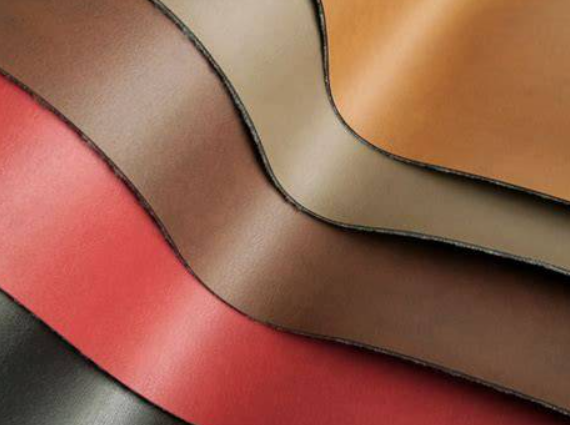
Leather is a tanned animal fur fabric. It can be further divided into two categories: one is leather, which is leather that has been defurped. The second is fur, which is treated leather with both leather and fur.
Advantages: Lightweight and warm, elegant and luxurious.
Disadvantages: They are expensive, requiring strict storage and care.
![Image [29]-Fabric Pros and Cons: Detailed Analysis of Cotton, Linen, Silk, Wool, Polyester, and Blended Fabrics with Advantages and Disadvantages-Nleather](https://www.nleather.com/wp-content/uploads/2026/06/image-83.png "image – Nleather")
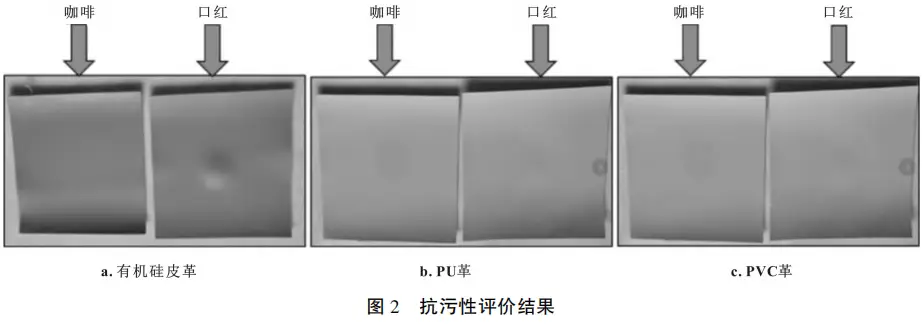
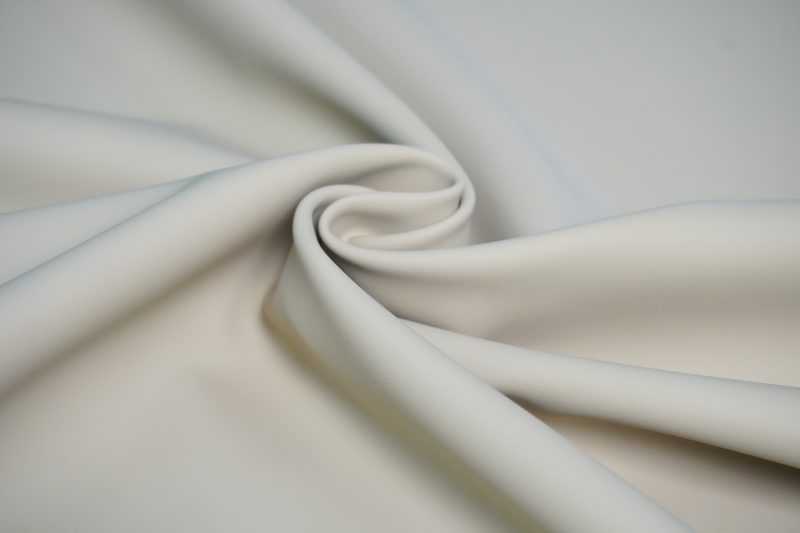
Faux leather (including flocked types, knitted sleeves)
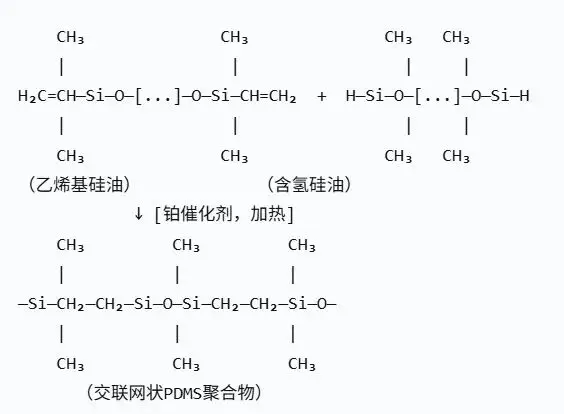
Fabric Craftsmanship: pu , pvc ,silicone leather
Advantages: The fabric has the “flesh” feel of genuine leather, is soft, smooth, elastic, has a gentle sheen, excellent wrinkle-free properties, and provides good wind, rain, and water protection. (Flocked flocked leather has a strong plush feel, reflecting the style of animal fur, rugged and wild).
ombines many materials into one set, offering advantages such as good water absorption, breathability, and a soft texture. At the same time, it tries to avoid the shortcomings of various fabrics as much as possible, and is relatively low-cost. It has now become one of the most widely used fabrics.
![Image [30]-Fabric Pros and Cons: Detailed Analysis of Cotton, Linen, Silk, Wool, Polyester, and Blended Fabrics with Advantages and Disadvantages-Nleather](https://www.nleather.com/wp-content/uploads/2026/06/image-84.png "image – Nleather")

No comments yet