

Soft PVC is common in our daily lives. Antibacterial treatment ensures the material maintains its functionality over the long term. The testing methods demonstrate the effectiveness of antibacterial treatments, while the quality seal confirms the responsible use of additives.
![Image [1]-Antibacterial additives can extend the service life of soft PVC products – Nleather-Nleather](https://www.nleather.com/wp-content/uploads/2026/08/20260802-054857-fvUbt-nleather-silicone-leather.png "20260802-054857-fvUbt-nleather-silicone-leather – Nleather")
Microorganisms like plasticizers
Microorganisms such as bacteria, algae, yeast, or mold need food, water, and temperature to survive and reproduce. Especially flexible PVC, which is highly susceptible to microbial infestations because it provides attractive living conditions for them. Plasticizers are a delicious food source for bacteria, algae, and fungi.
When microorganisms settle and spread in soft PVC, they damage the material, making it brittle, stained, and yellowing, and it also loses resistance to heat, ultraviolet rays, and weathering. In fact, it is the metabolic products of bacteria, fungi, and algae that cause the damage to the materials. Metabolites include enzymes that trigger chemical reactions in materials, such as hydrolysis or oxidation processes, which degrade polymer materials.
Personal needs for material protection
Antibacterial additives protect soft PVC from microbial growth. They first ensure that microorganisms cannot settle, thereby maintaining the lifespan of the material. There are various solutions on the market, customized according to the individual needs of PVC manufacturers. The most common combinations are Folpet/Thiabendazol, OPPA (arsenic), and IPBC (lodocarb). Determining which of these additives is best suited for different soft PVC applications depends on the final product involved, regulatory issues in the target market, acceptable toxicity profile, and required certifications—all of which should be evaluated in advance. Regulatory conditions are constantly changing. For example, OBPA (arsenic) has been banned by regulators as an additive for material protection because it is highly toxic and, among other things, pollutes water. Since 2016, the EU has banned the import of products processed under OBPA.
![Image [2]-Antibacterial additives can extend the service life of soft PVC products – Nleather-Nleather](https://www.nleather.com/wp-content/uploads/2026/08/20260802-054837-xtcus-nleather-silicone-leather.png "20260802-054837-xtcus-nleather-silicone-leather – Nleather")
Antibacterial treatment in public places
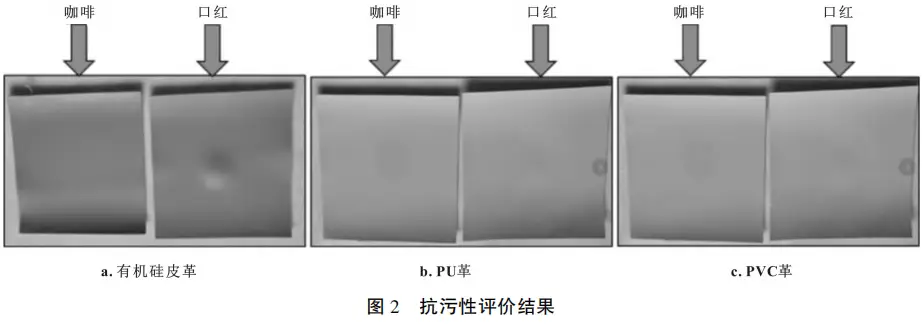
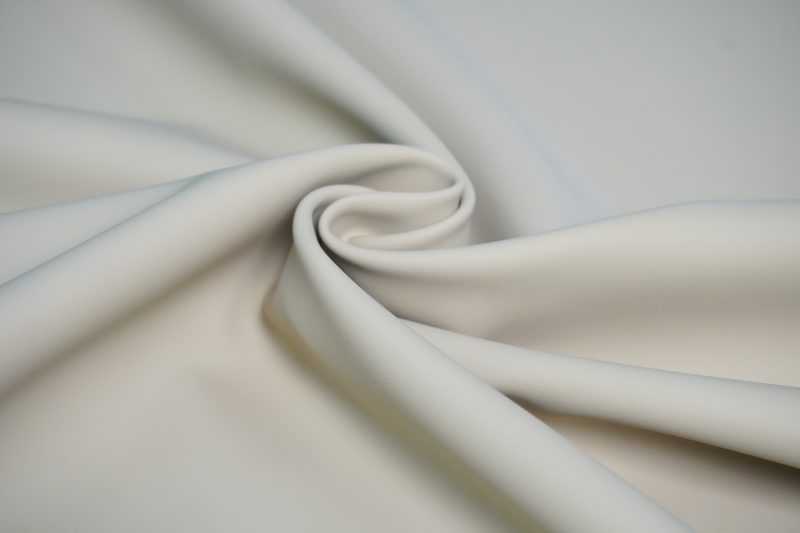
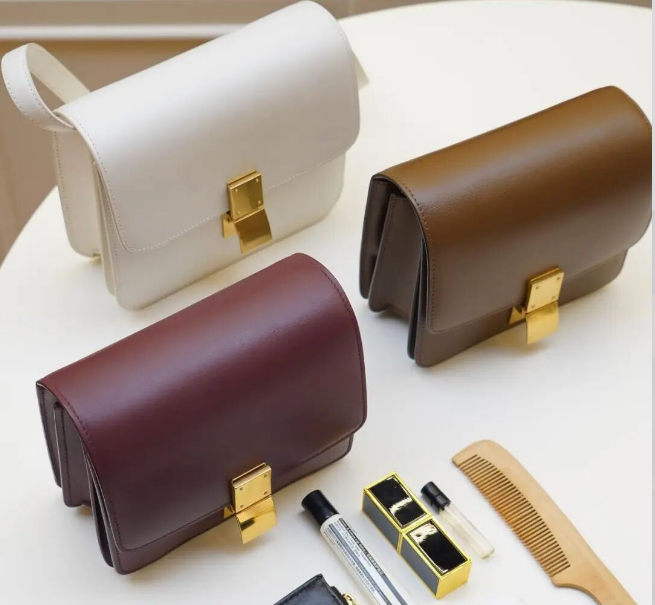
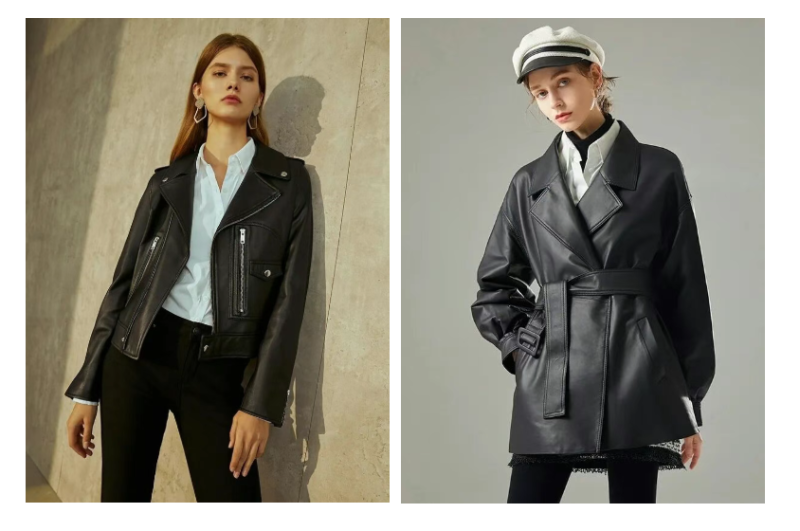
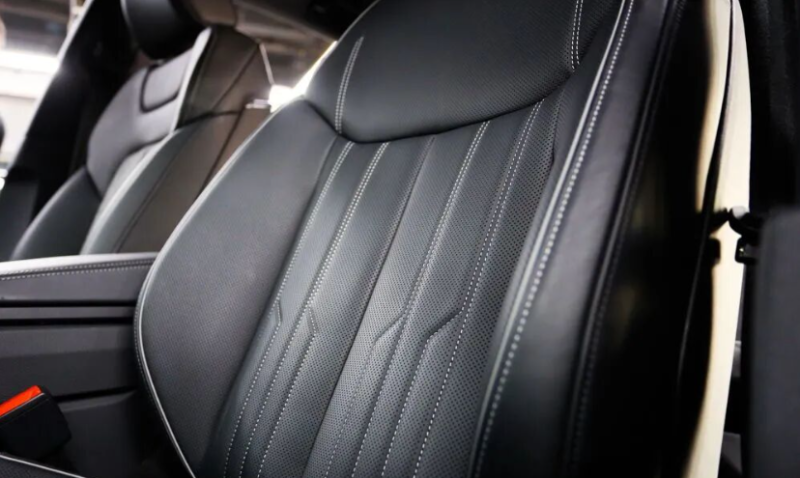
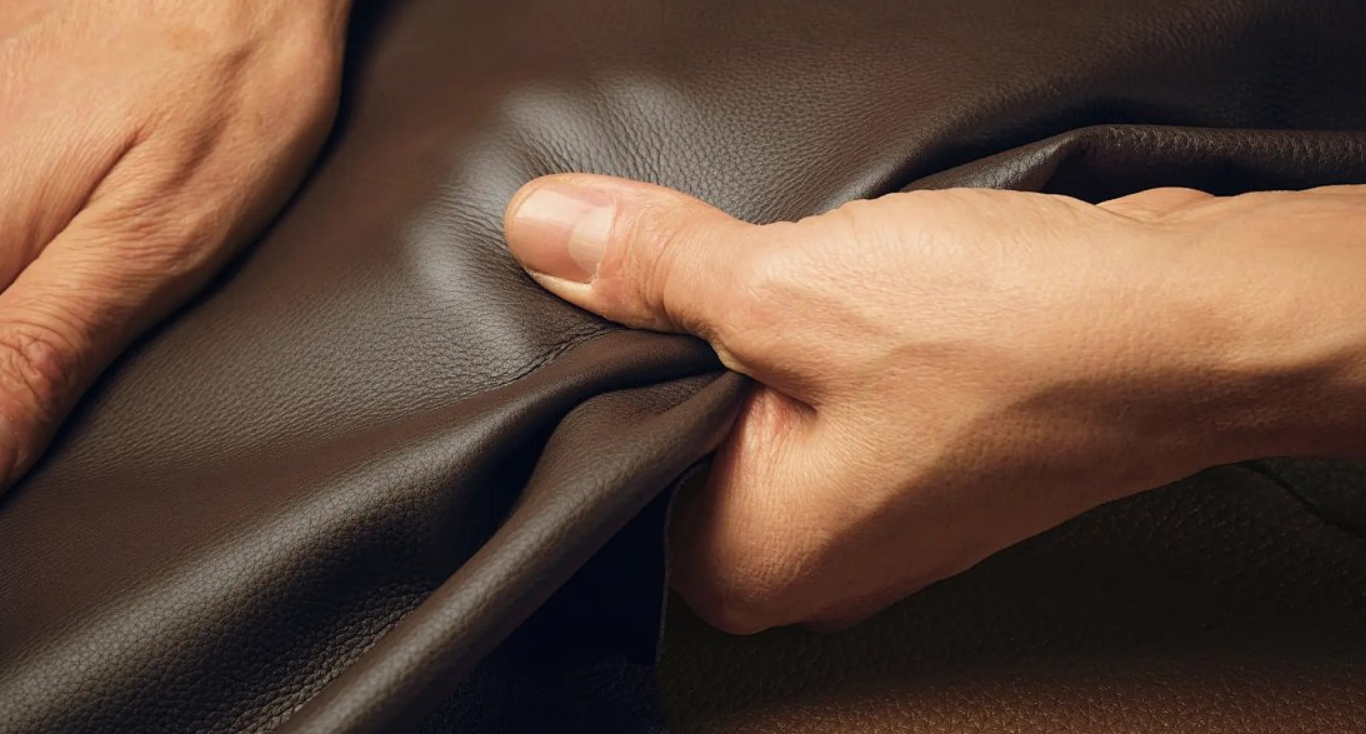
Polymer products, such as soft PVC, are an indispensable part of our daily lives. With artificial leather For example. Artificial leather is a polymer product commonly used in furniture, automotive interiors, seats on public transportation, or in hotels and hospitals. Whenever someone touches it artificial leather microorganisms and moisture will enter the surface. Over time, these microorganisms spread across the material. As a result, stains or material tears appear, requiring replacement. Through antibacterial treatment, the service life of artificial leather and other soft PVC products can be greatly extended.
Validation is carried out using recognized testing methods
Manufacturers of soft PVC mix appropriate additives into their polymers during production. To justify any additional price, the effectiveness of additives must be verified post-production using standardized testing methods. Experts use microbiological testing to assess the protective effects of antimicrobial additives based on international standards such as EN ISO 846 A or B (for determining fungal protection) or ASTM E 1428 (for protection against “pink spots”). Depending on the final product, it makes sense to expose treated polymers before microbiological testing. This means, for example, that outdoor building tarps should be exposed to ultraviolet radiation and irrigation for a period of time.
Is it worth dealing with a low-cost substrate?
Compared to other polymers, soft PVC is inexpensive and has a large production volume. Nevertheless, it is still worthwhile to treat soft PVC with antibacterial treatment to extend its service life. This means waterproof fabric, membrane, or artificial leather Covers do not need to be changed frequently. Therefore, antimicrobial treatment makes sense from both economic and sustainability perspectives. Equally important, manufacturers should use antimicrobial additives responsibly to avoid harming their employees, consumers, or the environment.

No comments yet