

he Nature and Definition of Desiliconization
Semi-silicone leather typically involves adding silicon-containing components to PU (polyurethane) or PVC surfaces to improve feel or weather resistance. Desiliconization here generally refers to Interlayer adhesion fails This means the silicone treatment layer on the surface separates from the underlying leather substrate, often manifesting as bubbling, peeling, or sticky surfaces.
![Image [1]-Desiliconization in Semi-Silicone Leather: A Stunning Breakdown – Nleather-Nleather](https://www.nleather.com/wp-content/uploads/2026/07/20260719-115650-7jkgE-nleather-silicone-leather.png "20260719-115650-7jkgE-nleather-silicone-leather – Nleather")
Main cause analysis
Desilicon issues are usually the result of the combined effects of formulation design, process control, and usage environment:
Insufficient interface adhesion : Silicone has extremely low surface energy and possesses hydrophobic and oil-repobing properties. If the base layer is not treated with plasma, corona, or primer, the silicon-containing layer is difficult to form strong chemical bonds or physical anchoring with highly polar PU/PVC substrates, resulting in fragile interfaces.
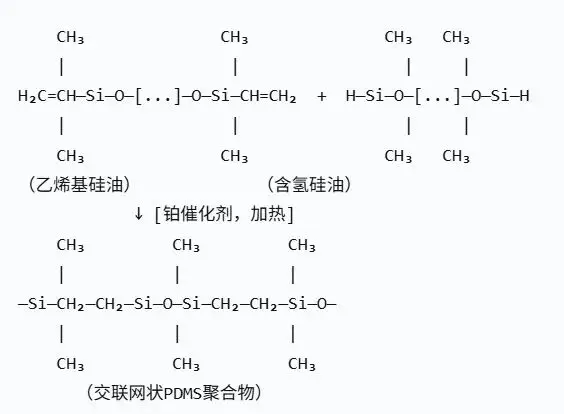
The degree of cross-linking is out of control : If the proportion of curing agent in the treatment agent is improper, stirring is uneven, or the curing time is insufficient, the coating does not form a dense three-dimensional network structure inside, resulting in low cohesive strength and easy peeling in large sheets.
Small molecule migration : Residual low molecular weight plasticizers and unreacted free silicone oil inside leather migrate to the interface under high temperatures or solvents, forming a barrier layer that continuously damages adhesion.
Damp heat ages : In high temperature and high humidity environments, differences in thermal expansion coefficients of different materials generate internal stress; At the same time, water molecules may penetrate the interface, hydrolyzing ester bonds and accelerating delamination.
Main hazards
Appearance defects : Surface spots, orange peel, or large areas of peeling may appear, affecting appearance.
Loss of function : Losing the smooth feel, stain resistance, and wear resistance provided by the silicon layer, causing the leather to become dry or sticky.
Poor user experience : Peeling debris may contaminate contact materials and reduce product lifespan.
Solutions and recommendations
For production, processing, and usage stages, the following measures can be considered:
Optimize underlying processing : Before applying the silicon-containing layer, the substrate surface must be clean and free of oil stains, and a dedicated coating must be applied Adhesion promotes primer adhesion.
Precise formulation control : Strictly mix crosslinking agents and curing agents according to technical parameters to ensure thorough mixing; Reactive silicone oil is selected to reduce the residue of unreacted small molecules.
Process parameter adjustment : Control baking temperature and time to ensure the coating is fully cured; Avoid overly thick coatings that can cause internal stress buildup.
Usage and maintenance : Avoid long-term contact with oily substances or strong solvents to prevent swelling and delamination; Ensure good ventilation in hot and humid environments.For specific reasons for desiliconization of a particular product, it is recommended to combine peel strength tests or infrared spectroscopy (FTIR) analysis to confirm whether there is surface contamination or incomplete curing.Help me write a comprehensive analysis of the issue of desilicating semi-silicone leatherThis is a comprehensive analysis report on the issue of desilicitating semi-silicone leather.


No comments yet