

As consumers’ demands for tactile feel in homes, automotive interiors, and wearable products increase, semi-silicon leather has emerged. This material typically incorporates silicone components into the surface of traditional polyurethane (PU) or polyvinyl chloride (PVC) leather, aiming to combine PU’s high strength and physical properties with the smooth feel, stain resistance, and weather resistance of silicone.
![Image [1]-A comprehensive analysis of the issue of desilicitation in semi-silicone leather – Nleather-Nleather](https://www.nleather.com/wp-content/uploads/2026/07/20260719-120543-cpZ7i-nleather-silicone-leather.png "20260719-120543-cpZ7i-nleather-silicone-leather – Nleather")
However, during production and application, “desiliconization” issues frequently occur, becoming the core pain point restricting product quality. Desilicification does not refer to the chemical breakdown of silicon itself, but rather to the surface of the leather Interfacial adhesion failure between the silicon-containing functional layer and the substrate (or primer). , manifesting as coating peeling, bubbling, stickiness, or surface chalking. This article will provide an in-depth analysis of this issue from multiple perspectives.
Mechanisms and manifestations of desilization
Interface combined with model
Semi-silicone leather typically consists of three layers of structure:Base fabric layer : Provides mechanical support.Middle layer (PU/PVC slurry) : The main structure determines the physical strength of the leather.Surface treatment layer (silicon-containing coating) : The thickness is usually between 5-20 microns, and it is composed of silicone-modified resin, cross linking agents, and additives.The desilicon issue essentially belongs to Inter layer adhesion fails . According to the location of the damage, it can be divided into:Interface damage : The silicon-containing layer is completely separated from the primer, resulting in a clean interface, usually caused by mismatched surface energy or missing primer.and gathered within to destroy it : Damage occurs inside the silicon-containing layer or primer layer, usually due to incomplete coating curing or excessive internal stress.
Forms of expression
| Phenomenon | Features | Severity |
|---|---|---|
| Dry methods peel off | After several hours or days of settling, the finished product may develop surface cracks or large areas of peeling | Severe (irreversible) |
| Foaming in humid heat | Under high temperature and high humidity conditions (such as 80°C, 95% RH), dense small bubbles appear on the surface | A fatal flaw |
| Solvent swelling and delamination | After contact with alcohol, hand cream, or organic solvents, the surface softens, becomes sticky, and comes off easily | Function failure |
| Rub to remove the powder | After the wear test, white powdery skin peeling appears on the surface | Insufficient durability |
Analysis of the causes of the desilicon problem
The causes of desiliconization are complex, involving three main dimensions: material compatibility, process control, and environmental aging.
![Image [2]-A comprehensive analysis of the issue of desilicitation in semi-silicone leather – Nleather-Nleather](https://www.nleather.com/wp-content/uploads/2026/07/20260719-120609-X2Zu3-nleather-silicone-leather.png "20260719-120609-X2Zu3-nleather-silicone-leather – Nleather")
Material Compatibility Defects (Root Cause)
Silicone has extremely low surface energy (about 20-24 mN/m), while traditional PU/PVC substrates have higher surface energy (about 38-45 mN/m). This huge polarity difference leads to:Poor moisture quality : Silicon-containing treatment agents cannot effectively spread on the substrate surface, resulting in microscopic voids that prevent the formation of van der Waals forces or hydrogen bonds.Interface rejection : If the substrate contains unreacted free silicone oil (added to prevent adhesion), these free molecules migrate to the interface, forming a “barrier layer” that completely blocks interlayer bonding.
Process control failure (direct cause)
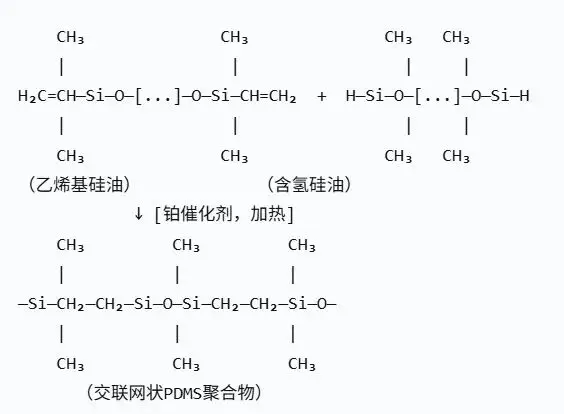
Insufficient crosslinking density : Currently, most semi-silicon treatment agents on the market use two-component (2K) systems (such as curing agents containing isocyanate). If the curing agent ratio is too low, stirring is uneven, or curing time is insufficient, the internal cross-linking network of the coating is incomplete, resulting in low cohesive strength and easy peeling.
Missing primer : Without using specialized adhesion promoters (such as chlorinated polyolefin CPO or special silane coupling agents) as a primer, there is a lack of “chemical bridging” between the silicon-containing layer and the polar substrate.
Improper baking conditions : If the temperature is too low (140°C), it may cause pyrolysis of silicone components or the precipitation of plasticizers in the substrate, damaging the interface.
![Image [3]-A comprehensive analysis of the issue of desilicitation in semi-silicone leather – Nleather-Nleather](https://www.nleather.com/wp-content/uploads/2026/07/20260719-120646-G2fdU-nleather-silicone-leather.png "20260719-120646-G2fdU-nleather-silicone-leather – Nleather")
Environmental aging and usage factors (triggering factors)
Plasticizer migration 😛 small molecule plasticizers in VC or highly plastic PU (such as DEHP, DINP) migrate to the surface over time. These oily substances continuously swell the silicon-containing coating, reducing its anchoring strength to the underlying layer.
Hydrolysis : In humid and hot environments, ester bonds (characteristic bonds of PU) are prone to hydrolytic fracture, leading to a decrease in the strength of the primer layer itself and triggering consequential desilization.
Stress concentration : Leather is frequently bent and stretched during use. If the hardness difference between the silicone coating and the base coating is too large, it is prone to peeling under shear forces.
Testing and evaluation methods
To accurately determine the cause of desiliconization, it is recommended to use the following standardized testing methods:
Hundred Grid Method (ASTM D3359) : The most basic on-site testing method. By pulling the strip with the slash tape, observe the percentage of the detached area. If the shedding rate exceeds 5%, it is usually considered to have unqualified adhesion.
Damp heat aging test : Store the sample in an environment at 70°C and 95% humidity for 72-168 hours. Simulate extreme usage environments to observe for bubbling or delamination. This is the most rigorous method for testing whether cross-linking is thorough.
Infrared spectroscopy (FTIR) analysis : ATR-FTIR analysis is performed on the peel surface. If a high concentration of silicon peaks is detected at the peel surface, it indicates cohesive failure; If the peel surface is pure PU/PVC signal, it indicates interface failure.
Surface energy testing (contact angle) : Measures the surface energy of the substrate. If the substrate surface energy is below 32 mN/m, it indicates severe silicone oil contamination or low surface tension, and direct coating will inevitably cause desilication.
Systematic solutions
Solving the desilicon problem requires following Interface capacity increases, cross-links are dense, and migration is blocked “This is the principle.”
Surface pretreatment and primer technology
Corona/plasma treatment : Before applying the coating agent, the substrate is subjected to corona or plasma treatment, introducing polar groups such as hydroxyl and carboxyl groups, raising the surface energy to above 42 mN/m.Specialized primer agents : Use primers containing isocyanate groups or silane coupling agents. These substances react with hydroxyl groups in the substrate at one end and with active groups in silicon-containing coatings at the other end, forming a “chemical anchor bolt” structure.
Formula and process optimization
Precise proportion : Strictly control the mixing ratio of two-component systems; it is recommended to use static mixers or electronic weighing systems to avoid manual mixing errors.Curing parameters : Ensure the oven temperature meets the material supplier’s requirements Above the glass transition temperature (Tg). , and ensure sufficient maturation time (usually left to stand at room temperature for more than 48 hours to allow the crosslinking reaction to proceed fully).Selects reactive silicone oil : In the base slurry, avoid using free silicone oil as a tactile agent, and instead use reactive silicone modifiers, fixing the silicon segments to the resin main chain through chemical bonds to prevent migration.
Structural design matches the materials
Hardness gradient design : Ensure that hardness shows a “gradual” trend from the primer layer to the surface treatment layer (i.e., soft base layer, hard surface layer) to buffer stress.Hydrolysis-resistant system : In high-humidity and hot application scenarios (such as automotive interiors), polyether-type PU (instead of polyester-type) is chosen as the primer to enhance resistance to hydrolysis and prevent desiliconization caused by base layer powdering.



No comments yet