
Orange peel is one of the most common surface defects in silicone leather production, manifesting as the uneven texture of the leather surface resembling the peel of an orange, seriously affecting product aesthetics and market acceptance. This paper systematically analyzes the formation mechanism of orange peel phenomena during the production process of silicone leather, delves into its causes from four dimensions: raw material characteristics, coating process, curing conditions, and environmental factors, and proposes corresponding preventive and remedial measures to provide technical reference for silicone leather manufacturers.
![Image [1]-Orange Peel Phenomenon: Stunning Fixes & Best Prevention Guide – Nleather-Nleather](https://www.nleather.com/wp-content/uploads/2026/07/20260719-114945-2kvwt-nleather-silicone-leather.png "20260719-114945-2kvwt-nleather-silicone-leather – Nleather")
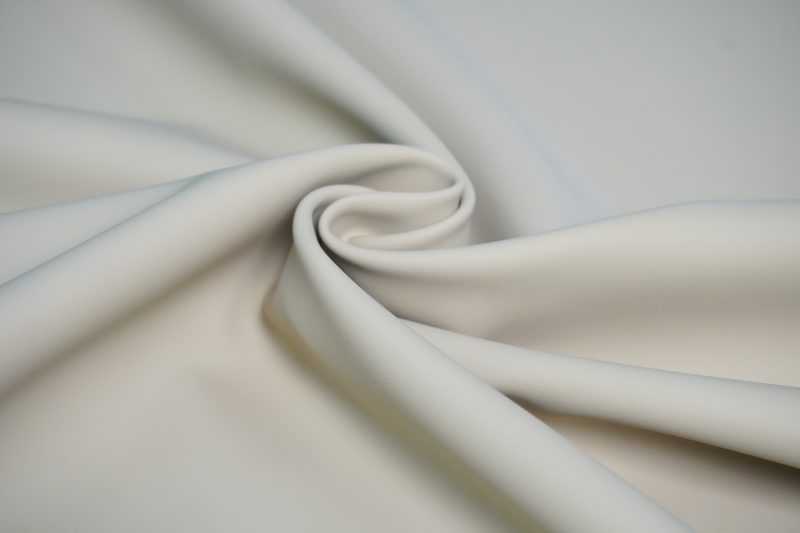
Silicone leather, as a new type of eco-friendly compound, finished leather With its excellent weather resistance, stain resistance, flame retardancy, and environmental properties, the material is widely used in automotive interiors, household goods, outdoor equipment, medical devices, and other fields. However, as production scale expands and application fields expand, quality issues in silicone leather manufacturing have gradually emerged, with the “orange peel” phenomenon being one of the most common surface defects.
The so-called orange peel phenomenon refers to the uneven texture on the surface of leather, similar to the peel of an orange. This defect not only seriously affects the leather’s appearance and reduces the product’s market value, but may also adversely impact the leather’s physical properties and lifespan. Therefore, in-depth analysis of the causes of cellulite and exploring effective prevention and control measures are of great significance for improving the quality of silicone leather products.
Overview of the silicone leather production process
The production process of silicone leather typically includes raw material preparation, mixing, coating, curing, and post-processing. In this complex process, every step can affect the final surface quality of the leather.
Raw material preparation stage : Raw materials such as silicone resin, pigments, fillers, and additives are weighed and pretreated according to the formula ratio.
Mixed phase : Various raw materials are thoroughly mixed through high-speed dispersion or grinding equipment to form a uniform slurry system.
Coating stage : The evenly mixed slurry is evenly applied onto the surface of release paper or base fabric using coating equipment to form a coating of the required thickness.
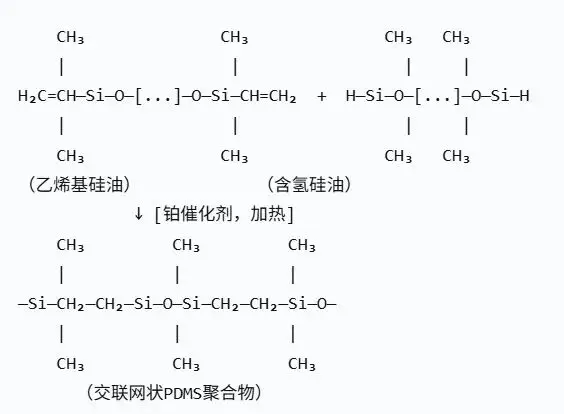
Curing stage : The coated semi-finished product enters an oven or curing channel to complete the crosslinking curing reaction under specific temperature conditions.
Post-processing stage : After curing, the leather undergoes subsequent processes such as cooling, peeling, and surface treatment.
In this process, coating and curing are the two most critical steps affecting the leather’s surface shape.
![Image [2]-Orange Peel Phenomenon: Stunning Fixes & Best Prevention Guide – Nleather-Nleather](https://www.nleather.com/wp-content/uploads/2026/07/20260719-115029-j4YCM-nleather-silicone-leather.png "20260719-115029-j4YCM-nleather-silicone-leather – Nleather")
Mechanism of Orange Peel Formation
The essence of the orange peel phenomenon is the surface unevenness defect caused by the coating during the molding and curing process. From the perspective of materials science, its formation mechanism can be understood from the following two aspects:
Leveling failure mechanism
After coating is completed and before curing begins, the coating undergoes a leveling process. During this process, the coating relies on its own surface tension to gradually become smooth from its initial uneven state. If the coating’s leveling performance is insufficient or the leveling time is insufficient, the initial unevenness will be “frozen” by the curing process, resulting in orange peel defects.
The quality of leveling mainly depends on factors such as coating viscosity, surface tension, and solvent evaporation rate. When the coating’s viscosity is too high or the surface tension difference is too large, leveling resistance increases and leveling speed slows down, making it difficult to achieve a flat state before curing.
Mechanism of Uneven Shrinkage
During curing, silicone coatings undergo a dual shrinkage effect of crosslinking reactions and solvent evaporation. If there are differences in shrinkage between different areas and depths of the coating, uneven stress distribution will occur, leading to surface deformation and the formation of orange peel texture.
Uneven shrinkage may be caused by differences in coating thickness, uneven temperature distribution, and inconsistent crosslinking reaction rates. When the shrinkage rate in the local area is greater than that of the surrounding area, a depression forms in that area; Conversely, it may form a protrusion.
Analysis of the causes of the orange peel phenomenon
Raw material factors
Raw materials are the fundamental factor affecting the surface quality of silicone leather. According to industry research and production practices, the main causes of raw material-related orange peel include the following aspects:
Uneven distribution of raw material particle size
The slurry system of silicone leather includes various solid components such as silicone resin, pigments, and fillers. If the particle size distribution of these components is too wide, or if there are large aggregates, a “granular feel” will form in the coating. These particles may become flow resistance points during the coating process, affecting the uniform spread of the coating; During curing, it may become a stress concentration point, exacerbating shrinkage unevenness.
Poor compatibility between pigments and resins
The compatibility between pigments and silicone resins is a key factor affecting coating quality. When the compatibility between pigment and resin is poor, the pigment is difficult to disperse evenly in the slurry system, easily causing flocculation or sedimentation. This uneven dispersion state leads to local composition differences in the coating, which in turn affects the leveling performance and curing shrinkage behavior of the coating, inducing orange peel defects.
Improper selection or insufficient dosage of leveling agents
Leveling agents are important additives for improving the surface quality of coatings. Research shows that adding an appropriate amount of silicone leveling agents can effectively reduce the surface tension of coatings, improve wetting and leveling properties, thereby preventing and eliminating the orange peel phenomenon. If the type of leveling agent is chosen incorrectly or the amount added is insufficient (the recommended dosage is usually 0.1~0.6%), the leveling performance of the coating will be difficult to meet requirements.
![Image [3]-Orange Peel Phenomenon: Stunning Fixes & Best Prevention Guide – Nleather-Nleather](https://www.nleather.com/wp-content/uploads/2026/07/20260719-115101-7BTtn-nleather-silicone-leather.png "20260719-115101-7BTtn-nleather-silicone-leather – Nleather")
Coating Process Factors
The coating process is the core factor affecting the quality of the leather’s surface, and the rationality of its parameters directly determines the uniformity of the coating.
Uneven coating
Uneven coating is one of the direct causes of the orange peel phenomenon. When the gap adjustment of coating equipment is improperly adjusted, the surface of coating rollers is worn, or the coating pressure is unstable, fluctuations in coating thickness in both width and length directions are likely. Uneven coating thickness causes different shrinkage behaviors during curing: thicker areas shrink more, thinner areas shrink less, resulting in uneven textures on the surface.
Coating amount is too large or too small
Controlling the coating amount (the amount of slurry coated per unit area) is equally crucial. When the coating amount is too large, the coating thickness increases, leveling resistance rises, and internal solvents evaporate poorly, making it easy for “fat edges” or “orange peel” to form on the surface. If the coating amount is too small, the coating may not fully cover the substrate surface, or if the shrinkage rate after curing is too high, surface defects may also occur.
Coating speed and pressure not matched
Coating speed and coating pressure are interrelated process parameters. When the coating speed is too fast and the pressure is insufficient, the slurry cannot spread fully and streaks or orange peels are prone to forming. Conversely, if the speed is too slow and the pressure too great, it may cause the slurry to be over-squeezed, disrupting the uniformity of the coating. Therefore, it is necessary to reasonably match coating speed and pressure parameters according to the rheological characteristics of the slurry.
Insufficient precision of coating equipment
The precision of coating equipment directly affects the uniformity of the coating. Factors such as roundness errors of coating rollers, straightness deviations of scrapers, and stability of tension control systems can all indirectly cause orange peel defects by affecting coating precision.
Factors of Curing Conditions
Curing is a key process in silicone leather forming, and the precision of controlling curing conditions is crucial to surface quality.
Improper curing temperature
Curing temperature is a key parameter affecting the rate of silicone crosslinking and the shrinkage behavior of the coating. When the curing temperature is too high, the solvent on the coating surface evaporates too quickly, causing the surface layer to cure quickly and form a “peel,” while internal solvents and reaction byproducts are difficult to escape, causing the coating to bubble or form orange peel. When the curing temperature is too low, the crosslinking reaction rate is insufficient, curing time is extended, and the coating remains in a flowable state for a long time, which may cause sagging due to gravity or environmental factors affecting surface flatness.
Insufficient curing time
Insufficient curing time can lead to incomplete curing of the coating. Incompletely cured coatings may continue shrinkage during subsequent processing or use, resulting in delayed orange peel defects. In addition, insufficient curing time also affects the mechanical properties and dielectric resistance of the coating.
Heating Rate and Segmented Curing Design
The rate of heating from room temperature to curing temperature is also an important factor. When heating is too rapid, the temperature difference between the surface and interior of the coating increases, which may cause the surface to cure faster than the interior, forming a “film” structure that hinders the evaporation of internal solvents. Using segmented curing processes (such as low-temperature pre-curing first, then high-temperature complete curing) can effectively improve curing results and reduce the occurrence of orange peel.
Environmental factors
Factors such as temperature, humidity, and airflow in the production environment also affect the surface quality of silicone leather.
Excessive Environmental Humidity
During the coating and curing process of silicone slurry, excessive environmental humidity brings multiple adverse effects. First, moisture may affect the evaporation rate of the solvent, prolonging the drying time of the coating. Secondly, some silicone systems are sensitive to moisture; excessive humidity may cause side reactions of hydrolysis, affecting the normal progress of crosslinking reactions. Additionally, moisture may evaporate with solvents and condense on the coating surface, forming “water spots” or orange peel.
Poor airflow
The airflow conditions in the coating and curing workshops are equally important. When air circulation is poor, the atmosphere generated by solvent volatilization accumulates on the coating surface, forming a locally saturated zone that inhibits further solvent evaporation, causing solvent residues in the coating and affecting curing quality. Conversely, if the airflow is too strong or the direction is unreasonable, it may cause the solvent on the coating surface to evaporate too quickly, resulting in surface defects.
Insufficient environmental cleanliness
Once dust, fibers, and other impurities from the production environment enter the coating, they become the core defect, affecting the leveling and curing behavior of the coating. The coating around these impurities often forms localized shrinkage abnormalities, producing an orange peel-like texture.
Prevention and Solution Measures for Orange Peel Phenomenon
Based on the above cause analysis, preventing and addressing the orange peel phenomenon in silicone leather requires comprehensive measures from multiple levels, including raw materials, processes, and environment.
Raw Material Optimization
Optimize raw material ratios
By adjusting the proportions of raw materials such as silicone resin, pigments, and fillers, the rheological properties and compatibility of the slurry are improved. Specific measures include:
Pigments and fillers with concentrated particle size distribution were selected
Pre-disperse powder raw materials that are prone to agglomeration
Optimize the compatibility between resin and pigment, adding compatibilizers when necessary
Reasonable selection of leveling agents
Adding an appropriate amount of silicone leveling agents is an effective way to prevent cellulite peel. Leveling agents can reduce the surface tension of coatings, improve the wettability and leveling properties of coatings, and eliminate shrinkage cavities and orange peel. The recommended amount is generally 0.1~0.6% of the total slurry volume; the specific amount should be determined through pilot tests based on the formulation system and production process.
Process Improvement
Optimize coating process parameters
Through systematic testing, the optimal combination of parameters such as coating speed, coating pressure, and coating amount is determined to ensure uniform coating. Specific measures include:
Regularly calibrate the gap and pressure system of the coating equipment
A closed-loop control system is used to monitor coating parameters in real time
Dynamically adjust coating speed according to changes in slurry viscosity
Precise control of curing conditions
Based on the characteristics of the coating and production requirements, precisely control the curing temperature and time to ensure complete curing. Specific measures include:
A segmented curing process is used, starting with low-temperature pre-curing, followed by high-temperature complete curing
Real-time monitoring of oven temperature distribution ensures uniform temperature
Regularly calibrate temperature sensors and control instruments
Environmental Improvement
Optimize the production environment
By adjusting parameters such as temperature and humidity in the production environment, airflow conditions are improved, reducing the impact of environmental factors on leather surface quality. Specific measures include:
The coating and curing workshop is equipped with a constant temperature and humidity system
Arrange supply and exhaust ducts reasonably to ensure proper airflow organization
Improves workshop cleanliness levels and reduces dust pollution

No comments yet