

After a sofa has been used for many years, the most common problem that tends to appear is not a broken frame, but the surface leather looking old and tired.
Some sofas have been sat on for years; the frame is still solid, the comfort is still there, but the leather has started to fade, crack, peel, and show visible wear. It no longer looks as presentable as it once did. At this point, many people’s first instinct is to buy a completely new sofa.
In reality, if the sofa’s structure is still sound and only the surface leather has aged, reupholstering the old sofa with fresh leather is a practical and cost‑effective solution.
By selecting a suitable genuine sofa leather for the replacement, you can preserve the original comfort while giving the sofa a clean, natural, and high‑quality appearance once again.
![Image [1]-Old Sofa Leather Worn Out? Don’t Replace It Yet – A Complete Guide to Reupholstering with the Right Genuine Leather – Nleather-Nleather](https://www.nleather.com/wp-content/uploads/2026/08/20260816-134034-sfZM7-nleather-silicone-leather.png "20260816-134034-sfZM7-nleather-silicone-leather – Nleather")
Why Can an Old Sofa Be Reupholstered?
Many old sofas are not beyond use.
A sofa is made up of several components: frame, foam, springs, and covering material. If the internal frame has not warped, the foam has not collapsed severely, and the seating comfort is still good, then the ageing of the surface leather does not mean the entire sofa needs to be discarded.
Common signs of ageing on sofa leather include:
- Surface colour becoming dull
- Obvious wear on the seat cushions
- Peeling leather on the armrests
- Cracking on the leather surface
- Localised fading or uneven colouring
- An overall tired and worn appearance
When these problems are confined to the surface, reupholstering the sofa with new leather is a viable way to improve its appearance.
Choosing Sofa Leather: It Is Not Just About Colour
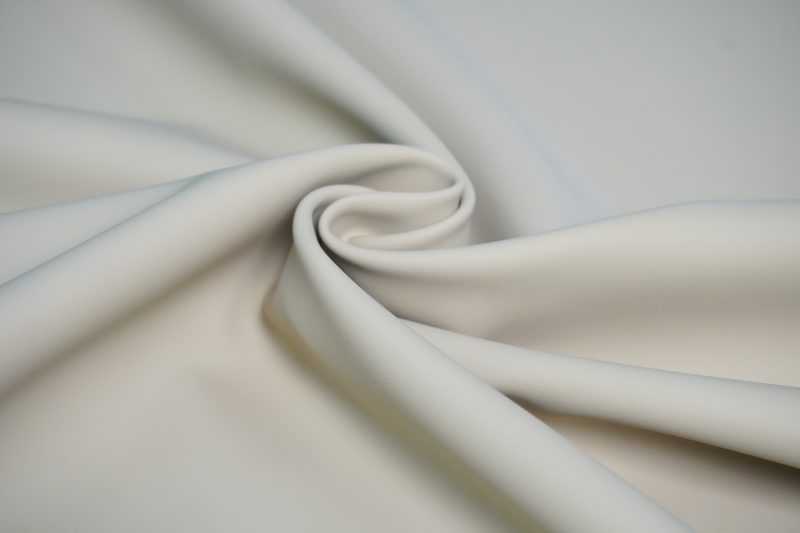
Many customers look first at colour when selecting sofa leather. Colour is certainly important, but genuine sofa leather should not be chosen by colour alone. You also need to consider grain, hand feel, thickness, softness, and the intended use environment.
If you focus only on colour and ignore the leather’s inherent texture, the reupholstered result may look unnatural.
For example, if the original sofa used fine‑grain leather, replacing it with a heavy, coarse‑grain cowhide may create a stylistic mismatch. Conversely, if the sofa has a bulky, substantial design, choosing leather that is too thin or too soft may compromise the wrapping effect and long‑term durability.
Therefore, selecting sofa leather requires a comprehensive evaluation.
![Image [2]-Old Sofa Leather Worn Out? Don’t Replace It Yet – A Complete Guide to Reupholstering with the Right Genuine Leather – Nleather-Nleather](https://www.nleather.com/wp-content/uploads/2026/08/20260816-134122-ApRaf-nleather-silicone-leather.png "20260816-134122-ApRaf-nleather-silicone-leather – Nleather")
Key Factors to Consider When Choosing Sofa Leather
1. Colour suitability for the living room style
When reupholstering an old sofa, you can either choose a colour close to the original or select a new colour that better matches your current interior décor.
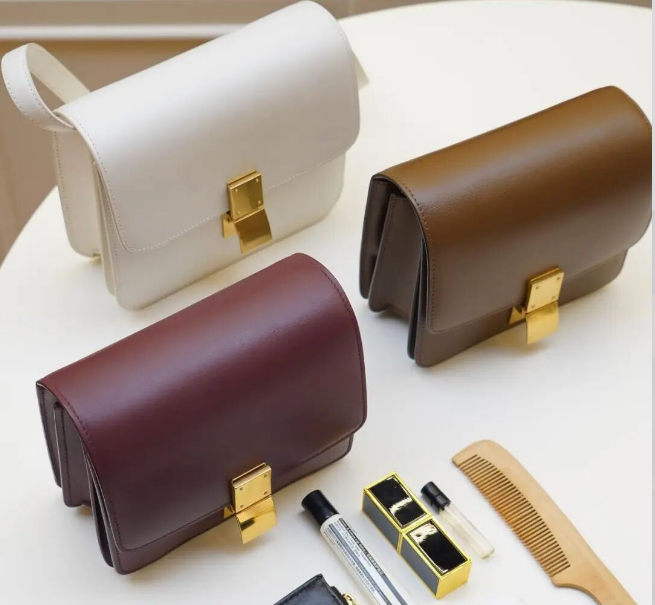
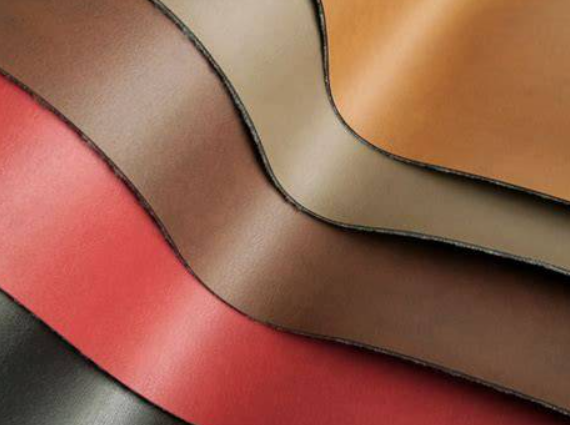
Common sofa leather colours include brown, dark brown, light brown, beige, grey, black, and reddish‑brown.
For a more traditional, understated living room, dark brown, coffee, or black work well. If you want the space to feel brighter, beige, light coffee, or light grey are good options.
2. Grain texture coordination
Common sofa leather grains include pebble grain, fine grain, natural grain, nappa grain, and embossed patterns.
Different grains affect the final visual effect of the reupholstered sofa. Fine grain looks softer and more subtle; pebble grain has a more three‑dimensional, rugged feel; natural grain best preserves the original texture of the hide.
For reupholstering an old sofa, it is advisable to match the original grain as closely as possible, so the finished result looks cohesive and natural.
3. Hand feel and softness
Residential sofas generally place a high value on comfort, so the leather should have a certain degree of softness—it should not feel too hard when you sit on it.
For office, club, or reception‑area sofas, in addition to comfort, you also need to consider abrasion resistance, ease of cleaning, and performance under heavy use.
Different usage scenarios demand different leather properties.
4. Thickness and durability
Sofa leather should not be too thin. Thin leather may have a shorter lifespan under regular use and can cause problems during stretching and wrapping.
But thicker is not always better, either. Excessively thick leather with insufficient softness can negatively affect the sofa’s shape and the wrapping effect.
The right sofa leather should strike a balance between thickness, softness, strength, and hand feel.
5. Physical properties and environmental compliance
Beyond aesthetics and comfort, genuine leather for sofas should also meet basic performance standards, including abrasion resistance, colour fastness, tear strength, and environmental safety.
This is especially important for residential sofas, hotel sofas, club sofas, and office reception sofas, which are used frequently and require stable, reliable leather.
![Image [3]-Old Sofa Leather Worn Out? Don’t Replace It Yet – A Complete Guide to Reupholstering with the Right Genuine Leather – Nleather-Nleather](https://www.nleather.com/wp-content/uploads/2026/08/20260816-134156-8FGD5-nleather-silicone-leather.png "20260816-134156-8FGD5-nleather-silicone-leather – Nleather")
What Photos Should Customers Provide Before Reupholstering?
If a customer is unsure which sofa leather is suitable for their old sofa, they can start by taking a few photos:
First, an overall photo of the sofa.
This helps assess the style, structure, colour scheme, and overall design.
Second, a close‑up of the leather colour.
This reveals the depth of the original colour, its gloss level, and the degree of ageing.
Third, a detail shot of the grain pattern.
This identifies whether the original leather is fine grain, pebble grain, or another texture.
With these photos, it becomes much easier to determine which colour, grain, and style of genuine sofa leather would be the best match.
Which Reupholstery Scenarios Are Suitable for Sofa Leather?
Genuine sofa leather can be used in many old‑sofa reupholstery and leather‑replacement scenarios, such as:
- Residential living‑room sofa reupholstery
- Genuine leather sofa replacement
- Office reception sofa repair
- Club‑house sofa re‑covering
- Hotel sofa renovation
- Guesthouse sofa upgrades
- Material selection for sofa repair workshops
- Small‑batch sofa leather procurement for furniture manufacturers
If you are reupholstering just one sofa, or a few sets, using stock sofa leather is usually the most convenient option. If you require a large quantity of leather with consistent colour, grain, and hand feel, custom development is also possible.
Reupholstering an Old Sofa Is Not Just About Saving Money
Many people assume that reupholstering an old sofa is purely a cost‑saving measure, but that is not entirely accurate.
Some sofas have been used for many years; they fit the space perfectly, offer comfortable seating, and have become part of the home’s layout. Discarding them simply because the surface leather looks old is a bit of a waste.
By choosing the right sofa leather and re‑covering the surfaces, you can retain the original comfort and bring a fresh, clean, and pleasant feel back to your living room.
The sofa is one of the most frequently used pieces of furniture in any home. Family members watch TV, friends gather for tea, and guests sit there during visits. A well‑maintained genuine‑leather sofa directly influences the overall atmosphere of the entire living room.
Practical Recommendations for Sofa Leather Selection
For residential old‑sofa reupholstery, it is advisable to choose leather that is soft to the touch, has a natural grain, and features a colour that is both attractive and easy to live with over time.
For office or reception sofas, prioritise abrasion resistance, stability, and easy maintenance.
For hotels, clubs, and guesthouses, in addition to durability, consider how the leather complements the overall design style and the desired sense of quality in the space.
Selecting sofa leather is not simply about finding a colour that is close to the original. It requires a holistic assessment of colour, grain, hand feel, thickness, abrasion resistance, environmental compliance, and overall design harmony.


No comments yet