

Leather coating waterproofing technology
Different types of leather have different waterproof requirements. For leather with severe grain damage after tanning or special requirements for surface oil, the finishing of the leather is crucial. A waterproof coating can be added to the surface of this type of leather to make it water-repellent. To ensure that leather is treated with waterproof, the choice of coating agent is crucial. For example, when selecting primer products, they should not contain excessive emulsifiers or hydrophilic additives. It is best to choose adhesives and additives with good waterproof properties. Ideally, the primer product should not contain any ingredients that affect the membrane’s waterproof performance.
The same principles should be followed for finishing other coatings. According to different film-forming agents, leather coatings can be divided into protein coatings, polyurethane coatings, nitrocellulose coatings, and vinyl coatings. Selecting and modifying these four types of coatings is key to producing waterproof coatings. Casein is the most common and widely used protein coating agent. Casein contains phosphoprotein and can form tight secondary bonds with leather collagen fibers, with amino and carboxyl groups that form secondary bonds tightly. It possesses various excellent properties such as strong adhesion and water vapor permeability. Therefore, after modification, it can be produced as an excellent waterproof coating. Typically, caprolactam, acrylonitrile, acrylic acid and its esters are used to modify casein, and some studies use organosilicon to modify casein to produce leather coatings with excellent waterproof performance.
![Image [1]-Research progress on waterproofing technology for leather – Nleather-Nleather](https://www.nleather.com/wp-content/uploads/2026/08/20260802-060937-rRqAa-nleather-silicone-leather.png "20260802-060937-rRqAa-nleather-silicone-leather – Nleather")
Leather body waterproofing technology
The waterproofing of the leather body requires the entire cross-section of the leather to be hydrophobic. Water-dyed leather requires this, often achieved through fat-based waterproofing. The key to grease and waterproofing is the choice of waterproof grease agent. A polymer waterproof fatter FS prepared from treated polyacrylate copolymer is made by using acrylic monomer as raw material and azo diisobutanitrile as the initiator, and is produced by free radical copolymerization followed by post-processing. This waterproof grease adder FS contains a relatively high number of hydrophobic groups, right crust leather After grease filling, the entire leather body is well waterproofed. Research shows that chromium salt fixation can also improve its dynamic waterproofing. Waterproof leather produced by this process not only has excellent dynamic waterproofing but also good static waterproofing, making it an optional grease material for waterproofing leather bodies.
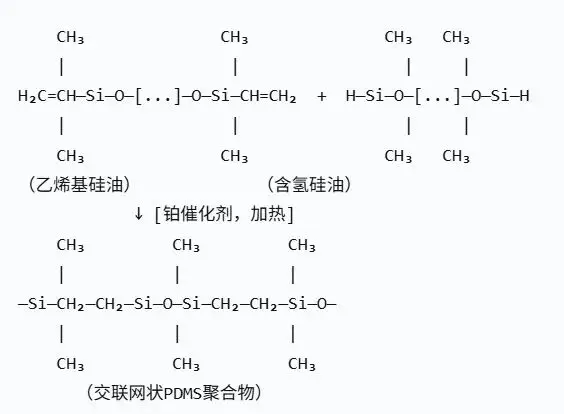
Silicone waterproof grease additives have been widely used in the preparation of waterproof leather. Using acrylate, methyl acrylate, octadecanol acrylate, and vinyl-terminated siloxane as monomers, and azo diisobutyl cyanide as the initiator, an organosilicon waterproof grease additive was prepared through a copolymer interlock reaction. The silicone introduced in this fatting agent has excellent lubricating and waterproof properties, and the octadecanol acrylate used is well applied in retanning and lipidizing, introducing long fat chains to further lubricate collagen fibers. By copolymerizing these three monomers and combining the advantages of silicone and acrylic resin, it can give leather excellent waterproof performance during re-tanning, greasing, and filling, making the entire cross-section of the leather body hydrophobic.
Leather Suede Waterproofing Technology
Suede has waterproof requirements similar to those of the leather body, but suede has relatively higher surface waterproofing requirements. Many studies have specifically explored suede waterproof techniques. The process of applying fat to waterproofing makes Xiaohu cashmere fur leather waterproof: combining waterproof grease agent PF4700 (3M company), polymer softener SOF (TFL), and synthetic grease agent PSE (BASF), with acid fixation to produce waterproof leather. This process targets waterproof treatment of suede leather, maintaining the excellent original properties of natural fur while further imparting waterproof capabilities. The grease addition process does not cause greasy bonding in the fur, making a new contribution to the waterproof treatment of fur.
The fluorocarbon compound CF4 can also be used to modify the leather surface, introducing fluorine-containing groups with very low free energy to the surface. By coating the leather with a layer of fluoropolymer, the critical tension on the fiber surface is reduced, resulting in a low-energy surface and significantly increasing its waterproofing. This process is a new application of fluorine compounds in the preparation of waterproof leather, aside from modified fat-adding agents. It is simple to operate, and the carbon-fluorine compounds have excellent performance, making them widely used in surface waterproofing of suede.
Therefore, further research has focused on using fluorocarbons F315 and F225 through wet-section drum and surface spraying, showing that the CF3 groups and long-chain acrylic fatty alcohol esters in the carbon-fluorocarbon compounds work synergistically in waterproofing to enhance waterproof performance. This process is also suitable for waterproofing suede leather. Using this process not only offers advantages such as simple operation, moderate cost, and material savings, but also enhances the leather’s dyeing and abrasion resistance. However, the surface sprayed with waterproofing agent means the inside of the leather is not treated for waterproofing. While the leather has excellent static waterproofing, it has poor dynamic waterproofing.
Fully waterproof leather process technology
Glossy leather (refinish leather) mostly uses a fully waterproof process. Leather requires both dynamic and static waterproofing. It is difficult to achieve full waterproofing by applying waterproofing in a single process during tanning; multiple processes must be combined and complemented to produce high-quality fully waterproof leather. Therefore, fully waterproof leather must be applied not only through greasing and re-tanning processes crust leather To achieve waterproof properties, the leather body should also have a waterproof coating added. But it is waterproof crust leather The surface has strong hydrophobicity, so how to ensure good adhesion of the coating becomes a key issue.
The water-repellent nature of waterproof leather surfaces makes it difficult to apply to most water-based coatings, so the finishing process differs from that of regular leather. The coating of waterproof leather should not only ensure good adhesion between the coating and the leather, but also ensure that the coating does not damage the original waterproof performance of the leather. Based on solving coating challenges, by selecting coating materials with waterproof properties, it is possible to produce fully waterproof leather that is not only waterproof on the leather body but also waterproof in coating. In addition to improving the coating process, it is also possible to start from the entire tanning process, appropriately select materials and processes for leathermaking, and comprehensively consider the mutual influences between steps to produce fully waterproof leather with both winter and static waterproof performance.
By selecting and combining materials for re-tanning, greasing, and finishing, fully waterproof leather was produced. By combining filler re-tanning agent A with WPT-S waterproof grease retanning agent, WPF-1 mercerized waterproof grease additive, and bonded grease agent, waterproof leather blanks with excellent dynamic and static waterproof performance were obtained. Then, FD-1 bottom sealant and WPT-S are used instead of other anionic coating additives as coating tactile agents, which is better maintained crust leather Original hydrophobicity. This process applies waterproof treatment in re-tanning, greasing, and finishing steps, giving the leather hydrophobicity from the surface to the interior, resulting in fully waterproof leather with excellent dynamic and static waterproof performance.
Conclusion
The market demand for waterproof leather is increasing day by day, and the requirements for it are becoming increasingly stringent. High-end waterproof leather not only requires both static and dynamic waterproofing, but also has high demands for excellent breathability, moisture permeability, and softness. Although research on waterproof leather has achieved many important results, many key technologies still need to be addressed, such as the negative impact of surfactants on leather’s waterproof performance during tanning. Therefore, we must continuously innovate in the research and development of waterproof leather. The rapid development of science and technology today has led to the development of more and more new materials, the performance of more dermatomy materials being uncovered, and the family of waterproof materials is continuously expanding. The emergence of more new waterproof materials not only means there are more and better options for manufacturing waterproof leather with excellent performance, but also raises new requirements for manufacturing processes and technologies.
Only by comprehensively considering tanning processes and materials, balancing production costs, waterproof performance, and other excellent features, achieving a balance between materials and craftsmanship, and pursuing greater economic benefits, can high-quality waterproof leather be produced.

No comments yet