

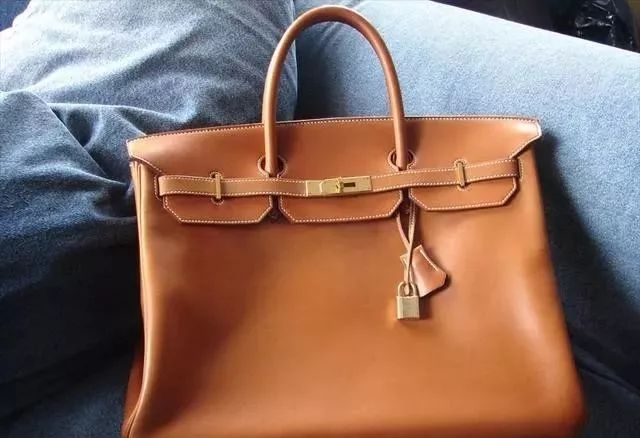
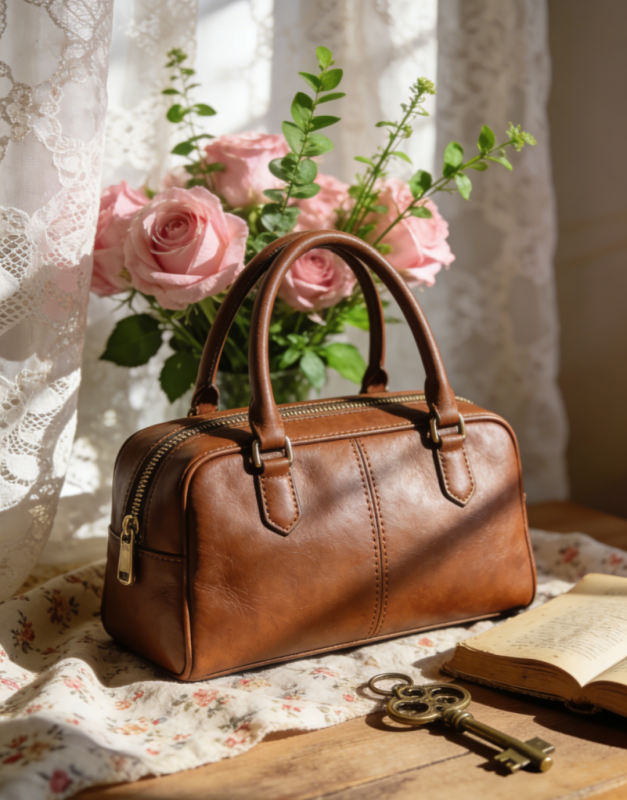
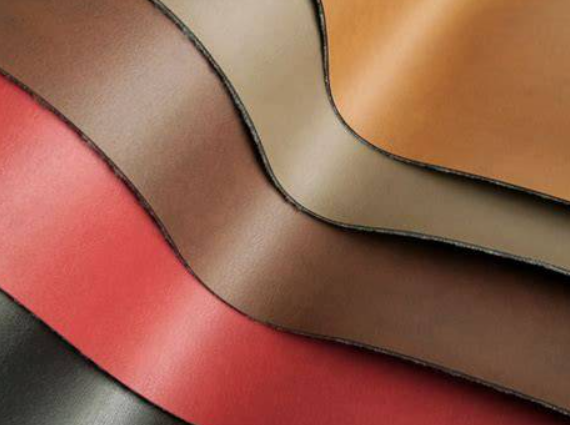
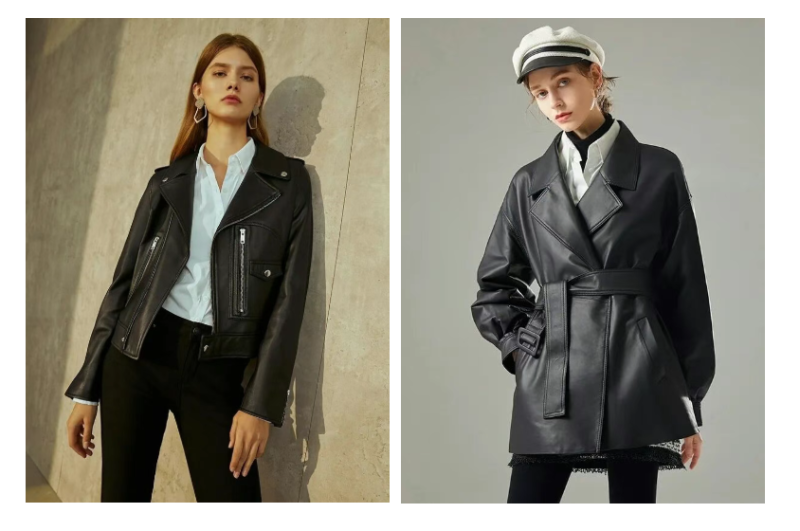
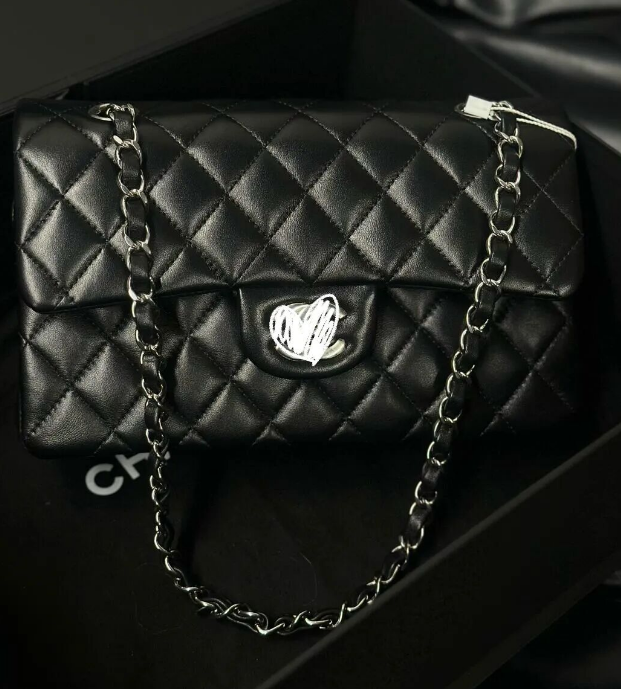
Leather is ubiquitous in people’s lives; it can not only be used to make practical clothing, shoes, and bags, but also by using leather, it can further enhance the aesthetics and fashion appeal of products. During leather production and processing, waterproofing methods are needed to improve the waterproof, stain-resistant, and oil-resistant properties of leather products, thereby better extending their service life.
![Image [1]-Types of leather waterproof materials and different waterproof treatment methods – Nleather-Nleather](https://www.nleather.com/wp-content/uploads/2026/08/20260802-084644-QsVAp-nleather-silicone-leather.png "20260802-084644-QsVAp-nleather-silicone-leather – Nleather")
Leather waterproof materials and different waterproofing methods
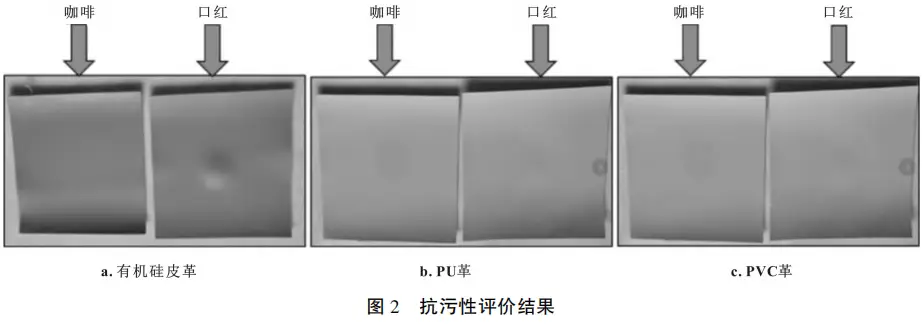
The waterproofing process involves treating the surface of the leather to enlarge the keratin in contact with the pores. To improve the leather’s waterproof performance, people have continuously tried and thought of many methods. In the early waterproofing process of leather, people would use paraffin or oils to coat the surface of the leather or fill it into the leather fibers to improve its water resistance. However, using this method greatly reduces the leather’s breathability and water permeability. Usually, this traditional waterproof technology requires extensive application on the leather surface to achieve good water resistance. Leather treated this way will greatly reduce comfort during wearing and use, so this waterproof treatment is no longer the best choice.
With the continuous advancement of science and technology, current leather waterproof treatment technologies have been well improved and innovated. The widely used leather waterproofing technology now employs a variety of waterproof materials, enhancing both waterproof performance and comfort when using leather. From the perspective of waterproofing mechanisms, waterproof materials can be divided into two main categories: hydrophilic waterproofing technology and hydrophobic waterproofing technology.
Hydrophobic waterproofing agents
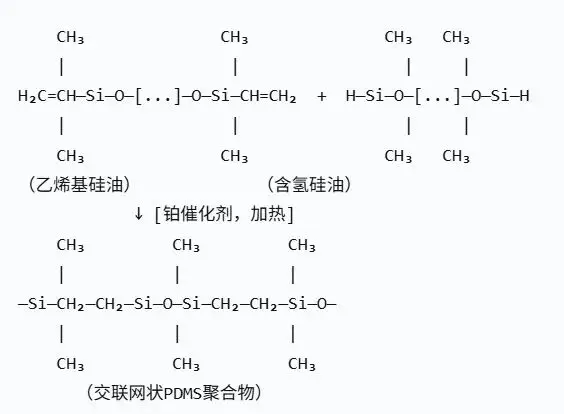
This waterproofing treatment mainly involves treating leather fibers with hydrophobic compounds and curing them through heating. The hydrophobic base layer then arranges and combines along the fiber orientation of the leather, covering or enveloping the leather’s surface to improve its waterproof performance. Leather treated with hydrophobic agents is permanently waterproof; liquids cannot penetrate the interior or remain on the surface. At the same time, the internal gaps of the leather remain, so it still has breathability. The main hydrophobic waterproofing agents include organosilicones, organofluorines, long-chain fatty acid metal salts, and so on. Because these types of waterproofing agents have excellent hygiene performance, they are widely used in the processing and production of clothing and gloves.
![Image [2]-Types of leather waterproof materials and different waterproof treatment methods – Nleather-Nleather](https://www.nleather.com/wp-content/uploads/2026/08/20260802-084552-n4rRG-nleather-silicone-leather.png "20260802-084552-n4rRG-nleather-silicone-leather – Nleather")
Hydrophilic waterproofing agents
Hydrophilic waterproofing agents are also known as latex-type waterproofing agents. This type of waterproofing agent has a biphilic structure, where the hydrophilic base and leather fibers combine on the surface of the leather, and the hydrophobic group forms a hydrophobic coating through a regular distribution arrangement. At the same time, in the pores of leather, there are many waterproofing agent molecules, and a small amount of these molecules move the hydrophilic groups inward. The hydrophobic groups form micelles outward. When the leather meets water, the water molecules in the pores emulsify, forming a water-in-oil state that blocks further water from entering. With this type of waterproofing, after the leather dries, the moisture evaporates and the pores in the fibers on the surface reappear, so it does not affect the leather’s breathability. However, if moisture invades the leather immediately, it may absorb water slightly, but after exercise, it will regain its water resistance. Common types of waterproofing agents include alkenylsuccinic acid, citric acid, alkyl mivalin, and some synthetic semi-vinegars.
Conclusion
Waterproof treatment of leather can further enhance its quality while providing users with a comfortable experience. Good waterproof finishing should not only select appropriate waterproofing agents based on the actual condition of the leather, but also combine scientific and reasonable treatment methods to effectively improve the leather’s water resistance. At the same time, it should be noted that when testing leather waterproofing, it is necessary to consider the conditions that will occur during normal use, so as to better ensure the authenticity and validity of the data.

No comments yet