

When we pay for a set of exquisite seat covers, few people realize how many technical and safety hurdles this seemingly simple leather piece must cross. It should not only look good and be durable, but also be environmentally friendly and safe.
![Image [1]-An in-depth analysis of the standard system behind automotive interior seats and covers – Nleather-Nleather](https://www.nleather.com/wp-content/uploads/2026/08/20260802-094951-8PZMr-nleather-silicone-leather.png "20260802-094951-8PZMr-nleather-silicone-leather – Nleather")
Origin and climate
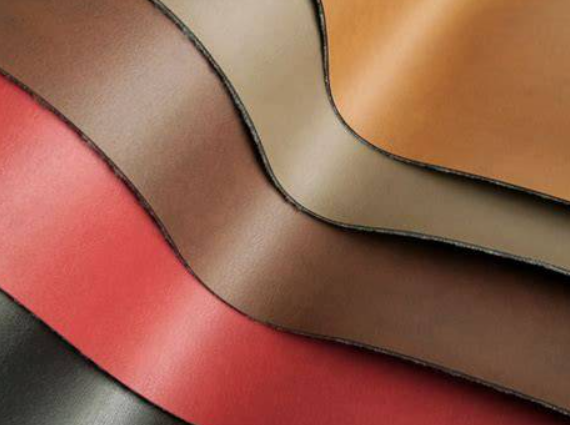
Produced in polar and temperate regions (such as Northern Europe and northern North America). cow leather , because cattle need to withstand severe cold, their cortical fibers are denser and their grain texture is better than in tropical regions. Tropical cattle breeds are often troubled by parasites and thorns, have a higher rate of surface scars, and significantly lower leather yield (the proportion of usable area).
Cow age and cut
Car seats have strict mechanical performance requirements, so they tend to be used for adults aged 2.5 to 4 years cow leather 。 At this stage, the collagen fiber network is fully developed, with tensile strength and tear strength balanced, retaining good softness.
One piece cow leather By location, it can be divided into the spine, flanks, and neck. The spine fibers are the densest woven and are the preferred choice for the main panel (side A) of the seat surface cover; The abdominal and flank areas have great extensibility and are mostly used in non-stressed areas; The neck has many folds and is often cut to avoid them.
From raw leather to crust leather A qualitative change
The main component of raw hides is collagen, which becomes stiff and prone to decay after drying. The core of tanning is the crosslinking reaction between tanning agents and active groups on the collagen molecular chain, giving leather moisture and heat stability, microbial corrosion resistance, and the required physical properties.
Mainstream tanning techniques
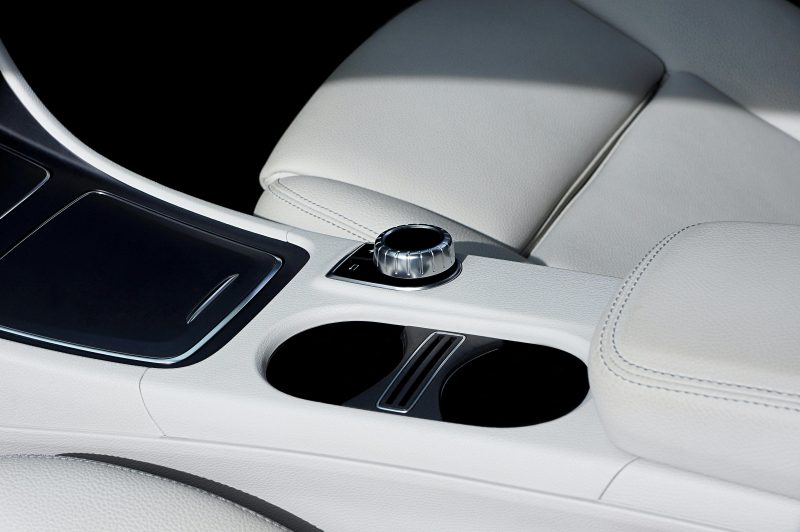
chrome tanning, Currently, it accounts for over 85% of the global market share and uses basic chromium sulfate as the tanning agent. chrome tanned leather The shrinkage temperature can reach above 100°C, with excellent softness and fullness, and high production efficiency.
![Image [2]-An in-depth analysis of the standard system behind automotive interior seats and covers – Nleather-Nleather](https://www.nleather.com/wp-content/uploads/2026/08/20260802-095024-MRD88-nleather-silicone-leather.png "20260802-095024-MRD88-nleather-silicone-leather – Nleather")
without chrome tanning, With stricter environmental regulations, chrome-free tanning technology is rapidly iterating, mainly including:
- Vegetable tanning: uses tannin (with tannins), which is the most environmentally friendly, but… finished leather Relatively hard, mostly used for double-layer leather or special texture requirements.
- Synthetic tanning agents: using aromatic synthetic tanning agents, finished leather Light color and good light resistance.
- Organophosphine tanning agents: a new generation of eco-friendly tanning agents with overall performance close to chrome tanning, already used in some high-end models.
Again tanning and adding fat, After tanning crust leather Requires re-tanning to adjust softness, hardness, and fullness, and adds fat to give it a soft touch. The choice of grease additives directly affects the emission value of volatile organic compounds. High-end automotive interior leather has gradually phased out traditional mineral oils and switched to synthetic esters or vegetable oil-based grease additives.
A balance between function and aesthetics
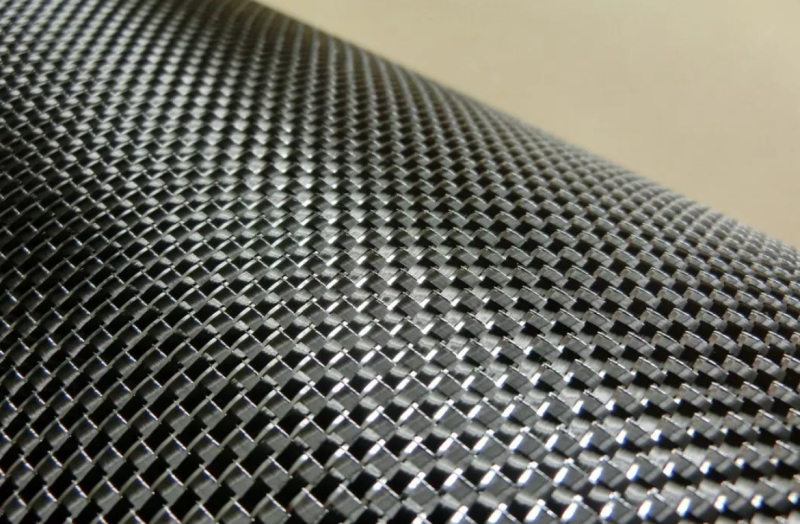
The extremely high requirements for weather resistance and wear resistance in car seats determine the vast majority cow leather It must be treated with surface finishing. The coating layer is not simply “paint,” but a multi-layered functional structure:
Coating structure
Bottom layer: penetrates the leather surface to act as a bonding agent and adjusts absorbency.
Middle layer: The main film-forming layer, determining the leather’s light resistance, wear resistance, and resistance to dry and wet rubbing.
Top layer: Transparent protective layer that provides ultimate tactile feel and stain resistance.
![Image [3]-An in-depth analysis of the standard system behind automotive interior seats and covers – Nleather-Nleather](https://www.nleather.com/wp-content/uploads/2026/08/20260802-095112-eSGqP-nleather-silicone-leather.png "20260802-095112-eSGqP-nleather-silicone-leather – Nleather")
Grain grade classification
Based on the degree of coating coverage, automotive interior leather can be divided into three technical grades:
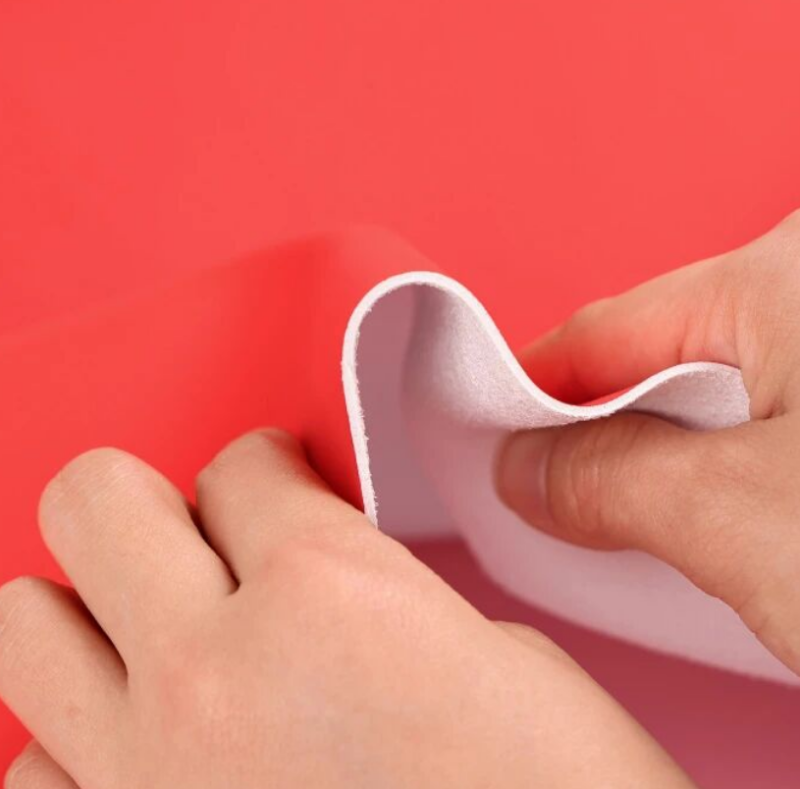
Full grain dough: Only a transparent or semi-transparent protective layer is applied, fully preserving the natural pores and texture. It offers the best tactile feel and best breathability, but requires extremely high standards for raw leather, with almost zero surface defects, mainly used for D-class cars and above.
Corrected Grain: Lightly polished surface followed by a moderate coverage coating, preserving some natural features while balancing texture and yield rate, making it a mainstay for mid-to-high-end models.
Finished Grain: Removes all natural grains and reembosses, offering strong coverage but reduced physical properties, mostly found in low-end or non-contact areas.
From flat leather to three-dimensional seats
cow leather After production, it must be cut and sewn before it can become a seat cover.
Cutting technique
Manual cutting: relies on technician experience, avoids injuries, and adjusts textures, suitable for top-tier customization.
Computer-controlled cutting: projection typesetting, automated die-cutting with high efficiency.
Laser cutting: offers the highest precision, capable of handling complex irregular parts, but carries the risk of edge carbonization.
Sewing techniques
Wire spacing and stitch spacing: usually 3-4 stitches/cm, line spacing 1.5-2.0mm.
Decorative seams: must be precisely aligned, affecting the overall sensory quality of the interior.
Cutting sheet alignment: The A-side cut sheet must ensure the entire seat is symmetrical left and right and the texture direction is consistent.
The face cover must fit tightly with the seat foam layer, usually adopting:
Thermal lamination: Flame heating causes the dough sleeve backing to fuse with foam.
Adhesive Lamination: Environmentally friendly hot melt adhesive dot spraying, balancing breathability and bonding.
The standard system for seat covers
They are mainly divided into three categories: domestic industry standards, foreign OEM standards, and international industry organization standards.
Among them, OEMs usually have the strictest standards.
The following are the specific standards and special requirements:
Chinese domestic standard
Industry core standard: QB/T 2703-2020 “Leather for Automotive Decoration”.
This is the most core industry standard in China. The 2020 edition added indicators such as pinhole tearing, low-temperature fold resistance, and total organic matter evaporation, with stricter requirements.
Group/local standards: such as T/CNLIC 0066-2022 (Antibacterial Technical Requirements) and “Made in Zhejiang” “Low Organic Volatile Emission Vehicles.” cow leather Seat leather, the latter usually represents a higher level of environmental protection.
![Image [4]-An in-depth analysis of the standard system behind automotive interior seats and covers – Nleather-Nleather](https://www.nleather.com/wp-content/uploads/2026/08/20260802-095153-KjMQs-nleather-silicone-leather.png "20260802-095153-KjMQs-nleather-silicone-leather – Nleather")
Standard for mainstream foreign OEMs
Major car companies usually have their own strict corporate standards. Here are some representatives:
Stellantis:PSA B65 3110 。 There are clear requirements for origin and animal age (recommended 3 years old), and there is a dedicated catalog of natural defects.
VW/Audi: such as PV3930 (weather resistance), VW50180 (volatile organic compounds, i.e., VOC), etc. German cars have extremely strict standards for atomization and odor.
Ford: such as WSS-M99P2222-B. There is a complete set of standards for VOC control.
GM: Possesses the GMW (Global) standard system.
Tesla: Although there are few public standards, there is a general demand for minimalist design and ultra-low VOC.
BMW/Mercedes-Benz: Standards are similar to Volkswagen’s, focusing on resistance to light aging and physical strength, usually requiring certification from globally renowned automotive leather manufacturers.
Foreign industry organizations and regional standards
Europe: EN 16223-2:2022. It specifies the labeling and description requirements for leather used in automotive interiors.
Germany: VDA 230-* series (such as VDA 230-201 odor test), a common testing method for German cars.
USA: SAE J* series (e.g., J1960 weather resistance), ASTM and FMVSS 302 (Federal Motor Vehicle Safety Standard, Mandatory Flame Retardant Regulation).
Japan: JASO M* series, commonly using carbon arc lamp aging test methods.
Core special requirements
Healthy and Environmentally Friendly (VOC/Odor): Tests total organic compound volatilization, atomization, and odor level. The 2020 national standard clearly requires testing total organic compound volatilization.
Physical durability: including resistance to light aging (distinguishing xenon arc lamps from carbon arc lamps), wear resistance/tear resistance, and flame retardancy (must comply with mandatory regulations such as FMVSS 302).
Sensory and eco-friendly craftsmanship: Requires flawless and good tactile feel; At the same time, chromium-free tanning and the ban on azo dyes are being gradually promoted to reduce ecological impact.




No comments yet