
Silicone leather, with its unique properties and wide range of applications, has gradually become a new favorite in the market. Silicone leather not only possesses the softness and comfort of traditional leather but also demonstrates outstanding performance in abrasion resistance, aging resistance, and heat resistance. This article will systematically analyze silicone leather from both structural and manufacturing process aspects.
Silicone leather structure
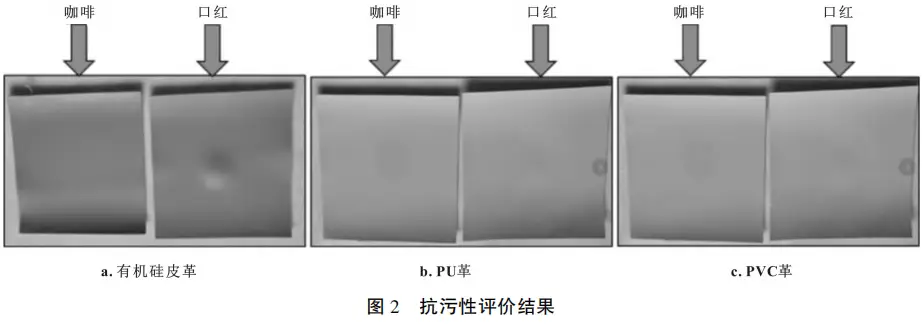
Silicone surface treatment layer: tactile feel adjustment (skin feel, wax feel), customized appearance (gloss, color), stain resistance.
Silicone surface layer: Excellent stain resistance, wear resistance, and waterproofing properties.
Silicone performance layer: Bears mechanical, wear-resistant, antibacterial, flame-retardant, and other properties. Its softness and elasticity deeply affect the overall feel, flexibility, and wrapping performance of finished leather products on complex curved surfaces.
Silicone base bonding layer: high viscosity, supports both top and bottom connections, and ensures strong adhesion.
![Image [1]-Silicone leather production process – Nleather-Nleather](https://www.nleather.com/wp-content/uploads/2026/08/20260802-085907-FbRZk-nleather-silicone-leather.png "20260802-085907-FbRZk-nleather-silicone-leather – Nleather")
Silicone leather production process
The traditional dry process is the fundamental and mainstream method for producing silicone leather.
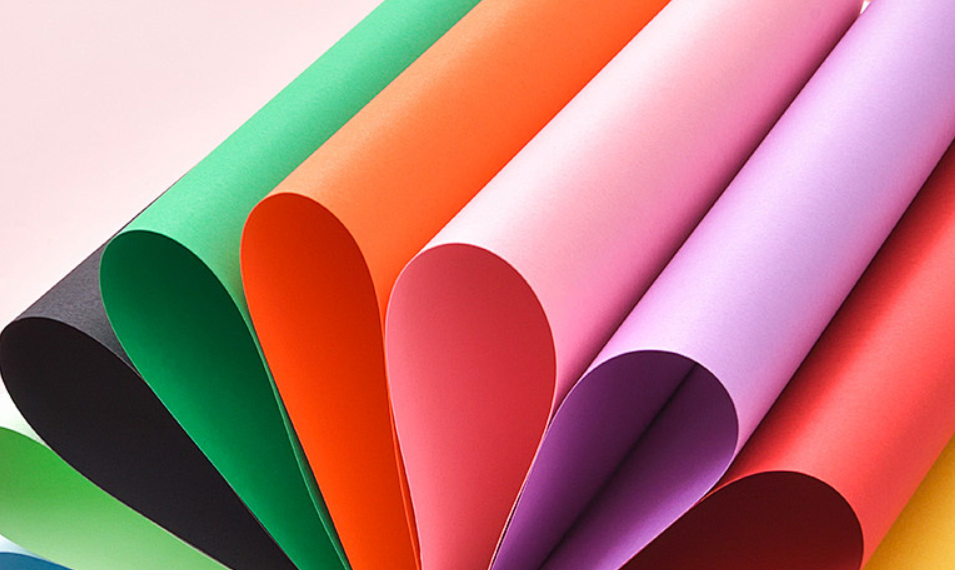
The dry method (also known as the coating method) involves coating silicone resin onto release paper as a carrier, then passing it through an oven to control the temperature and speed under certain process conditions to form a film. This is the key to determining the surface effect of the leather (glossy, matte, textured). The texture of the release paper transfers directly onto the surface of the leather.
Then, after coating the adhesive layer on top and laminating it with the base fabric, it undergoes drying, curing, and cooling, and is then separated from the release paper to obtain the silicone bond finished leather 。 After rewinding by the machine for release paper, the release paper can be reused.
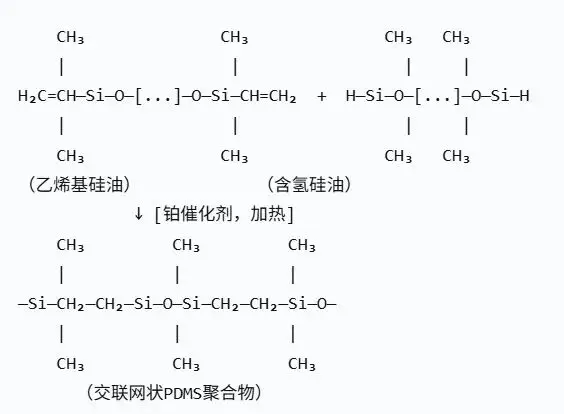
The curing reaction is a key step in the formation of silicone leather. During curing, the solvent in the silicone solution gradually evaporates, causing the silicone resin to undergo crosslinking reactions to form strong and soft leather. Curing temperature and duration have a significant impact on leather performance, so precise control of curing conditions is required.
After completing the curing reaction, the process enters the surface treatment stage. Surface treatment mainly includes sanding, trimming, and cleaning steps to improve the leather’s appearance quality and feel. Sanding removes imperfections and unevenness from the leather’s surface, while finishing makes the leather smoother and smoother. The cleaning step removes stains and dust from the leather’s surface, preparing for subsequent finishing and finishing.
The finishing and finishing stages are important steps to enhance the aesthetics and durability of silicone leather. Finishing can give leather rich colors and shine while enhancing its waterproof and stain-resistant properties. Finishing includes softening, stretching, and setting to make the leather softer, more comfortable, and more durable.
Finally, the finished product cutting stage. Leather that has been finished and finished is cut according to requirements to produce silicone leather products that meet size and shape requirements.
Advantages of dry process technology
- High production efficiency: combined finished leather The drying process in the dry process is relatively short, which improves production efficiency.
- Good environmental friendliness: Compliant finished leather Solvents in the dry process can be recycled, reducing environmental pollution. In addition, the union finished leather The dry process does not require large amounts of water resources and also reduces the risk of water pollution.
- Product quality is stable: combined finished leather The coating layer in the dry process is uniform and firmly bonded, making it less likely to cause bubbling or delamination, ensuring stable product quality.
- Wide variety of products: combined finished leather The dry process can produce combinations of various colors, patterns, and textures finished leather , meeting the diverse market demands.

No comments yet