

In recent years, as the consumer electronics industry has moved toward high-end and experiential trends, upgrading materials around 3C peripherals has become a key direction for brands to break through: from phone cases, tablet cases, and TWS earphone cases, to laptop wrist rests, inner sleeves, and gaming peripheral grips, more and more brands are abandoning traditional PU leather, genuine leather, and TPU materials, opting instead for more eco-friendly, durable, and skin-friendly silicone leather. However, the resulting industry pain points have caused many brands and consumers to fall into traps: many low-priced leather products show issues such as peeling, delamination, yellowing, and oiliness within just two or three months of use. Some inferior products also have irritating odors and can release harmful substances that corrode the casing of 3C products. Many consumers have spent high prices on merchandise, only to end up as “single-use” items.
![Image [1]-Silicone leather is used in soft packaging for 3C products – Nleather-Nleather](https://www.nleather.com/wp-content/uploads/2026/08/20260802-125204-UyYBj-nleather-silicone-leather.png "20260802-125204-UyYBj-nleather-silicone-leather – Nleather")
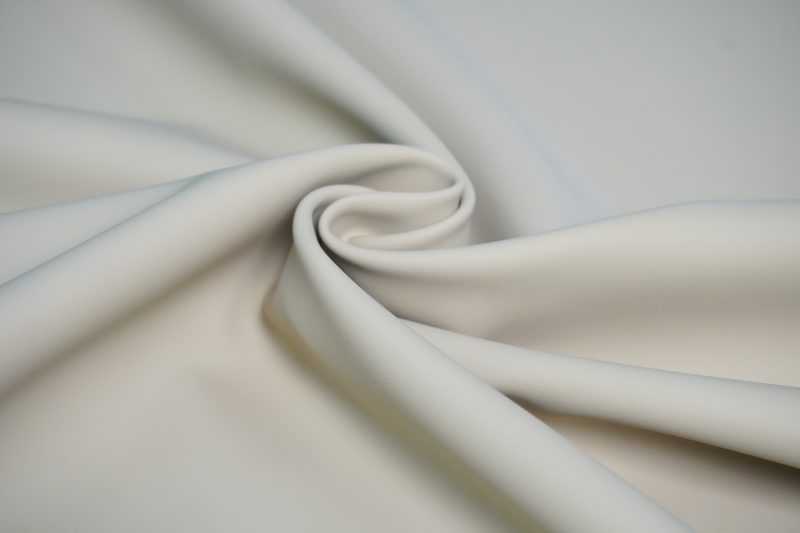
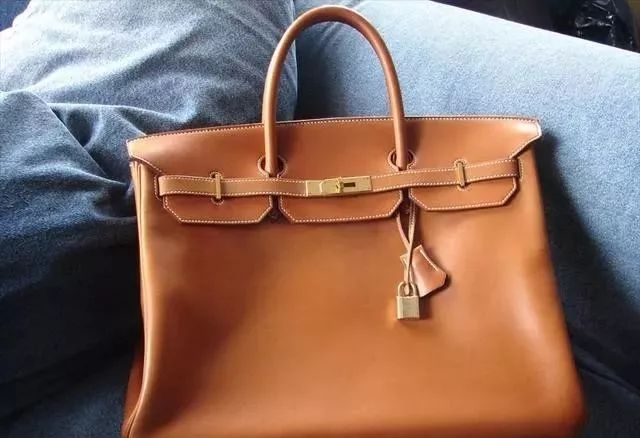
Silicone leather as the third generation artificial leather , which is very suitable for packaging in 3C electronic products.
Food-grade eco-friendly formula with maximized safety attributes
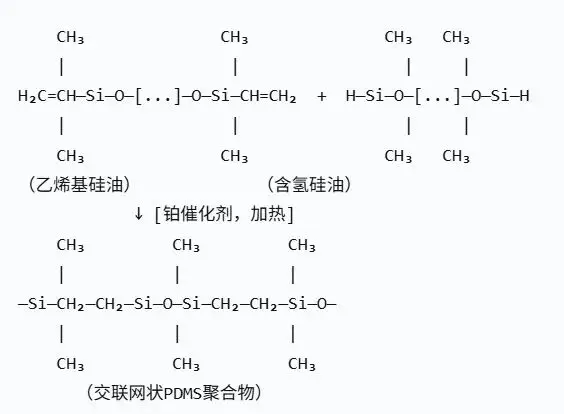
Silicone leather uses food-contact grade silicone raw materials, free of harmful plasticizers, heavy metals, azo, and other harmful substances. It complies with EU ROHS, REACH, and domestic standards for silicone rubber materials used in food contact. Opening the bag produces no irritating odor and even meets safety requirements for maternal and infant 3C products, so there is no need to worry about the material itself causing corrosion to the human body or 3C products.
Targeted modification to adapt to all 3C usage scenarios
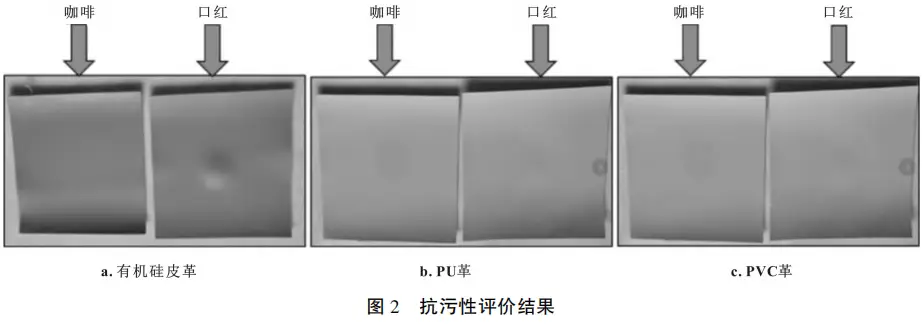
Silicone leather solves common pain points of traditional leather in 3C product scenarios: for example, for long-term contact with hand sweat stains, it is treated to resist sweat stains and human secretions, preventing stickiness, shine, or mold over time; To address temperature differences in different regions, it has optimized weather resistance. Even in environments ranging from minus 40°C to 120°C, there will be no cracking, oiling, or yellowing. Even when placed inside a car under intense sunlight in summer, it will not deform or release substances; To meet stain resistance needs, it features a special low surface energy treatment. Stains from coffee, cola, makeup, ink, and other stains can be wiped clean with a wet wipe without leaving any trace.
High scratch and wear resistance, with a service life far exceeding the industry average
Additionally, silicone leather has good wear resistance; after thousands of rubs, it won’t peel, delaminate, or fade. Even when placed with hard objects like keys or coins, it doesn’t easily get scratches, and after two to three years, it can remain 90% new, greatly reducing consumer costs and minimizing after-sales complaints.
Formulas and processes are adjusted according to the usage characteristics of different 3C products: for example, to meet the repeated bending needs of foldable phone cases, the high-resilience and fold-resistant formula will not produce obvious creases even after tens of thousands of bend tests, so it does not affect the foldable screen opening and closing experience; Designed for laptop wrist rests, it features a slightly breathable, skin-friendly formula that prevents sweating even after long-term contact with the wrist, preventing shiny wear and peeling issues typical of regular leather wrist rests; To meet the grip requirements of gaming peripherals, the surface damping coefficient has been adjusted to prevent slipping even when sweating, while maintaining a skin-friendly feel, so even after long gaming sessions, your hands won’t feel uncomfortable.
![Image [2]-Silicone leather is used in soft packaging for 3C products – Nleather-Nleather](https://www.nleather.com/wp-content/uploads/2026/08/20260802-125257-nLvjX-nleather-silicone-leather.jpg "20260802-125257-nLvjX-nleather-silicone-leather – Nleather")
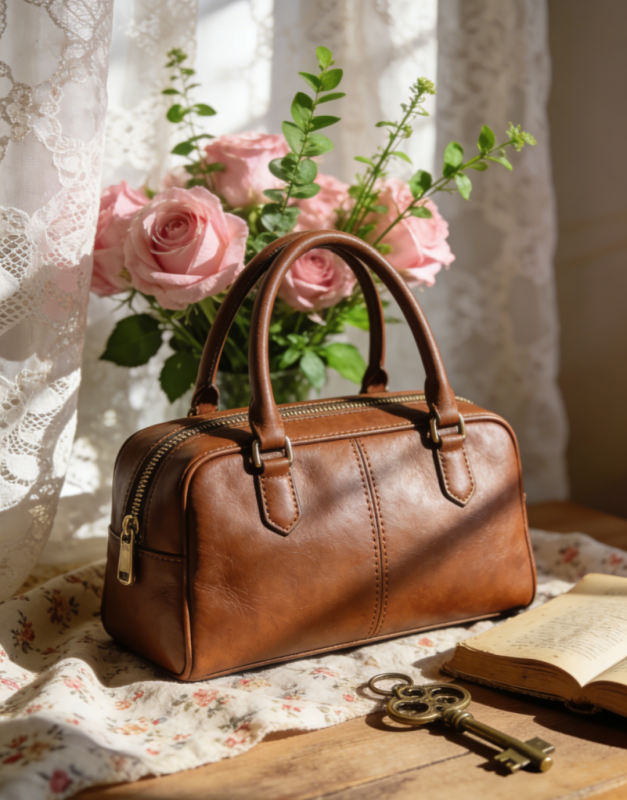
silicone leather is very suitable for the following types of customers
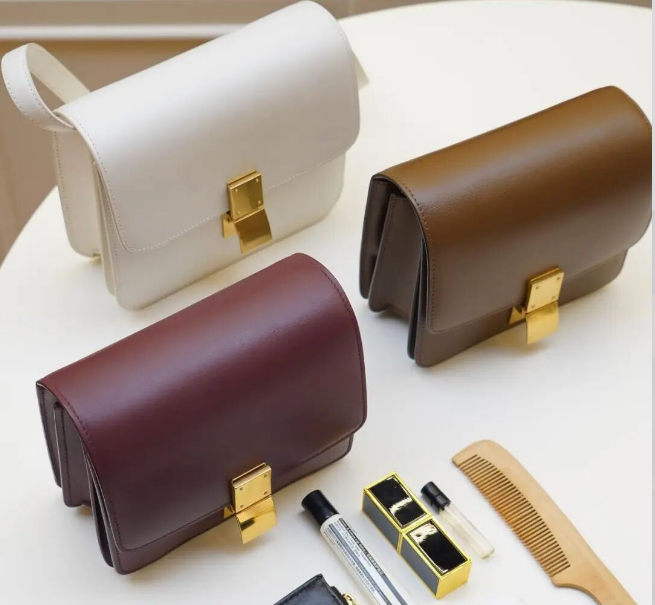
- Mid-to-high-end 3C brand owners: For mid-to-high-end 3C brands aiming to enhance product experience and create brand premium, high-performance silicone leather can significantly enhance product texture and user experience, helping brands differentiate themselves from low-end homogeneous products.
- Original digital peripheral brands: For original digital peripheral brands aiming to create differentiated products and avoid price wars, silicone leather offers a high degree of customization, helping brands create exclusive product highlights and enhance core competitiveness.
- Brands of 3C products for mother, baby, and children: A brand focusing on safety for mother, baby, and children’s 3C products, food-grade silicone leather is odorless and free of harmful substances, fully meeting children’s safety requirements.
- Outdoor and rugged 3C product brands: A 3C product brand focused on outdoor and rugged features, silicone leather is highly weather-resistant, stain-resistant, and durable, making it usable even in harsh outdoor environments and fully meeting the needs of rugged products.
A guide to avoiding pitfalls in 3C silicone leather procurement
Many 3C brands often fall into pitfalls when purchasing silicone leather. Here are a few key points to avoid them:
- Don’t just look at the price; low prices often hide traps: Many low-priced silicone leathers on the market contain recycled materials or use inferior raw materials, which not only fail to meet environmental standards and produce irritating odors, but also tend to cause yellowing, peeling, and oiliness. The after-sales costs are very high, making it not worth the risk. When purchasing, always check the product’s test report first, then the actual test results. Don’t be fooled by low prices.
- Don’t choose universal silicone leather; choose those specifically for 3C (C) devices: Many suppliers use silicone leather for furniture and footwear, without modifications for 3C scenarios. Its sweat resistance, fold resistance, and abrasion resistance are all substandard, making it easy to cause problems when used in 3C products. When purchasing, be sure to ask suppliers whether they have service experience in the 3C field and mature 3C application cases.
- Be sure to verify the relevant test reports: Legitimate silicone leather suppliers will provide relevant test reports such as ROHS, REACH, and food contact grade. Do not purchase products without test reports, as this can easily lead to environmental non-compliance issues and even affect brand compliance.
- Prioritize suppliers with customization capabilities: The update and iteration speed of 3C products is very fast, and different products have different material requirements. Prioritize suppliers with R&D capabilities and the ability to customize and adjust to keep pace with product updates and create differentiated products.
- Confirm capacity and delivery stability: The pace of 3C product launches is extremely strict. If suppliers’ production capacity is unstable, delays in delivery can easily occur, affecting new product launch plans. When purchasing, prioritize suppliers with independent full-industry chain production lines and stable capacity, and avoid small workshops for contract manufacturing.
Summary
As competition in the consumer electronics industry intensifies, users’ demands for detailed product experiences are also rising. As a new eco-friendly material replacing traditional PU and genuine leather, silicone leather has become an inevitable trend in upgrading 3C peripheral materials. For 3C brands, choosing the right silicone leather supplier not only improves product experience and reduces after-sales costs, but also creates exclusive product highlights and boosts brand competitiveness.

No comments yet