

Production and Technical Characteristics of Silicone Leather
Silicone leather is a new type of eco-friendly compound with silicone polymer materials as its core components finished leather . Its production process combines materials science with fine chemical technology, with main processes including:
- Substrate preparation : Using nonwoven fabric, microfibers, or recycled fibers as the base, with a porous structure formed through weaving or needle-punching processes to ensure flexibility and breathability.
- Coating process : Liquid silicone resin is evenly coated on the substrate surface by scraping, impregnation, or spraying, using its high penetration to fill the gaps between fibers.
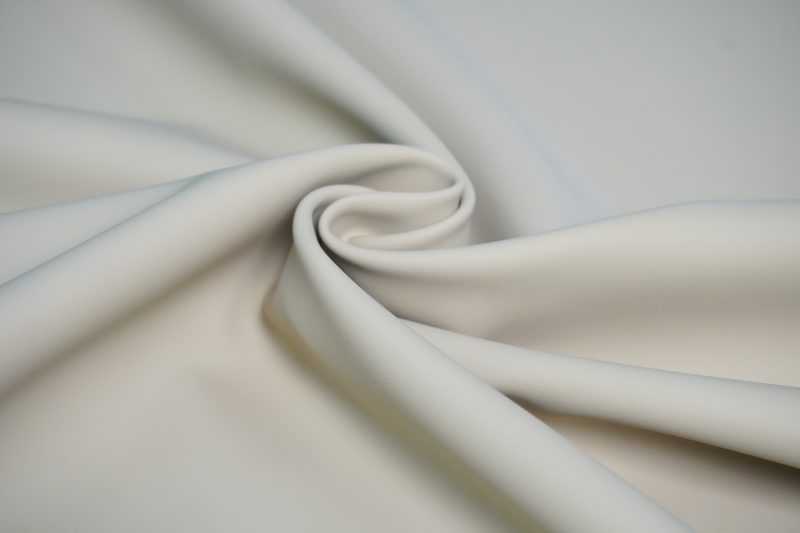
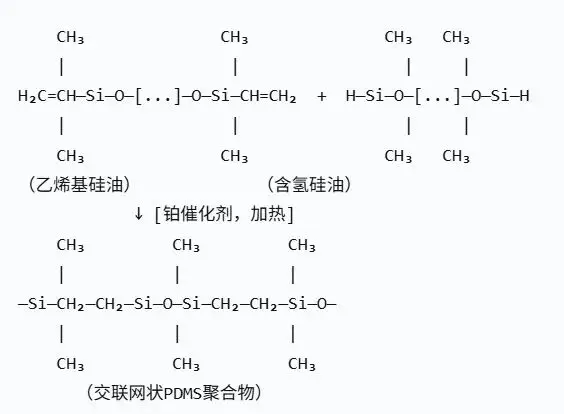
- Curing and molding : Through high-temperature baking or UV curing technology, the silicone is crosslinked into a stable three-dimensional mesh structure, forming a wear-resistant and aging-resistant surface layer.
- Post-processing : Embossing, dyeing, and other techniques impart texture and color to the leather to meet diverse design needs.
Technical advantages : Silicone materials have characteristics such as high temperature resistance (-50°C~250°C), UV resistance, non-toxicity and odorlessness, and the production process requires no solvents, aligning with the green manufacturing trend.
![Image [1]-Silicone Leather: Effortless Eco-Luxury Revolution – Nleather-Nleather](https://www.nleather.com/wp-content/uploads/2026/07/20260726-160737-nVuCK-nleather-silicone-leather.png "20260726-160737-nVuCK-nleather-silicone-leather – Nleather")
Expansion of application fields
With its performance advantages, silicone leather is replacing traditional leather in multiple fields finished leather:
- Automotive industry : Used in seats, steering wheels, and other interiors to meet requirements for weather resistance, flame retardancy, and lightweight design, especially favored by new energy vehicles.
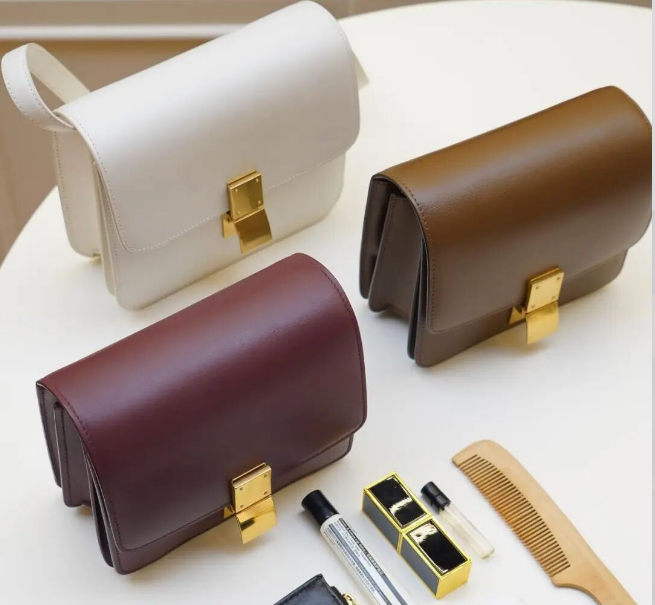
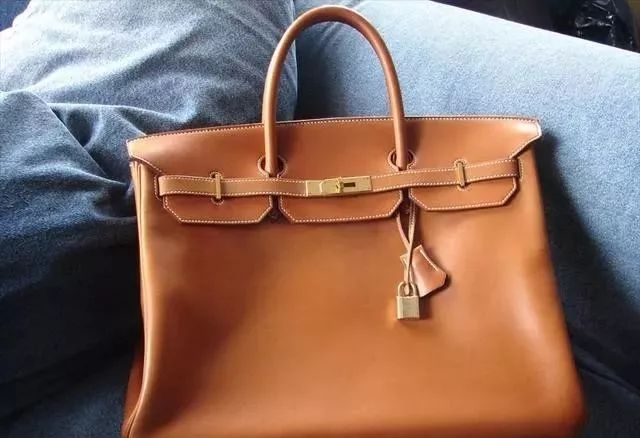
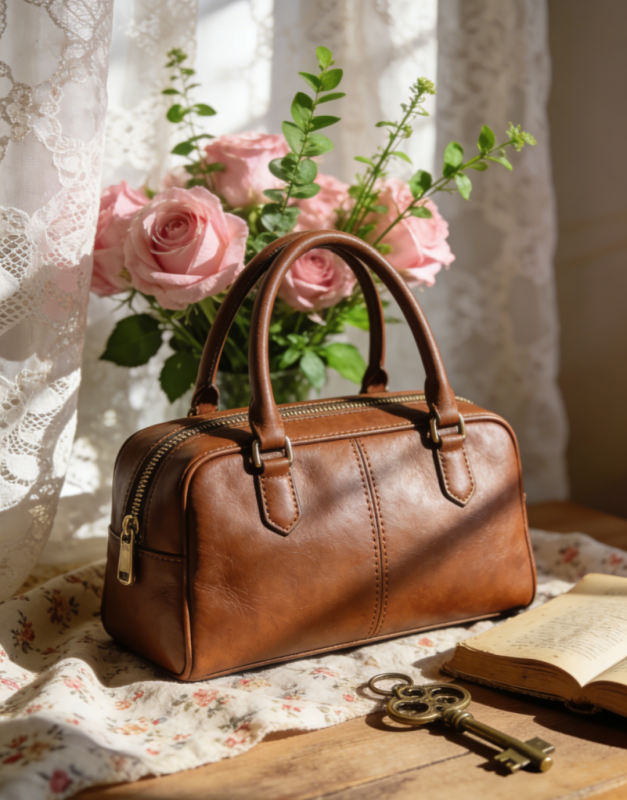
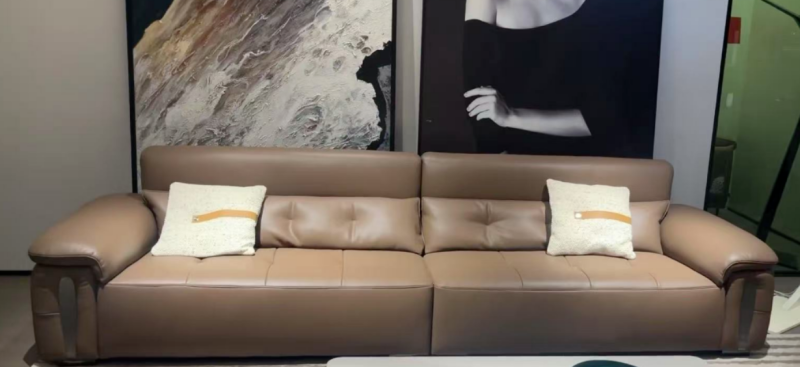
- Home and fashion : Widely used in sofas, bags, footwear, and other products, with a texture close to genuine leather and easy to clean.
- Medical and electronics : Biocompatibility makes it suitable for medical device sheaths; Its chemical corrosion resistance is suitable for protective cases of electronic products.
- Outdoor gear : Tents, sports equipment bags, and similar equipment benefit from their waterproof and weather-resistant properties.
![Image [2]-Silicone Leather: Effortless Eco-Luxury Revolution – Nleather-Nleather](https://www.nleather.com/wp-content/uploads/2026/07/20260726-160801-4wL45-nleather-silicone-leather.png "20260726-160801-4wL45-nleather-silicone-leather – Nleather")
Core Challenges Faced
- Technical barriers :
- There is still a gap between tactile and genuine leather, and surface biomimetic microstructure technology needs to be overcome.
- High-temperature curing consumes high energy, making it urgent to develop low-temperature curing formulas.
Insufficient market awareness : Consumers have prejudices against the “plastic feel” of silicone leather and need to reshape their perception through experiential marketing.
Supply chain risks :
- Organic silicon raw materials were affected by upstream price fluctuations of metallic silicon (with a 40% increase in 2023).
- High-end production equipment relies on imports, with a localization rate of less than 30%.
Recovery challenges : Cross-linked silicone is difficult to degrade, physical recovery efficiency is low, and chemical depolymerization technology is still at the laboratory stage.
Driven by the dual drive of the green economy and consumption upgrades, the silicone leather industry is on the verge of an explosion. Despite facing phased challenges in cost and technology, its logic of substituting traditional materials is clear, and it is expected to grow into a market worth hundreds of billions in the next 5-10 years. Companies need to seize the policy window and build competitive barriers through innovation to gain an edge in the sustainable materials revolution.

No comments yet