

| Contrast dimensions | Natural leather | Standard PU/PVC leather | Ultra-fine leather | Solvent-free PU leather | Semi-silicone leather | Full silicone leather | TPU leather |
| Material attributes | Made from natural animal collagen | Basic chemical engineering finished leather | High-end fiber combinations finished leather | Environmentally friendly solvent-free alloy finished leather | PU base + silicone-coated composite leather | High-end all-silicone compound finished leather | Thermoplastic polyurethane compound finished leather |
| Environmentally friendly odors | Naturally free of chemical odors, requiring simple deodorizing and maintenance | It tends to retain a plastic odor and has relatively high VOCs | Low odor, moderate environmental friendliness | Solvent-free, low VOC, and odorless | Almost odorless, highly environmentally friendly | Zero formaldehyde, zero odor, food-grade environmentally friendly | Non-toxic and odorless, with stable environmental properties |
| Wear-resistant and scratch-resistant | Good toughness, prone to scratches, requires regular maintenance | Poor quality, prone to peeling, cracking, wear, and aging | Excellent, tear-resistant, resistant to pulling, and not easily damaged | Good, with a dense surface layer, wear-resistant, and fabric-resistant | Excellent quality, reinforced by a silicone surface layer that is scratch-resistant and wear-resistant | Extremely strong, scratch-resistant, and durable, with no obvious damage after long-term use | Good, flexible, durable, not prone to brittleness or aging |
| Waterproof and stain-resistant | It absorbs water and seeps in easily, gets dirty and is hard to clean, and is sensitive to humid environments | Average waterproofing, stains easily seep into the surface and remain behind | Good waterproofing, meeting daily stain prevention needs | It performs well in water and stain resistance, making it easy to clean daily | Upgraded stain resistance, ordinary stains are cleaned with a single wipe | Water-repellent and stain-resistant, color-resistant, residue-free, and very easy to clean | Waterproof and seepage prevention, oil stain resistant, and easy to clean |
| Breathability | Naturally breathable, with the best breathability among all fabrics | Poor sealing and stuffiness, with extremely poor breathability | Medium, with better breathability than ordinary PU/PVC leather | Medium to upper range, breathable evenly, and does not cause sweating | Medium, with a slight air retention in the silicone surface layer | Weak, with strong sealing and average breathability | Moderate, with stable breathability and no obvious stuffiness |
| Resistant to aging and hydrolysis | Sensitive to moisture and sun, long-term use can easily cause mold, deformation, and aging | They are prone to aging, hardening, delamination, and peeling, resulting in a short service life | Excellent anti-aging and hydrolysis resistance, with a long service life | Strong performance stability and significantly extended service life | Good weather resistance, resistant to oxidation, fading, and deformation | Resistant to high and low temperatures, anti-aging, and does not mold or deteriorate throughout the process | Resistant to hydrolysis and aging, the material properties are not easily deteriorated |
| Tactile and textured | Warm and natural, soft elasticity, and a unique texture | It feels more plastic-like, feels stiff and stiff to the touch, and feels cheap in texture | Soft and delicate, with a rebound texture close to genuine leather | It feels thick and solid to the touch, with a delicate and even texture and a comfortable touch | Smooth and skin-friendly, combining toughness and softness | Warm and smooth, with a premium and delicate touch without a plastic feel | Lightweight and flexible, quick rebound, and crisp to the touch |
| Price positioning | High-end fabrics with a wide price range | Low-end and affordable prices, with low cost-performance ratio | Mid-to-high-end with excellent overall value for money | Mid-range, environmentally friendly, and cost-effective | Mid-to-high-end with balanced and stable overall performance | High-end fabrics have relatively high production costs | Mid-range and lightweight scenarios are preferred |
| Core applicable scenarios | High-end furniture, luxury bags, and premium automotive interiors | Temporary soft furnishings, affordable packaging, and ordinary decorative fabrics | Mid-to-high-end sofas, footwear materials, and conventional high-end bags | Home sofas, whole-house soft packaging, standard car interiors | High-end home soft furnishings, car seats, and high-end office furniture | Medical venues, maternal and infant home furnishings, yachts, and high-end car interiors | Automotive soft packaging, 3C accessories, and lightweight luggage products |
![Image [1]-Genuine leather, artificial leather A complete comparison of the core differences in microfiber leather – Nleather-Nleather](https://www.nleather.com/wp-content/uploads/2026/08/20260802-050425-QtksK-nleather-silicone-leather.png "20260802-050425-QtksK-nleather-silicone-leather – Nleather")
Common types of leather
Natural Leather (Genuine Leather)
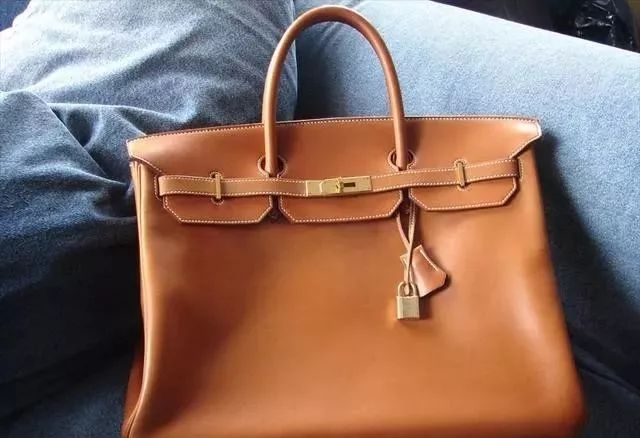
From cow leather sheepskin, pigskin, and other animal raw hides, processed through multiple professional processes including tanning, trimming, and coloring. The core ingredient is natural animal collagen fibers, which are the only natural leather material available on the market. Each piece of genuine leather has a unique texture, pores, and texture, possessing natural qualities that synthetic fabrics cannot replicate.
Ordinary PU/PVC artificial leather
Traditional basic faux leather fabrics use ordinary textile fabric as the base, with PVC or PU resin coatings applied to the surface for processing. It is a pure chemical synthetic material, contains no animal fibers, has a simple production process, is inexpensive, and is the most basic and widely used material on the market artificial leather Category.
Superfiber fusion finished leather
High-end traditional combinations finished leather , using island ultrafine fiber nonwoven fabric as the base, impregnated polyurethane resin composite molding. The internal fiber structure closely mimics the shape of genuine leather, offering toughness, abrasion resistance, and a rebound feel far superior to ordinary ones artificial leather , is a cost-effective genuine leather alternative material, but essentially still belongs to synthetic fabrics.
Solvent-free PU leather
Eco-friendly upgraded PU leather, production process No organic solvents are added , No VOC residue, no irritating odors, no excess plasticizers, highlighting its green and environmental attributes. The fabric base is solid and the surface coating is dense. Compared to traditional PU leather, it offers comprehensive improvements in wear resistance, aging resistance, and crack resistance, making it the mainstream eco-friendly fabric for furniture and automotive interiors today.
Semi-silicone leather (semi-silicone leather)
A composite fabric with solvent-free PU leather as the core base and an organosilone-coated surface layer. The core base material is PU, with only the surface treated with silicone, balancing the solid texture of solvent-free leather with the stain-resistant and scratch-resistant advantages of silicone, offering outstanding value for money and widely used in mid-range home soft furnishings and automotive interior scenarios.
Full Silicone Leather (Full Silicone Leather)
The entire fabric is made of integrated silicone resin, made entirely of silicone from base to surface, with no PU substrate adulterated. It features food-grade and medical-grade high-standard environmental attributes, waterproof and stain-resistant, heat-resistant, mildew-resistant, and odorless, making it a high-end compound with outstanding overall performance finished leather , adaptable to various high-standard usage scenarios.
TPU leather
An eco-friendly compound with thermoplastic polyurethane (TPU) as the core coating finished leather The overall material is thin, highly flexible, and highly elastic, with good waterproof and seepage resistance, resistant to delamination and foaming, and stable resistance to hydrolysis and aging. It is widely used in automotive soft packaging, 3C accessories, lightweight luggage, and other scenarios where toughness and weight are required.
![Image [2]-Genuine leather, artificial leather A complete comparison of the core differences in microfiber leather – Nleather-Nleather](https://www.nleather.com/wp-content/uploads/2026/08/20260802-050501-vY5iW-nleather-silicone-leather.png "20260802-050501-vY5iW-nleather-silicone-leather – Nleather")
Common misconceptions
Solvent-free leather = zero formaldehyde genuine leather
Wrong! Solvent-free only represents The production process is environmentally friendly , eliminating traditional solvent raw materials and greatly reducing harmful residues, essentially still using PU compounds finished leather , which is definitely not genuine leather. Its core advantages are zero odor, healthier, and more environmentally friendly, but it cannot replicate the breathable texture and unique texture of natural leather. Do not be misled by the concept of “solvent-free” environmental protection, which is equated with genuine leather.
Half silicone = full silicone leather
The two are completely different types of materials! Core substrates vary greatly: Semi-silicone is a PU base + surface silicone coating, with PU as the core material; The entire silicone gel is made entirely of organic silicone, with no PU substrate doping 。 All-silicone leather far surpasses semi-silicone leather in terms of environmental friendliness, stain resistance, weather resistance, and lifespan, and is priced higher, making it the material combination that merchants often confuse with premium pricing.
TPU leather is just silicone leather
Wrong! TPU and silicone are two completely different chemical materials, each with distinctly different performance focuses. TPU leather is the main focus Lightweight, highly elastic, hydrolysis-resistant, and not prone to delamination or foaming , suitable for lightweight, high-frequency bending scenarios; Silicone leather is the main feature Highly resistant to stains, resistant to high and low temperatures, zero odor, medical-grade environmentally friendly , suitable for high-standard health and durable scenarios; the two should not be confused.
Together finished leather The more expensive, the better the texture
Not necessarily! Full silicone, high-end TPU leather is priced higher, with its core advantages being reflected in: Environmentally friendly and healthy, durable and durable, easy to maintain daily ; But the unique natural texture, warm touch, and natural breathability and comfort of genuine leather are all artificial combination finished leather Impossible to replicate. There is no absolute superiority or inferiority in fabric, only whether it is suitable for the usage scenario.
Microfiber leather = solvent-free leather
Wrong! The two are the combination of different levels of upgrades finished leather The core advantages are completely different: the core highlight of microfiber leather is… The fiber structure is highly simulated, tough, wear-resistant, and tear-resistant ; The core highlight of solvent-free leather is: The production process is environmentally friendly, zero odor, and leaves low harmful residues , When purchasing, you can distinguish based on your core needs.

No comments yet