

Functionalized graphene with siloxane has good dispersibility and stability, while functionalized graphene-modified silicone has good acid and alkali resistance. In this study, the zeta potential, nanoparticle size, particle size distribution, and other instruments of siloxane-functionalized graphene-modified silicone were tested using nanoparticle size and potential analyzers, Taber wear testers, friction decolorization testers, and others finished leather Physical and mechanical properties: Results show that graphene-modified silicone has high stability at pH values of 0.5~11.5; The stronger the alkalinity, the larger the nanoparticle size, the more concentrated the particle size distribution, and the smaller the particle size distribution coefficient; The stronger the acidity, the more dispersed the particle size distribution, and the larger the particle size distribution coefficient. Blending siloxane-functionalized graphene with polyurethane brighteners or nitrocellulose brighteners in the top layer of leather coating can significantly improve the physical and mechanical properties of the coating, and graphene-modified silicone provides a stronger effect on polyurethane brighteners than nitrosole.
![Image [1]-Stability and application of silicone leather hand sensation agents for siloxane-functionalized graphene-modified organosilicon leather – Nleather-Nleather](https://www.nleather.com/wp-content/uploads/2026/08/20260802-034951-7TW3d-nleather-silicone-leather.png "20260802-034951-7TW3d-nleather-silicone-leather – Nleather")
Author: Yao Qingda 1,2 , Wang Xiaozhuo 1,2 , Wen Huitao 1,3* , Liang Yongxian 1,2 , Yang Yiqing 1,2 , but Wei Hua 1,3
1 . Fujian Key Laboratory of Green Design and Manufacturing of Leather, Jinjiang, Fujian;
2 . Xingye Leather Technology Co., Ltd. National Enterprise Technology Center, Jinjiang, Fujian;
3. National Engineering Laboratory of Clean Technology for Leather Processing, Sichuan University, Chengdu, Sichuan
Graphene is a two-dimensional material with a single-layer sheet structure composed of carbon atoms sp2 hybridized bonds [1] 。 The two-dimensional rigid structure gives graphene a large specific surface area and excellent physical and mechanical properties, making it widely used in the preparation of high-performance composite materials and in sensors, optoelectronic materials, solar cells, and other fields [2-4] 。 However, graphene’s poor solubility and dispersibility limit its range of applications [5] 。 Graphene oxide (GO) is a graphene derivative rich in oxygen-containing functional groups, obtained by oxidizing graphite under strong acidic and oxidizing conditions and then exfoliating by ultrasound [6] 。 GO surface effect and aromatic conjugated structure form a dense barrier layer by layer, effectively blocking the wetting and penetration of acids and bases into the coating, thereby imparting excellent stability to the composite material [7] 。 While retaining GO characteristics, functionalized modification of GO can also increase its reactivity, improving dispersibility and compatibility in polymers. Relying on double authority [8] and other methods used bromoacetic acid to modify GO to prepare carboxylation GO. After the carboxyl groups replaced hydroxyl and epoxy groups, compatibility with acrylic acid emulsions was further improved, resulting in a significant enhancement in physical and mechanical properties. Xu [9] and other methods such as 4,4-diphenylmethane diisocyanate, which functionally modified GO, enhancing GO’s dispersibility in silicone while endowing it with excellent electrical insulation and thermal conductivity.
Water-based coating materials are environmentally friendly. Although they differ in some properties from traditional solvent-based coating materials, fully utilizing the excellent properties of graphene can potentially improve the overall performance of water-based coating materials. There has been extensive research on graphene-modified water-based leather coating materials [8,10,11] , but there are few reports of graphene-modified silicone leather texture agents. Based on previous research, [5,12-16] , using γ-aminopropyltriethoxysiloxane (KH550) functionally modified GO to improve GO’s dispersibility in organosilicon. Previous studies have explored the optimal conditions for functionalized modification of silicone and GO [14] Emulsification of graphene-modified organosilicones [15] and the construction of a stable depolymerization system [16] and more. To further investigate the performance of graphene-modified organosilicon, the effects of pH on nanoparticle size, particle size distribution coefficient, and zeta potential of graphene-modified silicone emulsions were compared, and the effects of graphene-modified silicone on the physical properties of polyurethane and nitrocellulose brighteners were compared.
Experiment
Test materials and instruments
Test materials
Siloxane functionalized graphene-modified organosilicon emulsion: homemade [14-16] ; Hydrochloric acid (HCl), sodium hydroxide (NaOH): AR, Ronnes reagent; Silicone oil: SF, Tangpula Chemical Dyes (Jiaxing) Co., Ltd.; Nitrocellulose brightener: LS-78-212, Starr Fine Coatings (Suzhou) Co., Ltd.; Polyurethane brightener: 1687, SAMIAS. P.A。
Testing instruments
Nano particle size and potentiometer tester: NanoZS, Malvin Instruments (China) Co., Ltd.; Taber Wear Resistance Tester: GT-7012-T, High-Speed Rail Testing Instrument Co., Ltd.; Friction Fading Tester: GT-7034-E2, High-Speed Rail Testing Instrument Co., Ltd.; Internal and external circulation constant temperature sink: DC0506, Shanghai Nirun Intelligent Technology Co., Ltd.; Precision electronic balance: KD-2100TEC, Fuzhou Kedi Electronic Technology Co., Ltd.
Test method
Stability testing of graphene-modified silicone emulsions
Divide the graphene-modified organosilicon emulsion into equal parts, and add hydrochloric acid or sodium hydroxide dropwise at the specified pH values of 0.5, 1.0, 2.5, 4.0, 5.5, 7.0, 8.5, 10.0, 11.5, 13.0, and 13.5, and measure the nanoparticle size, particle size distribution coefficient, and zeta potential respectively.
Graphene-modified silicone emulsion coating
Graphene-modified silicone emulsion, brightener, and water are mixed in a ratio of 1:10:15, then ultrasonically dispersed and stirred evenly to obtain the top layer finishing agent for leather. Compared with Templer’s silicone oil SF, a blank test was added. Complete the finishing operation according to the following steps: Semi-finished leather to be applied → spray top coat → iron out (1) →(1) Let → soften → drum to soften shake and stretch → smooth (2); Sampling and testing the physical and mechanical properties of the coating. The top coat coat is applied at about 6g/ft², ironed (1) at 130°C and pressured at 30kgf; Standing time over 4 hours; Soft drop time: 2 hours; Vibrational soft strength level 6; Ironing (2) Temperature 120°C, pressure 5kgf [14-16] 。
Analysis test
Nanoparticle size, particle size distribution coefficient, and zeta potential testing
Graphene-modified silicone emulsion was prepared into an aqueous solution with conductivity less than 5 mS/cm, tested three times consecutively, and the average value was taken when the test error was less than 2%.
Wear resistance performance testing
Refer to QB/T2726-2005 “Determination of Physical and Mechanical Wear Resistance of Leather.”
Dry/wet wipe performance testing
Refer to QB/T2537-2001 “Leather Color Fastness Test Reciprocating Friction Color Fastness.”
Results and discussion
Graphene-modified silicone emulsion stability
There is a large amount of charge between the graphene-modified organosilicon dispersed phase and the water interface; the surface charge affects the emulsion charge distribution and the system voltage/electric field establishment [17] 。 For emulsions, changes in particle size distribution and water-oil stratification caused by the aggregation of silicone oil droplets affect emulsion stability [18] 。 Emulsion stability is related to the type of emulsifier. For O/W type emulsion dispersion systems, the emulsifier is generally ionic-type. Only when the Zeta potential is greater than the maximum energy can the emulsion be considered stable, which is usually 30mV [19] 。 In the preliminary research, the team used two nonionic emulsifiers, Span20 and Tween40, to emulsify graphene-modified organosilicon. Unlike ionic emulsifiers, the stabilization mechanism of nonionic emulsifiers relies on the interchain repulsion of the emulsifier adsorbed on the surface of the silicone oil beads [15] 。 Therefore, for nonionic emulsifier systems, if the absolute value of the zeta potential is too high, interchain repulsion may be disrupted and stability deteriorates [18,19] 。 Figure 1 shows the zeta potential variation curves of graphene-modified silicone under different pH values.
At pH 7, the zeta potential of graphene-modified silicone emulsion is -10.8mV. For silicone emulsions, zeta potential is related to the adsorption of OH- on the droplet surface [20] 。 It is generally believed that in nonionic emulsifier systems, water molecules are closely arranged in a directional and tight arrangement on the surface of the droplets. Because OH- is easily adsorbed by hydrogen bonds formed by the hydroxyl groups of the nonionic emulsifier, the oxygen atoms in the OH- are oriented toward the oil phase [20] 。 Under acidic conditions, the zeta potential of graphene-modified silicone emulsion is positive,
![Image [2]-Stability and application of silicone leather hand sensation agents for siloxane-functionalized graphene-modified organosilicon leather – Nleather-Nleather](https://www.nleather.com/wp-content/uploads/2026/08/20260802-034153-p33G3-nleather-silicone-leather.png "20260802-034153-p33G3-nleather-silicone-leather – Nleather")
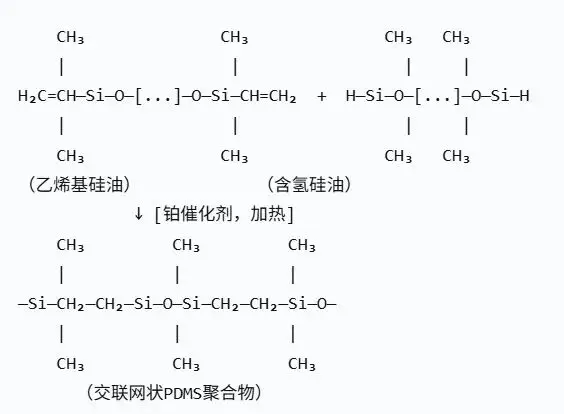
The reason may be that the concentration of H+ in the emulsion is much higher than that of OH- (OH- concentration), and the nonionic hydroxyl group at the emulsifier end on the droplet surface has a strong adsorption effect on H+, altering the charge properties of the droplets, resulting in a lower positive zeta potential less than 5 mV [21,22] 。 Under alkaline conditions, as alkalinity increases, the concentration of OH- in the emulsion increases, the amount of OH- adsorbed on the droplet surface rises sharply, anionic properties improve, and the zeta potential decreases. However, when the pH ≥ 13, the absolute potential of zeta drops sharply, which is related to the graphene-modified silicone structure. In graphene-modified organosilicon, siloxane-functionalized graphene and organosilicon chain ends contain large amounts of active -Si-OH, and -Si-OH, which easily crosslink and solidify into three-dimensional sparingly soluble structures under alkaline conditions [14] :
—Si—OH + HO—Si— →—Si—O—Si + H2O
Crosslinking reduces the hydroxyl content in the droplets, decreases the amount of OH- adsorbed on the droplet surface, and weakens anionic activity. Additionally, the three-dimensional structure formed by crosslinking reactions has extremely poor dispersibility, strong hydrophobicity, and is not easy to wet [23] 。 Because nonionic surface activity weakens solvation of substances with high hydrophobicity, the crosslinking and curing action of organosilicon dominates, causing the silicon particle size to rise rapidly, gravity offsets Brownian motion, and black silicone precipitates form in the emulsion. The interparticle interaction forces in conventional flocculated systems are weak and can be redispersed by adjusting factors such as the type of emulsifier [24] , while silicone solidification is an irreversible reaction, and the three-dimensional structure’s —Si—O—Si chemical bond bond energy is high, so it can only resist the crosslinking solidification of Si–OH through kinetic stabilization [16] 。 From the analysis of zeta potential, graphene-modified organosilicon has extremely strong acid resistance and strong alkali resistance, compared to conventional organosilicon [15,21,22] Its alkali resistance can be increased from ≈ 9.5 to 11.5, thanks to the graphene flake layer effectively blocking the alkali’s effect on organosilicon. From the relationship between nanoparticle size and pH (Figure 2), it can also be seen that after pH increases to 13, the nanoparticle size in the emulsion increases sharply.
![Image [3]-Stability and application of silicone leather hand sensation agents for siloxane-functionalized graphene-modified organosilicon leather – Nleather-Nleather](https://www.nleather.com/wp-content/uploads/2026/08/20260802-034310-pA7fm-nleather-silicone-leather.png "20260802-034310-pA7fm-nleather-silicone-leather – Nleather")
From Figure 2, it can be seen that as pH decreases, the nanoparticle size of graphene-modified silicone emulsion increases, indicating that hydrochloric acid has a certain depolymerization ability for graphene-modified silicon [25] :
—Si—O—Si—+4HCl →2—SiHCl2 + H2O. However, because H has strong protonation activity, the system also undergoes the hydrolysis reaction of -SiCl:
—SiCl+H2O→—Si—OH+H++Cl-
—Si—OH is highly active and undergoes crosslinking reactions under the action of acids, bases, and salts. As shown in Figure 2, at pH 7, the nanoparticles are at their minimum, at 230.7d·nm. As pH changes, crosslinking intensifies. Overall, cross-linking reactions dominate. Unlike the alkaline conditions, at pH 0.5, there is no sharp increase in nanoparticle size; the rate is only higher than at 7.0~2.5. This may be because, under acidic conditions, the large amount of H+ in the emulsion increases the repulsion between droplets, reducing the likelihood of crosslinking the -Si–OH reaction.
The particle size distribution at pH values of 1 and 13 is shown in Figure 3. At pH 1, the three intensity peaks were 214.1 d·nm, 1533 d·nm, and 5588 d·nm, accounting for 54.1%, 38.4%, and 7.5% respectively. This indicates that, besides graphene-modified silicone droplets, some macromolecular particles are present in the system, which may be Si–OH crosslinked products. At a pH of 13, the intensity peak and specific gravity ratios were 1313 d·nm, 5580 d·nm, 87.8%, and 12.2%, respectively, indicating the presence of a large number of Si–OH crosslinked macromolecules in the system, with small molecules almost completely depleted, supporting the cross-linked solidification reaction of organosilicon under alkaline conditions [14] 。
![Image [4]-Stability and application of silicone leather hand sensation agents for siloxane-functionalized graphene-modified organosilicon leather – Nleather-Nleather](https://www.nleather.com/wp-content/uploads/2026/08/20260802-034358-MMAny-nleather-silicone-leather.png "20260802-034358-MMAny-nleather-silicone-leather – Nleather")
Based on the above situation, define the particle size distribution coefficient (PDI) Nv(v) as:
Nv(v ) = Nv1 (v ) + Nv2 (v )
Where Nv1 (v) is the particle pair N produced by hydrolysisv(v) contribution, Nv2 (v) is the particle pair N produced by the crosslinking reactionv(v) contribution. Define the particle size distribution coefficient N according to the photon correlation spectroscopy methodv(v ),Nv(v) The range of values is 0≤ Nv(v )≤ 1 [26] 。 The more concentrated the particle size distribution in the system, the more Nv(v) The smaller.
Under acidic conditions, both hydrolysis and crosslinking reactions occur simultaneously in the system, with similar reaction rates. However, HCl’s depolymerization of silicone is difficult to break directly from the middle of the polymer segment; instead, several Si-O-Si bonds form at the fracture ends, forming smaller silanols. During the dynamic processes of silicon hydrolysis and crosslinking, the particle size distribution is wide, and the value of Nv(v) is large. Under alkaline conditions, the hydrolysis reaction rate in the system is slower, with Nv2(v) dominating. When the pH is large enough, the particle size in the system is large enough, or when the -Si–OH structure is difficult to combine to form new crosslinked structures, the system will no longer change, thus avoiding the problem of Nv(v) fluctuates, and the particle size distribution will concentrate among large particle sizes, Nv(v) is relatively small. Nv(v) The curve of pH variation is shown in Figure 4. It can be seen that the stronger the acidity of the emulsion, the Nv(v) The larger, the opposite is Nv(v) The smaller.
![Image [5]-Stability and application of silicone leather hand sensation agents for siloxane-functionalized graphene-modified organosilicon leather – Nleather-Nleather](https://www.nleather.com/wp-content/uploads/2026/08/20260802-034437-Er5Si-nleather-silicone-leather.png "20260802-034437-Er5Si-nleather-silicone-leather – Nleather")
finished leather Physical and mechanical properties
Table 1 shows the effects of graphene-modified silicone as the top coating on polyurethane brighteners and nitrocellulose brighteners.
![Image [6]-Stability and application of silicone leather hand sensation agents for siloxane-functionalized graphene-modified organosilicon leather – Nleather-Nleather](https://www.nleather.com/wp-content/uploads/2026/08/20260802-034623-vJLHN-nleather-silicone-leather.png "20260802-034623-vJLHN-nleather-silicone-leather – Nleather")
From Table 1, it can be seen that after siloxane functionalized graphene is modified with organosilicon, the coating’s wear resistance and dry/wet wipe resistance are significantly improved, with wear resistance reaching above grade 3-4, dry wipe grade 5, and wet wipe above grade 3. This is because siloxane-functionalized graphene has a stable structure, excellent thermodynamic stability, and excellent physical and mechanical properties [27] 。 The functionalized graphene flake runs between organosilicon molecular chains. After hydrolysis of active—Si—O—CH2CH3, Si—OH forms covalent bonds with the organosilicon’s —Si—OH. Additionally, hydrogen bonds and other intermolecular forces form between the oxygen-containing functional groups of GO and the polar functional groups of the organosilicon. Therefore, siloxane-functionalized graphene provides good protection for the organosilicon chain segments [14,28] 。 At the same time, graphene’s excellent thermal conductivity allows heat generated during friction to be quickly and evenly dispersed to areas without friction, thereby lowering the surface temperature of the leather coating and improving its physical and mechanical properties [29] 。 Graphene-modified silicone significantly improves the wear resistance of polyurethane compared to nitrocellulose because polyurethane contains many polar functional groups such as urethane bonds, urea bonds, and amide bonds [30] , with stronger compatibility with graphene and silicone than nitrocellulose cells.
1) Silicone-functionalized graphene-modified silicone has excellent acid and alkali resistance. The laminated structure of graphene can effectively prevent acid and alkali corrosion of the silicon chain ends, and provides extremely high stability at pH values from 0.5 to 11.5.
(2) Siloxane-functionalized graphene-modified organosilicon undergoes both hydrolysis and crosslinking reactions under acidic conditions, resulting in a wide particle size distribution, with Nv(v) is a relatively large value; Under alkaline conditions, hydrolysis is weak, crosslinking reactions dominate, particle size distribution is narrow, and Nv(v) is relatively small.
(3) When blended with siloxane-functionalized graphene-modified organosilicon and polyurethane brightener or nitrosion cotton brightener, when applied to top leather coating, the coating’s wear resistance can be improved to grade 3-4 or above, dry wipe to grade 5, and wet wipe to above grade 3. The stronger the compatibility between the matrix and graphene-modified organosilicon, the better finished leather The physical and mechanical properties of the coating improve more significantly.
【参考文献】
[1] Zhu X, Zhou Y, Hao J, et al. A charge- density- tunablethree/ two- dimensional polymer/ graphene oxide hetero-geneous nanoporous membrane for ion transport[J]. ACSNano, 2017, 11(11): 10816- 10824.
[2] Cho K M, Cho S Y, Chong S, et al. Edge- functionalizedgraphene nanoribbon chemical sensor: comparisonwithcarbon nanotube and graphene
[J]. ACS Applied Materialsand Interfaces, 2018, 10(49): 42905- 42914.
[3] Rahin A S, Jack M, Rohit C, et al. Optoelectronic fowl adenovirus detection based on local electric field enhancement on graphene quantum dots and gold nanobundle hybrid [J]. Biosensors and Bioelectronics, 2017,103: 45- 53.
[4] Zhou Y, Tan H, Sheng Y, et al. Utilizing interlayer excitonsin bilayer WS2 for increased photovoltaic response in ultrathin graphene vertical cross- bar photodetecting tunneling transistors [J]. ACS Nano, 2018, 12(5): 4669- 4677. [5] 姚庆达,梁永贤,温会涛,等. 壳聚糖基复合材料及其在制革工业中的应用研究进展 [J]. 皮革与化工,2019,36(6):16- 29.
[6] 赖双权,金勇,祝晨耀,等. 氧化石墨烯的共价键功能化修饰研究进展[J]. 中国皮革, 2018, 47(1): 26- 29.
[7] Jin T, Han Y, Bai R, et al. Corrosion protection properties ofnanoNH2- reducedgrapheneoxide/ epoxycompositecoatings formed by self- curing on magnesium alloy [J].Journal of Nanoscience and Nanotechnology, 2018, 18 (7):4971- 4981.
[8] 赖双权,金勇,石亮杰,等. 羧基化氧化石墨烯在聚丙烯酸酯皮革涂饰剂改性中的应用[J]. 皮革科学与工程, 2017, 27(5): 17- 23.
[9] Xu Y, Gao Q, Liang H, et al. Effects of functional grapheneoxide on the properties of phenyl silicone rubber composites[J]. Polymer Testing, 2016, 54: 168- 175.
[10] Kim H, Lee S, et al. Electrical properties of graphene/waterborne polyurethane composites films [J]. Fibers andPolymers, 2017, 18(7): 1304- 1313.
[11] Wei L, Ma J, Zhang W, et al. The tribological behaviors ofpolyacrylate/ graphene oxide and polyacrylate/ surfactant-modified reduced graphene oxide composite coatings onflexible leather substrates [J]. Progress in Organic Coatings,2018, 122: 64- 71.
[12] 王小卓,张盛,黄建明,等. 基于石墨烯提高皮革涂层耐磨性能的研究 [A]/ / 第十一届全国皮革化学品学术交流会[C]. 山东: 齐鲁工业大学, 2016: 38.
[13] 姚庆达,王小卓,温会涛,等. 石墨烯基复合材料及其在制革工业中的应用研究进展 [J]. 中国皮革, 2019, 48(11):26- 33.
[14] 姚庆达,王小卓,温会涛,等. 石墨烯改性有机硅手感剂的制备及其在皮革涂饰中的应用 [J]. 皮革与化工, 2019, 36(2): 1- 8.
[15] 姚庆达,王小卓,温会涛,等. 石墨烯改性有机硅皮革手感剂的乳化与应用[J]. 皮革与化工, 2019, 36(4): 1- 8.
[16] 陈军,姚庆达,王小卓,等. 石墨烯改性有机硅皮革手感剂稳定体系研究与应用[J]. 皮革与化工, 2020,37(1):1- 5.
[17] Wojciechowski K, Bitner A, Warszynski P, et al. TheHofmeister effect in zeta potentials of CTAB- stabilisedtoluene- in- water emulsions [J]. Colloids and Surfaces A:Physicochemical and Engineering Aspects, 2010, 376 (1):122- 126.
[18] 陈立亚,于宝珠,赵慧芳. Zeta 电位及其在药学分散体系研究中的应用[J]. 药物分析杂志, 2006, 26(2): 281- 285.
[19] Clermont G H, Doucet O, Marsande E, et al. Formulationand interest of a decorative emulsifier- free O/ W emulsionwith a positive zeta potential[J]. International Journal ofCosmetic Science, 2008, 23(1): 15- 24.
[20] Marinova K G, Alargova R G, Denkov N D, et al. Chargingof oil- water interfaces due to spontaneous adsorption ofhydroxyl ions [J]. Langmuir, 1996, 12(8): 2045- 2051.
[21] 赵静,李波,薛刚. pH 值对硅油乳液 Zeta 电位及其制备的影响[J]. 化学研究与应用, 2005, 17(3): 386- 388.
[22] 徐明进,李明远,彭勃,等. Zeta 电位和界面膜强度对水包油乳状液稳定性影响[J]. 应用化学, 2007, 24(6): 623- 627.
[23] Watcharotone S, Dikin D A, Stankovich S, et al. Graphene-silica composite thin films as transparent conductors [J]. NanoLetters, 2007, 7(7): 1888- 1892.
[24] Alzobaidi S, Lee J, Jiries S, et al. Carbon dioxide- in- oilemulsions stabilizedwithsilicone- alkylsurfactants forwaterless hydraulic fracturing[J]. Journal of Colloid andInterface Science, 2018, 526(15): 253- 267.
[25] 幸松民,王一璐. 有机硅合成工艺及产品应用[M]. 北京:化学工业出版社, 2000.
[26] Maksim I, Zuzana G, Iveta W. SiRNA carriers based oncarbosilane dendrimers affect zeta potential and size ofphospholipid vesicles[J]. Biochimica et Biophysica Acta,2012, 1818(9): 2209- 2216.
[27] Wang X, Xing W, Song L, et al. Fabrication andcharacterizationofgraphene- reinforcedwaterbornepolyurethanenanocompositecoatings bythesol- gelmethod[J]. Surface and Coating Technology, 2012, 206:4778- 4784.
[28] Ljubic D, Srinivasan M, Szoszkiewicz R, et al. Surfacemodified graphene/ single -phase polyurethane elastomerswith improved thermo – mechanical and dielectric properties[J]. European Polymer Journal, 2015, 70: 55- 65.
[29] 何亚洲,孙哲,范浩军,等. 石墨烯对聚氨酯和丙烯酸树脂涂饰剂性能影响比较[J]. 中国皮革, 2018, 47(9): 21- 26.
[30] Shen B, Li Y, Yi D, et al. Strong flexible polymer/ graphenecomposite films with 3D saw- tooth folding for enhancedand tunable electromagnetic shielding [J]. Carbon,2017,113:55- 62.





No comments yet