

PU combination finished leather Classification
PU (polyurethane) combination finished leather It is a type of coating made of polyurethane resin and a base fabric as the support layer artificial leather Materials are mainly classified based on Production process And Structural characteristics :
- Classified by process
- Dry PU leather : Polyurethane resin is coated onto the base fabric through a coating process, then dried to form a surface film. Its features include a smooth surface and rich colors, suitable for bags, shoe uppers, and similar items.
- Wet process PU leather : After polyurethane resin is impregnated in the base fabric, it solidifies through a water bath into a porous structure with breathability, commonly used in car seats, furniture, and similar applications.
- Ultra-fiber PU leather : Made from microfiber nonwoven fabric as the base material, combined with wet processes, with a structure close to genuine leather and superior performance, widely used in high-end footwear, apparel, and luxury accessories.
Classified by function
- Ordinary PU leather : Basic model, focusing on cost and durability.
- Functional PU leather : Features waterproof, fireproof, and antibacterial properties to meet specific scenario needs (such as medical and outdoor equipment).
![Image [1]-PU combination finished leather: Stunningly Versatile & Affordable – Nleather-Nleather](https://www.nleather.com/wp-content/uploads/2026/07/20260726-151637-B3KrT-nleather-silicone-leather.png "20260726-151637-B3KrT-nleather-silicone-leather – Nleather")
Application Fields
PU combined finished leather Thanks to its lightweight design, strong designability, and environmentally friendly features, it is widely used in the following fields:
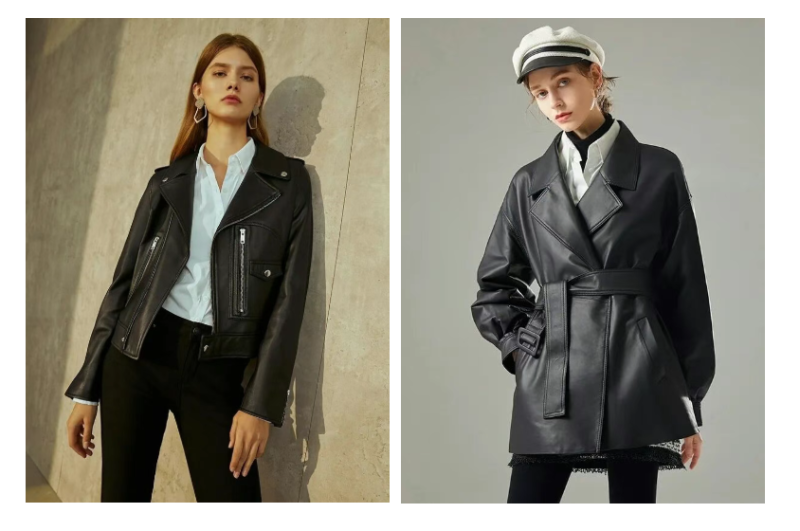
- Footwear and apparel industry : Sports shoes, casual shoes, clothing accessories (such as belts and gloves) to replace traditional genuine leather and reduce costs.
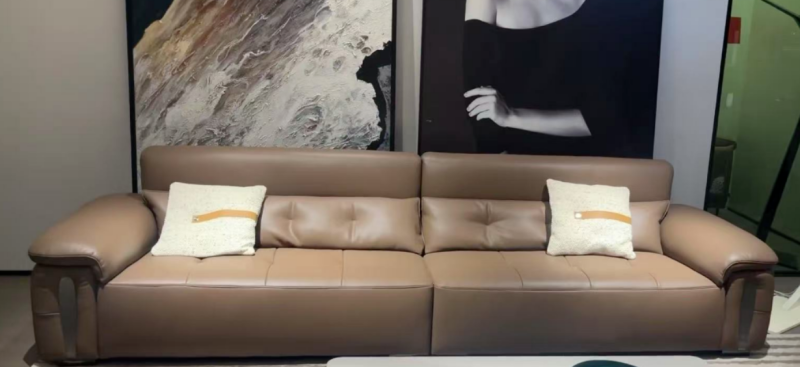
- Furniture decoration : Sofa and seat surface materials, combining aesthetics with easy cleaning.
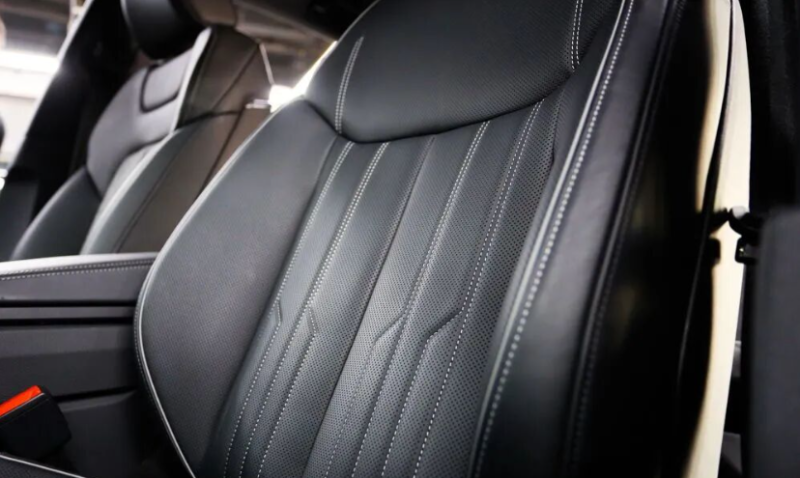
- Automotive interiors : Seats, steering wheel, and door panels are covered to meet lightweight and environmental protection requirements.
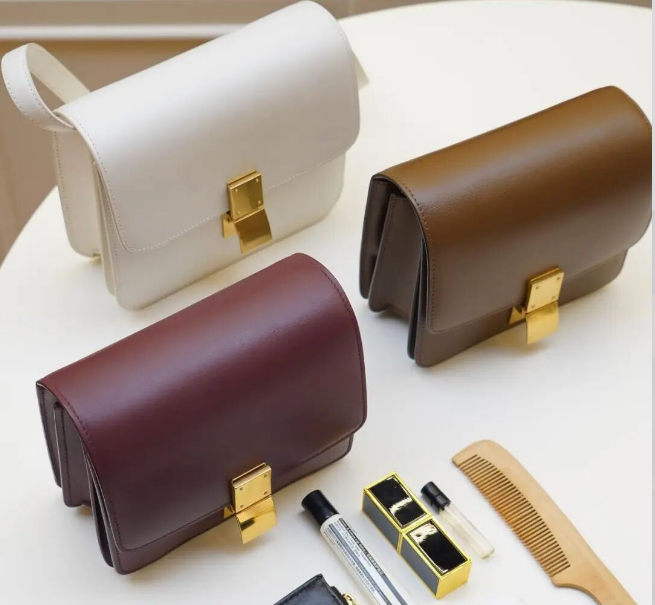
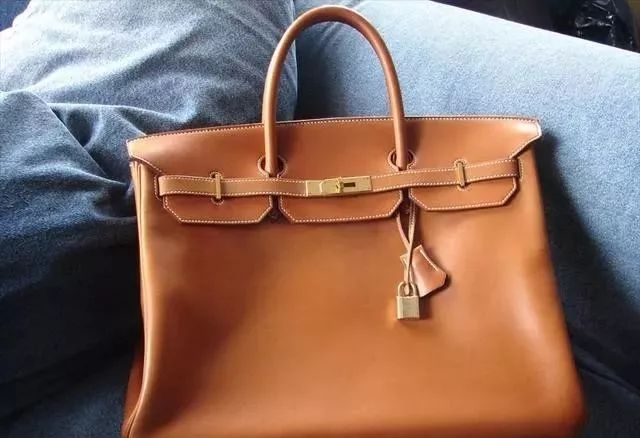
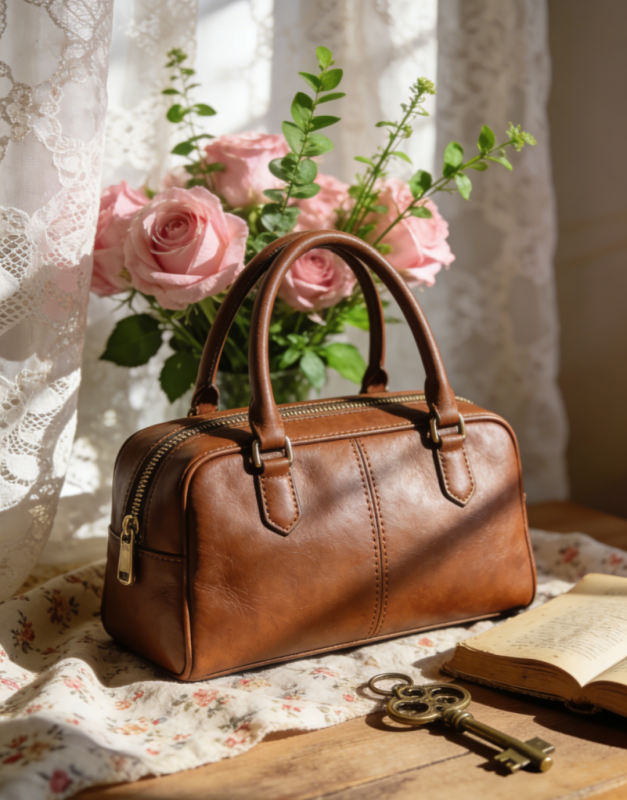
- Bag accessories : Handbags, suitcases, offering a variety of design options.
- Electronic products : Phone cases, laptop bags, etc., enhancing product quality through texture customization.
PU Integration finished leather Advantages and disadvantages
| Advantages | Disadvantages |
|---|---|
| 1. Low cost : Only one-third to one-half of genuine leather. | 1. Poor breathability : Ordinary PU leather is less breathable than genuine leather. |
| 2. Environmental friendliness : No animal leather is involved, and the production process causes less pollution than PVC. | 2. Durability limitations : Long-term use is prone to wear and cracking. |
| 3. High plasticity : Customizable color, texture, and thickness. | 3. Risk of chemical residues : Inferior products may release VOCs. |
| 4. Lightweighting : Suitable for scenarios requiring weight reduction (such as cars). | 4. Recycling is difficult : Difficult to degrade, recycling technology needs breakthroughs. |
![Image [2]-PU combination finished leather: Stunningly Versatile & Affordable – Nleather-Nleather](https://www.nleather.com/wp-content/uploads/2026/07/20260726-151719-tBit8-nleather-silicone-leather.png "20260726-151719-tBit8-nleather-silicone-leather – Nleather")
Opportunities in the current economic environment
- Driven by environmental protection policies
- Global plastic bans and animal protection regulations (such as EU REACH) are driving demand for leather alternatives, with PU leather favored for its low carbon emissions.
Upgrading the automotive and furniture industries
- The trend toward lightweight new energy vehicles and the popularization of smart homes are driving demand for high-end PU leather.
Fast fashion and cost-effective consumption
- Generation Z prefers cost-effective, fast-iterating consumer goods, and PU leather fits fast fashion brands’ cost-cutting needs.
Technological breakthroughs
- Innovative technologies such as nano-coating and bio-based polyurethane enhance PU leather’s performance and narrow the gap with genuine leather.
Future Development Directions
- Greening : Developing bio-based PU resins to reduce dependence on petroleum; Promote water-based PU processes to replace solvent-based processes.
- High-end development : Luxury-grade PU leather is crafted through microfiber technology, 3D embossing, and other processes.
- Intelligent : Integrating with the Internet of Things to develop smart leather with temperature control and sensing functions.
- Circular economy : Improve the recycling system and explore chemical degradation and regeneration technologies.
PU combined finished leather With environmental trends and technological innovation, the company is transitioning from “substitutes” to “functional materials.” Despite the dual pressures of cost and environmental protection, it has enormous potential for penetration in emerging fields such as automobiles and smart homes. Companies need to seize the window of green economy and consumption upgrading through technological upgrades and brand rebranding, achieving the leap from “manufacturing” to “intelligent manufacturing.”

No comments yet