

Semi-grain leather is an “intermediate product” between full-grain leather and finished leather, occupying a unique and important position within the leather industry grading system. Its name comes from a special processing technique—during the tanning process, the surface of the raw leather is passed through Mild grinding treatment , retaining only about half of the natural grain layer, hence the name “half-grain.”
![Image [1]-Comprehensive analysis and market insights for semi-grain leather – Nleather-Nleather](https://www.nleather.com/wp-content/uploads/2026/07/20260719-092949-ykN4i-nleather-silicone-leather.png "20260719-092949-ykN4i-nleather-silicone-leather – Nleather")
From a technical perspective, semi-grain leather falls under the category of top-grain leather, but its completeness is lower than that of full-grain leather. It is selected Raw leather with minor damage but overall structural deviation , using mechanical leather grinding equipment to moderately polish the grain layer, removing surface defects and rough areas, while preserving some natural pores and texture features. This “reserved and refined” craftsmanship positioning places half-grain leather in the leather grade hierarchy Mid-range position — Both quality and price fall between top-tier full-grain leather and fully “refaced” refined leather.
In the consumer market, half-grain leather is often referred to as “half-grain noodles.” cow leather Or ‘lightly repaired facial leather.’ It cannot accurately record the traces of an animal’s life (such as growth lines, vascular marks, or naturally healing scars) like whole grain leather, nor does it require a heavy coating to cover the surface like a straightened leather. This kind of thing Moderate compromise This makes half-grain leather a practical choice for those pursuing a “high cost-performance genuine leather experience.”
The core difference from whole grain leather is that whole grain pursuing “ Zero intervention “—Let the beauty of nature be presented directly; Half-grain noodles use ” Mild intervention “—Improves appearance through fine adjustments while preserving the genuine leather feel; Face Trimming and Leather Transformation Leads Severe intervention “—Covering everything with finish, sacrificing natural features for surface perfection.
![Image [2]-Comprehensive analysis and market insights for semi-grain leather – Nleather-Nleather](https://www.nleather.com/wp-content/uploads/2026/07/20260719-092931-kbusH-nleather-silicone-leather.png "20260719-092931-kbusH-nleather-silicone-leather – Nleather")
Physical Characteristics and Appearance Features
Visual features :
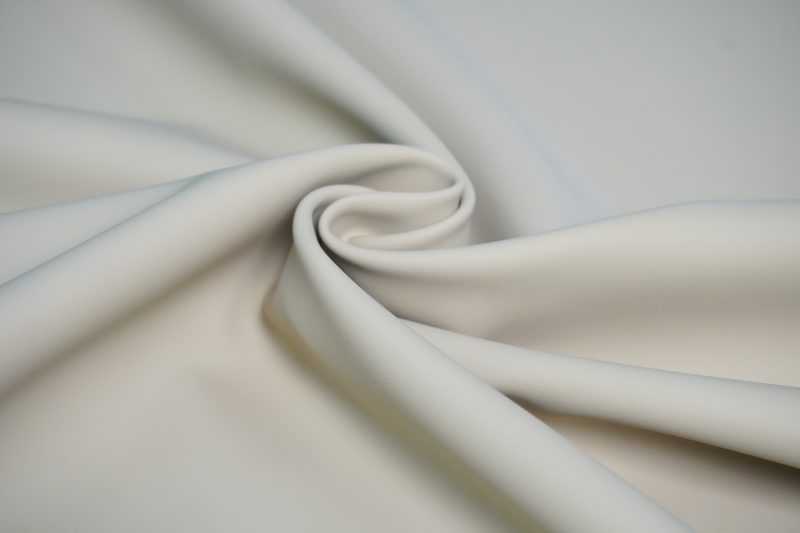
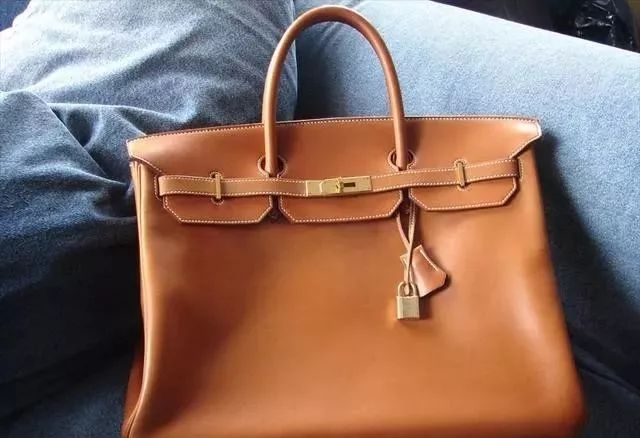
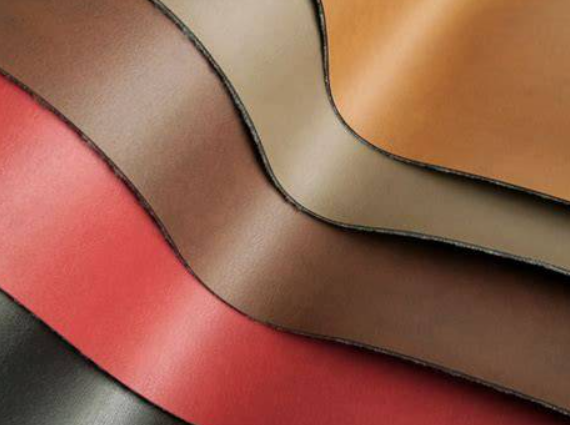
The most distinctive feature of semi-grain leather is: Pore morphology changes 。 Due to grinding treatment, the originally dense, irregularly arranged natural pores are shaved off at the top, leaving only the remaining parts Flat oval shape , the arrangement still retains a certain degree of irregularity. This “semi-preserved” state of pores becomes a key visual marker distinguishing whole grains from half-grains. From the overall appearance, the half-grain leather surface No obvious scars or disabilities After coating, it is relatively flat and uniform, but upon closer inspection, some natural textures can still be identified.
Tactile and physical properties :
Semi-grain leather The feel is on the firmer side , less elastic than whole grain leather. This is because grinding damages part of the surface fiber structure, and a slightly thicker coating (usually 0.1-0.2mm) is applied to cover the machining marks, making the overall feel more “solid” rather than “soft and full.” In terms of durability, while it doesn’t match the extreme performance of full-grain leather, half-grain leather still has the capability Good wear resistance and tensile strength More than enough to meet daily usage needs. Another notable feature is: Not easily deformed — After grinding and finishing, half-grain leather has good dimensional stability, which is an advantage in certain product areas.
A special category of “multi-fat color-changing leather.” :
In the history of craftsmanship, half-grain leather has given rise to a category with special aesthetic effects. The “Yellow Cattle Multi-fat Color-Changing Leather” developed in the 1990s is one example; this semi-grain product uses special re-tanning filling materials and discoloration oil treatment, allowing it to be presented under different lighting conditions and bending angles Color variation effect , combining the practicality of half-grain noodles with the fun of whole grains.
Classification System
| Classification | Processing characteristics | Style positioning | Typical applications |
|---|---|---|---|
| Lightly grind half a grain of flour | Use fine-grain sandpaper (P1500 or above) for extremely light grinding, minimizing damage | Nearly whole grains, retaining many natural characteristics | Mid-to-high-end leather goods and business bags |
| Regular half-grain noodles | Standard grinding + coating, uniform and scar-free surface | Balancing naturalness and efficiency, it offers outstanding value for money | Briefcases, office furniture, mid-range footwear |
| Embossed half-grain noodles | After grinding, patterns such as lychee patterns are embossed through the patterned board | Uniform texture, excellent for masking processing marks | Sofas, car seats, decorative leather goods |
Core Process Technology
The manufacturing process of semi-grain leather can be summarized as ” One grind, two filling, three covering “Three core links:
![Image [3]-Comprehensive analysis and market insights for semi-grain leather – Nleather-Nleather](https://www.nleather.com/wp-content/uploads/2026/07/20260719-093029-x4DGW-nleather-silicone-leather.png "20260719-093029-x4DGW-nleather-silicone-leather – Nleather")
Step One: Raw material screening and grinding treatment
Selection of raw materials for semi-grain leather Raw material hides are inferior to the standard of whole grain flour — That is, blue-wet leather with some surface defects (such as minor scratches, small insect bite scars, or relatively loose grains) but with a relatively good fiber structure. Grinding is the core process of semi-grit machining: sandpaper with a specific mesh size (usually P1000-P1800) is used to apply to the granular layer Light grinding , the grinding depth is generally controlled within 0.1mm, following the principle of “removing defects but not completely destroying the grain.” This step requires operators to have extensive experience—grinding too shallow cannot hide flaws, too deep results in complete loss of grain characteristics, downgraded to raw material for finishing leather.
Second stage: re-tanning and filling
After grinding, the fibers of the blank are exposed and need to be tested Thorough retanning and filling treatment This is to restore strength and smooth the surface. Modern tanning processes typically use a combination of chrome tanning agents and plant tanning agents (such as thorn bark tanning glue and hardwood tanning glue). Combined with tanning techniques , while enhancing fiber firmness, it also gives leather a better sense of pride and body. Patent documents show that advanced semi-advanced Veg-tan Craftsmanship can be used finished leather Increased area yield and reduced looseness rate, effectively controlling production costs.
Third stage: Finishing and embossing
Contrary to the “light finishing” principle of full-grain leather, semi-grain leather requires A slightly thicker coating layer to cover grinding marks and maintain a consistent appearance. Modern environmentally friendly tanneries mostly use it Water-based coating technology Replacing traditional solvent-based products to reduce VOC emissions. After finishing, some products will undergo further processing Embossing treatment — By pressing the flower boards with specific patterns under heat and pressure, effects such as lychee patterns and drop patterns are created, making the surface more decorative and further concealing any processing marks.

No comments yet