

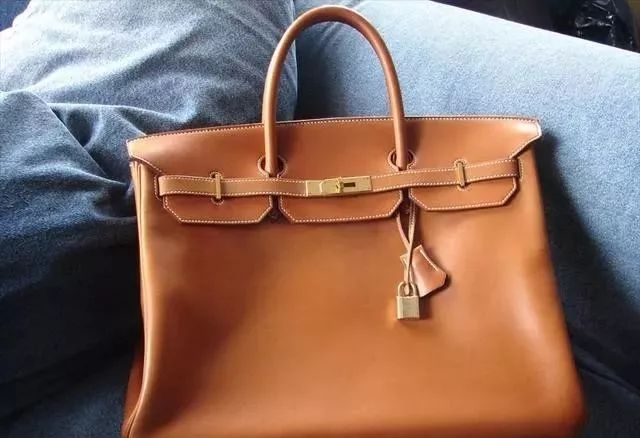
Corrected Grain Leather, refers to a leather product that has significant surface damage (such as insect bites, scars, vascular patterns) or a rough grain surface. Its original natural grain layer is mechanically ground to remove it, and then the surface is re-“manufactured” with a new appearance through methods such as finishing or embossing.
Core essence : The retouching process is essentially a “remodeling” of natural leather. It sacrifices the unique feel and partial breathability of natural grains in exchange for high surface uniformity and pattern consistency. Through this technology, raw hides that were originally of lower grade and difficult to use as high-end full-grain leather can be efficiently utilized, greatly improving the raw material utilization rate of the leather industry.
![Image [1]-A comprehensive analysis of the production process and applications of Corrected Grain Leather – Nleather-Nleather](https://www.nleather.com/wp-content/uploads/2026/07/20260719-095931-MsZtn-nleather-silicone-leather.png "20260719-095931-MsZtn-nleather-silicone-leather – Nleather")
Detailed explanation of the production process flow
The production of trimmed leather is a complex process that combines mechanical processing with fine chemical technology. The main process flow is as follows:
crust leather Selection and pre-processing
The raw material is usually yellow with many surface defects and rough grains cow leather 、 cow leather Two-layer or pigskin, etc. First, the blank is treated with rewetting and softening to make the fiber structure moderately loose, preparing for subsequent grinding.
Leather grinding—the core process
A wide-width leather grinder is used for precise polishing of the leather surface. The grinding depth is usually between 0.1 and 0.3 millimeters The goal is to thoroughly remove natural pores and most imperfections from the grain surface, making the surface smooth. This step is key to distinguishing between sheared leather and whole grain leather.
Repair and Filling
For deeper scratches or dents, specialized patching ointments (containing cationic resin or water-based fillers) are needed for local or comprehensive filling. This is the foundation to ensure the coating layer is smooth and uniform.
Coating—Construction of artificial films
This is the main step that gives the surface a refreshing appearance, commonly used Multi-layer spraying process :
The bottom layer : Provides coverage, filling tiny micropores.
Middle level : Imparts color and specific physical properties (such as bending resistance).
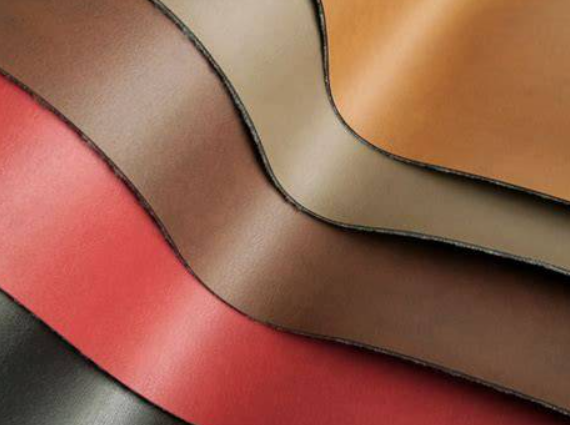
Surface layer : Determines gloss, weather resistance, and feel. The total coating thickness can reach 0.02-0.05 millimeters , mainly made of polyurethane resin or acrylic resin.
Special process: For two-layer treated leather (also known as membrane transfer leather), a pre-made chemical film is directly attached to the surface of the leather.
Embossing—The Birth of Artificial Granules
After coating, it is subjected to high temperature and high pressure (approximately 80-120℃ , Pressure: 80-120kg/cm² ) embossed patterned boards on the leather surface to create biomimetic patterns that mimic natural pores, lychee patterns, drop patterns, and other patterns. This step completely conceals the original grinding marks.
Post-finishing
This includes spraying tactile agents (such as silicone), ironing, and softening to adjust the final feel and gloss of the leather.
![Image [2]-A comprehensive analysis of the production process and applications of Corrected Grain Leather – Nleather-Nleather](https://www.nleather.com/wp-content/uploads/2026/07/20260719-100006-W4V6j-nleather-silicone-leather.png "20260719-100006-W4V6j-nleather-silicone-leather – Nleather")
Performance characteristics and quality assessment
| Characteristics | and repaired the facial leather | Whole grain leather |
|---|---|---|
| Surface features | Flat, uniform, and free of natural pore marks | Preserves natural pores and texture, with natural scars |
| Breathability | Lower (The coating layer clogs pores) | Excellent (Natural Pore Clearance) |
| Tear resistance and strength | Relatively high (The coating layer serves as a reinforcement) | It depends on the strength of the skin embryo itself |
| Water resistance | Better (Coating layer blocks moisture) | Average |
| Fold-resistant/wear-resistant | The coating layer is relatively thick, and improper craftsmanship can easily cause “cracking.” | The coating is thin, making it less likely to crack |
Key Quality Control Indicators
Pressure resistance : By reasonably combining retanning agents (such as chromium powder and glutaraldehyde), fiber compaction is improved, preventing the coating layer from being compressed and causing a “loose surface.”
Coating adhesion strength : The coating must not peel off or fall off during simulated daily wear (such as bending).
Application Fields
Due to its uniform, durable, and cost-effective surface, surface leather is widely used in various fields:
Shoe manufacturing (largest application field) : Especially suitable for formal wear and work shoes. Its surface is smooth, easy to polish and polish, and can cover minor wrinkles caused by wear.
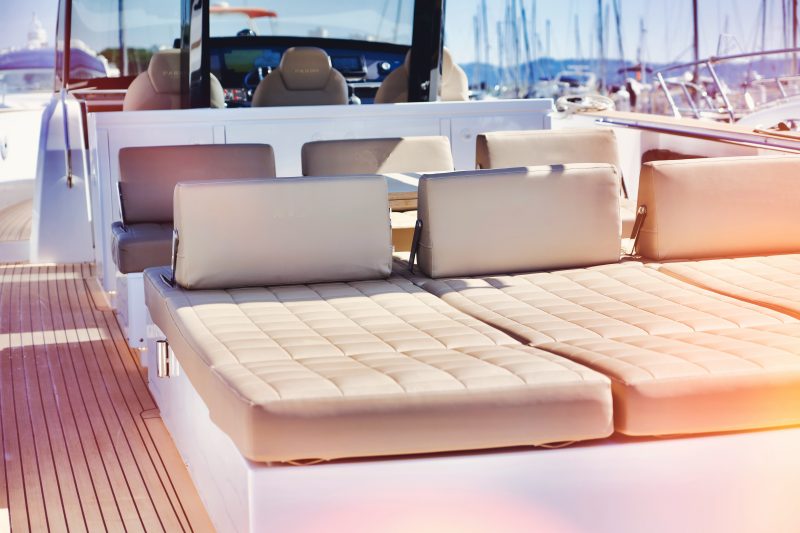
Furniture and Interior (Sofa Leather, Car Cushions) : Leather that requires large-scale use and consistent color. The high water resistance of the surface-trimmed leather makes it easy to clean, and the embossed lychee pattern perfectly meets the sofa’s texture requirements.
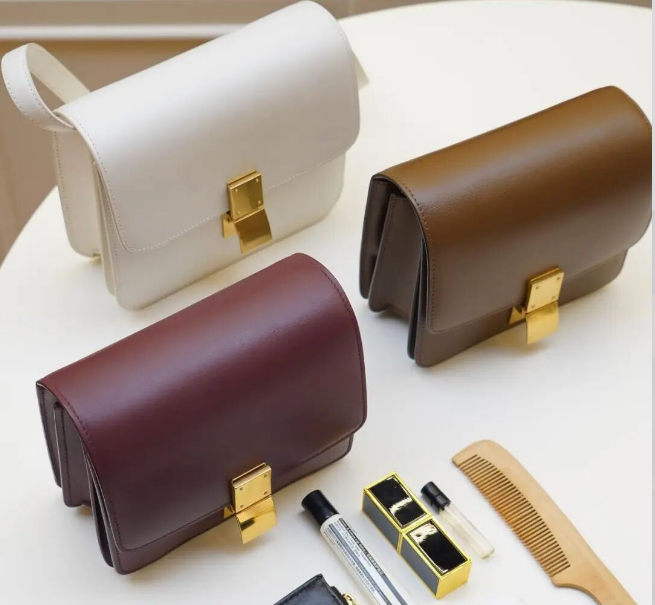
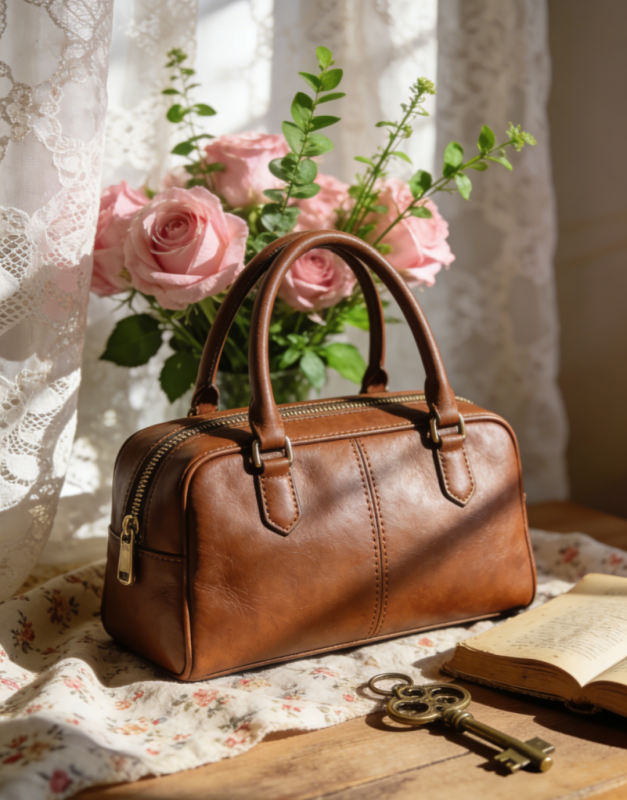
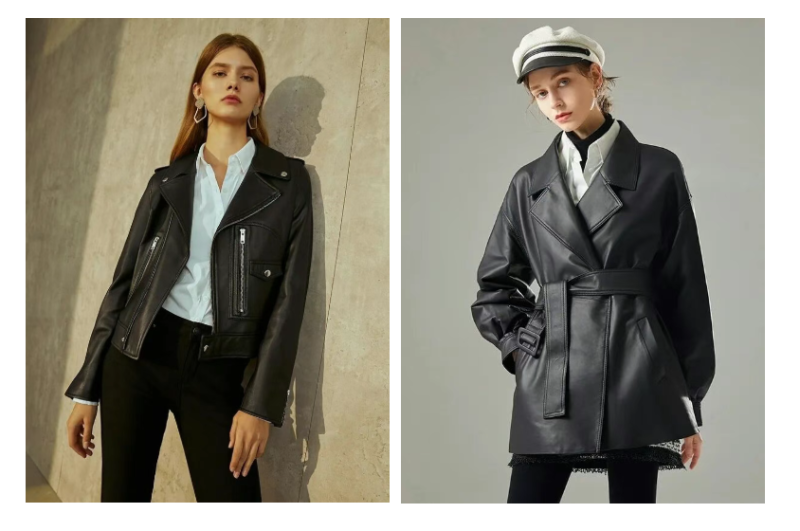
Leather goods and accessories : Belts, ticket clips, briefcases, etc. Finished leather has high tear resistance, making it suitable for accessories that need to withstand a certain amount of tension.
Two-layer Finished Leather (Membrane Leather Transition) : Commonly used in low-cost fashion handbags, suitcase linings, or decorative components.

No comments yet