

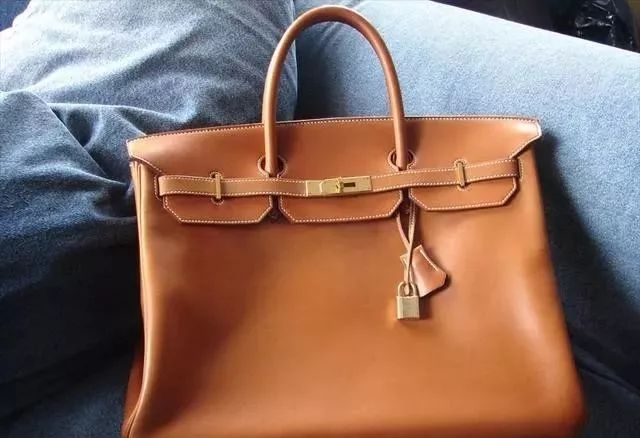
PU artificial leather (Polyurethane) color change is a form of “coating surface recoating.” Unlike genuine leather, PU leather itself has no permeability; all adhesion depends entirely on the chemical bonding and physical anchoring between the surface coating and the original film layer. After color change, blistering or delamination when exposed to heat, usually means: The thermal expansion and contraction rates of the new coating and the old leather surface are inconsistent , or Residual solvent vaporizes upon heating.
![Image [1]-The Complete Guide to Preventing Heat Damage After PU Leather Recoating – Nleather-Nleather](https://www.nleather.com/wp-content/uploads/2026/07/20260712-132026-MLdRn-nleather-silicone-leather.png "20260712-132026-MLdRn-nleather-silicone-leather – Nleather")
Cause analysis
After color change, blistering and swelling appear, which essentially means the adhesion has failed. Specifically, these can be further divided into the following four core categories Causes:
Interface adhesion failure (Most common reason)
The reason : Original artificial leather On the surface, yes Release agent residue Or Oily to the touch (Such as waxy texture and silicone oil). During the production of dry PU leather, a small amount of release agent is present on the surface to be peeled off from the release paper; To ensure a smooth and comfortable feel, sofa leather usually contains silicone-containing additives.
Mechanism : These substances greatly reduce surface energy, making color-changing paint unable to wet the substrate. When you spray a new color layer, the old and new layers actually have “false adhesion.” Once exposed to heat (such as exposure to sunlight or wiping with hot water), the coating stress is released and immediately bulges.
The difference between wet and dry methods :
Wet method PU (Substrate with foam): Strong ink absorption and generally good adhesion, foaming is often caused by Hydrolysis of the base material 。
Dry method PU (Dense layer): The surface is extremely smooth, with inherently poor adhesion, making color changes most prone to failure
Solvent “bottom-bite” and residual effects
The reason : Changed paint in the middle Strong solvent (such as DMF, toluene, and butanone) penetrate into the base layer, dissolving the original PU resin.
Mechanism : When the solvent is not fully evaporated and is covered by the next process, or when baked or exposed to heat, the residual solvent sealed inside vaporizes and expands under heat, increasing its volume several times and causing the epidermis to bubble up. This situation is present Wet method PU This is especially noticeable because wet leather has many bubble pores at cross-section, making it easy for solvents to be hidden.
Hydrolytic aging of PU material
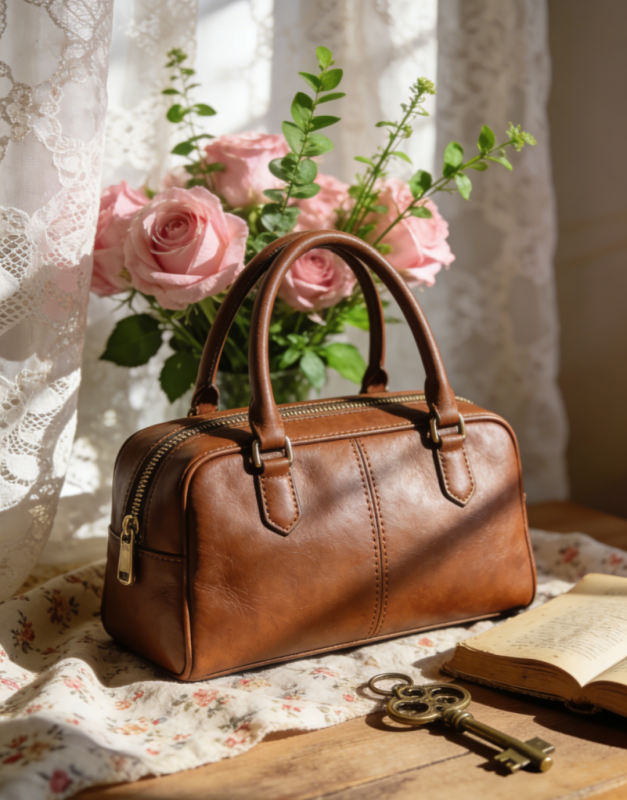
The reason : Many sofas or luggage have been used for years, during which PU resin molecular chains break (ester bond breakage) in humid and hot environments.
Mechanism : At this moment artificial leather It feels sticky to the touch, cracked, or powdery. Directly changing the color on this “rotten base” means that since the substrate itself has lost its mechanical strength, the broken molecular chains inside decompose further when heated, producing gas and causing the new paint layer to be lifted .
![Image [2]-The Complete Guide to Preventing Heat Damage After PU Leather Recoating – Nleather-Nleather](https://www.nleather.com/wp-content/uploads/2026/07/20260712-132042-bKtCE-nleather-silicone-leather.png "20260712-132042-bKtCE-nleather-silicone-leather – Nleather")
The “breathing effect” of closed (leather sofas)
The reason : The back of PU leather sofas is usually made of sponge or elastic fabric, and when squeezed, the gas is pushed from the bottom layer to the surface.
Mechanism : If the color-changing paint film is too hard, too thick, and completely sealed, when sitting on the sofa, heat and pressure rush from the bottom layer to the surface, with nowhere to release, causing the paint film to separate from the leather surface and bulge.
Solution
For the above reasons, it is recommended to adopt ” Pretreatment — primer anchoring — topcoat film formation “Improved craftsmanship.”
Step 1: Material identification and pretreatment (key threshold)
Before starting, dip it with a cotton swab Toluene Or Cyclohexanone Wipe in inconspicuous areas:
If the surface becomes sticky or fading, : It means yes Oil-based release agents Or Feels waxy by hand 。 It must be used PU surface treatment agent (Cleaning agent containing DMF) Repeatedly wipe until there is no oil stain on the damp cloth.
If the bottom layer becomes sticky or smudged after wiping, : This indicates this Low-quality or aged hydrolyzed PU This material is already available Irreparable It is recommended to replace the fabric directly; changing the color will cause it to peel off.
Sanding (physical anchoring) : Usage Fine sandpaper with a grit of over 1000 mesh , gently “sand” the entire surface with water. The goal is to disrupt the mirror gloss of the surface, forming a microscopic matte layer that increases physical bite force.
Step 2: Solvent selection and “transition layer” construction
Do not use strong solvent paints : Do not use ordinary paint or nitro paint. Dedicated ones must be used PU color-changing paint Or Water-based polyurethane coatings 。
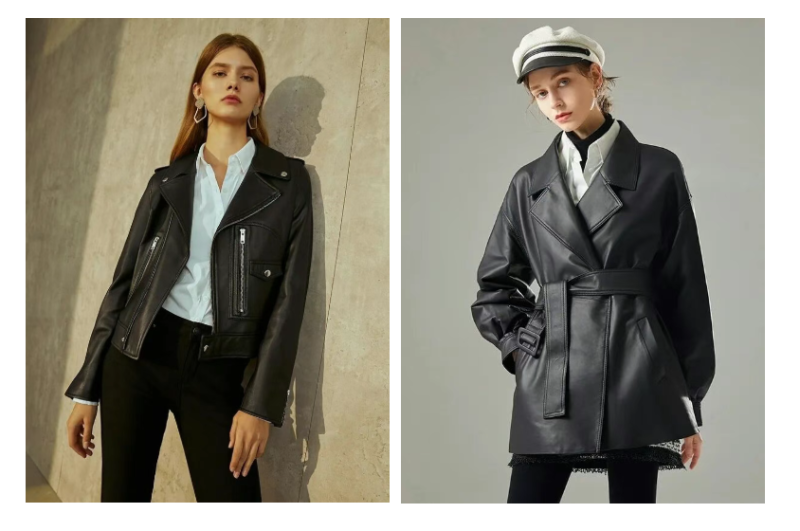
Spraying “bridging agents” / “primers” : This is the core of solving delamination. Before applying colored paint, first apply a thin layer PU treatment agent Or Polyurethane primer 。 This layer serves as a “bridge between upper and lower layers”; it can bite into the old coating while providing bonding strength to the new coating .
![Image [3]-The Complete Guide to Preventing Heat Damage After PU Leather Recoating – Nleather-Nleather](https://www.nleather.com/wp-content/uploads/2026/07/20260712-132129-WkLHi-nleather-silicone-leather.png "20260712-132129-WkLHi-nleather-silicone-leather – Nleather")
Step 3: Apply thinly and bake frequently, forcing bubbles to drain
Principle of thin spraying : A single thick coat is strictly prohibited. Thick coating causes the surface layer to dry out, while the bottom solvent is sealed inside. Spray in 3-4 sessions, spaced 5-10 minutes apart each time, Flash dry 。
Low-temperature baking : If you have an oven, use it 50-60℃ (Doesn’t feel hot to the touch) Baking at a temperature that doesn’t feel hot. After each spray, dry it to let the residual solvent evaporate before bubbles form.
Hot air blower repair : If slight blisters have already appeared, use it Hot air gun (Set the temperature to medium, about 70-80°C) Blow on the foaming area and use simultaneously Rubber rollers Quickly crush the exhaust .
![Image [4]-The Complete Guide to Preventing Heat Damage After PU Leather Recoating – Nleather-Nleather](https://www.nleather.com/wp-content/uploads/2026/07/20260712-132210-5wFny-nleather-silicone-leather.png "20260712-132210-5wFny-nleather-silicone-leather – Nleather")
Step 4: Bottom sealing and defoaming treatment
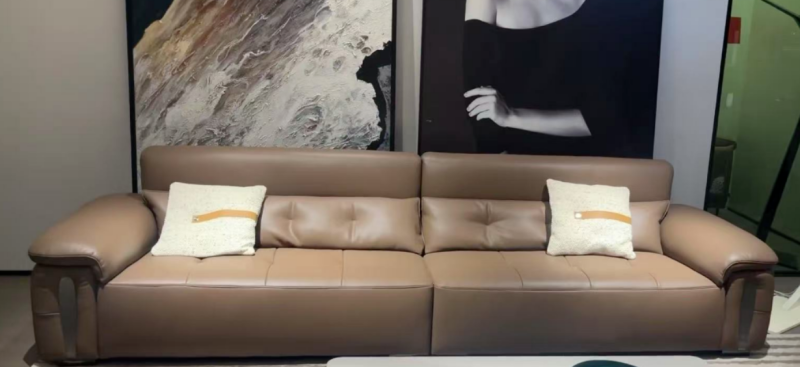
For sofas (high flexibility needs) : It needs to be added to color-changing paint 5%-10% polyurethane plasticizer Or Soft resin , allowing the paint film to stretch along with the sofa.
Repairs for blistered issues : Use a needle to puncture the bubbles and inject them Specialized PU glue Use a scraper to smooth out the exhaust, wipe off excess glue, and use an iron to cover the air Iron at low temperature (Around 80°C; be sure not to use high temperatures, or the bubble will collapse.)
Summary Table of Specific Countermeasures for Different Scenarios
| Product types | Core pain points | The primary solution |
|---|---|---|
| Dry Bag PU (The surface is shiny, like plastic tape) | Low surface tension means the paint film cannot hold on | It must be polished ! Wipe off the release agent with alcohol and spray a highly adhesive epoxy-modified primer. |
| Wet sofa PU (Sponge on the back, soft surface) | The substrate has many pores, easily absorbs water or solvents, and is prone to deformation due to heat | Water-based paint is used 。 Prevent oily solvents from penetrating the bubbles. If oil-based is necessary, first apply a layer of isolation and sealing paint. |
| Old, hydrolyzed PU (Surface cracking, powder shedding) | The base material has disintegrated | Repairs are not recommended 。 Changing colors at this time is like building a tower on sand. Directly replacing the leather is the best solution |
| After several months of use, it foams (After-sales Issues) | Glue aging or reaction of pretreatment agents | Only old coatings can be scraped off. If the foaming area exceeds 10%, it indicates that the original paint layer has aged as a whole and must be completely stripped and redone. |
The first reason for failure is “just spraying without treatment.” 。 If you want the color change to withstand direct sunlight or sitting pressure, Polishing And Dedicated soles Lacquer Both processes are indispensable. If only minor blisters appear, use needle tube glue injection and hot pressing to repair them; If there is a large bulge and the surface material has lost its adhesion, please give up on repair, because PU leather cannot be restored by sanding and regrinding like genuine leather.

No comments yet