

The culprit behind mold in the plum rain
Why does mold favor textiles and leather?
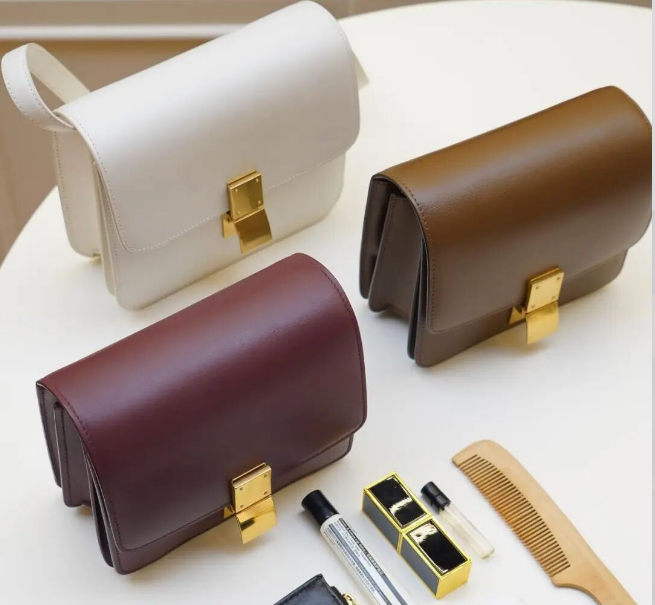
During the rainy season, humidity often exceeds 80%, and the porous structures of textiles and leather adhere to moisture in the air, creating localized humidity that promotes mold spore growth. Proteins in leather and textile fibers provide organic nutrients for mold growth. Mold can grow latently in enclosed spaces like wardrobes and shoe cabinets. During the rainy season, mold’s “preference” for textiles and leather is essentially the result of its biological characteristics, material structure, and environmental conditions.
![Image [1]-Mold Prevention: Stunning Tips to Save Your Belongings – Nleather-Nleather](https://www.nleather.com/wp-content/uploads/2026/07/image-62.png "image – Nleather")
The necessity of mold prevention
the dual necessity of item protection and health defense
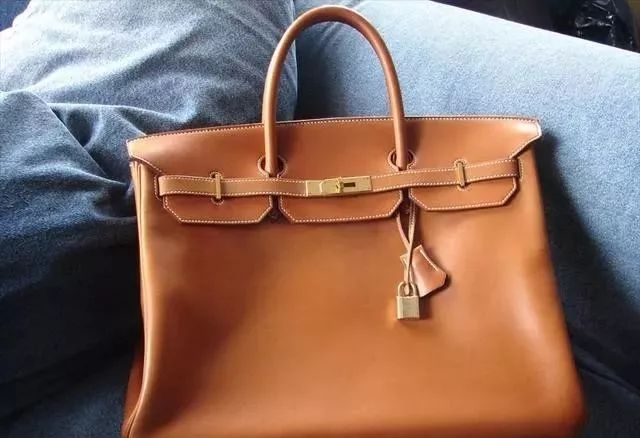
Mold erodes textiles and leather through both chemical and physical decomposition, and is a hidden health killer. Moldy textiles and leather can cause irreversible damage to items; leather loses its flexibility, hardens, cracks, and may even peel off in layers. Textiles become thinner, more prone to tearing, and lose elasticity and original texture.
Toxins produced by mold can cause dermatitis, itching, or hives. When the skin is damaged and mold spots are exposed, it may trigger fungal infections. Mold produces a large number of spores and spreads through the air. Inhaling spores may cause skin allergies, respiratory infections, and long-term low-dose inhalation can lead to asthma, rhinitis, and persistent cough, posing greater risks for children and those with weakened immune systems. “Moldy smell” is actually the result of volatile organic compounds released by mold metabolism combined with mycotoxins. They not only irritate the mucous membranes, causing headaches and nausea, but long-term exposure may also pose more serious health risks.
![Image [2]-Mold Prevention: Stunning Tips to Save Your Belongings – Nleather-Nleather](https://www.nleather.com/wp-content/uploads/2026/07/image-89.png "image – Nleather")
Mold prevention testing
Different anti-mold standards vary depending on cultivation conditions (temperature, humidity, time), and these differences directly affect the accuracy and comparability of test results. Combine material type and product use to select corresponding standards.
| Standard code | Standard name | Test method | Test the strains |
| GB/T 39104.2-2020 | Textiles – Measurement of Antifungal Performance Part 2: Flat Dish Counting Method | Quantitative testing | Aspergillus niger, Aspergillus Brazil |
| IS0 20150: 2019 | Quantitative evaluation test of antifungal performance for footwear and footwear components | Quantitative testing | Candida albicans, Aspergillus niger / Aspergillus Brazil, Trichophyton microphytes |
| IS0 19574:2022 | Qualitative Evaluation Test Method for Antifungal Performance of Footwear and Footwear Components (Student: Long Test) | Quantitative testing | Penicillium linear, Aspergillus niger/Aspergillus Brazil, Trichophyton pilachium |
| ASTM D4576-16(2021) | Test methods for antifungal growth of blue wet skin and white wet skin | Quantitative testing | Aspergillus niger |
| AATCC TM30-2017e | Evaluation of antifungal activity of textile materials: Test method: anti-corrosion and anti-mold performance of textile materials | Quantitative testing | Aspergillus niger, Bulgosphae sclerotium |
| GB/T 24346-2009 | Evaluation of textile mildew resistance | Quantitative testing | Aspergillus niger, Bulgomycetes, Penicillium cordiform, Wood Elegius |
| FZ/T 60030-2009 | Testing methods for home textile mildew resistance | Quantitative testing | Aspergillus niger, Bulgophyllium suciomatus, Penicillium cordiformes |
Emergency handling of moldy items
Optimized treatment for different materials by combining material characteristics and mold biocharacteristics ensures cleaning while maximizing structural protection.
Personal protection
(1) Wear masks and gloves to avoid direct contact or inhalation of mold;
(2) Isolate pollution sources: Transfer moldy items to open spaces for processing, spray 75% alcohol, and form a atomized layer that adsorbs spores in the air through static electricity, preventing spores from dispersing over a large area and reducing pollution to the surrounding environment.
Cleaning methods
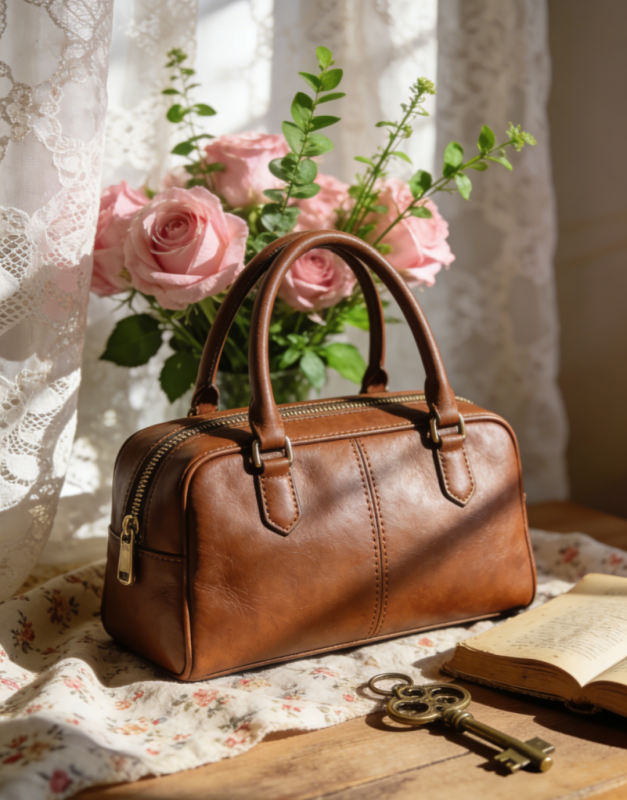
Textiles
(1) Use a soft brush to gently brush along the texture direction of the textile to remove surface mold stains;
(2) Soak and clean: Soften mold stains in cold water, soak in oxygen-containing bleach or white vinegar + baking soda, then rub to remove mold stains;
(3) Drying: After washing, air dry. Fabrics such as silk and wool are sensitive to temperature and light and require air-drying
![Image [3]-Mold Prevention: Stunning Tips to Save Your Belongings – Nleather-Nleather](https://www.nleather.com/wp-content/uploads/2026/07/image-88.png "image – Nleather")
Taboos
❌ Do not wash with hot water, as high temperatures can cause mold stains to cure and be difficult to remove. Hot water accelerates the release of plasticizers from synthetic fibers, forming sticky surfaces that attract more spores.
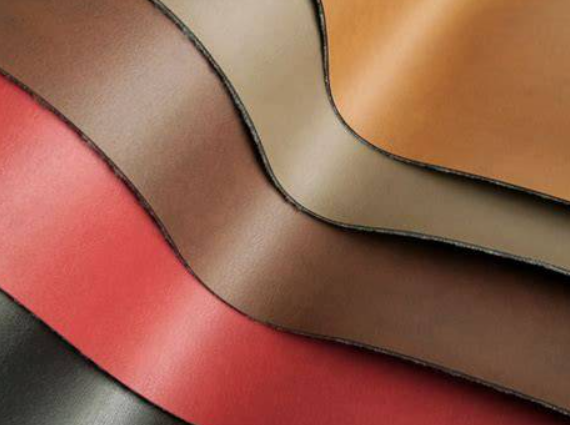
Leather products
(1) Use 75% alcohol wipes or leather-specific mold remover to wipe off mold spots;
(2) Apply leather care agents containing tea tree oil and nano-silver components on the surface, damaging cell membrane integrity and inhibiting enzyme activity.
(3) After air drying, use leather care oil to prevent cracking and maintain the leather’s flexibility and shine.
![Image [4]-Mold Prevention: Stunning Tips to Save Your Belongings – Nleather-Nleather](https://www.nleather.com/wp-content/uploads/2026/07/image-87.png "image – Nleather")
Taboos
❌ No direct sunlight: Ultraviolet light reduces the leather’s flexibility, causing hardening and fading.
❌ Do not repeatedly wipe with a damp cloth: moisture seeps deep into the leather and causes deep mold.
An irreversible situation
(1) Embrittlement: Mold stains penetrate deep into textiles or leather, causing the item to become thin and brittle, requiring discarding.
(2) Residual odor: Deep mold odors cannot be removed after surface cleaning, posing health risks.
(3) Large-area mold: If the area exceeds 30% of the item, professional cleaning or replacement is recommended.
Long-lasting protection: building a “mold-proof fortress”
Humidity control
● Dehumidifier and desiccant in action, humidity kept below 50%!
● Hang dehumidifier bags in the wardrobe, and dry coffee grounds in the shoe cabinet (moisture-absorbing + antibacterial).
Cleaning and Storage
● Wash and dry seasonal clothes thoroughly, avoiding sweat and oil stains to feed mold!
● Leather packaging placed in breathable dust bags; clothes sealed with vacuum bags + anti-mold sheets.
Daily habits
● Immediately wipe moisture off your bag and leather shoes with a dry cloth upon returning home.
● Regularly wipe corners and the back of cabinets to prevent condensation from becoming a mold breeding ground!
Natural anti-mold method
● Coffee grounds: Dry and put in a gauze bag, then put in the shoe cabinet to absorb moisture and remove odors.
● Lavender + clove: Mix in your wardrobe, antibacterial, anti-mold, and naturally fragrant!

No comments yet