


As spring changes seasons, leather must also “awaken.”
As spring arrives, heavy leather shifts from being the “winter mainstay” to “spring-summer storage,” but neglect before the change of seasons can quietly “age” it: Residual winter moisture breeds mold, long-term wear leads to sweat and oxidized cortex, improper storage, compression, and deformation …… These issues not only affect aesthetics but also shorten their lifespan.
![Image [1]-Complete guide to seasonal maintenance of leather goods – Nleather-Nleather](https://www.nleather.com/wp-content/uploads/2026/07/image-83.png "image – Nleather")
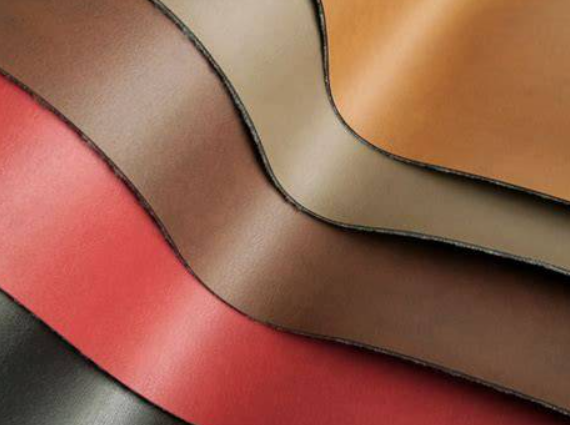
Material Decoding: The “temperament” and care codes of different leathers
Leather is like people, each with its own “character”—some are tough and durable, others soft and delicate, and need “Targeted Medicine” Only then can they remain fresh and renewed over time.
Natural top layer cow leather : Resilient but afraid of ‘thirst’
Features: The texture is tough (strong tear resistance) and naturally lustrous (with an oily feel), but it dries easily (fibers break → crack when dehydrated).
✅ Key points for spring maintenance:
- Deep Nourishment: Each quarter, apply natural beeswax leather nourishing oil (containing vitamin E) evenly, let it sit for 2 hours for absorption, and restore winter oil loss;
- Dehumidification and Mold Prevention: In humid spring, make sure the leather is completely dry before storage and add a desiccant (humidity controlled at 50%-60%);
- Ventilated and air-drying: Choose a cool, ventilated place to air dry for 1-2 hours (avoiding direct sunlight) to dissipate residual winter moisture.
![Image [2]-Complete guide to seasonal maintenance of leather goods – Nleather-Nleather](https://www.nleather.com/wp-content/uploads/2026/07/image-84.png "image – Nleather")
Sheepskin: Soft but Afraid of “Injury”
Features: Soft and skin-friendly, with a premium texture, but delicate and sensitive to scraping (slight friction leaves marks) and oil stains (grease penetration is hard to remove).
✅ Key points for spring maintenance:
- Gentle cleansing: Use a sheepskin foam cleaner to gently press and remove stains (avoid rubbing), focusing on cleaning sweat stains and collar stains left by winter wear;
- Anti-mold treatment: Spring is humid, so be sure to dry completely after cleaning, and spray leather anti-mold spray before storing;
- Store away from light: Use breathable cotton dust bags away from windows (UV rays accelerate fading) to prevent plastic bags from getting wet.
![Image [3]-Complete guide to seasonal maintenance of leather goods – Nleather-Nleather](https://www.nleather.com/wp-content/uploads/2026/07/image-85.png "image – Nleather")
Other common leathers: small cow leather /Suede Leather/ leatherette
| Material | Features | Core spring maintenance |
|---|---|---|
| Small cow leather | Strong grainy feel (more wear-resistant) | Brush along the grain to remove dust, apply care oil before storage |
| Suede leather | Matte velvet finish (easily absorbs dust) | Rubber cleaning brush uses one-way brushing to brush dust, spraying waterproof, mist, and moisture-proofing |
| leatherette | Glossy reflective finish (strong fashion sense) | Wipe the glasses cloth with clean water, and keep the storage pad thin paper to prevent sticking |
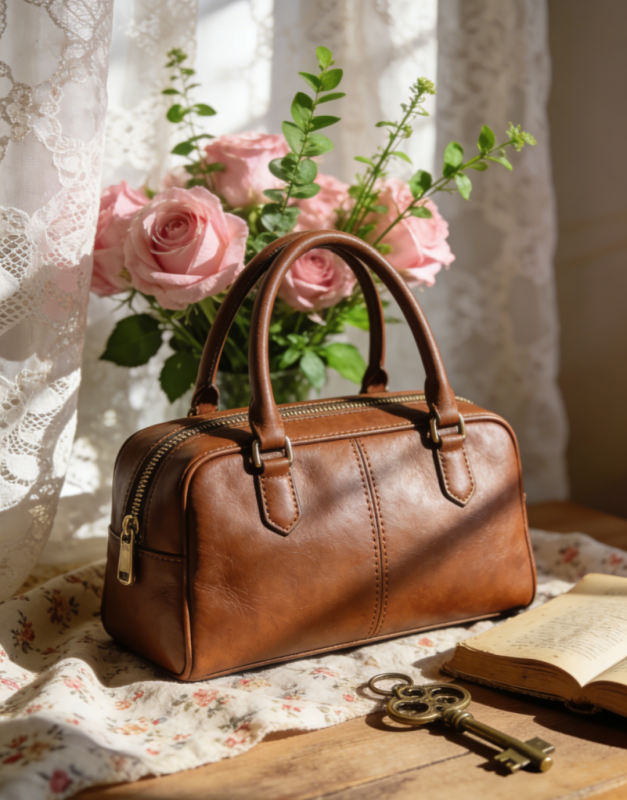
Product Maintenance Practice: Seasonal Storage for Leather Jackets/Bags in One Step
Leather coat (including leather trench coat): 3-step renewal method
Step 1 | Deep cleaning
Spray leather cleaner onto a soft cloth and wipe along the surface (focusing on sweat stains on the neckline and cuffs). For stubborn oil stains, gently wipe with a nano sponge. After cleaning, apply leather care lotion to restore a soft and radiant shine.
Step 2 | Nourishes and protects
Take soybean-sized nourishing oil, rub it in your palm until warm, press the surface of the leather jacket (avoid hardware), let it sit overnight to absorb and replenish the oils lost in winter.
Step 3 | Scientific storage
Hang it on a wide-shoulder hanger, wrap it with a breathable cotton dust bag, and place moisture-proof boxes and camphor wood strips (natural moth-proof) inside the wardrobe to ensure a dry and well-ventilated storage environment.
![Image [4]-Complete guide to seasonal maintenance of leather goods – Nleather-Nleather](https://www.nleather.com/wp-content/uploads/2026/07/image-86-1024x601.png "image – Nleather")
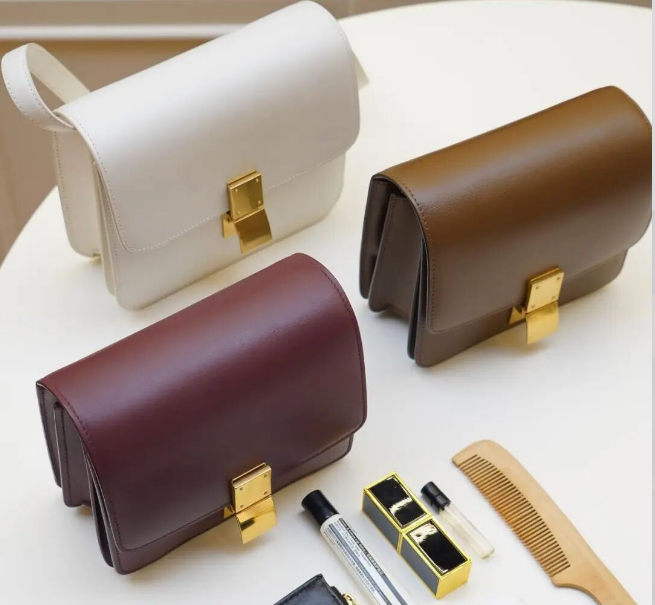
Wallet: Standardized Defense Battle
Step 1 | Empty and clean
Empty out all items, use a mini vacuum cleaner to remove dust from the lining, use a cotton swab dipped in cleaning agent to remove stains (avoid getting wet), and wipe hardware with a dry cloth to prevent oxidation.
Step 2 | Filling and shaping
Fill the main body with acid-free pear paper or custom foam inner supports, and insert paper rolls at the shoulder straps to maintain a curve to prevent “sagging shoulders” from long-term storage.
Step 3 | Dustproof and moisture-proof
Place a breathable cotton dust-proof bag inside, with silicone desiccant and camphor wood strips inside, and place it on the upper shelf of the wardrobe (to avoid squeezing). Check moisture resistance once a month.
The “Age-Reversing Repair Expert” for Leather Products
Deep scratches, stubborn stains, and large areas of dryness left by winter wear?
Core methods
| Frequently Asked Questions | Solution | Technical highlights |
|---|---|---|
| The elbows of the leather jacket were cracked and dry | Oil replenishment + micro-stitching | Restoration Strength: 85% ≥ Original Material |
| Leather bag edges and corners scratched | Touch-up color + polishing | 90% Reduction of Scratches |
| Leather windbreaker mold stains | Deep mold removal + color fixation and restaining | Restores 95% of its original color |
▌Service Advantages
- Material Database: Includes 100+ leather material parameters for customized exclusive solutions;
- Non-invasive Repair: Rejecting “one-size-fits-all” skin replacement, preserving the original texture of the material;
- After-sales Warranty: Repairs come with a 6-month warranty (free repair for non-human damage).



No comments yet