
No cloth leather, more precisely, should be called Nonwoven fabric is composite leather , It is a composite made by impregnating nonwoven fabric with a three-dimensional framework and polyurethane and other resins finished leather Materials. A typical example is microfiber combination finished leather — Made from island-type ultrafine fibers (fineness <0.01 denier) formed by needle-punching to form a three-dimensional network-like nonwoven fabric, then filled with polyurethane resin. These materials are widely used in high-end fields such as footwear, apparel, bags, furniture, and automotive interiors.
![Image [1]-Understanding color alteration methods in synthetic composite leather – Nleather-Nleather](https://www.nleather.com/wp-content/uploads/2026/07/20260712-115500-5uUkL-nleather-silicone-leather.png "20260712-115500-5uUkL-nleather-silicone-leather – Nleather")
However, the color change for the non-cloth leather faces a core challenge : Differences in two-component staining —— Nylon or polyester ultrafine fibers and polyurethane resins have very different affinity for dyes, resulting in conventional dyeing that often results in “two-tone” or uneven coloring. This paper starts from the material structure and systematically reviews the color change process paths and key technical points of cloth-free leather.
Structural Features of Materials and Challenges in Color Modification
The fabric leather-free structure can be understood as a composite of a “fiber skeleton + resin filling.” Nonwoven fabric is formed by ultrafine fiber bundles arranged in a random arrangement, interwoven and interwoven vertically, forming a three-dimensional network structure. The polyurethane filled within has numerous interconnected microporous structures, giving the material breathability and moisture permeability.
The challenges brought by this structure include three main aspects:
| Types of difficulties | Specific performance | The root |
|---|---|---|
| Two-component coloring is uneven | Polyamide fibers can be dyed with acid dyes, but ordinary polyurethane has very low affinity for acid dyes | Differences in the chemical structure between fibers and PU |
| Ultrafine fibers have poor uniformity | The fibers have a large specific surface area, allowing dyes to adsorb very quickly but disperse unevenly | Ultra-fine fineness (<0.01 denier) |
| Lack of dark color | Pursuing dark colors requires excessive dye, which actually leads to reduced color fastness | PU does not cause dye waste due to its dyeing properties |
Color Change Material System
Dye system
For two-component structures without fabric leather, blended dyes must be used to achieve synchronous coloring. A patent proposes an efficient dye formulation (by weight percentage): 63~78% acid dye + 13~29% disperse dye + excess metal complexation dye , It can achieve uniform dyeing of polyester fibers, polyamide fibers, and polyurethane simultaneously.
The specific dye selection depends on the material composition:
Nylon 6 microfibers : adopted Strong acid dye + weak acid dye Used together. Strong acid dyes have a simple molecular structure and low molecular weight, allowing them to move evenly on fibers, making them suitable as main dyes. Typical dosage is 5% strong acid dye + 2% weak acid dye by bass weight, dye at 92~94°C for 70~110 minutes.
Polyester microfiber : Selection Disperse dyes , Dyeing through hydrogen bonding and van der Waals forces.
Polyurethane resin : Disperse dyes can be used for dyeing, or polyurethane slurry is used for internal coloring (adding water-based colorants).
Concentrated Dyeing System
This solution addresses dyeing problems from the source—adding pigments/pastes during the fiber spinning stage and PU impregnation stage separately:
Fiber solution coloring : During the melt extrusion of island component (PET) of island-type composite fibers, organic or inorganic pigment masterbatches are added to give the fibers their own color. Research shows that the combination process of dope dyeing + subsequent disperse dye dyeing can achieve excellent dyeing depth and color fastness.
PU slurry coloring : A method of adding 0~3 parts of water-based colorant to the impregnated slurry to color the inside of the PU resin. Samples combining fiber solution coloring with internal PU coloring offer superior dyeing depth and multiple color fastness.
New Self-Coloring PU Materials (Frontier Direction)
Recent research has developed a technology to covalently bond dye molecules into aqueous polyurethane molecular chains—using hydroxyl-superbranched poly(amino-ester) at the end as a chain extender to prepare hydroxyl-containing WPU, which is then reacted with reactive dyes to obtain the desired method Self-coloring waterborne polyurethane 。 As a filler resin without cloth leather, this material eliminates the need for subsequent dyeing steps, fundamentally reducing dyeing wastewater and color fastness issues.
Color Change Process Route
Dyeing Process During Production Stage (Optimal Performance Solution)
Coloring of cloth-free leather should be completed during the base fabric manufacturing stage to achieve optimal color fastness. The complete process flow is as follows:
Island fiber preparation→ Needle-punched felt (nonwoven fabric) → PU impregnation → Coagulation → Alkali reduction/toluene reduction (fiber opening) → Dyeing → Post-finishing (leather grinding/napping)
Process Case 1 Using PA6/PE Bicomponent Fibers as Substrate:
Impregnation and solidification : Immersion PA6/PE two-component fiber nonwoven fabric in a cationic water-based polyurethane slurry (40~50°C), solidify through a coagulation solution to obtain wet impregnated bass.
Reduce and open fiber : Extracting PE sea components from toluene to form bundled PA6 ultrafine fibers.
Dyeing : Using the weight of the bass as the standard, add 600~900% water, 5~6% strong acid dye, and 2~2.5% weak acid dye, dye at 92~94°C for 70~110 minutes, then wash and dry.
Leather is ground and fleece is raised : 150-grit sanding belt with leather grinding, brush roller to raise the nap.
Key points of the PET-based process:
If adopted, Original solution coloring island fibers , First reduce the amount of alkali and cut fibers, then use them Disperse dyes Dyeing 。 Solution coloring greatly reduces the amount of dye needed for dyeing, while achieving uniform dark colors.
Recommended patent solution: Precise control of the original pigment content in fibers, then re-dyeing with disperse dyes to achieve the lightfastness required for vehicle interiors.
Post-treatment color change process
Suitable for local color correction, color changes, or patterning of finished products without fabric leather:
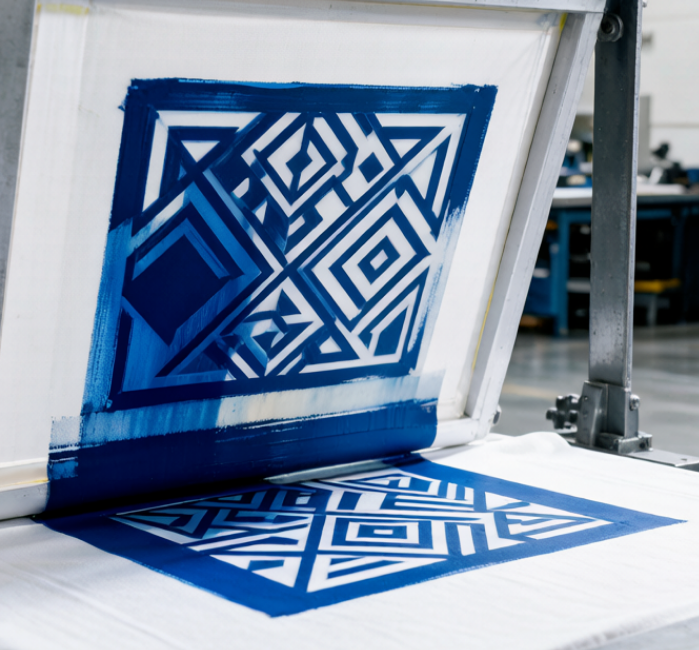
Water-based PU veneer/printing : On the surface of a dyed microfiber bass, it is prepared through water-based polyurethane resin lamination, embossing, and printing clothing leather sofa leather or shoe leather.
Color-changing coating technology : Combined with microfibers finished leather The base fabric surface is coated with a polyurethane surface film that exhibits discoloration and embossing effects, then undergoes special solidification and post-finishing to achieve high-temperature discoloration and embossing effects.
Structural color spraying (Cutting-edge process): Using colloidal microspheres as assembly units, spraying onto the surface of nonwoven fabric, bonding and fixing with polyacrylate, it maintains the porous structure and overcomes the problem of traditional coatings clogging pores.
Process Analysis and Common Issues
Issues of Dyeing Uniformity
Problem manifestations :
The finished product surface shows “two-tone” or color patterns, especially for dark-colored products 。
The root cause :
Microfibers and polyurethane have different dye affinity, and the large specific surface area of microfibers leads to rapid initial adsorption.
Solution :
Uses a highly compatible acidic/disperse dye blend (acid dye 63~78% + disperse dye 13~29%)
After dyeing at room temperature, slowly raise the temperature at 1°C/min to boil, hold at 70°C for 30 minutes, and at 100°C for a longer period
Stepwise dyeing is used : First, disperse dye is used to dye PU components, then acid dyes are used to dye fiber components
Insufficient Color Fastness (Pain Point in Automotive Interior Applications)
Problem manifestations :
The lightfastness and abrasion fastness do not meet standards. PET-type microfiber leather is prone to yellowing when heated, and some dyes have poor photostability.
Solution path :
Uses a combination of dope dyeing fiber + disperse dye dyeing to reduce dye usage and improve lightfastness
For PA6 superfibers, strongly acidic/weakly acidic dyes are used for post-treatment with fixing agents
According to ISO 105-B06 standards, the light fastness of the dope dyeing + disperse dye dyeing solution meets automotive interior requirements (338.6 KJ/m² post-irradiation rating standard).
Color Transfer Issues
Problem manifestations :
During use, pigments in dark-colored products transfer to lighter contact materials (such as clothing).
Solution :
After dyeing, wash thoroughly with hot water to remove floating color
Treated with cationic polymer fixatives
Select pigments with excellent migration resistance (phthalocyanine-based) and disperse dyes
Environmental Protection Trends and Process Iteration
Traditional solvent-based PU impregnation and toluene reduction processes face VOC and DMF pollution issues. Current technological iteration directions include:
Water-based PU impregnation Replacing solvent-based fibers and combining alkali reduction (not toluene reduction) to achieve fiber opening
Undiluted coloring Reduces water and chemical consumption during the dyeing process
Self-coloring water-based PU Eliminating dyeing wastewater at the source
The core of color-changing non-woven leather (nonwoven composite leather) lies in solving the problem of dyeing differences between the “fiber + PU” dual-component. Dyeing during the production stage is the best performance solution — Select acid dyes or disperse dye systems based on fiber materials (PA6 or PET), combined with dope dyeing technology to improve color fastness from the source. The dye mixing strategy (acid dye + disperse dye) is key to achieving synchronous two-component coloring. For high-end applications such as automotive interiors, the combination process of dope-dye fiber with disperse dye dyeing can achieve excellent lightfastness and abrasion fastness while reducing dye usage. Post-processing color modification is suitable for patterning and expanding color-changing functions. With the maturity of water-based PU and self-coloring technologies, fabric-free leather color modification is evolving toward greater environmental friendliness and higher durability.

No comments yet