

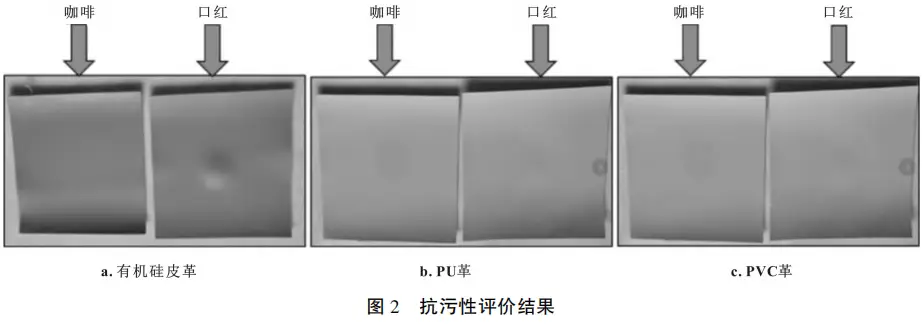
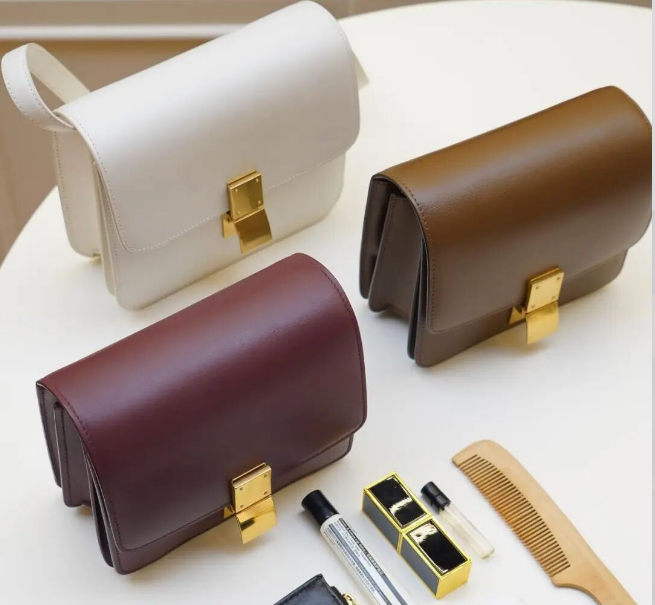
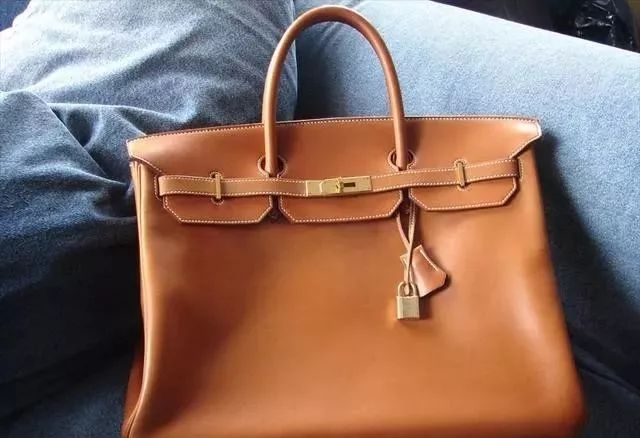
PU artificial leather (Polyurethane combined finished leather ) Widely used in luggage, clothing, furniture, footwear, and other fields. Driven by the demand for finished product color change, inventory refurbishment, and personalized customization, PU leather color-changing technology has become an important technology in the finishing process. This article will systematically analyze the color-changing process paths and key technical points of ordinary PU and wet-process PU starting from the material properties.
![Image [1]-PU Synthetic Leather Color Change Process and Technical Analysis – Nleather-Nleather](https://www.nleather.com/wp-content/uploads/2026/07/20260712-110442-2Ynuy-nleather-silicone-leather.png "20260712-110442-2Ynuy-nleather-silicone-leather – Nleather")
PU artificial leather Classification and structural characteristics
Understanding the structural differences between the two types of PU leather is the prerequisite for formulating a color change plan.
Standard PU Leather (Dry PU) : Uses a dry coating process, where polyurethane resin slurry is directly coated onto release paper, then dried into a film and adheres to the base fabric. Its surface is a dense polyurethane coating, which requires high adhesion but high surface flatness, making it suitable for post-treatment color-changing methods such as spraying and rolling.
Wet process PU leather : After applying polyurethane working slurry onto the nonwoven base fabric, it is immersed in an N,N-dimethylformamide (DMF) coagulation bath, where solvent exchange forms a microporous structure, followed by washing and drying. Wet process PU has interconnected or semi-connected microporous structures inside, resulting in a large specific surface area. This not only gives it excellent moisture permeability, breathability, and a soft feel, but also means the coating penetrates more easily during color changes, but it also faces the risk of uneven resin wetting of porous structures.
Color Change Material System
The key to color-changing effects lies in the matching choice of pigments and coating agents.
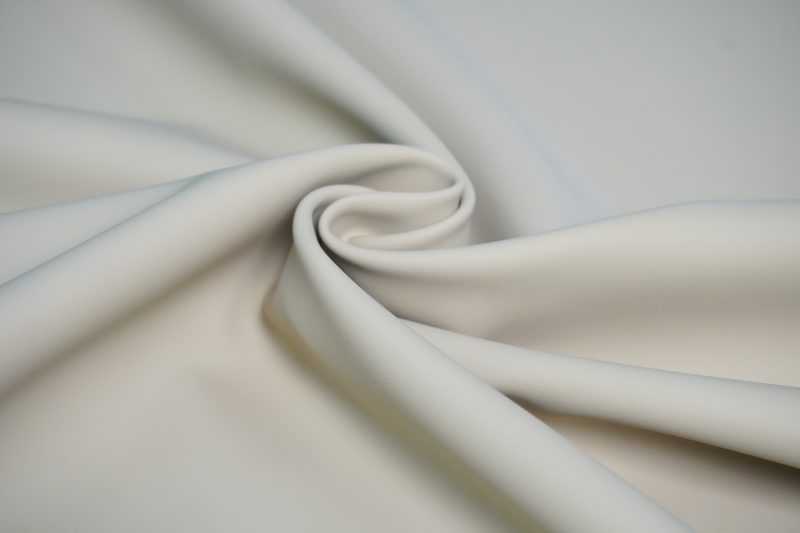
Coloring materials
According to different stages of the color-changing process, pigments are divided into two categories:
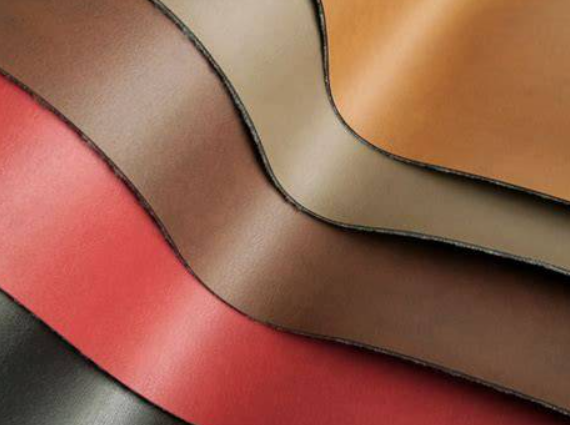
Wet method of adding color paste : Added during the wet process of slurry preparation, blended with polyurethane resin, solvents, fillers, etc., to impart the leather finish color from within. It is suitable for color customization during the new product production stage, offering the best color fastness, but cannot be used for color change on finished products.
Post-treatment color-changing pigments : Including color paste, color essence, ink, etc., used for spraying or printing color changes on the surface of finished leather. Special attention should be paid to migration resistance, weather resistance, and adhesion fastness, with water-based systems gradually replacing solvent-based products due to their environmental advantages.
![Image [2]-PU Synthetic Leather Color Change Process and Technical Analysis – Nleather-Nleather](https://www.nleather.com/wp-content/uploads/2026/07/20260712-110507-x8iqE-nleather-silicone-leather.png "20260712-110507-x8iqE-nleather-silicone-leather – Nleather")
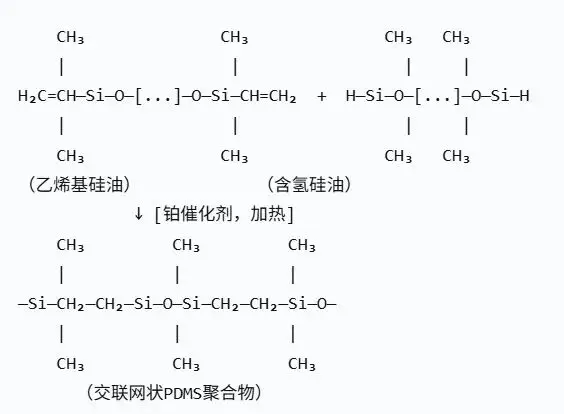
Coating Agent System
The core function of color-changing coatings is to carry pigments and provide adhesion and protection:
| System | Representative products | Advantages | Applicable scenarios |
|---|---|---|---|
| Water-based polyurethane coating agent | CT-2130、LV-3028 | Environmentally friendly, non-toxic, and easy to operate | Various PU leather surfaces can be coated, color-altered, and polished |
| Solvent-based coating agents | Ink and solvent-based color paste | Quick-drying with strong adhesion in the early stages | Scenarios requiring high drying speed |
Water-based finishing agents need to be used with primers to enhance adhesion; for example, CT-2130 combined with CT-2128 primer can significantly improve adhesion on PU/PVC leather.
Color Change Process Route
Wet Process Route (Coloring During Production Stage)
Suitable for the production of wet PU innovations, completing color transfer during the bass layer preparation stage.
Process flow : Prepare the base cloth → scrape and apply the working slurry containing color paste → pore the solidifying bath → wash with water → dry and coil
Typical formula of working pulp (Mass portion):
High modulus resin: 20~40 parts
Low modulus resin: 60~80 parts
Solvent (DMF): 90~200 parts
Filling: 15~25 parts
Coloring paste: 3~15 parts
Micropore regulator, defoamer, leveling agent: appropriate amounts
Key process points : The color paste must be well compatible with the resin system to prevent pigment precipitation or migration during solidification; The concentration of DMF (15%~30%) and temperature (15~35°C) in the coagulation bath must be precisely controlled to avoid abnormal microporous structures that could affect coloring uniformity.
![Image [3]-PU Synthetic Leather Color Change Process and Technical Analysis – Nleather-Nleather](https://www.nleather.com/wp-content/uploads/2026/07/20260712-110534-qQNjY-nleather-silicone-leather.png "20260712-110534-qQNjY-nleather-silicone-leather – Nleather")
Post-Treatment Color Change Process (Finished Product Color Change)
Suitable for color changes, refurbishment, or partial color correction of finished leather.
Process flow : Clean substrate → Primer (optional) → Spray/roller color-changing layer → Dry curing → Top coat protection
Key step analysis :
Substrate treatment :
For leather surfaces with high levels of oil, wax, or plasticizers, cleaning or grinding must be done first; otherwise, the adhesion of the coating agent will be greatly reduced.
Primer :
Using specialized primers (such as CT-2128) can seal the base layer and improve surface adhesion, which is especially important for porous materials like wet-process PU.
Color-changing layer construction :
Water-based finishing agents usually need to be diluted 1~1.5 times before use, and thickened to a viscosity suitable for spraying; Alcohol diluents dry faster than water and can be selected according to process rhythm. It is recommended to choose water-based color paste for the pigment to ensure system compatibility.
Top coating protection :
After drying, the color-changing layer should be covered with a transparent top coating to enhance physical properties such as wear resistance, bend resistance, and waterproofing.
![Image [4]-PU Synthetic Leather Color Change Process and Technical Analysis – Nleather-Nleather](https://www.nleather.com/wp-content/uploads/2026/07/20260712-110606-Vihnk-nleather-silicone-leather.png "20260712-110606-Vihnk-nleather-silicone-leather – Nleather")
Process Analysis and Common Issues
Adhesion Fastness Issues
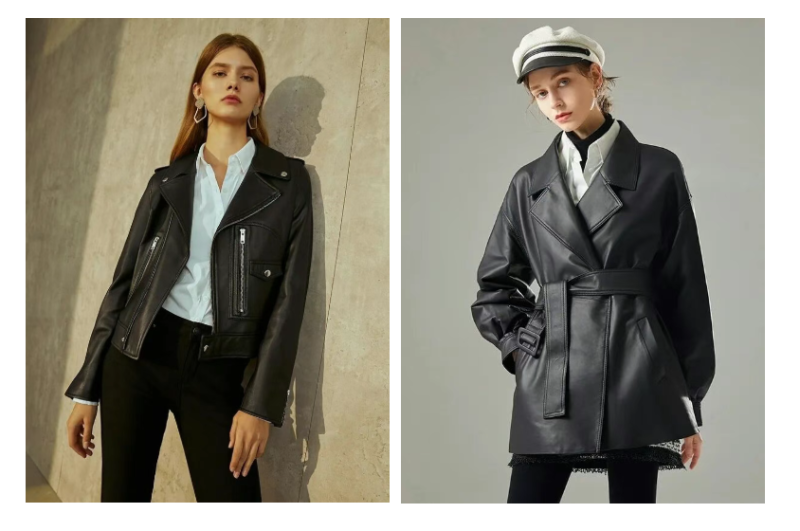
The most common failure form of PU leather coloring is coating peeling or cracking. The root causes usually lie in: mismatch between resin modulus and substrate (too rigid makes it brittle, too soft makes it sticky), the base layer is not thoroughly cleaned, or the appropriate primer is not used. For soft footwear materials and clothing leather , select a coating agent with good softness and elasticity, and test for low-temperature flexibility.
Color Migration and Weather Resistance
When changing dark colors to light colors or using organic pigments, special attention should be paid to pigment migration resistance and light resistance. Some red and yellow pigments fade easily with trace amounts and should be avoided. For outdoor furniture, car seats, and other application scenarios, it is necessary to select color paste systems with high weather resistance grades (for example, phthalocyanine pigments can achieve weather resistance levels 7~8).
Special Characteristics of Wet PU
The porous structure of wet-process PU has an ‘inhalation’ effect on color-changing paints, which may lead to uneven gloss or color differences. Solutions include: appropriately increasing the solid content of the coating agent, increasing the number of coating passes, or filling the holes with a sealed primer before applying a topcoat.
PU artificial leather The color-changing process requires selecting the appropriate color system and coating process based on the substrate type (ordinary PU/wet PU) and application scenario (bags/footwear/furniture/clothing). Waterborne polyurethane systems, with their environmental advantages and continuously improved physical properties, are becoming the mainstream direction for post-treatment color change. The key to successful process lies in: substrate evaluation and treatment, compatibility matching between pigments and resins, and thorough verification of the coating layer’s properties (adhesion, flexibility, weather resistance).

No comments yet