

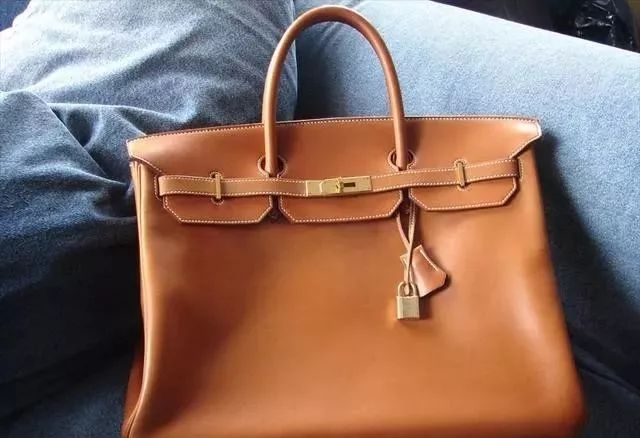
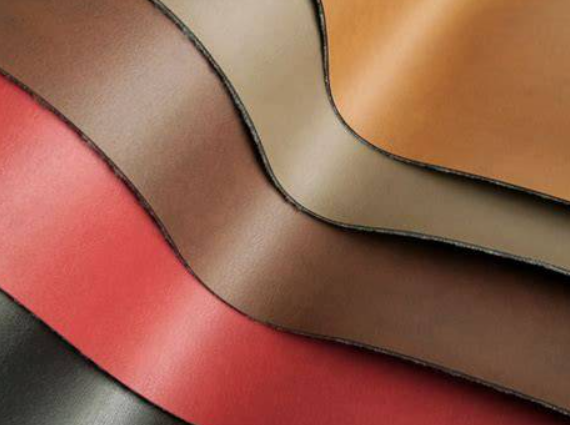
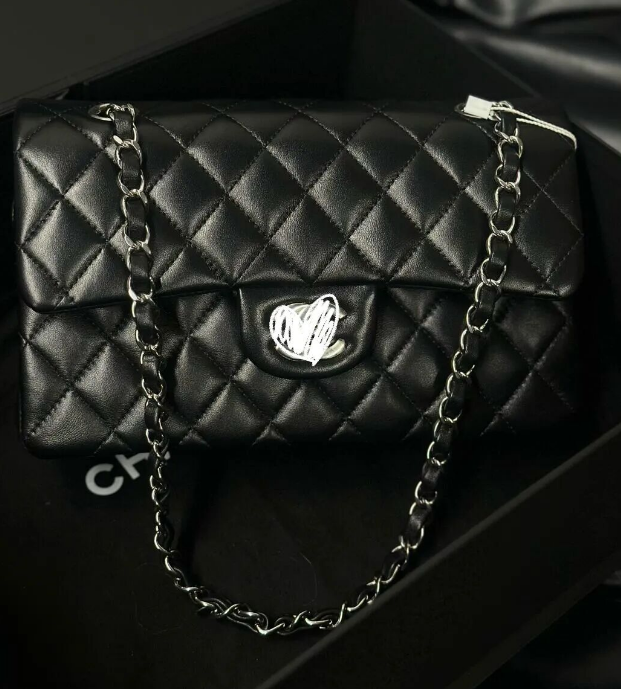
For the top-layer dermis (especially, Aniline leather This type of leather that pursues transparency appears during color changes Localized color discoloration and uneven color absorption This is indeed a widely recognized technical challenge. Simply put, the problem lies here “ The leather color is uneven ” : Some places absorb color quickly and are dark, while others do not absorb color and are light.
![Image [1]-Understanding Localized Color Discoloration in Transparent Aniline Leather – Nleather-Nleather](https://www.nleather.com/wp-content/uploads/2026/07/20260712-074011-B8xGK-nleather-silicone-leather.png "20260712-074011-B8xGK-nleather-silicone-leather – Nleather")
To completely solve this problem, you can’t just “spray a few more times”; you need to start with Pretreatment changes the leather’s charge And Adjust the spraying technique Approach from both sides. Below are in-depth analyses and solutions for different types of leather:
Core reason: Why does the leather ‘color taste’ become uneven?
For top-layer dermis, there are three fundamental issues with color pattern and uneven color absorption:
Root cause one: The leather’s own “uneven position” and uneven charge
Root Cause 2: The “high permeability” characteristic of aniline leather
Root cause three: Improper spraying operation
Targeted solutions
To address the above reasons, different strategies should be adopted depending on the type of leather:
| Leather type | Core pain points | Key Points of Solutions and Technology |
|---|---|---|
| Aniline leather / absorbent leather | If color absorption happens too quickly, it easily becomes flowery, hardens, and loses elasticity. | “Occlusion agents” must be used ” : Spray a layer before applying Cationic blockers 。 It can clog pores, prevent dye from penetrating excessively, and neutralize leather-surface charges, allowing subsequent colors to spread evenly。 Selection Penetrating color-changing agents , spray lightly multiple times Formula adjustment : Usage Metal complexation dyes And joined Penetrants , helping colors penetrate evenly and preventing surface buildup |
| Ordinary Glossy Leather ( cow leather /Sheepskin) | If the old coating is not thoroughly removed, the new coating may have poor adhesion and peeling. | Strengthening the “middle layer” : Before spraying and changing colors, spray a layer first Strong adhesive , connecting the old coating layer with the color-changing layer to prevent peeling of the entire area Solve the color problem : Add to the color paste Matte masking resin Or High-precision color paste , using the principle of physical diffuse reflection to cover uneven background colors。 |
| Light / bright leather | Weak coverage, feels hard and loses the genuine skin feel after multiple sprays. | Ultra-fine coverage : Do not reduce the resin to improve coverage, or the color will fade。 should be selected Opaque resin Matching A super radiant balm , utilizing the material’s inherent coverage, rather than relying on “impasco”. |
Simple Operating Steps (General Version)
![Image [2]-Understanding Localized Color Discoloration in Transparent Aniline Leather – Nleather-Nleather](https://www.nleather.com/wp-content/uploads/2026/07/20260712-074114-CvVak-nleather-silicone-leather.png "20260712-074114-CvVak-nleather-silicone-leather – Nleather")
If you are unsure about the specific type of leather, you can follow the steps below to significantly reduce risk:
Deep cleaning (the most critical) :
Use a powerful film remover to thoroughly clean the leather surface, Absolutely Remove the original grease, wax layer, and stains. This is the first step in preventing “partial color rejection.”
Leather Reshaping (Aniline Leather Essential) :
For absorbent skin, Absolutely Spray a thin layer Occlusive agents ; For ordinary leather, spray if you’re worried about fading Strong adhesive 。 This is the core to preventing “uneven color absorption.”
Paint mixing :
For water-dyed color changes, professional formulations (such as Pingpingjia, JFC, etc.) can be referenced to promote uniform penetration; If the paste changes color, ensure the resin-to-pigment ratio is appropriate to maintain elasticity.
Spraying technique :
“ The cross-crossing method is “thin spraying multiple times.” 。 Before each spray, wait for the previous layer Completely dry (Non-sticky to the touch), Strictly avoid a single heavy spray.
Color fixation protection :
After color change is complete, it must be sprayed Fixing agent Or Protective layer (such as aniline brightener) to enhance abrasion resistance and prevent color fading later on.
![Image [3]-Understanding Localized Color Discoloration in Transparent Aniline Leather – Nleather-Nleather](https://www.nleather.com/wp-content/uploads/2026/07/20260712-074143-aLeuR-nleather-silicone-leather.png "20260712-074143-aLeuR-nleather-silicone-leather – Nleather")
Pitfall Prevention Guide
Don’t try to cover up the color with “impasthetic.” :
This directly causes the leather to harden, feel plastic, or even crack.
Don’t overlook batch combination :
For large areas of leather jackets or sofas, ensure the entire leather material batches are consistent, as different batches have different color absorption rates for the leather base.
Testing comes first :
Sample colors on inconspicuous areas (such as the edge of the leather jacket lining or sofa base), and only apply on a large area after confirming the adhesion meets standards.
Summary : The key to solving uneven color absorption lies in “Blocking” and “Easing” — Use occlusive agents to block overly absorbed pores, and use penetrants to guide the color to spread evenly. As long as the leather’s surface charge is consistent and the spray is even, the problem will naturally be resolved.

No comments yet