

Want to transform the ordinary leather you’ve worked on from plain to stunning? In fact, it doesn’t require advanced chemistry knowledge or expensive special equipment. Here are five reliable and stunning methods that can help you turn solid-colored leather into a unique piece of art.
![Image [1]-DIY Leather Art: Five Expert Finishing Techniques – Nleather-Nleather](https://www.nleather.com/wp-content/uploads/2026/07/20260712-071809-zxRGs-nleather-silicone-leather.png "20260712-071809-zxRGs-nleather-silicone-leather – Nleather")
Start with “dyeing”—use alcohol dye for gradients and hand-drawing
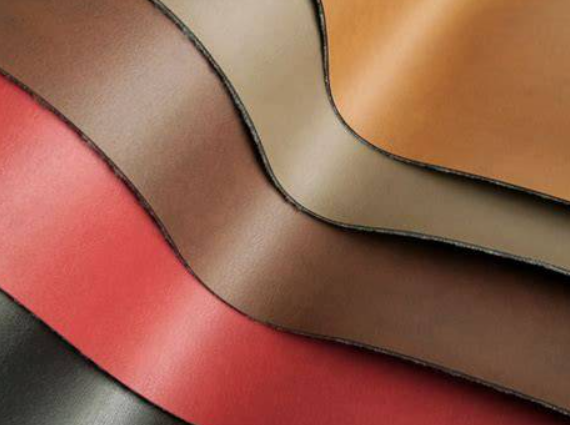
This is the core and most varied technique. Alcohol dyes penetrate deep into leather fibers, preserving the original natural texture and breathability of the leather.
You need to be prepared :
Leather alcohol dye (recommended to prepare 3-4 colors you like),Degreaser (for treating leather surfaces), Sponge brush, wool brush, airbrush (recommended for beginners),Cotton fabric that does not shed lint,Leather brightener or fixing agent
Operating steps :
Clean leather :
Use a degreaser to wipe the leather surface to remove any oils or stains left at the factory. This step is very important; otherwise, the dye may be unevenly colored.
Foundation :If you want a vibrant effect, you can first apply a layer of leather pretreatment liquid (or diluted white alcohol dye).
Coloring :
1. Monochrome : Simply apply evenly.
2. Gradient : Start with light colors, layer dark shades along the edges while moist, and use clean cotton cloth to blend the boundaries.
3. Multicolor : Different color boundaries also penetrate each other while moist, achieving a natural transition.Wait for it to dry : About 20-30 minutes.Fixed color : Apply a brightener or fixing agent; this step can effectively prevent color fading.A little tip : Sprinkle a little metal powder (gold/silver powder) on the still-dried dye, then brush off the remaining powder once it dries, creating a stardust-like effect.
Rub it out like a milk tea wall hanging to create a retro style
If you want to preserve the original color of the leather parts while layering patterns, a fading is a great choice.
You need to be prepared : Acrylic paint (oil paint is also fine, but dries slowly) ,Sponges or rags ,Fine sandpaper (800-1000 mesh)
Operating steps :Use a sponge dipped in paint and gently pat the leather surface instead of applying it.
When the paint is half dry, wipe off excess surface paint with a clean cloth; the color will remain in the indentations of the texture.
When stacking multiple layers, wait until the lower layer is completely dry before photographing the second layer.
Once completely dry, lightly sand the raised areas with ultra-fine sandpaper to create a natural aged effect.
Sprinkle dots to transform leather into a “starry sky.”
This technique is visually striking and almost never fails. All you need to do is prepare a toothbrush or a small brush, dip it in high-contrast dye (such as white or gold on dark blue leather), and flick the bristles by hand; the tiny dots of color will evenly spread across the leather.
Advanced gameplay :
First, cover the leather surface with round stickers. After applying the dye, peel off the sticker to create neat hollow dots. Then apply a second layer of color for better layering.
Use a pencil to draw your own unique design
Don’t be intimidated by the “drawing”—leather hand-drawn is easier to achieve than on paper.
You need to be prepared : Leather pigment paste (with strong coverage) or textile pigments ,Nylon brushes , Leather erasing pen (or ultra-fine silver pen)
Operating steps :
Use a matte pencil to gently outline the outline on the leather.
Pigments are used directly, without diluting with water.
Apply a thin layer, wait 5 minutes for it to dry slightly, then apply a second layer.
Once completely dry, use the hair dryer’s hot air setting to hold it in place.
Finally, apply a thin layer of leather protective oil.
Note : Avoid repeatedly applying the same spot, as it can easily bring out the base color.
Combination Techniques
The limits of a single technique are limited; combining them can create truly personalized works. A popular solution is:Gradient background color + scattered starry sky + partial hand-paintingFor example: first use alcohol dye to create a blue-purple gradient as the base color, then let it dry and sprinkle white and gold paint to create a starry sky effect, and finally hand-paint a moon or animal silhouette in a corner. The overall effect will have a strong sense of layering.Want to make your work stand out? Try stylized expressionIf you’re not satisfied with just “looking good” and want leather works to express emotions or ideas, you can try the following styles:
Zen leaves a touch of white wind :
The large-face bold and simple dyeing technique preserves only a small complex pattern. Inspired by the aesthetics of emptiness and silence, the focus is on “restrained use of color.”
Narrative graffiti style :
Choose leather with simple embossed patterns (such as plain surfaces). Veg-tan leather), directly drawing story-like lines and characters on them, with pigments only accenting key areas (such as red lips and yellow umbrellas), while retaining the original leather color.
Wasteland machine air :
First, deliberately age and scratch the leather surface, then use colors like black, industrial orange, and gas mask green for irregular rubbing and splashing, and finally add metal fasteners.

No comments yet