

Leather polish agents are chemical products used for leather surface treatment, with main functions including enhancing gloss, enhancing abrasion resistance, and imparting waterproof and stain-resistant properties. Based on different chemical properties, high-gloss leather materials can be divided into five major categories: protein types, cellulose esters, polyurethanes, polyacrylates, and silicone types. This article will systematically compare and analyze various materials from the perspectives of chemical composition and physical properties.
![Image [1]-The Ultimate Guide to Cellulose, Acrylic, and Silicone Leather Polishes – Nleather-Nleather](https://www.nleather.com/wp-content/uploads/2026/07/20260712-071019-8uRhh-nleather-silicone-leather.png "20260712-071019-8uRhh-nleather-silicone-leather – Nleather")
Detailed explanation of classification
Protein-based brighteners
Chemical composition :
Protein brighteners are mainly represented by casein, a natural protein extracted from milk. In addition, it includes shellac, dried protein protein, keratin modifications, and more. Modern modified products improve their properties through caprolactam modification, vinyl monomer grafting copolymerization, or crosslinking with acrylic resin.
Molecular structural characteristics :
The casein molecule contains abundant amide groups (-CONH-), carboxyl groups (-COOH), and hydroxyl groups (-OH). These polar groups give the material excellent affinity with leather collagen fibers, enabling strong physical adsorption and hydrogen bonding.
Physical performance characteristics :
Gloss characteristics : Natural luster, gorgeous, and noble, with unique “glowing” properties—after mechanical polishing, the gloss can be significantly enhanced
Film formation performance : Poor film formation, the film is relatively hard and brittle, and is prone to cracking when used alone
Hygiene performance : Excellent breathability, comfortable and natural feel
Water resistance : Strong hydrophilicity, poor water resistance, sticky when wet
Aging resistance : Easily degraded by microorganisms, with limited durability
Environmental friendliness : Traditional products require formaldehyde for fixation, which is not environmentally friendly
Typical applications : High-end leathers that pursue natural luster, such as goat polished leather and mirror-effect leather.
Cellulose ester brighteners
Cellulose esters mainly include two major types: nitrocellulose (NC, commonly known as nitrocellulose) and cellulose acetate butyrate (CAB).
![Image [2]-The Ultimate Guide to Cellulose, Acrylic, and Silicone Leather Polishes – Nleather-Nleather](https://www.nleather.com/wp-content/uploads/2026/07/20260712-071038-8F54h-nleather-silicone-leather.png "20260712-071038-8F54h-nleather-silicone-leather – Nleather")
Nitrocellulose (NC) brightener
Chemical composition :
Obtained from cellulose through nitrate esterification, with a nitrate group (-ONO₂) in the molecular chain. To improve flexibility, plasticizing resin is usually added.
Solvent type : Divided into solvent type (organic solvent as the dispersing medium) and water-emulsion type (water as the dispersing medium).
Physical performance characteristics :
Gloss characteristics : High gloss, achieving a mirror-like finish; hard yet shiny
Film formation performance : Fast film formation with high film hardness
Abrasion resistance : Excellent resistance to dry and wet rubbing, and good wear resistance
Weather resistance : Prone to aging and yellowing (because nitrate groups are sensitive to light and heat)
Cold resistance : Poor quality, becomes brittle at low temperatures
Solvent resistance : Poor
Security : Flammable and explosive (nitrate ester bases are explosive), requiring high standards for production and storage
Environmental friendliness : Solvent-based products cause severe VOC pollution
Cellulose acetate butyrate (CAB) brightener
Chemical composition :
Cellulose is obtained by esterification by mixing acetic acid and butyric acid, with the molecular chain containing acetyl and butyl groups. It must be used in conjunction with specific plasticizing resins—these plasticizers have a wide molecular weight distribution and, compared to small-molecule plasticizers, have lower migration and better durability.
Physical performance characteristics :
Gloss characteristics : High gloss, good light transmission
Light resistance : Excellent, resistant to yellowing, suitable for both white and light-colored leather
Heat resistance : Excellent, resistant to thermal aging
Flexibility : Good, cold resistance can reach below -20°C
Flame resistance : Fundamentally improved over nitrocellulose and less flammable
Solubility : Good solubility in most organic solvents
Environmental friendliness : Still mainly solvent-based, with issues with volatile organic compounds
Performance indicators :
Non-volatile content: 18-30%
Viscosity: 60-150 cps
Specific gravity: 0.88-0.98 g/cm³
Application : High-end topcoat finishes on white and light-colored leather, as well as leather products with high requirements for light resistance.
Polyurethane (PU) brighteners
Polyurethane is currently the best-performing and fastest-growing brightener type, and can be divided into two main categories: solvent-based and water-based emulsion.
Chemical composition :
Polyurethane is obtained by stepwise polymerizing diisocyanates and polyols, with a molecular chain containing carbamate ester groups (-NHCOO-). According to the type of diisocyanate, it can be divided into aromatic (such as MDI, TDI) and aliphatic (such as HDI, IPDI).
Molecular structural characteristics :
Soft section: Made of polyether or polyester polyols, providing flexibility
Hard segment: composed of diisocyanates and chain extenders, containing dense urethane and urea bonds, providing strength and gloss
Gloss formation mechanism :
Research shows that high-gloss polyurethane must meet the following structural conditions: containing high refractive index groups (aryl rings, ester bonds, carbamate ester bonds, urea groups), high hard segment content (increasing strong polar bond density), and smaller latex particle size (
Physical performance characteristics :
Gloss characteristics : High gloss, can reach mirror finish; Aliphatic PU has better light transmittance than aromatic PU
Film formation performance : The film layer is flexible and elastic, resistant to folding, impact, and scratching
Abrasion resistance : Excellent
Chemical resistance : Excellent performance in water, acid, alkali, and solvent resistance
Weather resistance : Aliphatic PU has light resistance up to grade 4 (ISO standard), suitable for outdoor and light-colored leather; Aromatic PU tends to yellow
Adhesion : Strong
Tactile feel :Adjustable—hard products feel dry and smooth, soft products feel full and comfortable
Environmental friendliness : Water-based PU is an ideal eco-friendly product with a fully water-based finish
Typical Indicators (Water-Based High-Gloss PU) :
Solid content: 30±1%
Gloss: High-gloss / mirror finish
Softness: Medium hardness
Yellowing resistance: Level 4
Application : Widely used for topcoat finishes of various types of leather, especially automotive seat cushions, furniture leather and leather uppers, among other fields with high physical property requirements.
Polyacrylate (PA) brightener
Chemical composition :
It is obtained by free radical polymerization of acrylate monomers (such as methyl methacrylate, butyl acrylate, acrylonitrile, etc.). Modern products often introduce siloxane side chains through silicone modification or improve performance through graft copolymerization.
Molecular structural characteristics :
The polyacrylate molecular chain has a carbon-carbon single bond as the main chain and the side chain as an ester group (-COOR). The presence of ester groups gives the material a certain polarity, but overall it is a thermoplastic material.
Physical performance characteristics :
Gloss characteristics : Medium gloss, not as good as polyurethane or nitrocellucon
Film formation performance : Good film-forming properties, transparent film layer
Adhesion : Excellent adhesion to leather, which is its greatest advantage
Light resistance : Excellent, not prone to yellowing
Aging resistance : Okay
Wear resistance : Average
Impact resistance : Relatively poor
Tactile feel : Relatively hard, not as full as polyurethane
Flexibility : Can be adjusted through copolymerization; after modification, it can achieve both hardness and flexibility
Environmental friendliness : Water-based emulsion matures and is environmentally friendly
Modification direction :
Organosilicon-modified polyacrylate is currently a research hotspot. By introducing long silicone side chains and C14-18 long carbon chains, products can be endowed with superhydrophobic properties.
Typical parameters :
Appearance: White emulsion
Solid content: ≥30%
pH value: 7-8 (anionic type)
Application : clothing leather Leather lining, and other scenarios that require moderate gloss but high adhesion. It is also often used as a modified component in combination with other brighteners.
Silicone-based brighteners
Chemical composition :
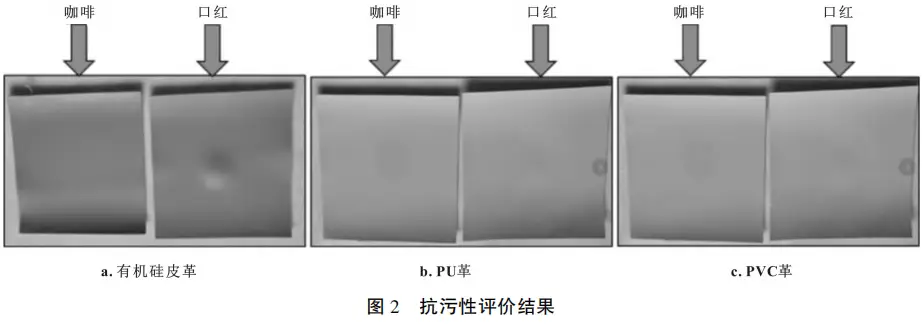
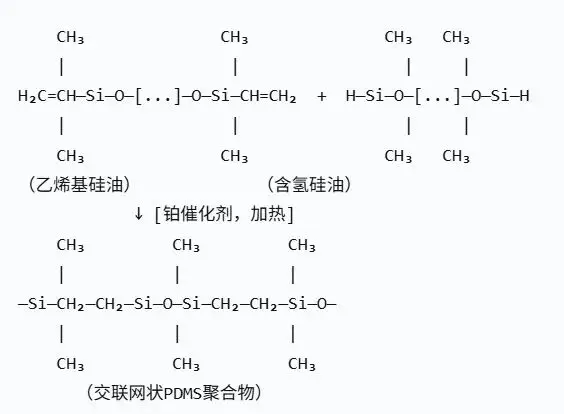
Silicone brighteners mainly use polysiloxane (silicone oil) as the main component, commonly polydimethylsiloxane (PDMS) and its modified substances.
Physical performance characteristics :
Gloss characteristics : Natural luster, soft, and oily
Tactile characteristics : Gives leather an excellent smoothness and silky feel
Hydrophobicity : Excellent, can impart waterproof performance to leather
Heat resistance : Excellent, suitable for use at higher temperatures
Brightness retention : Good, long-lasting shine
Weather resistance : Excellent
Film-forming : Poor film-forming properties, usually not used alone
Application : Often used in combination with polyacrylate or polyurethane as a hand feel modifier and hydrophobic modifier.
Other types: Moisture Curing (MC) resin
Chemical composition :
Moisture-curing resin is a class of prepolymers whose terminal groups contain isocyanate groups (-NCO). After spraying, NCO groups react with moisture in the air to form urea bonds and crosslink and cure.
Physical performance characteristics :
Gloss characteristics : Extremely high luster, with a crystal-clear appearance
Solidification mechanism : Cures in moisture, should be left in an environment with 80% humidity and 20-30°C for 6-8 hours
Fold resistance : Customizable, cold-resistant and fold-resistant models can withstand over 20,000 folds at -15°C
Resistant to yellowing : Aliphatic type can reach grade 4
Process requirements : Requires a dust-free environment and long production cycles
Tactile feel : Can be adjusted to various styles such as oily or waxy finishes
Application : High gloss luggage leather , glossy surface clothing leather , shoe leather, and other products that pursue the ultimate crystalline feel.
Comprehensive Comparative Analysis
Table 1: Comprehensive comparison of high-gloss leather material performance
| Performance indicators | Protein-based products | Nitrocellulent (NC) | Acebutyl Cellulose (CAB) | Polyurethane (PU) | Polyacrylate (PA) | Organosilicones |
|---|---|---|---|---|---|---|
| Luster degree | ★★★★☆ | ★★★★★ | ★★★★☆ | ★★★★★ | ★★★☆☆ | ★★★☆☆ |
| Glossy type | Natural elegance | High hardness and gloss | High transparency and bright light | Adjustable | Average | Oily and lustrous |
| Film hardness | Slightly firm or brittle | Hard | Moderate | Adjustable | Rather hard | and does not form a film |
| Flexibility | ★★☆☆☆ | ★★☆☆☆ | ★★★★☆ | ★★★★★ | ★★★☆☆ | — |
| Abrasion resistance | ★★★★☆ | ★★★★★ | ★★★★☆ | ★★★★★ | ★★★☆☆ | ★★★☆☆ |
| Water resistance | ★★☆☆☆ | ★★★☆☆ | ★★★★☆ | ★★★★★ | ★★★★☆ | ★★★★★ |
| Solvent resistance | ★★★☆☆ | ★★☆☆☆ | ★★★★☆ | ★★★★★ | ★★★★☆ | ★★★★☆ |
| Lightfast/anti-yellowing | ★★★☆☆ | ★☆☆☆☆ | ★★★★★ | ★★★★☆* | ★★★★★ | ★★★★★ |
| Weather resistance | ★★☆☆☆ | ★☆☆☆☆ | ★★★★☆ | ★★★★★ | ★★★★☆ | ★★★★★ |
| Adhesion | ★★★★★ | ★★★☆☆ | ★★★★☆ | ★★★★★ | ★★★★★ | ★★☆☆☆ |
| Tactile feel | Natural comfort | Dry and smooth | Full and comfortable | Adjustable | Rather hard | Silky smooth and oily |
| Environmental friendliness | ★★★☆☆ | ★★☆☆☆ | ★★★☆☆ | ★★★★★** | ★★★★★ | ★★★★★ |
| Overall cost | Average | Low-mid | High | High | Low-mid | Medium to high |
*Note: Aliphatic PU has excellent light resistance (Grade 4), while aromatic PU is prone to yellowing
**Note: Water-based PU is highly environmentally friendly, while solvent-based PU still has VOC issues
Table 2: Core Advantages and Limitations of Each Type
| Type | Core advantages | Core limitations | Applicable scenarios |
|---|---|---|---|
| Protein-based products | It has a natural luster, feels comfortable to the touch, and is highly breathable | Poor water resistance, easy degradation, and requires formaldehyde fixation | Polished leather, mirror-finish leather |
| Nitro cotton | High gloss, good wear resistance, and low cost | Prone to yellowing, flammable and explosive, and poor cold resistance | Ordinary bags and shoe uppers |
| acebutyl cellulose | Excellent light resistance, no yellowing, and good flexibility | High cost, mainly solvent-based | White leather, light-colored leather |
| Polyurethane | The most balanced overall performance and strong plasticity | Some products turn yellow and have higher costs | Premium leather, car seat cushions, furniture leather |
| Polyacrylate | Strong adhesion, good light resistance, and low cost | Low gloss and a firm feel | clothing leather and base coating |
| Organosilicones | Good water repellency and silky feel | Does not form a film and cannot be used alone | Tactile modification, hydrophobic coating |
Table 3: Key structural factors affecting gloss
According to the structure-performance relationship study of polyurethane, the core factors affecting coating gloss can be summarized as follows:
| Influencing factors | High gloss conditions | Mechanism explanation |
|---|---|---|
| Refractive index of the group | High (aryl rings, ester bonds, urethane bonds, urea groups) | High refractive index→ strong reflected light→ and high gloss |
| Hard segment content | High | Increasing the density of strongly polar bonds → improving the refractive index |
| Latex particle size | Small ( | Small particle size→ smooth coating surface→ high gloss |
| Crystallinity | Low (amorphous form) | Crystallized scattered light → reduce light transmittance and gloss |
| Cross-linking degree | Moderate | Cross-linking improves flatness without affecting light transmission |
Selection Recommendations
Pursuing ultimate gloss and no requirements for yellowing resistance : Choose nitrocellulose brighteners, which have the highest gloss but tend to yellow easily, suitable for dark-colored leather.
Highlights for white leather and light-colored leather : Acebutyl cellulose (CAB) or aliphatic waterborne polyurethane are the preferred choices, with excellent light resistance.
High comprehensive performance requirements (bend resistance, wear resistance, weather resistance) : Water-based polyurethane is chosen, offering the best overall performance and good environmental friendliness, with a fully water-based coating.
Adhesion comes first, gloss secondary : Polyacrylic is chosen for the strongest bonding to leather, suitable for base or middle layer finishing.
Pursuing a natural, luxurious sheen : Selected modified casein types, offering unique lighting performance.
Ultimate crystal transparency : Moisture-curing (MC) resin is chosen for optimal light transmission, but process conditions must be carefully considered.
Feel comes first : Choose silicone blended products for a silky, oily feel.

No comments yet