

After color change, leather becomes hard and bends cracks, which is a more troublesome problem than color patterns—it means the coating has lost the vitality it should have with the “leather.” This is not a simple defect, but a mechanical conflict between the coating structure and the leather fibers.
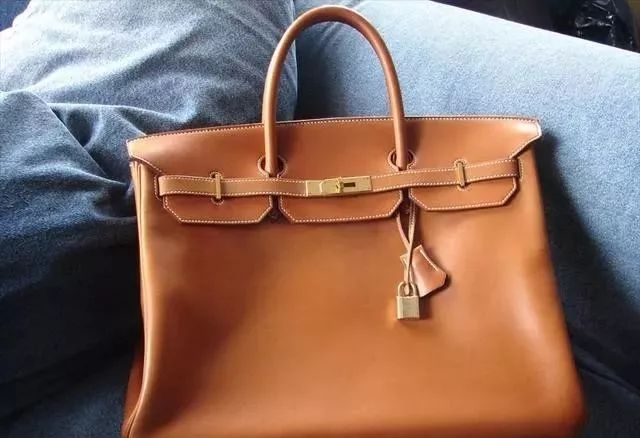
![Image [1]-Leather Hardening After Color Change Causes and Solutions – Nleather-Nleather](https://www.nleather.com/wp-content/uploads/2026/07/20260712-074620-bd2HC-nleather-silicone-leather.png "20260712-074620-bd2HC-nleather-silicone-leather – Nleather")
After color change, the leather becomes hard and feels heavily plastic
Leather loses the softness and drape of genuine leather, feels like cardboard or plastic, and has poor bounce when bent.
| Category of causes | Detailed analysis |
|---|---|
| The coating is too thick | This is the most common reason. To cover the base color or repair flaws, layers are repeatedly layered, with the new coating being much thicker than the original. Overly thick film-forming material acts like a hard shell that binds the skin fibers. |
| Excess of crosslinking agents (curing agents). | Crosslinking agents make coatings more wear-resistant, but excessive use can cause excessive crosslinking of resin molecules, forming a rigid and inelastic three-dimensional mesh structure, making the coating brittle and hardened overall。 Some treatments, in pursuit of “no fading,” add far more than recommended amounts (for example, 100 ml of color paste contains far more than 20 drops of crosslinking agent), resulting in leather hardening |
| Improper resin selection | Resins with excessively high glass transition temperature (Tg value) or somewhat “hard” are used. These resins appear glassy at room temperature, lacking flexibility, and naturally feel stiff after film formation. Especially for aniline leather, using ordinary masking resin instead of permeable soft resin directly covers its natural texture |
| Over-drying/ironing | If the drying temperature is too high (such as using a hair dryer for intense blowing) or excessive ironing, moisture and solvents in the resin will evaporate too quickly, leading to rapid film formation and increased internal stress, ultimately making the tactile feel harder and stiffer |
After bending, the skin cracks and the noodles are fried
When leather is bent or squeezed, the surface coating shows fine cracks (fine cracks) or large cracks (cracked/fried surfaces). That’s the essence Leather can bend, but coating cannot 。
| Category of causes | Detailed analysis |
|---|---|
| Insufficient coating flexibility (core reason) | The coating’s elongation is much lower than that of leather fibers. Genuine leather deforms significantly when bent, while the hard coating cannot stretch and only breaks. This is the most common and tricky question。 Too many rigid components (pigments, fillers) or insufficient soft resin in the formula will reduce ductility. |
| “Pollution” of Brittle Substances | Improper treatment of the leather, introducing excessive limescale, dirt, certain vegetable tannins, or using color paste with too coarse grains. These “brittle substances” accumulate in the grain surface, like adding too much sand to concrete, naturally causing cracking |
| The low temperatures intensified | Resin has properties of “thermal expansion and contraction” and hardening. Many resins lose elasticity and become brittle at low temperatures (below 10°C), which bends and the coating inevitably cracks. This is also why color changes are so common in winter |
| The primer and topcoat are not compatible | Incompatible base and surface materials are sprayed. When the hardness and shrinkage rate of the base and surface layers are inconsistent, shear forces arise between the two layers under bending stress, causing the surface topcoat to “crack” |
How to restore the “vitality” of leather?
Now that the cause is known, the solution has a clear direction. The core idea is: Thinning, toughening, and heavy matching 。
![Image [2]-Leather Hardening After Color Change Causes and Solutions – Nleather-Nleather](https://www.nleather.com/wp-content/uploads/2026/07/20260712-074706-r9WXn-nleather-silicone-leather.png "20260712-074706-r9WXn-nleather-silicone-leather – Nleather")
Remedies (hardened/cracked leather goods)
Softened treatment :
Use a professional approach Leather softener Or Fat-adding agents 。 Spray or wipe it evenly on the leather surface, then repeatedly massage with a soft cloth to help the oil penetrate the fibers. This partially restores the softness of the leather board itself, but has limited effect on hardened coatings.
Local crack repair :
For fine cracks, you can try using it Soft resin Mix with the color paste before use Spraying method Patch lightly (do not apply thickly). For areas where the skin has cracked and peeled and exposed skin fibers, use it first Leather and wound-healing ointment Fill in cracks, and after drying and polishing flat, perform partial color changes.
A serious situation :
If the coating has hardened extensively and cracked severely, it is basically impossible to reverse. The most thorough solution is: use professionalism Release agents Completely remove the existing hard coating and recoat it using the correct process.
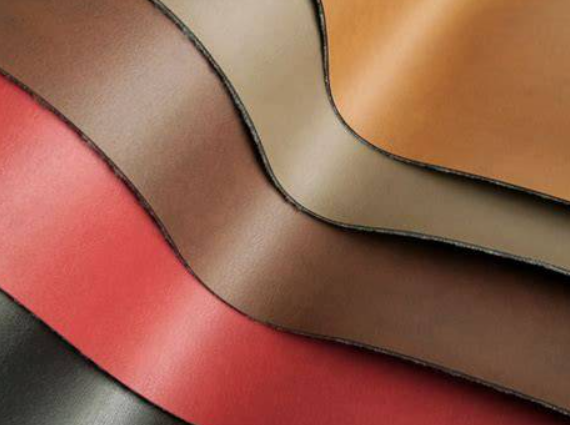
![Image [3]-Leather Hardening After Color Change Causes and Solutions – Nleather-Nleather](https://www.nleather.com/wp-content/uploads/2026/07/20260712-074739-AjmFW-nleather-silicone-leather.png "20260712-074739-AjmFW-nleather-silicone-leather – Nleather")
Preventive Measures (No Color Change / Must See Next Operation)
To eliminate problems at the root, the choice of materials and techniques during color changes is key.
[Thickness Control] Spray thinly multiple times, never rush
[Recipe] Choose and mix your ingredients correctly
[Temperature Control] Provides the coating with a perfect curing environment
[Foundation] Laying a solid “foundation”
The core solution to hardening and cracking is actually a simple formula logic:
Too soft (Prone to fading, not wear-resistant) → Add crosslinking agents or hard resins
Too hard (Stiffening, bending, cracking) → Add soft resin or plasticizers, and reduce crosslinking agents
Color change is not only “addition” but also “balance.” By using thin coatings and flexible materials, allowing the new coating to conform to the breath and activity of leather fibers, the leather’s soul is preserved.

No comments yet