

Summary: Acetate is not a “substitute” for silk; they are two different fabrics: silk is nature’s gift, with life, breath, and change; Acetate is a product of human wisdom—stable, worry-free, and practical. If you’re after the ultimate experience of wearing it close to the body, it’s as if you’re not wearing it, buy silk. If you want a piece that looks high-quality, is comfortable to wear, and doesn’t have to be carefully worn, Triacetate is a great choice. As for Acetate, don’t expect it to last for years.
![Image [1]-Acetate Material: The Semi-Synthetic Silk Alternative – What It Is, Its Pros and Cons, and How to Choose Triacetate vs Diacetate-Nleather](https://www.nleather.com/wp-content/uploads/2026/06/image-301.png "image – Nleather")
What is Acetate material?
Its scientific name is diacetate fiber or acetate cellulose.
It is made by extracting cellulose from wood pulp, reacting it with acetic anhydride to produce cellulose acetate, and then dissolving and spinning it into regenerated fiber. Raw materials are natural (wood pulp) + chemical treatment.
Many people classify Acetate as a “synthetic fiber,” but strictly speaking, it is a semi-synthetic fiber—the raw material is natural (wood pulp) but chemically modified. It is related to Tencel/Lyocell, but its craftsmanship and performance are different.
Acetate was first developed in the 1920s by DuPont in the United States, initially intended to imitate silk. It truly resembled silk in terms of luster and feel, and was not as delicate as silk. That’s why it’s called the “alternative to silk.”
Acetate’s three major advantages
Silky luster and feel very similar to real silk
This is Acetate’s biggest selling point. It has a pearl luster very similar to silk—soft, restrained, and not glaring. It feels smooth and soft to the touch, with a slight cooling sensation against the skin. If you don’t understand fabrics, you might be able to tell acetic acid from real silk when you touch them with your eyes.
Easier to care for than silk
Everyone knows the drawbacks of silk: it’s sensitive to sweat, sun, rubbing, the shine fades after a few washes, and it must be carefully hand-washed. Although acetate is recommended for hand or dry cleaning, it’s much more durable than silk. It is less sensitive to sweat, less prone to yellowing, maintains its shine better after washing, and has a low shrinkage rate. Machine washable is also possible (bagged, cold water, gently). For those who want a silky texture but find it troublesome, acetate is a great choice.
Excellent drape and wrinkle resistance
Acetate fabric has excellent drape; whether it’s dresses, wide-leg pants, or long shirts, the fabric flows naturally as you walk, giving a very sophisticated feel. Its wrinkle resistance is better than silk; wrinkles worn normally will usually be smooth after just one night.
Acetate’s “Drawbacks”
Not a natural fiber, so its breathability is not as good as silk
Acetate has a moisture absorption rate of about 6%-7%, which is much better than ordinary synthetic fibers (polyester fiber 0.4%) but lower than silk (11%). In summer, when sweating heavily, acetate feels more stuffy and sticky than silk.
Low wet strength; wash gently
cellulose acetate (CA) loses a significant drop in strength when exposed to water. Rough machine washing, strong rubbing, and hard twisting can all cause the fabric to tear or deform.
Not heat-resistant
Acetate’s heat resistance is even worse than silk. If it exceeds 100°C, it shrinks, hardens, or even melts. Ironing must be done at low temperatures (80-100°C), preferably through a cloth. Many people burn their acetate shirts because of this reason.
Prone to static electricity and pilling
Acetate fabrics are prone to generating static electricity in dry environments. Some low-grade acetic acid or acetic acid blended with other fibers may pill after long-term friction. This is related to the fiber strength, weaving density, and finishing process of acetic acid itself.
The price is not cheap
Good acetate fabrics are not cheap. A genuine Triacetate (imported from Japan) shirt usually retails for over 800 yuan. Not much cheaper than silk—but it’s easier to care for.
Triacetate vs Diacetate
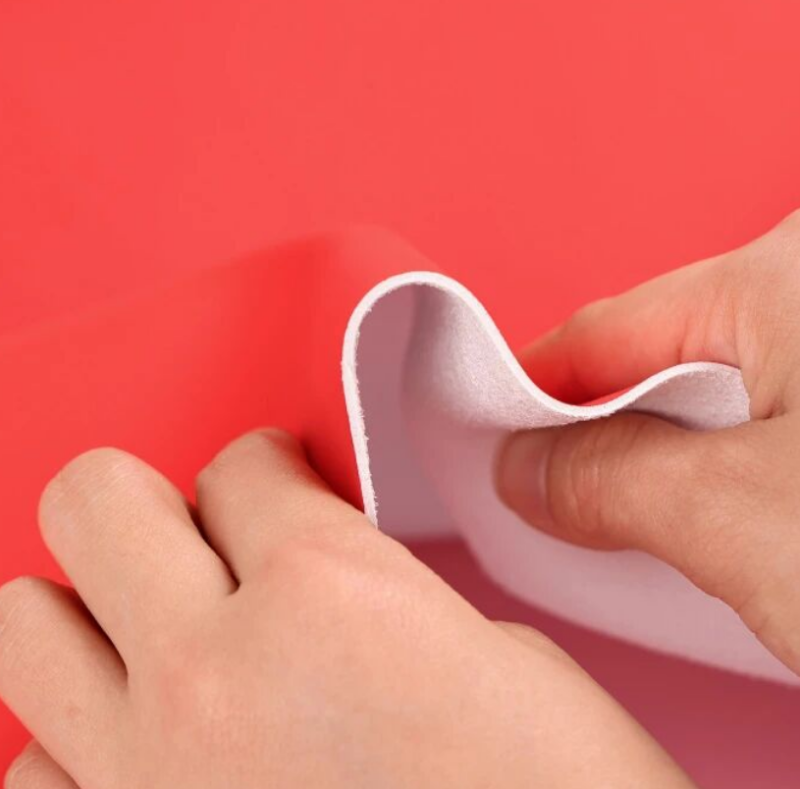
Diacetic acid (Diacetate): Each cellulose molecule contains two acetyl groups. It feels good to the touch, but has relatively low strength and poor heat resistance. Most mid- to low-end acetates on the market are Diacetate. The price is relatively inexpensive.
![Image [2]-Acetate Material: The Semi-Synthetic Silk Alternative – What It Is, Its Pros and Cons, and How to Choose Triacetate vs Diacetate-Nleather](https://www.nleather.com/wp-content/uploads/2026/06/image-303.png "image – Nleather")
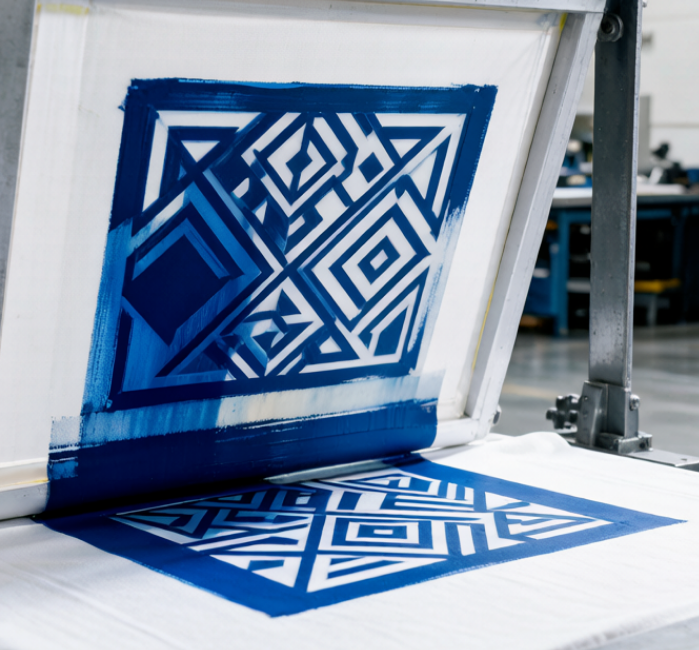
Triacetic acid (Triacetate): The molecule has three acetyl groups. The feel is closer to silk, with higher strength, better heat resistance, and is less prone to shrinkage. Triacetate is a patented product of Japan’s Mitsubishi Chemical Company, branded as “Soalon.” Most high-end acetic acid products on the market are triacetate. The price is 1.5 to 2 times that of diacetate.
![Image [3]-Acetate Material: The Semi-Synthetic Silk Alternative – What It Is, Its Pros and Cons, and How to Choose Triacetate vs Diacetate-Nleather](https://www.nleather.com/wp-content/uploads/2026/06/image-302.png "image – Nleather")
How to distinguish when buying: Check the washable label. Writing “disacetate fiber” or “acetic cellulus” means diacetic acid; Writing “triacetate” or “triacetate” refers to triacetic acid. Triacetic acid is a notch above all in price and quality.
Acetate vs Silk
| Silk | acetate | |
| Price | $100-400 | 40-200 yuan is indeed a bit cheaper, but good Triacetate is not cheap either |
| Tactile feel | softer, more “lively” | Smoother and straighter |
| Luster | The natural pearl luster varies in depth from different angles | Its luster is close to silk, but slightly “bright” and less varied. |
| Breathability | Better | Alright |
| Manage | Be careful, as it is quite delicate | Sweat-resistant, not prone to yellowing, can be gently machine washed; |
| Durability | After wearing it for a long time, it may slightly yellow and lose its shine | After wearing it for a long time, it may develop pills and increase static electricity |
| Summary | Extremely close, no shortage of money, no hassle | Silk has a visual and tactile feel, but if you want something less stressful, choose triacetic acid. If you want it cheap, choose diaacetic acid. |
How to choose without falling into pitfalls?
Check the washing label to distinguish between diaacetic acid and triacetic acid
Only “Acete Fiber” or “Cellulose Acetate” is written, with Diacetate as the default. Only those labeled “Cellulose Triacetate” or “Triacetate” are considered high-end products. If Triacetate is imported from Japan, it may be labeled “Soalon.”
Check the blending ratio
Many “acetate fabrics” on the market are actually blended with acetate + polyester fibers. The higher the proportion of polyester fibers, the less glossy and tactile feel, the stronger the stuffiness, and the cheaper it is. Pure acetate (100% acetate or 100% triacetate) is the best. If blending, the acetate ratio should ideally be above 70%.
Feel the touch
Good acetate fabric feels smooth, cool, and drapes to the touch. The poorer ones either feel greasy (with silicone oil) or feel rough and uneven in thickness.
Check the shine
Good acetate fabrics have a soft, restrained light that is not harsh on the eyes; when the fabric is rotated under the light, the luster changes evenly. Poor acetate fabrics either have a sheen that is too bright (like synthetic fiber reflection) or dull.
Check the brand and origin
Japan’s imported Triacetate is the industry ceiling (Mitsubishi Chemical Soalon). Chinese-made acetate has made great progress in recent years and has very high quality, but overall quality and stability still fall short. If a major brand labels “Japanese imported triacetate,” it is more credible.
What is acetate suitable for?
Shirts : The sag and sheen of acetic acid make shirts look very sophisticated, suitable for commuting and dates. Choose pure triacetic acid or over 90% acetic acid + a small amount of spandex (to increase elasticity).
Dresses : Acetate dresses are stylish to walk, don’t cling to the legs, and don’t absorb dust—they’re a hot item for summer and autumn.
Wide-leg pants : Perfect drape, no wrinkles or collapse. Choose acetic acid with a certain thickness (weight above 150g/㎡); if it’s too thin, it will stick to the legs.
Suit jacket : Lighter and cooler than wool suits, suitable for spring and summer. You need to choose heavy acetic acid, otherwise it’s too soft and loses its shape.
Pajamas/loungewear : Smooth and adhering to the skin, easier to care for than silk. In summer, sleeping naked with acetic acid is cooler than cotton.
How should you wash and care for it?
1. Dry cleaning is best. If washing with water, cold water (below 30°C) + neutral detergent must be used.
2. Machine washing must be done with laundry bags and gentle mode. Do not stir vigorously.
3. Do not knead or twist. After squeezing out the water, lay it flat or hang to dry.
4. Do not expose to direct sunlight. Dry in a cool place.
5. Use low temperature (80-100°C) for ironing, preferably with a cloth barrier. High temperatures cause shrinkage or melting.
6. Do not use a dryer.
7. Do not use detergents containing bleach.


No comments yet