

1. Definition of Leather:
Skin skinned directly from animals without processing is called raw hide, while leather made through various processing techniques is called leather.
![Image [1]-Leather Grades Explained: From Rawhide to Finished Leather, Types, Identification, and Quality Classification-Nleather](https://www.nleather.com/wp-content/uploads/2026/06/image-92.png "image – Nleather")
2. Types of Leather Scratches:
Including cow leather , pigskin, sheepskin, snakeskin, horseskin, ostrich skin, crocodile skin, lizard skin, among others cow leather , pigskin, and sheepskin accounts for 95%.
3. Anatomical structure of the dermis:
The leather is divided into four layers
(1) Granular layer (2) Reticular layer (3) Tissue layer (4) Muscular layer
4. Characteristics of various leather materials:
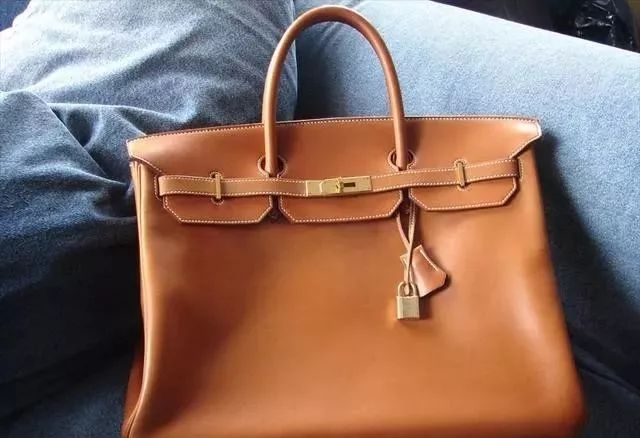
Fetus cow leather : The leather surface is made with fine beaded spun fibers, soft and elastic to the touch. Suede leather feels especially delicate and has growth marks on males, commonly used for custom wallets and casual tote bags.
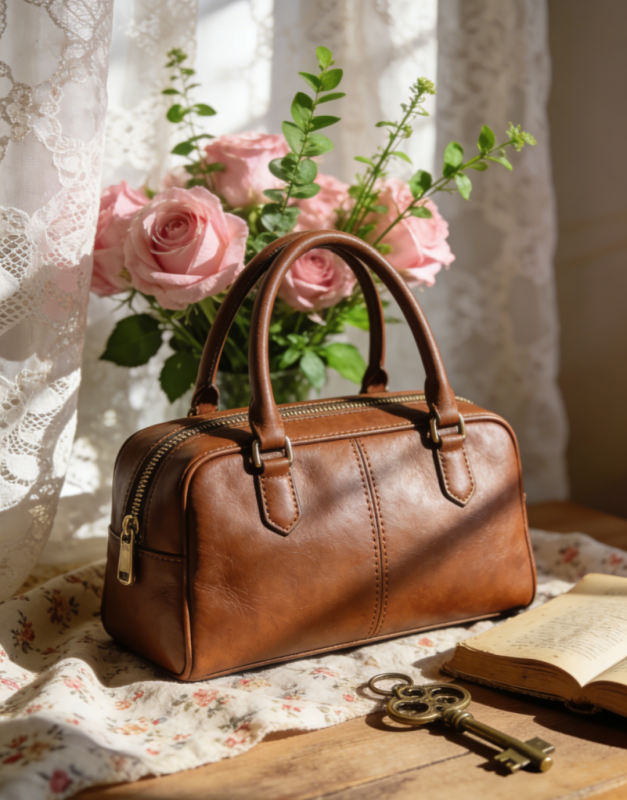
Small cow leather : The bead pattern on the leather surface is slightly rough, with obvious growth marks, strong tensile strength, good elasticity, and a great feel to the touch. Mostly used for men’s wallets, belts, and custom handbags.
![Image [2]-Leather Grades Explained: From Rawhide to Finished Leather, Types, Identification, and Quality Classification-Nleather](https://www.nleather.com/wp-content/uploads/2026/06/image-93.png "image – Nleather")
Child cow leather : Smaller than others cow leather The surface is slightly rougher, and the leather fibers are slightly loose, suitable for custom office leather goods
Big cow leather : Rough leather with many imperfections, creative specialty clutches, ox clutches, briefcases
Lambskin: The leather surface is sturdy, strong, with regular capillaries and beaded patterns, making it attractive and suitable for custom women’s high-end clutches.
Goatskin: The larger the leather surface, the less detailed the beaded texture. It can be twisted into round beaded patterns, used for leather clothes and shoes
Snake skin: embroidery is very special, the leather is thin, usually suitable for custom clutches and women’s shoulder bags
Horsehide: Loose body, rough surface, relatively fine hip leather, wallet, men’s handbag customization.
Kangaroo Pelts: durable, soft, and childlike cow leather , men’s and women’s shoes.
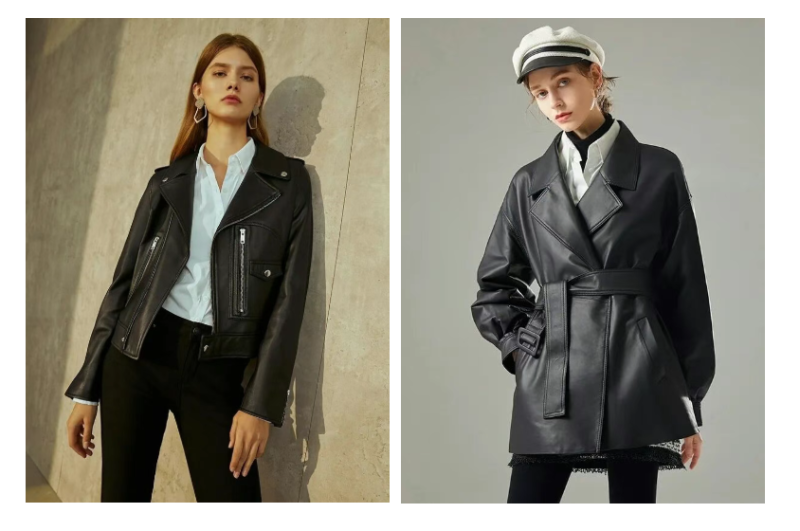
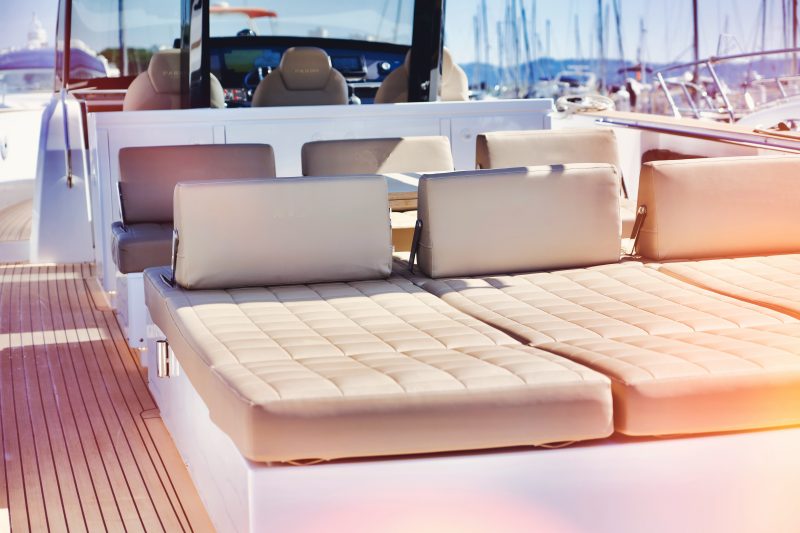
With its unique naturalness, breathability, and flexibility, genuine leather is used in furniture, bags, clothing, handbags, and other parts of daily life, making it irreplaceable by any other chemical product.
![Image [3]-Leather Grades Explained: From Rawhide to Finished Leather, Types, Identification, and Quality Classification-Nleather](https://www.nleather.com/wp-content/uploads/2026/06/image-94.png "image – Nleather")
5. Identification of genuine leather?
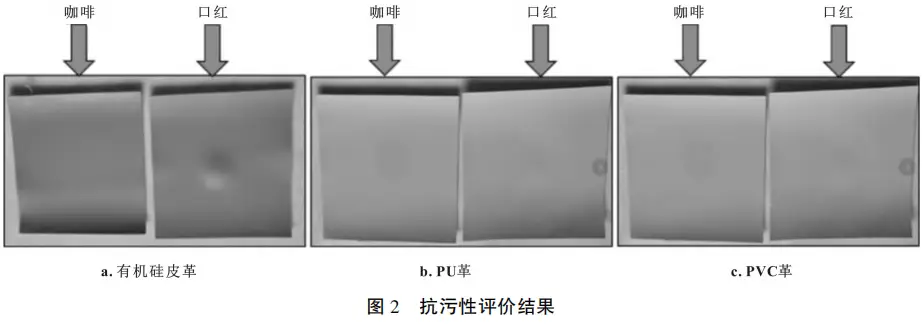
1. The texture of genuine leather is natural and highly inconsistent (PU and PVC leather have consistent grain)
2. It feels fleshy (skiny) and rough to the touch, while artificial leather Feels smooth to the touch
3. Genuine leather has a scent similar to that of animals, and artificial leather It is a chemical raw material flavor
4. Burning genuine leather with fire produces a burnt smell like burning fat, artificial leather After burning, it emits a green flame and liquefies, with a pungent smell
5. Observe the cross-section: the dermis has fibrous structure, while artificial leather Generally, the cut surface has small pores to foam chemical raw materials.
6. Raw skin flaws
(Mainly includes cow tendons, blood vessel patterns, scratches, knife wounds, wind nails, gadfly eyes, pinholes, loose surfaces, and cracks)
1. Damage caused by survival
A. Puncture wounds: Puncture wounds from wire wind, tree thorns, or gladiator injuries?
B. Branding: Using hot iron or sulfuric acid as proof?
C. Insect spots: Damaged by pests, cattle, snakes, etc cow leather Surface marks and scarcity damage remain on the surface.
D. Knife wounds: Damage to fibrous tissue during slaughter
E. Blood vessels: Insufficient bloodletting during slaughter
F. Peeling: Lacerations caused by excessive stretching of the peeling machine
2. Damage during storage
A. Salt spots: uneven staining caused by phosphate formation
B. Corrosion: The bead surface or fibers are corroded and decomposed
C. Laceration: Excessive storage causes the skin to dry out excessively, resulting in bead cracking
7. Categories of finished leather
(1) Beaded surface: beaded skin, polished texture, betel skin
(2) Beaded leather: Preserves natural, high-quality uppers; as the breed and growth progress, it can develop different appearances and emboss patterns to change its shape
(3) Surface Grinding: For poorer bead finishes, sandpaper can be used to improve usability by embossing or flat surfaces
(4) Lang skin: After the fiber layer of the dough is removed, the reversed texture or coated laminate becomes the coated lam skin, i.e., wet or PU laminated or coated with PU mold to form the post-dry PU laminal laminate.
B. Corrosion: The bead surface or fibers are corroded and decomposed
C. Laceration: Excessive storage causes the skin to dry out excessively, resulting in bead cracking
![Image [4]-Leather Grades Explained: From Rawhide to Finished Leather, Types, Identification, and Quality Classification-Nleather](https://www.nleather.com/wp-content/uploads/2026/06/image-95.png "image – Nleather")
8. Leather Inspection Standards
Leather grade: Inspection and grading are conducted according to usage rate, considering the shoe type, customer acceptance of the shoe shape, strength, leather material, and width size, usually divided into five grades.
Grade A: Over 85%.
Grade B: 75%-85%
Grade C: 65%-75%
D Grade: 55%-65%
E-grade: below 55%.
Generally, domestic leather increases by 5 percentage points, meaning A grade is above 90% and E grade below 60%.


No comments yet