

Let’s clear up a common misconception right away.
Crazy Horse leather has nothing to do with horses. It is cowhide. As for where the name comes from, the most popular story traces it back to the legendary Native American chief Crazy Horse of the 19th century—though whether there is any real historical connection is hard to verify today. One thing, however, is certain: it has been a staple in the leather goods world for decades, from small artisan workshops to established brands, and its staying power has never been about just a catchy name.
It occupies a unique place in the leather universe. First-time users typically go through a journey from skepticism to genuine appreciation. In fact, Crazy Horse leather operates under a different value system than most other leathers—scratches, colour shifts, and mottled appearances that would be considered flaws elsewhere are precisely what give Crazy Horse its character and distinctiveness.
![Image [1]-What Exactly Makes Crazy Horse Leather So Special? A Comprehensive Look from Principles to Maintenance – Nleather-Nleather](https://www.nleather.com/wp-content/uploads/2026/08/20260816-131842-tAr4H-nleather-silicone-leather.png "20260816-131842-tAr4H-nleather-silicone-leather – Nleather")
What makes it so distinctive?
From a technical standpoint, Crazy Horse leather is made from top-grain cowhide that undergoes an oil-and-wax impregnation process. The core purpose of this treatment is not to alter the hide’s fundamental structure, but to introduce a substantial amount of oils and waxes into the fibre interstices, creating what might be described as an “oil-wax hybrid” state. This is fundamentally different from the finishing approach used on ordinary leathers, which rely on surface coatings to cover and beautify; Crazy Horse relies on oils and waxes to saturate and protect the fibres themselves.
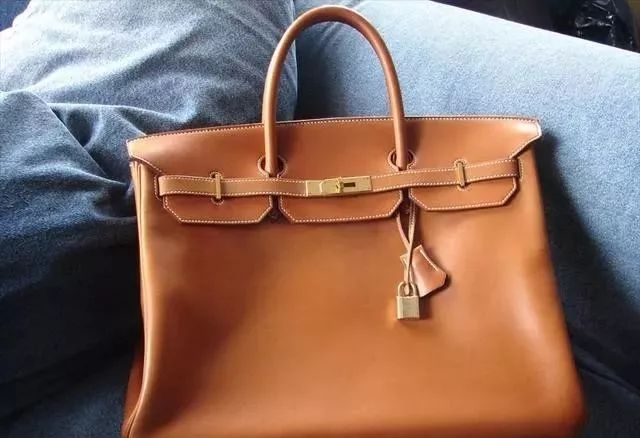
So when you first handle a piece of Crazy Horse leather, what you see is not a smooth, mirror-like finish, but a matte surface with a subtle napped texture, slightly mottled in colour, with an uneven, muted appearance. If you lightly scratch the surface with your fingernail, it leaves a clearly lighter mark. If you have never used this type of leather before, your first thought might be that it got damaged during shipping or that the piece is defective.
In reality, this is the very hallmark of Crazy Horse leather—the Pull-Up effect.
The term “pull-up” describes a phenomenon in the leather industry: when you fold, stretch, or scratch this type of leather, the fibres in the stressed area are pulled apart, temporarily altering the distribution of oils and waxes between the fibres and changing the way light reflects off the surface, so that area appears lighter in colour. The process is entirely reversible—rub the area lightly with your palm or a dry cloth, and the friction-generated heat and pressure cause the oils to redistribute and flow back, gradually restoring the original colour.
![Image [2]-What Exactly Makes Crazy Horse Leather So Special? A Comprehensive Look from Principles to Maintenance – Nleather-Nleather](https://www.nleather.com/wp-content/uploads/2026/08/20260816-131917-XvE3X-nleather-silicone-leather.png "20260816-131917-XvE3X-nleather-silicone-leather – Nleather")
What does this mean in practice? It means every piece of Crazy Horse leather is in a constant state of change. You might accidentally scratch the surface of your bag with your fingernail before leaving home and see a lighter mark, feeling a momentary pang of regret. But by the time you reach your destination, after your hand has brushed over that spot a few times, the mark will have faded significantly. A few days later, it will have blended in almost completely with the surrounding area, becoming a barely perceptible grain variation.
These marks are not defects; they are the usage records of that piece of leather. Just like the grain of wood or the veining of stone, they are the material’s way of participating in time.
Crazy Horse leather is “cultivated,” not just “used.”
There is an old saying among leather enthusiasts: Crazy Horse leather is not worn out—it is cultivated. This is remarkably accurate.
Fresh out of the factory, Crazy Horse leather has a relatively even distribution of oils and waxes, presenting a matte, napped texture with a lighter, drier appearance. At this stage, it has not yet entered its best state. The real transformation begins when it comes into regular use.
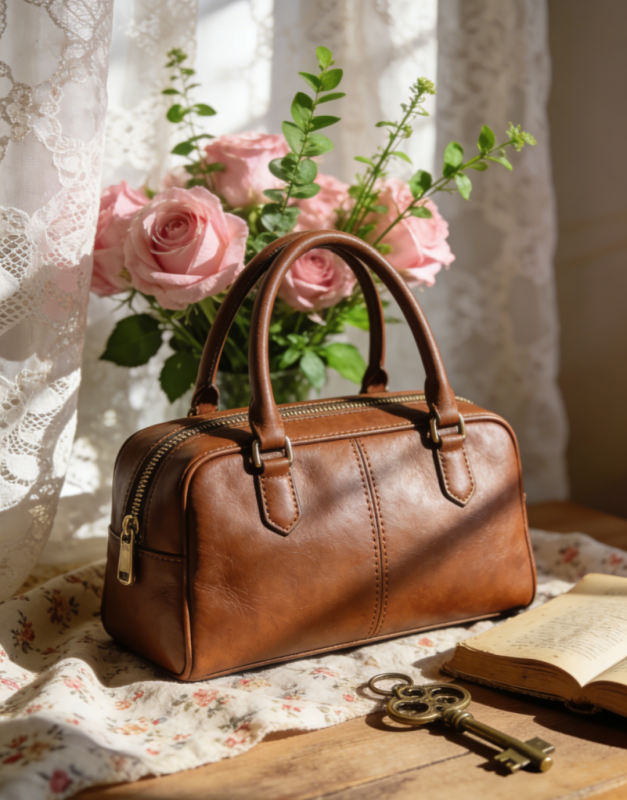
The handles of a bag, the frequently folded edges of a wallet, the area around a belt buckle, the inside of a watch strap—anywhere that comes into frequent contact with human hands undergoes a slow, steady migration of oils from the interior to the surface, driven by repeated friction, pressure, and body heat. Over time, these areas develop a progressively deeper, richer gloss.
This process is not uniform. The high-contact areas gain luster and deepen in colour, becoming increasingly smooth to the touch; the less-frequented parts—the back, the interior, the sides—retain the original matte, napped feel. Thus, the same piece of leather develops distinct zones of age and character—deep and glossy juxtaposed with light and textured—each recording different patterns of use.
After two or three years, the entire item will have acquired a unique “patina” effect. This patina is not the industrial gloss of high-polish finishing; it is a warmth that comes only after countless interactions with the human hand, carrying the unmistakable marks of time and use. Leather craftsmen describe this state as “oily-rich”—the material itself radiates a restrained, settled glow.
This sets Crazy Horse apart from vegetable-tanned or smooth-finished leathers. Vegetable-tanned leather darkens and grows shinier over time; Crazy Horse not only deepens in colour but also undergoes a textural shift—from matte and napped to oily and smooth—a gradual process where every stage of change is clearly visible.
![Image [3]-What Exactly Makes Crazy Horse Leather So Special? A Comprehensive Look from Principles to Maintenance – Nleather-Nleather](https://www.nleather.com/wp-content/uploads/2026/08/20260816-131947-TqKS2-nleather-silicone-leather.png "20260816-131947-TqKS2-nleather-silicone-leather – Nleather")
Beyond “cultivation,” Crazy Horse has an underappreciated quality: durability.
Crazy Horse leather is made from top-grain cowhide, typically about 2 mm thick—substantially more substantial than many common leathers on the market. Moreover, because the processing retains a high oil content, the fibres are well lubricated, giving it a flexibility and suppleness that avoids the stiff, rigid feel of some drier leathers.
In everyday use, minor scrapes and scratches rarely cause actual damage. Surface colour changes gradually fade as the oils migrate, requiring no intervention from you. Raindrops or small spills are unlikely to penetrate quickly due to the high oil content on the surface; as long as you blot them with a tissue promptly, there is little cause for concern. As for everyday dust and dry soiling, a quick wipe with a dry cloth is all it takes.
Of course, it would be unrealistic to claim that Crazy Horse requires no maintenance at all. Like any leather, it dislikes excessive soaking, prolonged exposure to direct sunlight, and contact with acidic or alkaline chemicals. The difference is that compared to leathers that demand careful handling, Crazy Horse is far more forgiving of daily wear and tear. It allows you to make the occasional mistake—a light rain, picking it up with slightly damp hands—and then gradually “absorbs” those marks into its own story.
What are the main applications for Crazy Horse leather?
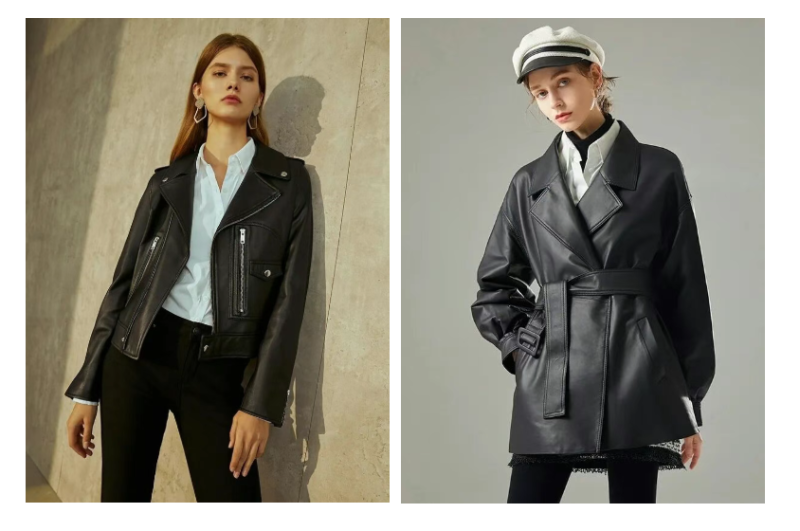
Because of its rugged yet warm character, Crazy Horse leather is most commonly used in vintage-style, workwear-inspired, and light-outdoor leather goods.
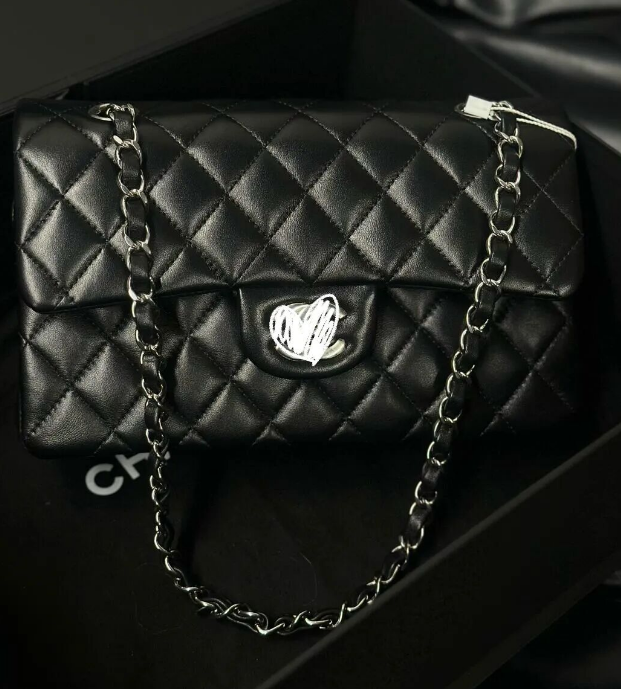
Backpacks and bags are its largest category, especially retro rucksacks, messenger bags, and totes—the relaxed look and potential for aging that Crazy Horse provides is something smooth leather simply cannot replicate. Briefcases and handbags are also common, though it is worth noting that business-oriented briefcases tend to favour smooth leather, while Crazy Horse is better suited to products that straddle the line between professional and casual. For small leather goods—wallets, cardholders, keychains, watch straps, belts—Crazy Horse is almost ideal for beginners wanting to experience the joy of cultivation, thanks to the frequent handling these items receive. Footwear represents a smaller segment, as Crazy Horse is relatively softer and requires internal reinforcement for shoe construction.
More recently, an increasing number of home and desk accessories have started using Crazy Horse leather—trays, pen holders, bookends, mouse pads, desk mats—because its strong stylistic presence and the gloss it develops over time harmonise well with the texture of living spaces.
How does Crazy Horse compare with other leathers?
This is worth expanding on, so you have a clear reference when selecting products.
Compared with vegetable-tanned leather. The appeal of vegetable-tanned leather lies in its colour change—from light shades gradually deepening into reddish-browns and caramel tones, with the surface becoming harder and smoother. This change is overall and uniform. Crazy Horse, in contrast, changes in a zoned, localized manner, emphasising the interplay between light and dark areas and the transformation in texture.
Compared with waxed or oiled pull-up leathers. Waxed leathers and Crazy Horse share some processing similarities—both use oil or wax impregnation and exhibit a pull-up effect. The difference is that waxed leathers have a more pronounced surface coating, with greater wax content and a noticeable sheen from the outset; Crazy Horse starts off more matte and napped, with the gloss developing gradually through use.
Compared with ordinary finished cowhide. Ordinary finished leather relies on a surface coating for colour and protection; as long as the coating remains intact, scratches are not visible. However, once the coating is breached, the underlying colour is exposed and difficult to repair. Moreover, finished leather does not develop additional texture or gloss over time—it looks essentially the same at the end of its life as it did when new. Crazy Horse offers the advantage of “self-healing” scratches and an ever-increasing gloss, with the aging effect being something many users actively seek.
What should you consider when choosing Crazy Horse leather?
If you decide to invest in a Crazy Horse leather item, here are a few points to keep in mind.
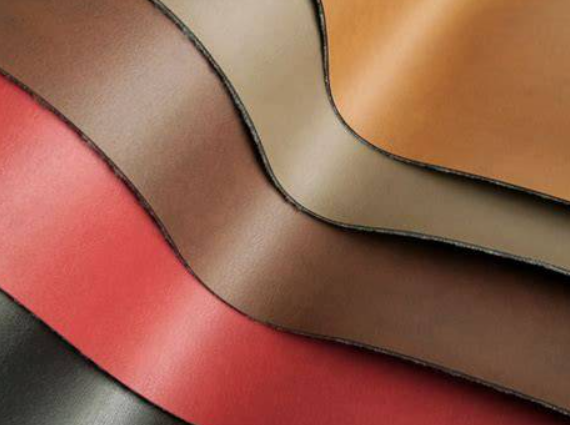
Colour. The most common Crazy Horse colours are dark brown, caramel, and coffee tones. These shades develop the most satisfying deep, rich patina with use. Black and dark blue are also available, but because the base is so dark, the pull-up contrast is less pronounced than in brown tones. If you enjoy the scratch-mark effect that Crazy Horse is known for, brown shades will be more rewarding than darker ones.
Thickness and firmness. Even within the same Crazy Horse category, different thicknesses yield different hand-feel and aging speeds. Thicker, firmer leather (2 mm and above) takes longer to develop a glossy patina but ultimately produces a heavier, more layered effect. Thinner, softer leathers (1.2–1.6 mm) show noticeable changes within a month or two of regular use, but the final effect tends to be lighter and less rugged. Your choice should depend on your intended use.
The first three months after receiving a new piece are the most critical. During this period, you should handle it as much as possible—use it, carry it out, let the oils begin migrating and distributing. Some people hesitate to use their new item, keeping it pristine on a shelf for months; ironically, this defeats the whole point of Crazy Horse leather—it is meant to be used.
Routine maintenance. For everyday dust and dry soiling, a soft dry cloth will suffice. If the surface becomes heavily soiled and needs cleaning, use a dedicated leather cleaner for spot treatment, but avoid cleaners containing strong solvents, as they can strip the essential oils from the leather. After cleaning, it is advisable to apply a leather conditioner to replenish the oil balance. In particularly dry climates, oiling every three to four months can be beneficial. If your item gets rained on, blot the surface with a dry cloth and let it air-dry naturally in a shaded place—do not use a hairdryer or heat source. Once fully dry, rub the surface with a cloth; the colour and gloss will gradually restore themselves.
Why has Crazy Horse leather remained so popular for so long?
With new materials emerging all the time, the enduring appeal of Crazy Horse leather comes down to a simple reason.
People’s attitude toward “signs of use” has shifted. In the past, everyone wanted things to stay forever new, unable to tolerate a single scratch. In recent years, the trend has reversed—patina, artificial aging, and natural wear are increasingly accepted and even sought after. Crazy Horse fits perfectly into this shift: all its changes are positive, irreversible, and deeply personal. Every scratch, every fold, every day spent in your company gets recorded, transforming into unique grain patterns and colour tones that belong to no one else.
Ultimately, what draws people to Crazy Horse leather is not its perfection. It allows imperfection, and it has the ability to turn those imperfections into a distinctive kind of beauty. In an era where consumerism urges us to constantly replace things with newer versions, an item willing to grow old gracefully alongside you has become something rare and precious.
If you are considering a leather item that will last you for many years, without the anxiety of having to baby it every day, Crazy Horse is one of your best options. Do not be afraid of scratches, do not be afraid to use it—touch it, carry it, live with it. Over time, it will become unmistakably yours, a one-of-a-kind companion that tells your story through its evolving surface.



No comments yet